
Indore water contamination deaths: Action without accountability
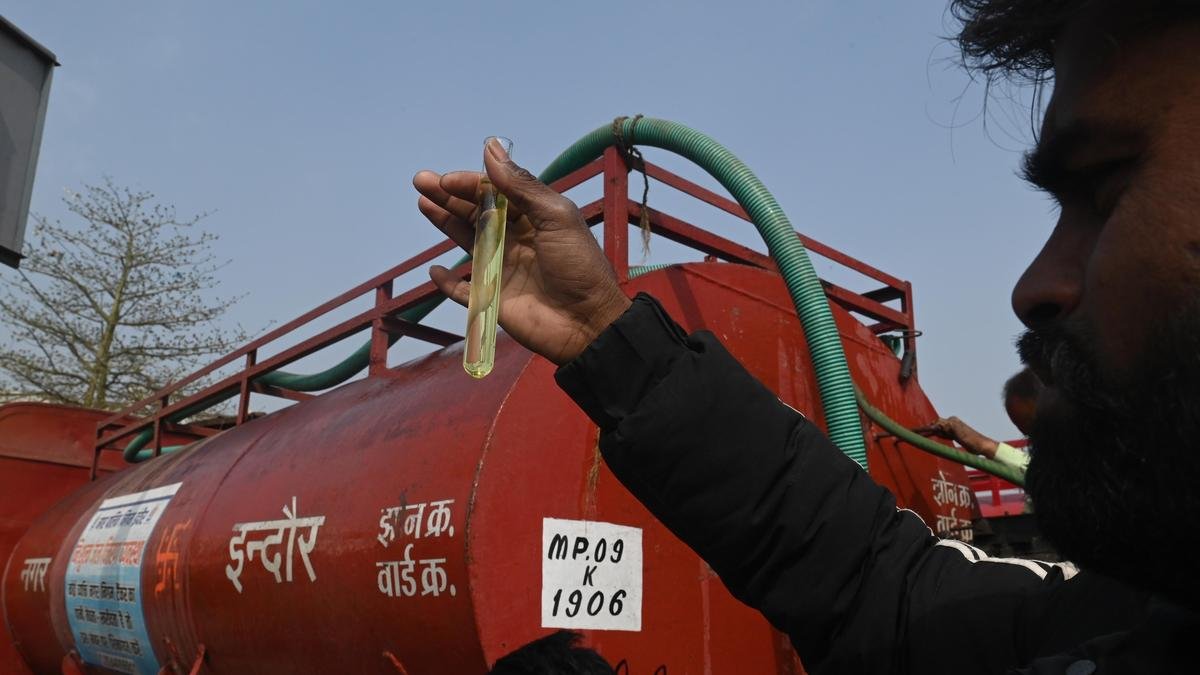
An Indore Municipal Corporation worker checks the quality of water supplied through tankers in the city’s Bhagirathpura area.
| Photo Credit: The Hindu
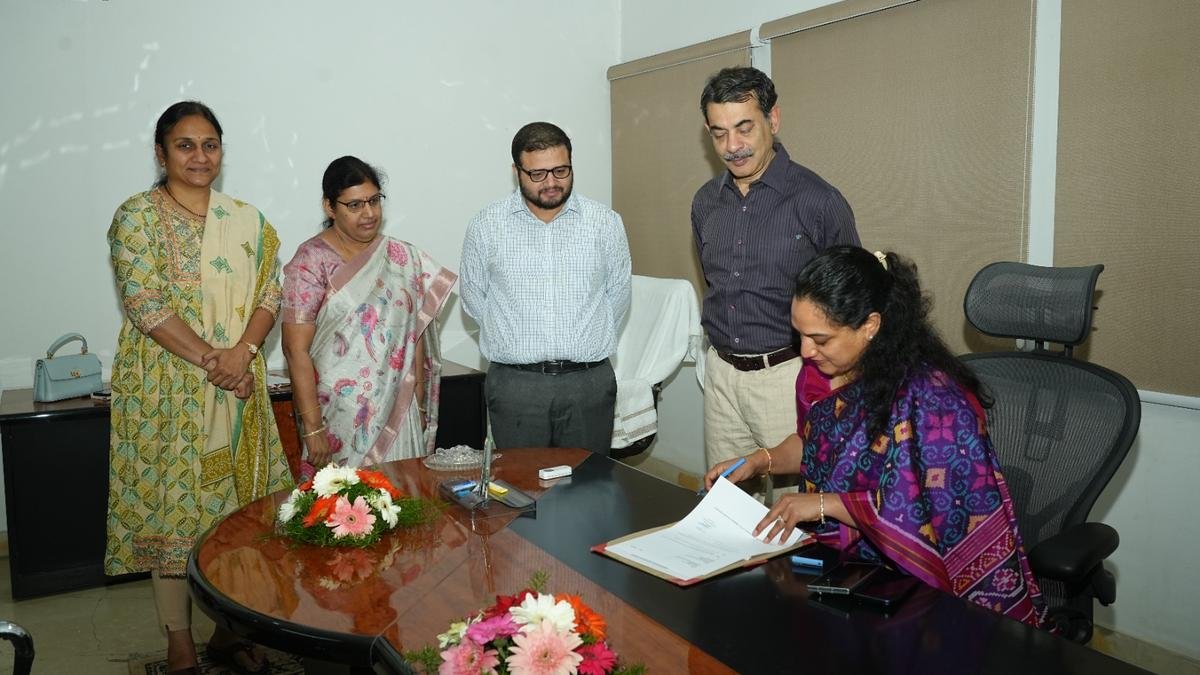
Mr. Dileep Yadav was appointed Deputy Secretary in the Panchayat and Rural Development Department. However, on January 18, amid a major reshuffle of bureaucrats, he was appointed Managing Director of the State Tourism Development Corporation. This is considered a prestigious posting given the significance of tourism in the State. The timing was odd too: 11 patients continue to be in hospital. While an audit report of government doctors has pegged the death toll at 15, local reports say at least 24 people have died in the tragedy.
Mr. Dileep Yadav was appointed the IMC Commissioner last September. The allegations of delays and unresolved complaints in Indore predate his brief tenure. However, his latest appointment brings focus to the regime’s approach in the wake of a tragedy.
Every time a tragedy occurs, there is public resentment against the government. The government suspends or transfers officials in the eye of the storm. In most cases, it initiates an inquiry. However, the same officials soon find their way back into the system with new postings. Sometimes, they even have bigger responsibilities. The question that naturally arises is: were they solely responsible for the negligence? And if not, where does accountability lie?
Following Mr. Dileep Yadav’s new posting, the Congress lambasted the BJP government. State Congress president Jitu Patwari wrote on X, “…This is not [the] BJP’s good governance, this is a reward system for insensitivity! [The] BJP is not concerned about accountability, [the] BJP is only worried about management and messaging!”
In January 2024, Mr. Mohan Yadav removed IAS officer Kishore Kanyal as the Shajapur district collector after a purported video showed him allegedly involved in an argument with a representative of protesting truck drivers. Mr. Kanyal was appointed the Deputy Secretary of the Forest Department the same month and has since held the role of Collector of two districts.
A former Chief Secretary of Madhya Pradesh, who served during the Digvijaya Singh-led Congress government, told The Hindu that this pattern has increased over the past few years. “If the government takes action against an official, it means that prima facie, it considers the official responsible. But if it gives the official an important posting soon after the episode, it makes the decision look like an effort to dial down public anger,” he said. “This harms the system in three ways: accountability is not fixed, public attention shifts, and long-term improvements are overlooked. Laxity spreads in the administration because bureaucrats may feel that they can get away with anything.”
Another former Chief Secretary, who served during Shivraj Singh Chouhan’s regime, had a different view. He said that swift action during a crisis allows the government to focus on finding solutions. “After any crisis, there is a need to first cool down passions even as the government takes short- or long-term steps to fix the problem. It does not mean that the government has ignored the problem. Rather, doing this will help it focus on the real issue,” he argued. He added that it is necessary to take corrective measures after the immediate action.
Indore deaths: What ails the water supply systems in India?
Mr. Dileep Yadav’s case is another instance in a broader pattern of swift government action, often seen as damage control, with the Chief Minister or Ministers projecting a tough stance. However, while officials face action following tragedies or controversial remarks, BJP minister Vijay Shah, who made objectionable comments against Army officer Sofia Qureshi, faces no action. This is despite an FIR being filed against him and the Supreme Court’s directive to decide on prosecution sanction within two weeks. These developments show that swift action is taken against officials to manage outrage, while political responsibility and accountability remain elusive.
Published – January 21, 2026 01:11 am IST
Discover more from News Link360
Subscribe to get the latest posts sent to your email.