
New Zealand election scheduled for November 7; cost of living, housing top issues
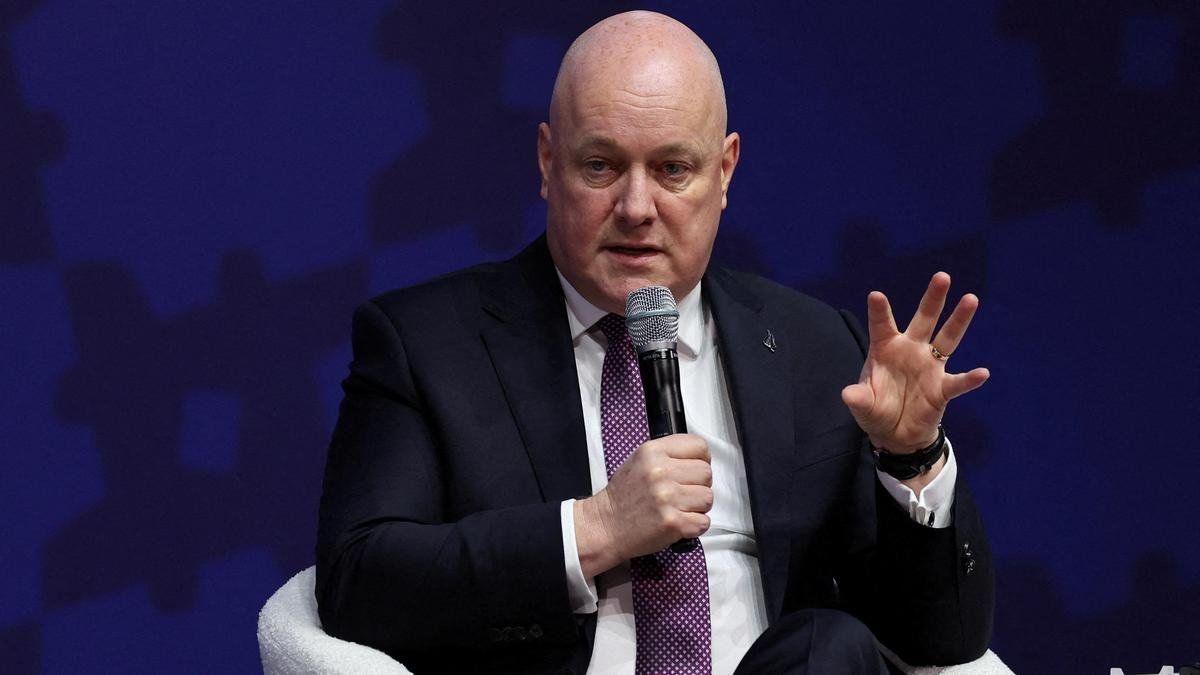
Mr. Luxon, the leader of a centre-right government, will seek a second term in office, with the election likely to be a ballot on whether his pledges to improve the economy after the COVID-19 pandemic have gained enough traction to convince voters still struggling with living and housing costs.
The main centre-left Opposition Labour Party, led by Chris Hipkins [Christopher Hipkins], has regained support since its poor showing in the 2023 election and analysts forecast a tight race.

New Zealand elections are held every three years with the government selecting the exact date. Voters choose which party they prefer to see in government and also select a local candidate to represent their constituency in Parliament.
The country of five million has a unicameral Parliament, which means governments are powerful deciders of how the country operates. The National Party and Labour usually must form coalitions with smaller parties to hold a majority in Parliament, giving the minor parties an unusual sway in which the major party leads.
Economy and cost of living central
Announcing the election date at a retreat for his party’s lawmakers in Christchurch, Mr. Luxon underlined what he said was his party’s track record on working to rebuild a post-pandemic economy.
Days earlier in a speech to a business audience in Auckland on Monday (January 20, 2026), he acknowledged that reversing the country’s fortunes had not been simple and that many New Zealanders have endured “two years of hard grind.”
The economy has contracted a further 0.5 percentage point in the most recently measured 12 months, and migration to neighboring, wealthier Australia has at times hit record highs during Mr. Luxon’s tenure.
Mr. Luxon on Monday (January 19, 2026) blamed the former Labour-led government for the country’s woes, saying he had “inherited a mess.”
Analysts said that with inflation trending down and business confidence beginning to grow, Mr. Luxon will hope the months until this year’s election will be long enough to convince New Zealanders that the economic reversal he pledged in 2023 is taking root.
Mr. Hipkins, his main challenger to lead the country, on Monday (January 19, 2026) dismissed Mr. Luxon’s remarks as “a whole lot of management-speak mumbo-jumbo.” The Opposition leader added that Mr. Luxon hadn’t delivered on political promises he had made, including making housing more affordable in what has been one of the world’s hottest markets and ensuring access to public health care for all.
Paying for the country’s ailing infrastructure and how to fund pensions will also be central economic issues. Mr. Luxon decries Labour’s approach as one reliant on accruing national debt, while Mr. Hipkins said Monday (January 19, 2026) that National Party had squandered money on unaffordable tax cuts.
Two contesters named Christopher
An unusual quirk of the election is that the premiership will once again be contested by two men named Christopher, as it was in 2023.
Mr. Luxon, 55, is still a relative newcomer to politics, making a rapid ascent to National party leader in 2021 after entering Parliament as a constituency lawmaker at the 2020 election. The millionaire former business executive was the head of the national carrier Air New Zealand before turning to politics and previously worked as an executive for Unilever when he lived in the United States.
Mr. Luxon pledged to bring managerial experience, but his detractors highlight his political inexperience and say his wealth means he is out of touch with ordinary New Zealanders.
Mr. Hipkins, the Opposition leader, entered Parliament in 2008 and held major portfolios in the previous Labour government, including as Minister for Health and Education.
The 47-year-old, who presents himself as a humble man from an ordinary background, briefly became Prime Minister in 2023 when incumbent leader Jacinda Ardern abruptly quit, citing exhaustion. Labour was already flagging in the polls and Mr. Hipkins was unable to reverse the party’s fortunes, with a dismal result ushering in Luxon’s centre-right government.
Critics of Mr. Hipkins on the left decry him for being too timid, while those on the right often seek to remind voters of his role in Ms. Ardern’s government as its strict COVID-19 lockdowns lost public confidence in some parts of the country.
Published – January 21, 2026 12:23 pm IST
Discover more from News Link360
Subscribe to get the latest posts sent to your email.