


In Bijnor, a small food cart turns into a steady daily livelihood
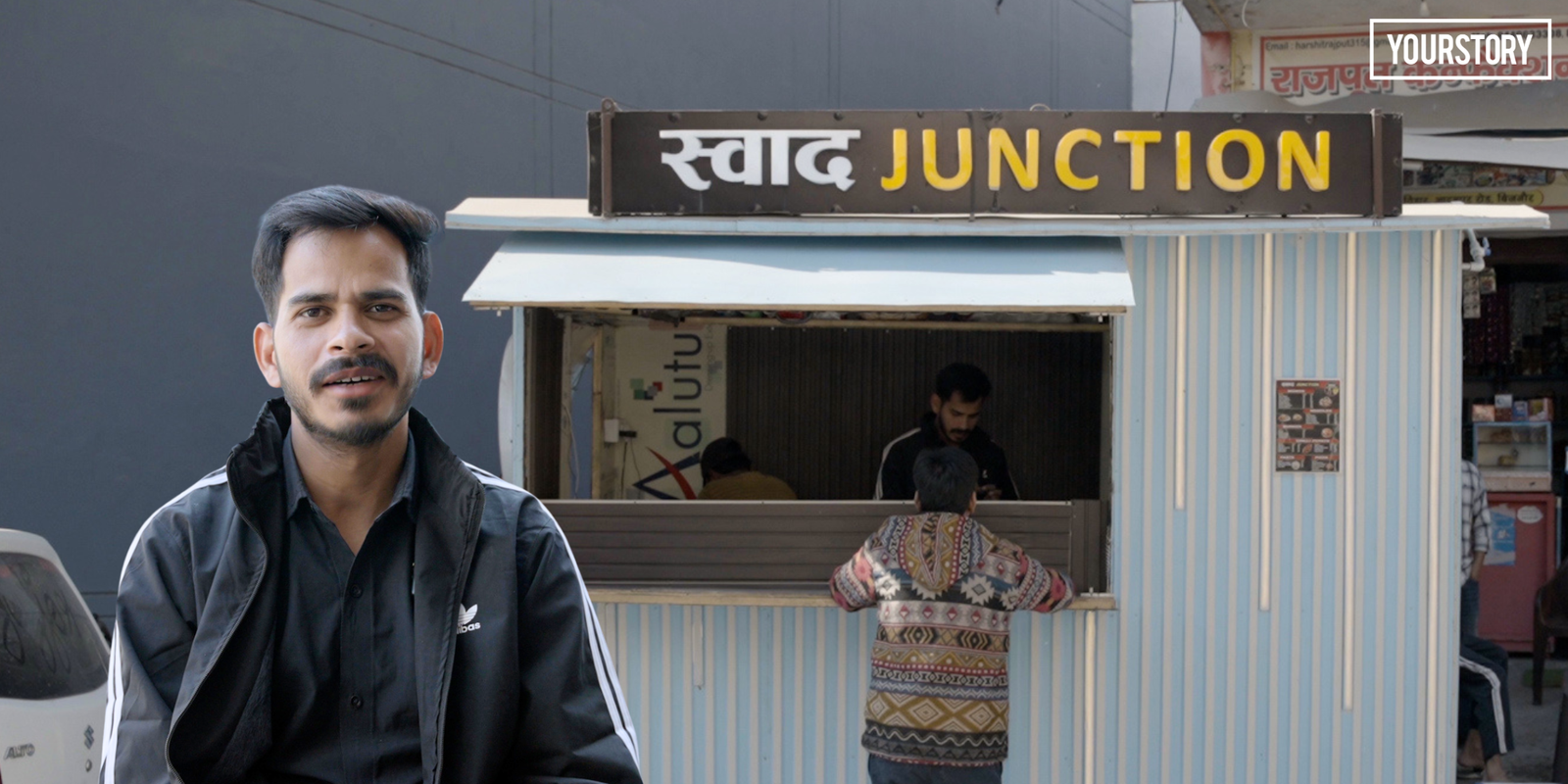
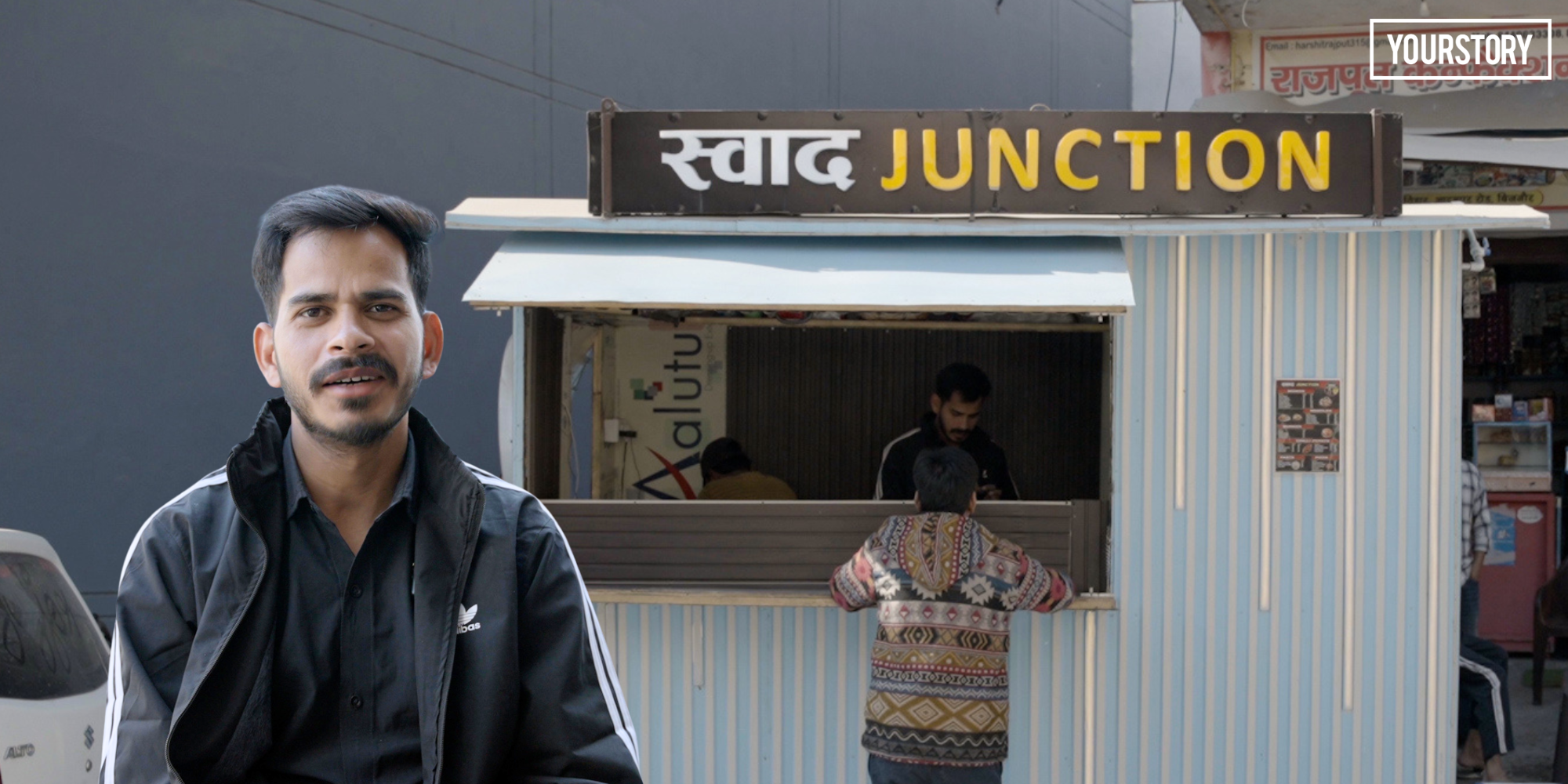

He had spent years around his father’s shop, helping out when needed, watching how daily trade worked and how customers returned for simple, reliable service. That exposure, he says, made him want to run something of his own alongside the family’s work rather than look for a job elsewhere.
Rajput, a resident of Bijnor, completed his graduation in commerce and also trained through ITI. He did not take up salaried employment, choosing instead to stay close to home and support his father’s shop.
Over time, he began thinking about starting a small business that could operate in the same area, allowing him to manage both responsibilities without splitting his day between two places.
Starting beside the family shop
The food cart Rajput eventually set up focuses on quick, familiar items such as momos, chowmein, burgers, spring rolls, chilli potato, and pizza. The operation is modest, with cooking and storage arranged inside the cart itself, including a refrigerator, oven, induction setup, gas cylinder, and basic chopping equipment. Rajput runs the cart with the help of one worker, who assists him throughout the day as a cook.
The decision to move ahead became concrete after discussions with his sister, Diksha, who guided him through the process of setting up the business and arranging finances. Support under Mukhyamantri Yuva Udyami Vikas Abhiyan (CM YUVA) Yojana helped him access a loan, which he says was processed without procedural difficulty.
He describes the scheme as enabling rather than transformative, providing initial backing while leaving day-to-day survival dependent on sales and discipline.
“I did face problems in the beginning, but when someone explains things step by step, the work becomes manageable,” he says, reflecting on the early phase.
Daily rhythms and small decisions
Rajput’s workday follows a steady rhythm. He reaches the cart early, checks stock requirements, and visits the local market himself to purchase vegetables and supplies based on a handwritten list prepared with his helper.
Food preparation begins around midday, with sales picking up from late afternoon until around 10 – 10.30 pm. He notes that momos are the most in-demand item, with customers responding to taste and affordability rather than novelty.
Pricing, he says, is kept deliberately modest, below prevailing local rates, to encourage repeat customers. His father continues to manage the original shop nearby, and Rajput moves between the two spaces as needed, balancing family obligations with his own venture.
Looking ahead with caution
At present, Rajput is focused on maintaining consistency rather than expanding quickly. He employs one person regularly and sees that as a responsibility that requires a stable income before any further plans are made.
While he acknowledges the role of CM Yuva Yojana in helping him begin, he frames the business as something sustained by daily effort rather than policy alone.
“Any business may be small or big, but it should be your own,” he says, encouraging others to consider self-employment without romanticising the process.
For Rajput, the journey from helping at his father’s shop to running a food cart of his own has been less about growth targets and more about stability. The early uncertainty, he notes, has gradually given way to predictable routines, familiar customers, and the quiet reassurance of earning a livelihood close to home.
Discover more from News Link360
Subscribe to get the latest posts sent to your email.