


Azamgarh: A neighbourhood playschool fills an early education gap
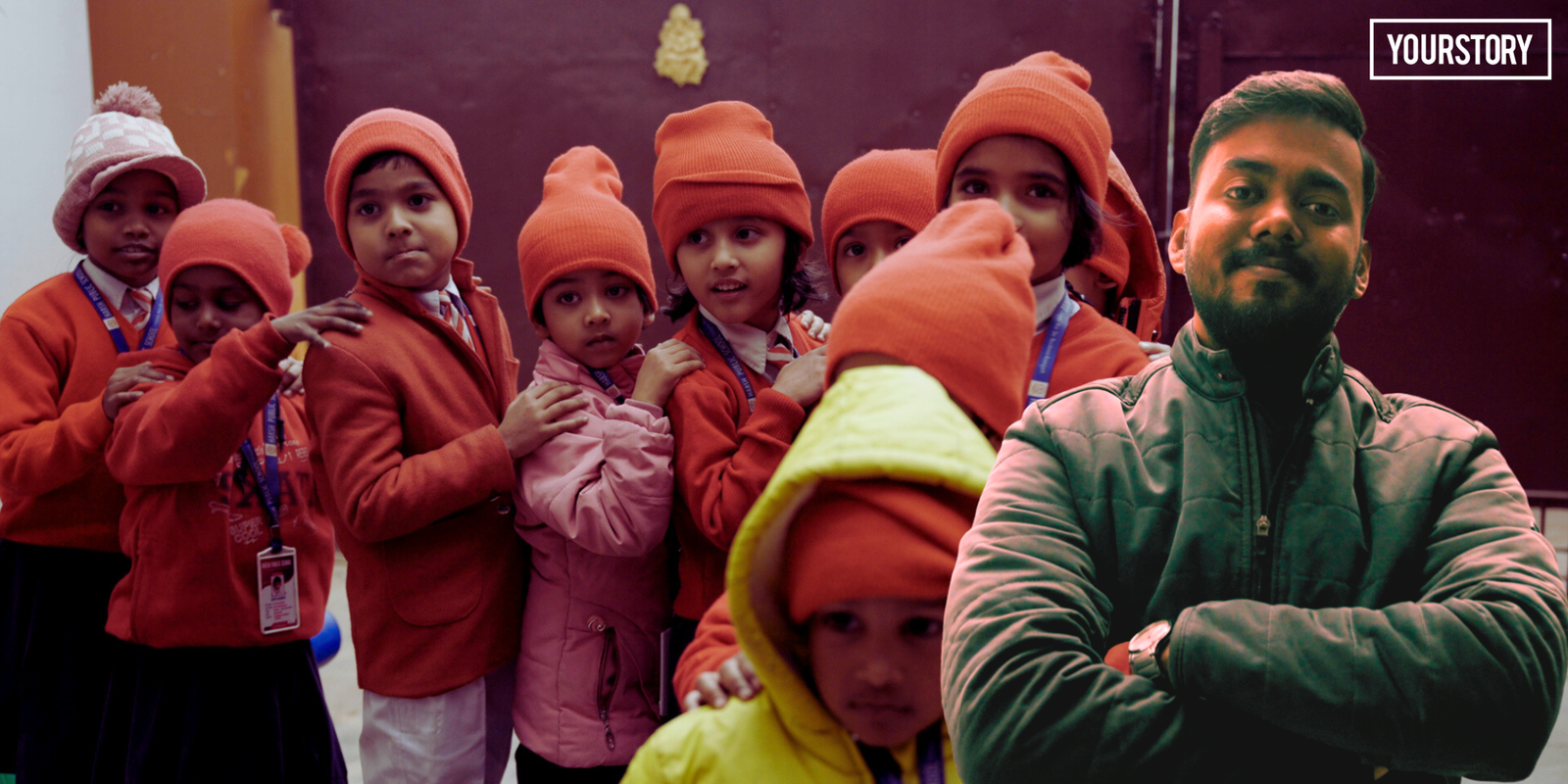
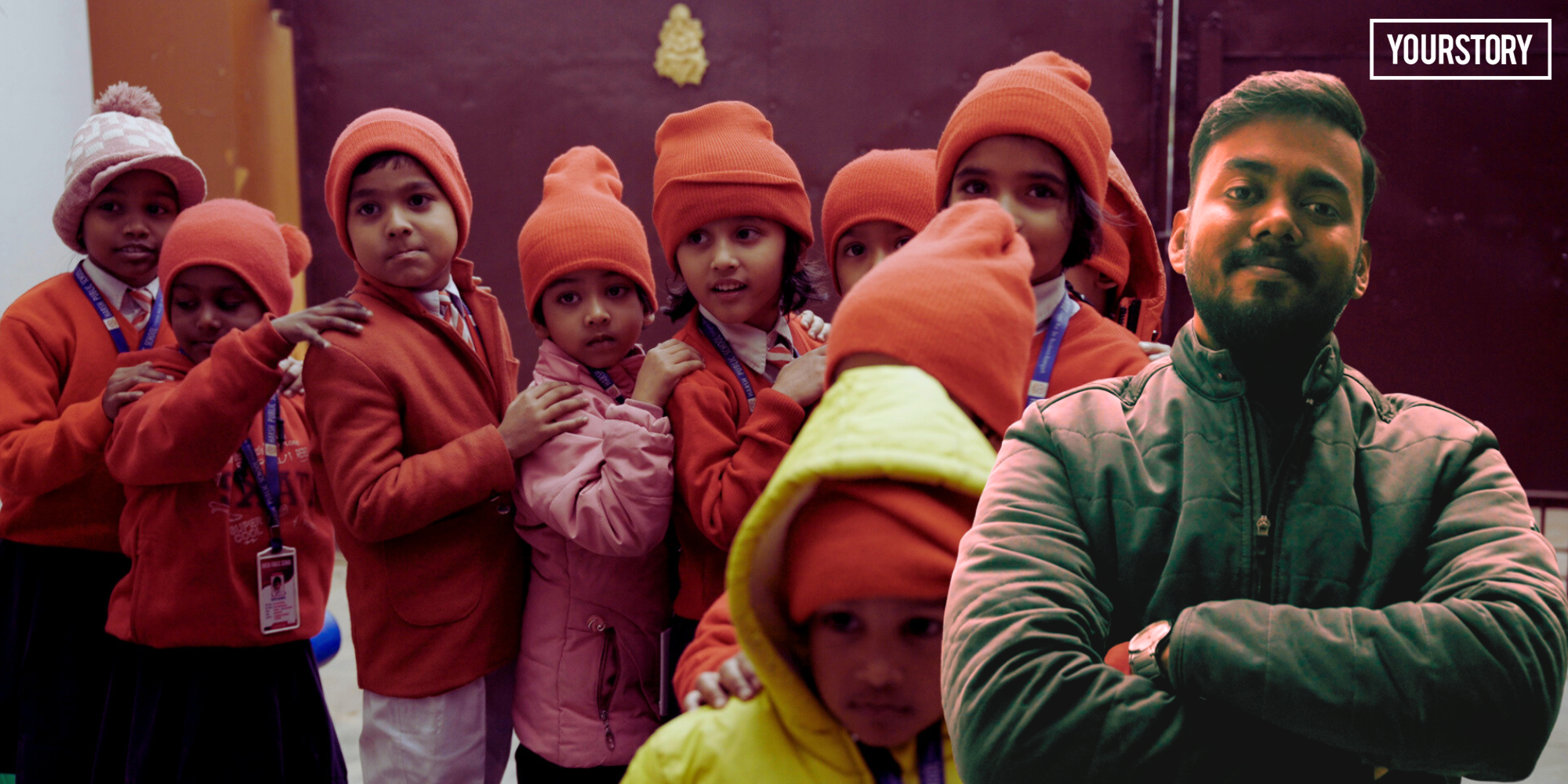

Seeing a gap, local resident Himanshu Shrivastava started Harsh Playschool six months ago to cater to young children at the pre-primary level, offering basic learning activities focused on behaviour, communication, and daily routines.
Operating from a modest setup, the school currently has 25 students. A team of four staff members supports daily activities, from classroom sessions to supervision during play and meals.
The work is local in scale and rooted in the needs of nearby families rather than any wider network.
From job search to self-employment
Before starting the playschool, Shrivastava spent months searching for work. He recalls moving from place to place in the hope of finding a job, with little success.
The idea of starting something on his own came gradually, shaped by what he heard in news reports and conversations around him about government-backed support for young entrepreneurs.
He applied under the Mukhyamantri Yuva Udyami Vikas Abhiyan (CM YUVA) Yojana, which he believes is a great way to create a livelihood rather than continue waiting for employment.
The approval process moved quickly, allowing him to set up the school and arrange basic infrastructure. The scheme functioned as initial support, while the responsibility of running the unit and attracting parents rested entirely on him.
Building a first-of-its-kind service
There was no playschool in the immediate area before this. Most families either kept children at home or sent them farther away once they were older. Shrivastava felt that early schooling could help children learn simple habits that are difficult to teach later, such as sitting together, listening, and interacting with others.
“School is one of the few spaces where society can change gradually, because children learn how to behave with others from a very early age,” he says.
The daily routine at the playschool is simple. Teachers guide children through basic activities, supervised play, and regular breaks. Meals are managed with staff support, and toys and play equipment are used to keep children engaged. Over time, small improvements have been added, including plans for better monitoring and classroom facilities.
Looking ahead with caution
Shrivastava hopes to extend the number of classes in the coming sessions, depending on enrolment and demand.
Any expansion, he says, will be gradual and tied to what the neighbourhood can sustain. For now, the focus remains on running the school steadily and maintaining trust among parents.
The journey from an uncertain job search to running a local playschool has not been dramatic or sudden. It has been shaped by limited options, a small opening created by CM Yuva Yojana support, and daily effort to keep the unit functioning.
In a locality that once lacked early education facilities altogether, the school now represents a modest but stable source of work and a service that fits into everyday village life.
Discover more from News Link360
Subscribe to get the latest posts sent to your email.