

Free-Trade Agreement with the EU is for ambitious India: PM Modi
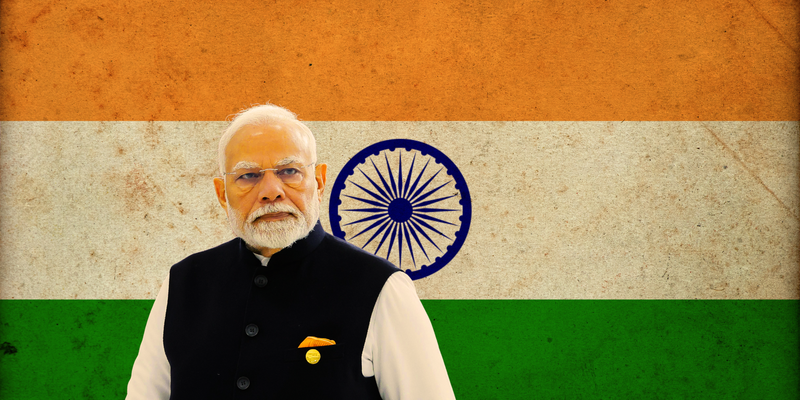


Modi also said that the nation is coming out of long-term pending problems and working towards long-term solutions.
The time has come to find solutions and not create hurdles, he said, adding his government is not confined to just files but ensuring the last-mile delivery of welfare schemes to the people.
“Our priority is always human-centric while taking steps for all-round development of the country,” he told reporters in Parliament House complex in his customary briefing at the beginning of the Budget session.
An India full of confidence has emerged as a ray of hope for the world, he added.
Modi said the Free Trade Agreement (FTA) with the EU is for an ambitious India and urged manufacturers to benefit from new markets opening for them.
“A new market has opened up. It offers quality products to 27 EU member nations,” he said in an appeal to manufacturers.
India and the European Union on Tuesday announced the conclusion of negotiations for the FTA, described as ‘mother of all deals’, under which 93% of Indian shipments will enjoy duty-free access to the 27-nation bloc, while import of luxury cars and wines from the EU will become less expensive.
The deal, concluded after negotiations spanning about two decades, will create a market of about 2 billion people across the world’s fourth-largest economy, India, and the second-largest economic bloc, the EU.
Referring to President Droupadi Murmu’s address to the joint sitting of both Houses of Parliament on Wednesday, he said it was an expression of confidence of 140 crore citizens and outlined the aspirations of the youth.
He also noted that Finance Minister Nirmala Sitharaman will table her ninth consecutive budget on Sunday, and that she is the only woman finance minister in the country to achieve such a significant feat.
“This is a very glorious chapter of Indian democracy,” he added.
Industry experts, founders, and investors across different sectors shared their expectations for the upcoming Union Budget. For the space sector, the industry seeks procurement mandates and critical infrastructure status. They advocate for regulatory speed and mission-linked risk-sharing to foster a sustainable and globally competitive ecosystem. Meanwhile, the AI sector is seeking structural support through predictable public compute, data centre tax relief, power certainty, centralised cyber resilience, government procurement, regulatory clarity, and large-scale AI upskilling.
(With inputs from PTI)
Discover more from News Link360
Subscribe to get the latest posts sent to your email.