


How Indian startups can build a unique brand that scales

You launched months ago. The product works. The website looks professional. Ads are running. Content is going out daily. Still, customers struggle to remember you. Meanwhile, a competitor with an average product and unclear messaging is outselling you.
This is not a product problem. It is a brand problem.
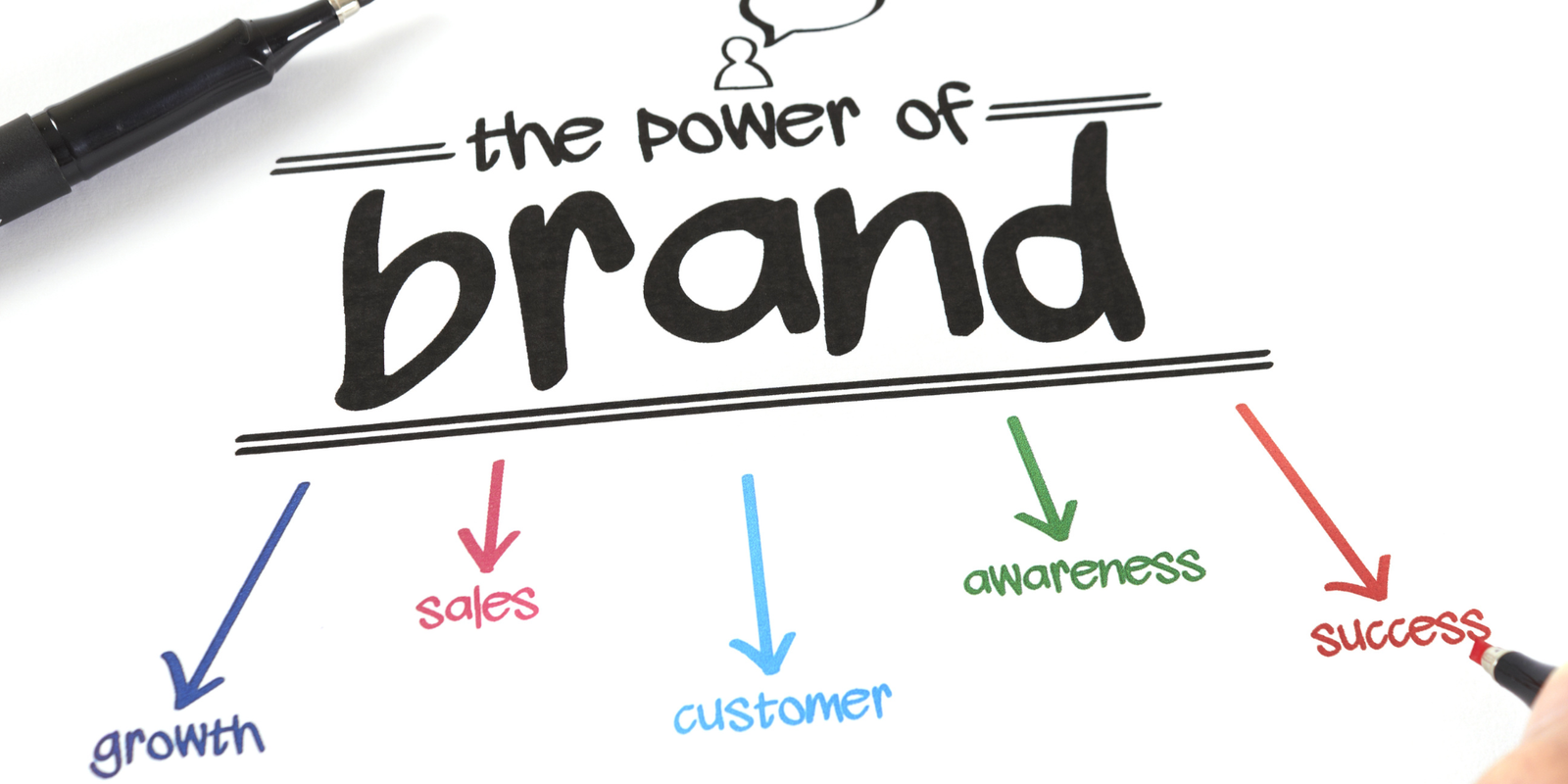
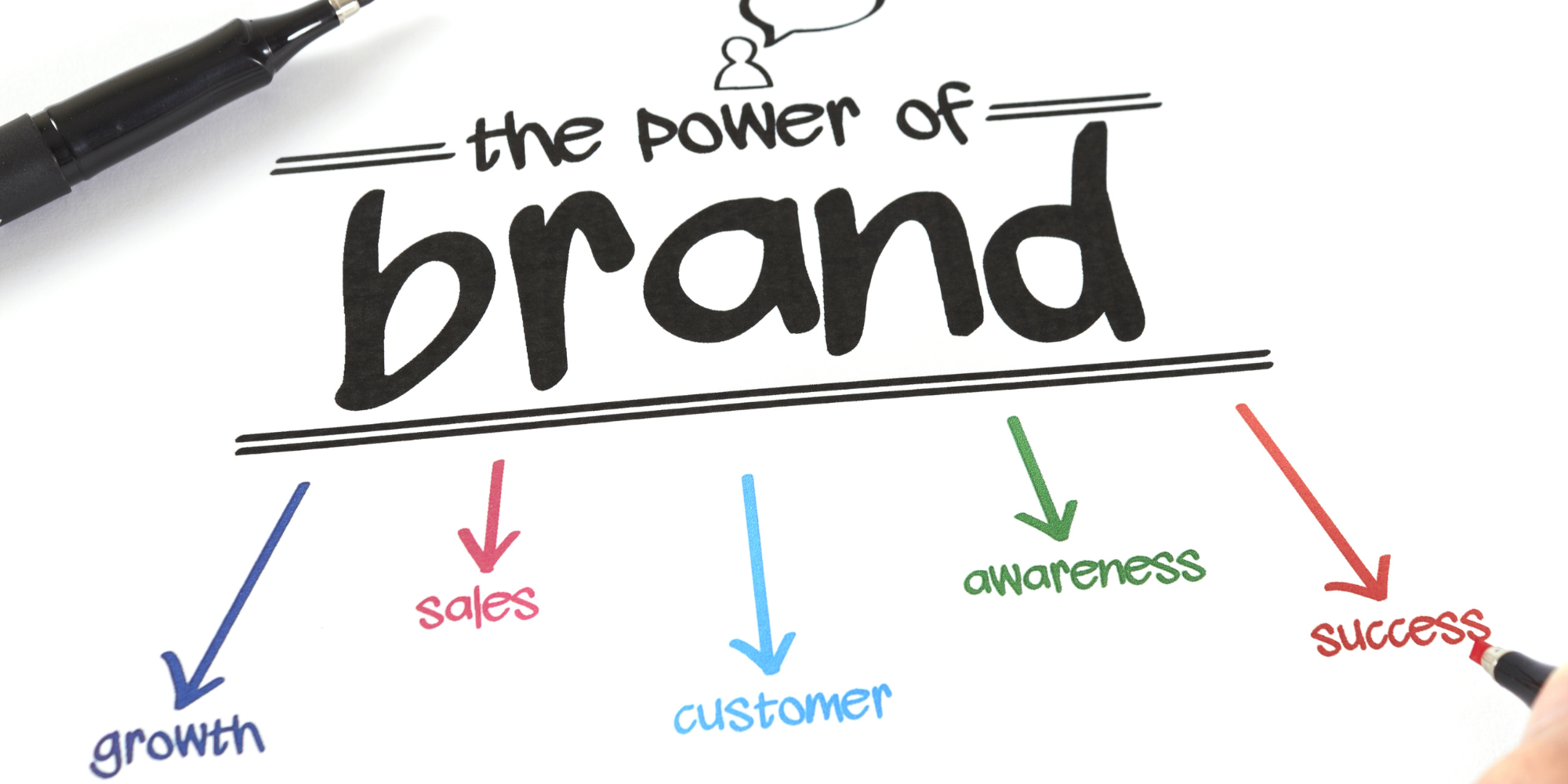
In India’s crowded startup ecosystem, where hundreds of new brands launch every month and most categories are filled with lookalikes, brand is not decoration. It is survival. A brand is the mental shortcut that makes people choose you without thinking twice.
Why brand matters more in India than most markets
Indian consumers do not always choose the best product. They choose the product they understand, remember, and trust. A weak brand leads to constant discounting, high customer acquisition costs, poor influencer performance, and stalled growth the moment paid marketing stops.
A strong brand compounds over time. When brand is done right:
- Customers return 2 to 3 times more often
- Customer acquisition cost reduces over time
- Brands can charge 20 to 40% more than generic alternatives
- New products launch faster due to existing trust
Brand building works like compounding interest. Results feel slow in the first year, then accelerate sharply after 12 to 18 months
What is a unique brand?
Most Indian brands copy what already exists. Same colour palettes. Same fonts. Same influencer strategy. Same “we care about quality” messaging. A unique brand does not come from copying global aesthetics. It stems from a deep understanding of Indian consumers—their language, context, constraints, and aspirations.
A brand is what people say about you when you are not in the room. If that answer is vague, your brand is weak.
The CIVS framework for building a strong brand
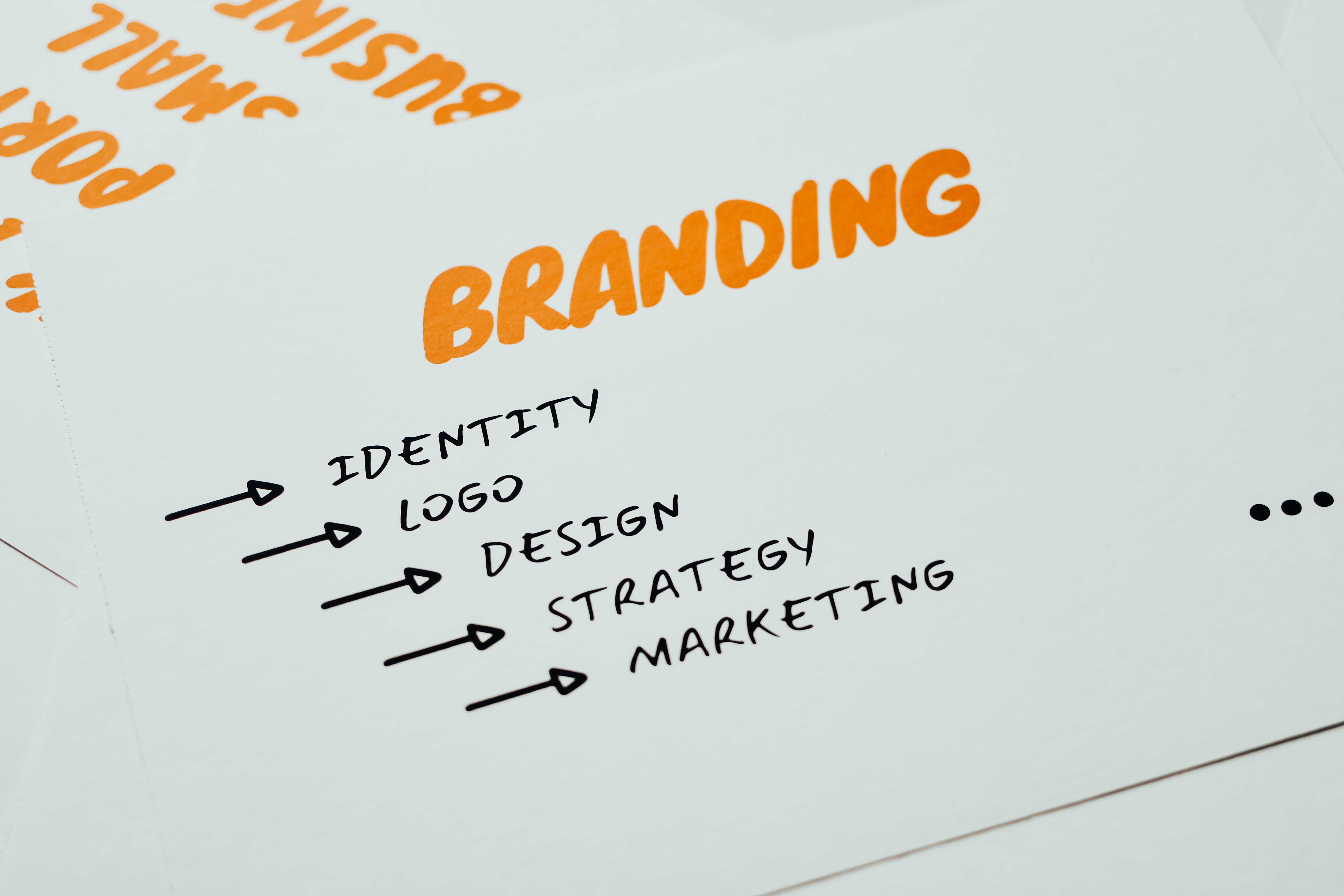
The guide introduces the CIVS framework, a four-part system used to build brands that scale.
Clarity: Who you are
Clarity comes before creativity. Founders must be able to answer:
- What problem do we exist to solve
- Who exactly are we solving it for
- What promise do we make
- What values will we never compromise on
In India, clarity beats cleverness. Consumers reward brands that explain themselves simply and feel relevant.
Identity: What makes you different
Identity defines your lane. It includes:
- Your niche and audience
- Your unique value proposition
- Your category or sub-category
- Your unfair advantage, whether product, supply chain, content, or community
A useful positioning template is: We help [specific audience] solve [specific problem] through [unique approach], unlike [what others do]. If your positioning works for a competitor too, it is not strong enough.
Voice: How you sound
Voice is how people experience you every day. In captions, packaging, emails, and replies to DMs. Founders must decide:
- Playful or serious
- Premium or approachable
- English, Hinglish, or regional language
- Aspiration-led or logic-led
Distinct brands sound recognisable even without their logo. Flat brands disappear into the feed.
System: How you show up consistently
Logos can be copied. Systems cannot. A brand system includes:
- Repeatable visual elements
- Signature phrases or taglines
- Recurring content formats
- Packaging and customer support tone
- Website layout rhythm and CTAs
Distinctiveness plus consistency plus repetition is what builds recall and trust at scale
Positioning that makes you memorable
Strong brands do not try to appeal to everyone. Here’s how clarity changes perception:
- From “premium skincare for everyone” to “dermatologist-led skincare for Indian skin and climate”
- From “digital marketing agency” to “hyperlocal performance marketing for tier-2 and tier-3 India”
A useful test is simple. Can someone remember you three days after seeing your ad. If not, your positioning needs work.
Scaling beyond metro cities
Scaling in India requires understanding non-metro markets. Tier-2 and tier-3 consumers behave differently from metro audiences. Cash on delivery remains dominant, regional language content builds significantly higher trust, and WhatsApp often outperforms email for retention. Local influencers with smaller but engaged audiences frequently deliver better results than national celebrities. Brands that localise early scale faster and more sustainably.
Turning brand into revenue and scale
Brand is not just about vibe. It directly impacts revenue. Here are multiple growth paths:
- Entry products at Rs 499 to Rs 799 that introduce the brand
- Mid-ticket kits between Rs 2,999 and Rs 4,999
- Premium subscriptions or services above Rs 10,000
For creators and service businesses, free content builds trust, which converts into paid workshops, retainers, and premium offerings. If your average order value is Rs 1,500, you need roughly 23 orders a day to reach Rs 1 crore a year. A trusted brand makes those daily decisions easier.
.thumbnailWrapper{
width:6.62rem !important;
}
.alsoReadTitleImage{
min-width: 81px !important;
min-height: 81px !important;
}
.alsoReadMainTitleText{
font-size: 14px !important;
line-height: 20px !important;
}
.alsoReadHeadText{
font-size: 24px !important;
line-height: 20px !important;
}
}

Common mistakes that kill brands early
Several mistakes repeatedly hold founders back. Copying aesthetics without strategy leads to confusion. Changing direction frequently prevents recognition. Trying to appeal to everyone weakens positioning.
Launching without clarity forces reliance on discounts. Ignoring operations damages trust faster than marketing can repair. Chasing short-term visibility over long-term consistency remains one of the most common reasons brands fail to scale.
Building a brand that lasts
A scalable brand in India is built on cultural relevance, digital execution, and operational discipline. You do not need a 60-page brand book. You need clarity, simple guardrails, and the discipline to repeat them everywhere.
If you get your brand right, every growth lever you pull starts working harder. If you want the complete step-by-step framework, examples, and the 90-day brand action plan, click here to access the full how-to guide.
Discover more from News Link360
Subscribe to get the latest posts sent to your email.