

In Kanpur district, a small mushroom unit runs on controlled temperatures and trial
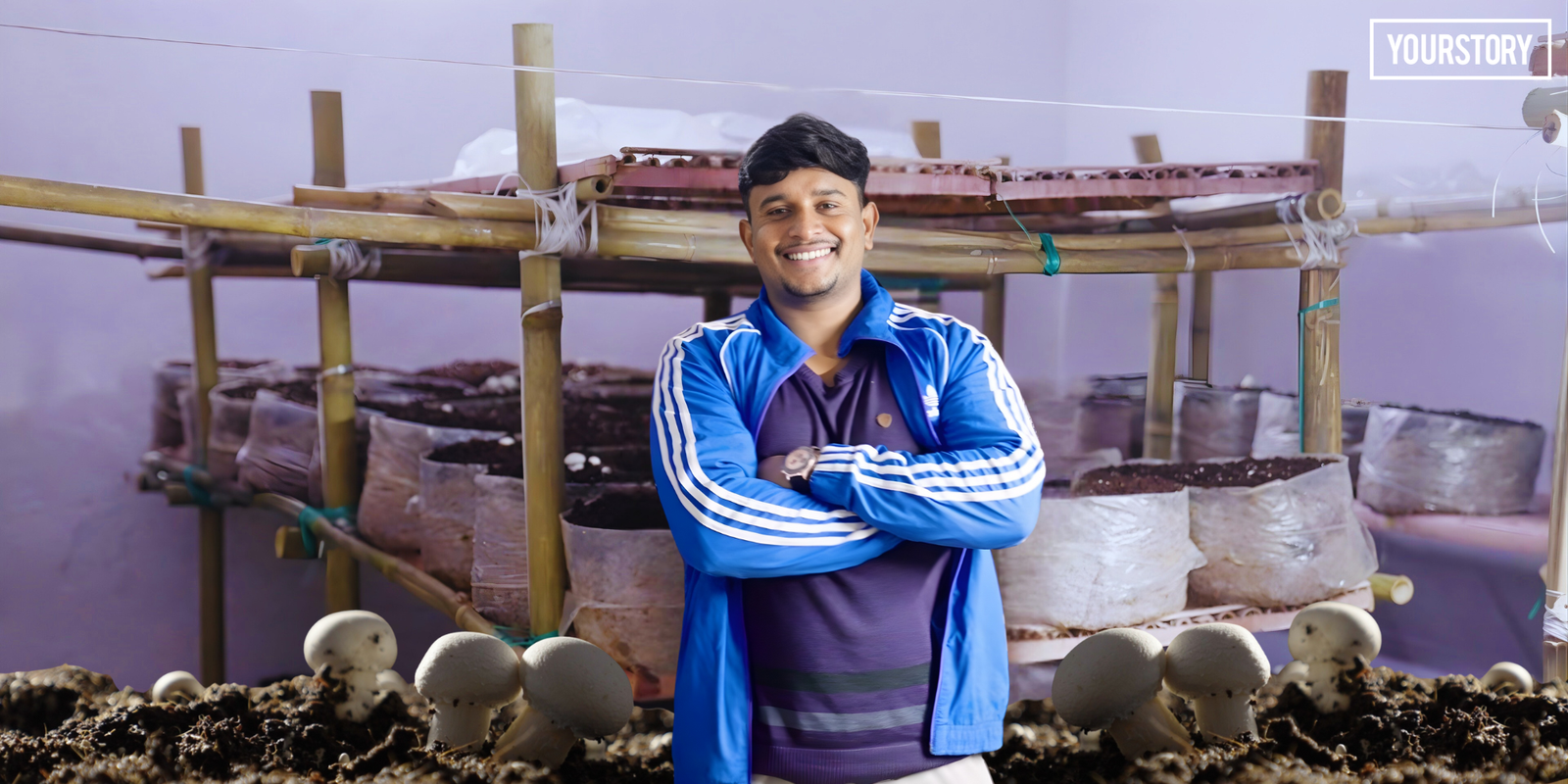
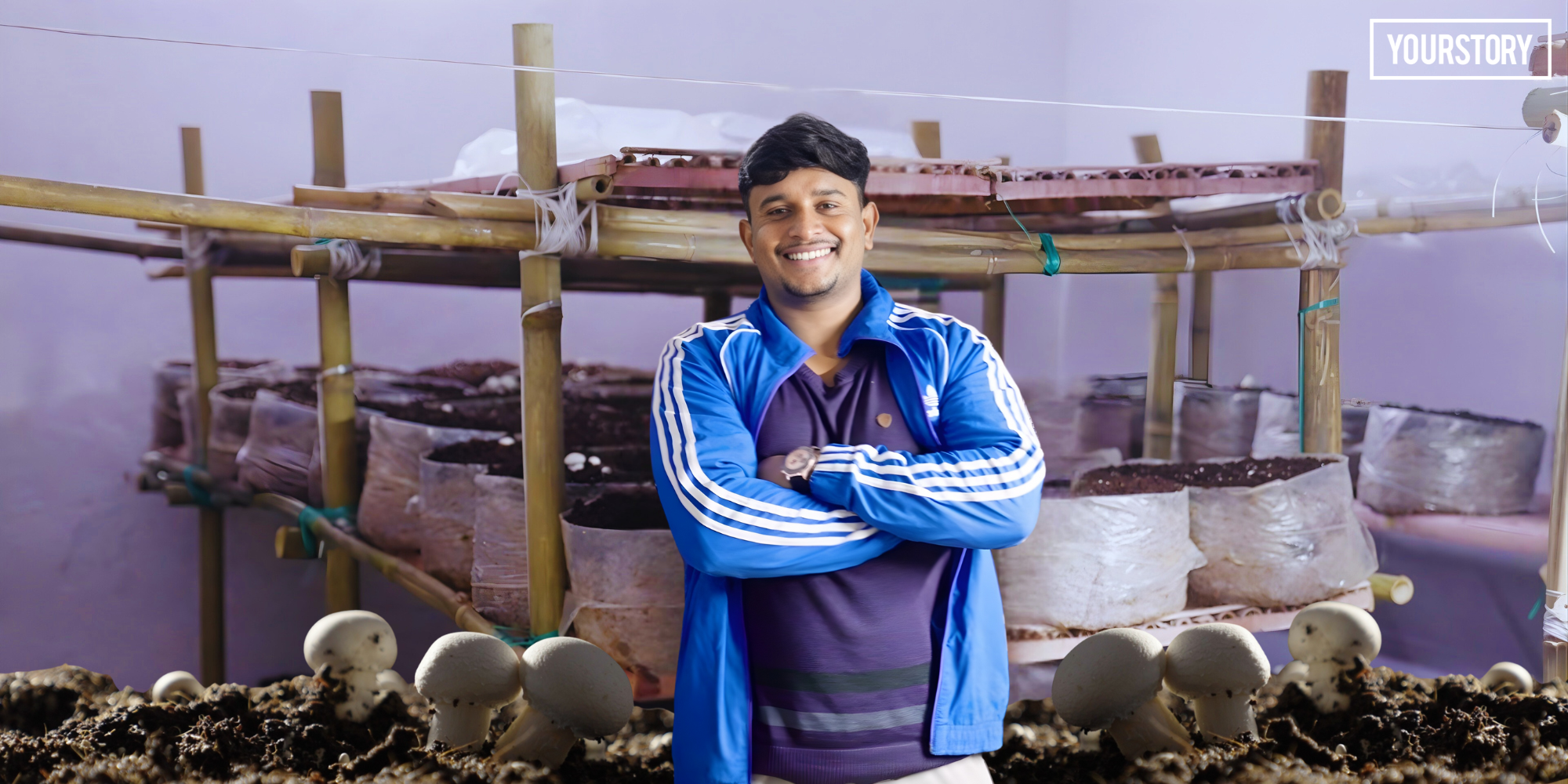

The unit follows a defined process—prepared compost is filled into bags, mixed with spawn, and moved into an air-conditioned chamber where the temperature is first held steady to allow the mycelium to spread.
A controlled drop in temperature and careful layering triggers pin formation, followed by harvests that continue in multiple flushes over several days. Throughout the cycle, air circulation, humidity, and carbon dioxide levels are monitored to keep conditions stable.
Button mushrooms are grown primarily for the table market, and Shukla limits his work to this variety for now, even though he is familiar with others, such as oyster and medicinal mushrooms. “This crop needs precision more than land,” he explains, noting that artificial control allows consistent output even as weather patterns shift.
From software screens to growing chambers
Before moving into agriculture, Shukla worked as a frontend software developer, building skills in web technologies and holding a regular job. The shift was gradual rather than abrupt. While training at an agriculture college in Kanpur, he learned seasonal mushroom cultivation, but he was more interested in whether the same crop could be grown independently of weather conditions.
That curiosity led to months of trials, adjustments, and failed batches as he experimented with temperature ranges, humidity control, and airflow. For nearly six months, the results were uneven, and progress came slowly. By the seventh month, the system began to stabilise, and yields became predictable enough to continue.
The move from software to farming was driven by practical concerns. Shukla observed rising chemical use in vegetables, shrinking land availability, and changing consumption habits, and felt that controlled, indoor farming offered a viable alternative for small operators without large fields.
Support and steady footing
The initial setup was funded from personal savings, but as costs grew, Shukla sought formal backing and enrolled under the Mukhyamantri Yuva Udyami Vikas Abhiyan (CM YUVA) Yojana. With assistance from local officials, he completed documentation, bank visits, and verification, which helped him secure working capital and stabilise operations. He says the CM Yuva Yojana functioned as backup support rather than direction, allowing him to focus on refining the production process.
As the unit settled into routine cycles, Shukla added a small team to handle daily tasks, sharing the workload while ensuring continuity. The change has brought regularity to both income and schedule, replacing the uncertainty of the early trial phase.
Looking back, Shukla sees the transition less as a dramatic leap and more as a series of careful adjustments. What began as experimentation inside a single room has now become steady work, grounded in patience, learning, and the confidence that comes from finally finding balance after a difficult start.
Discover more from News Link360
Subscribe to get the latest posts sent to your email.