



Inside the Craft Economy of Varanasi’s Gulabi Meenakari
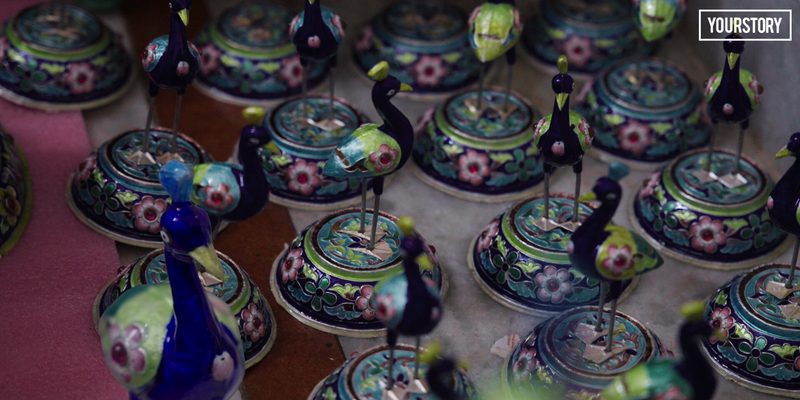
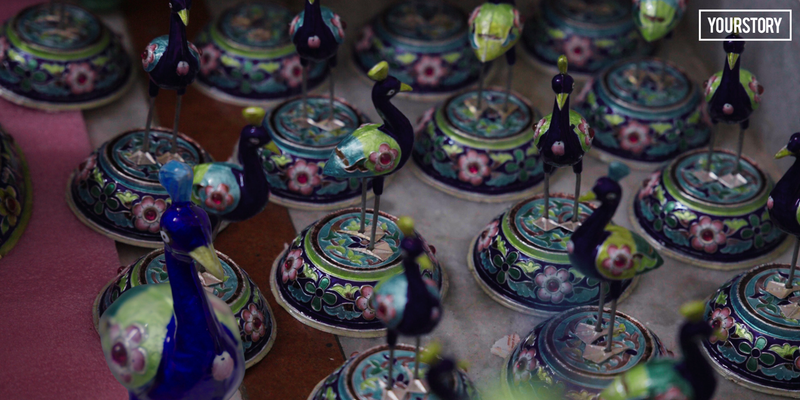

In Varanasi, gulabi meenakari—the city’s distinctive pink enamel art—remains one of its most refined handicrafts. Executed on silver or gold, this luminous craft appears in jewellery, devotional idols, ceremonial objects, and curated gifts. Beyond its ornamental value, it sustains a deeply specialised artisan network.
Each piece passes through multiple skilled hands—designers, engravers, enamellers, stone setters, and polishers. Mastery comes through repetition, patience, and close attention to temperature and layering.
National awardee Kunj Bihari Singh is one of the few artisans in this ecosystem. Reflecting on the craft, he says,
“Gulabi meenakari is not just decoration; it is discipline. Every colour layer must settle perfectly into the metal. If your focus shifts even slightly, the surface changes.”
Origins and Identity
Meenakari is believed to have travelled to India centuries ago from Persia. In Varanasi, it evolved into gulabi meenakari, defined by its signature pink enamel traditionally developed using gold oxide. Fired at high temperatures, the colour fuses into the metal rather than resting on top.
Singh explains,
“In Banaras, we allow colour to breathe. The pink spreads across the form, giving richness. It is not minimal work—it is expressive.”
Over generations, artisans moved beyond geometric patterns toward floral, devotional, and ceremonial motifs that reflect the city’s aesthetic preferences. Today, Varanasi’s gulabi meenakari holds a GI tag, reinforcing its regional identity.
Process and Precision
The making begins with shaping precious metal, followed by engraving that prepares cavities for enamel. Powdered colours derived from metal oxides are carefully filled and fired. The process may be repeated multiple times to achieve depth and translucence. Stones, pearls, or beadwork may be added before final polishing.
According to Singh,
“The real test of quality is in the finish. The shine should last, and the enamel should never crack. That depends on temperature control and patience.”
Through platforms such as the One District One Product (ODOP) initiative, wider exhibitions and buyer access have introduced newer audiences to the craft. Yet challenges persist—rising material costs and engaging younger artisans.
Still, demand continues across weddings, temples, and gifting. For Singh, the reason is simple:
“Markets change, but handmade value does not. As long as people seek something crafted with care, gulabi meenakari will endure.”
Discover more from News Link360
Subscribe to get the latest posts sent to your email.