


A decade of creativity: how Museum of Goa showcases art across generations
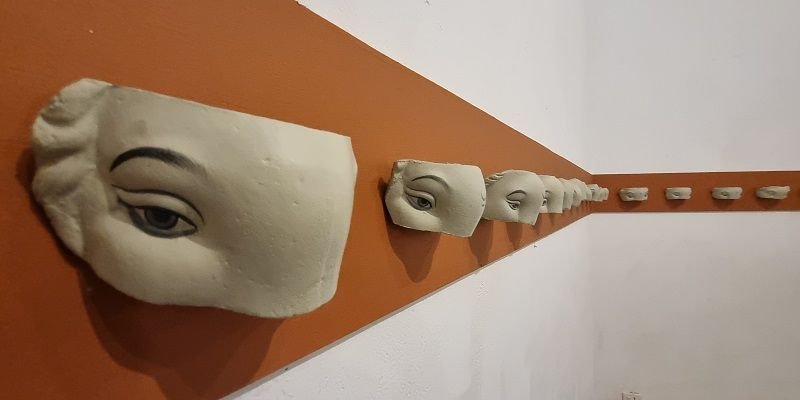
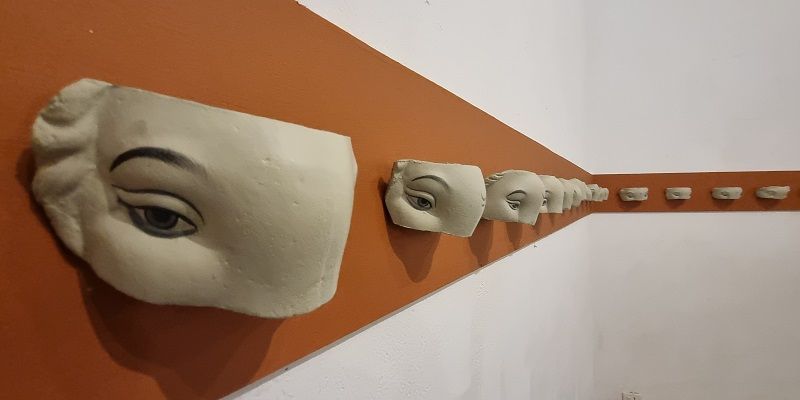

Established in 2015, the Museum of Goa (MOG) has been a platform for artistic expression and innovation. Over the years, it has worked with over 500 artists from around the world (see our coverage of earlier exhibitions at the museum here).
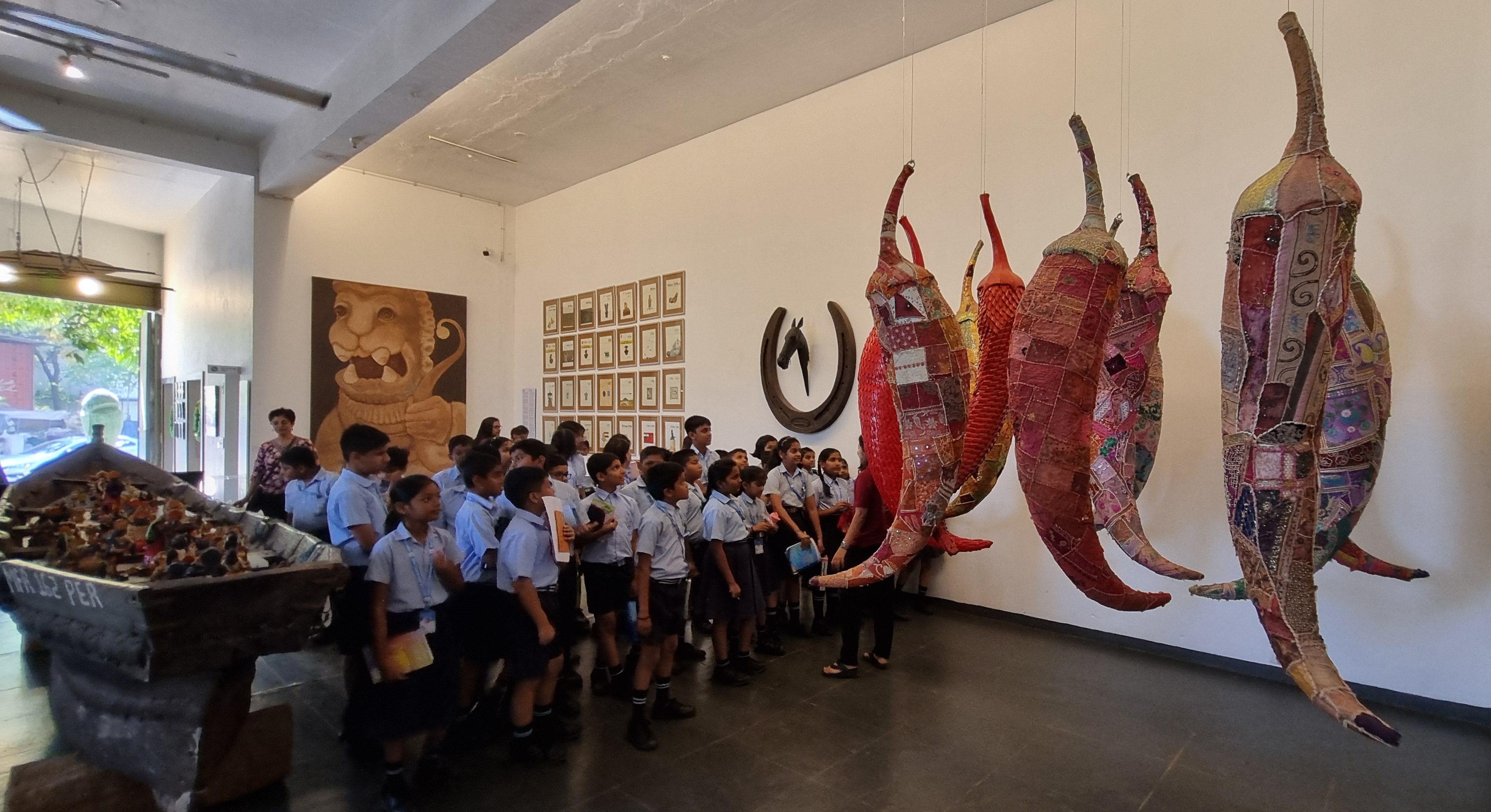
It has hosted more than 600 exhibitions and events. Each year, the museum attracts around 70,000 visitors, including tourists and over 12,000 students from Goan schools.
.thumbnailWrapper{
width:6.62rem !important;
}
.alsoReadTitleImage{
min-width: 81px !important;
min-height: 81px !important;
}
.alsoReadMainTitleText{
font-size: 14px !important;
line-height: 20px !important;
}
.alsoReadHeadText{
font-size: 24px !important;
line-height: 20px !important;
}
}

“This provides museum visitors a unique opportunity for people to engage with Goa’s history and culture through art,” museum director Sharada Kerkar tells YourStory.
Museums play a vital role in society by preserving cultural heritage, fostering understanding, and providing spaces where learning extends beyond formal classrooms. They act as guardians of history, art, science, and collective memory, ensuring that knowledge and traditions are not lost over time.
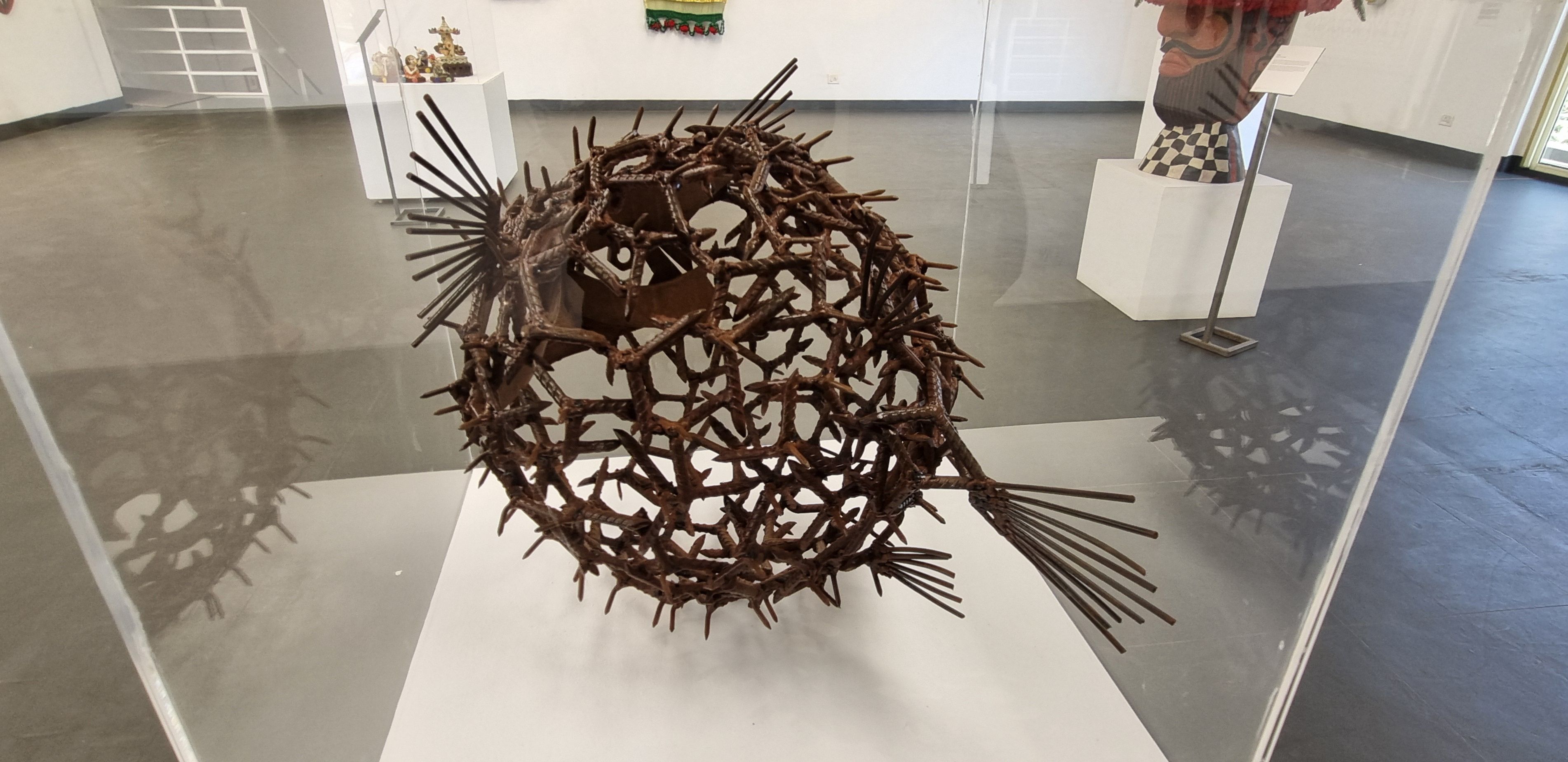
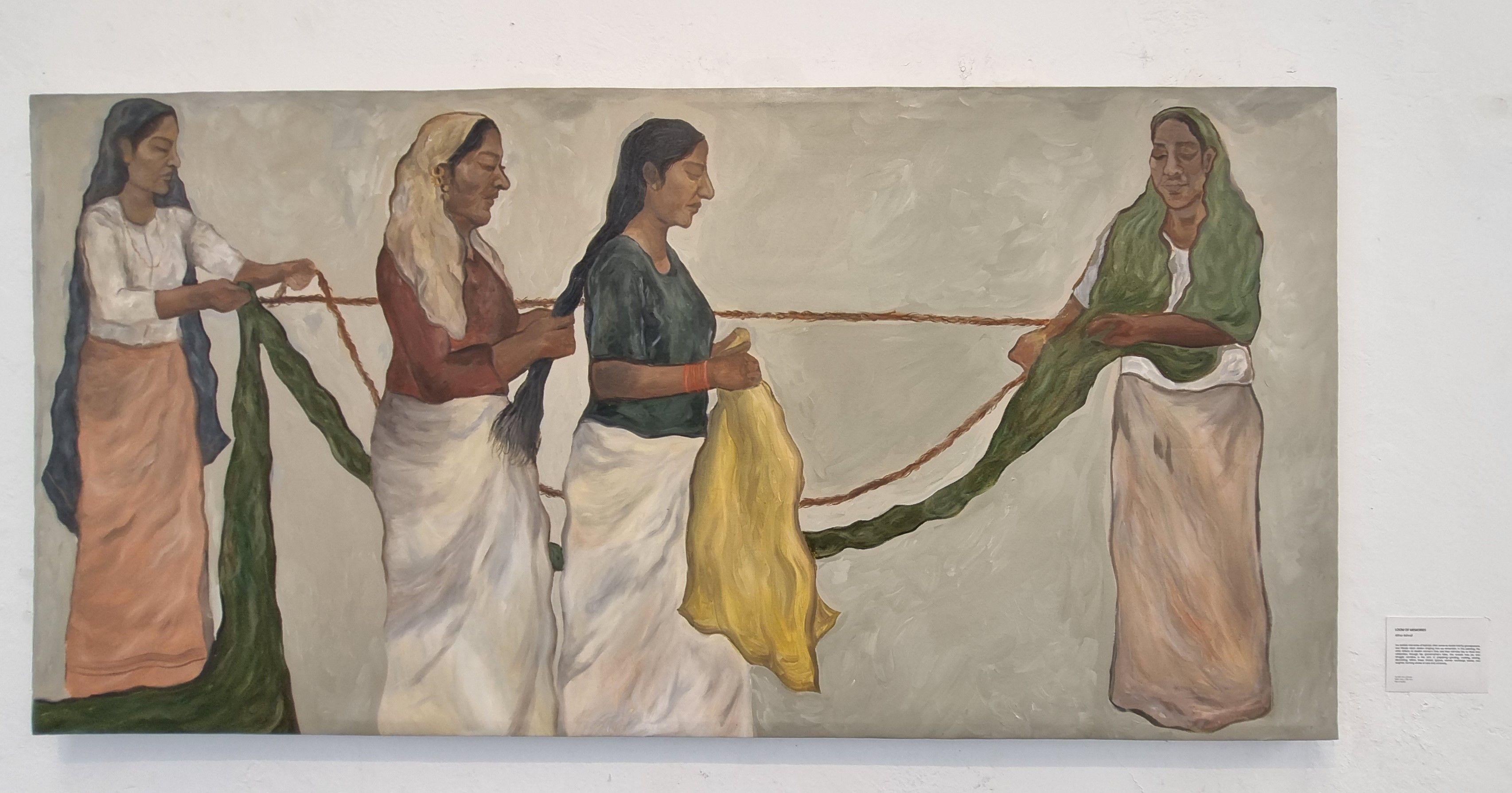
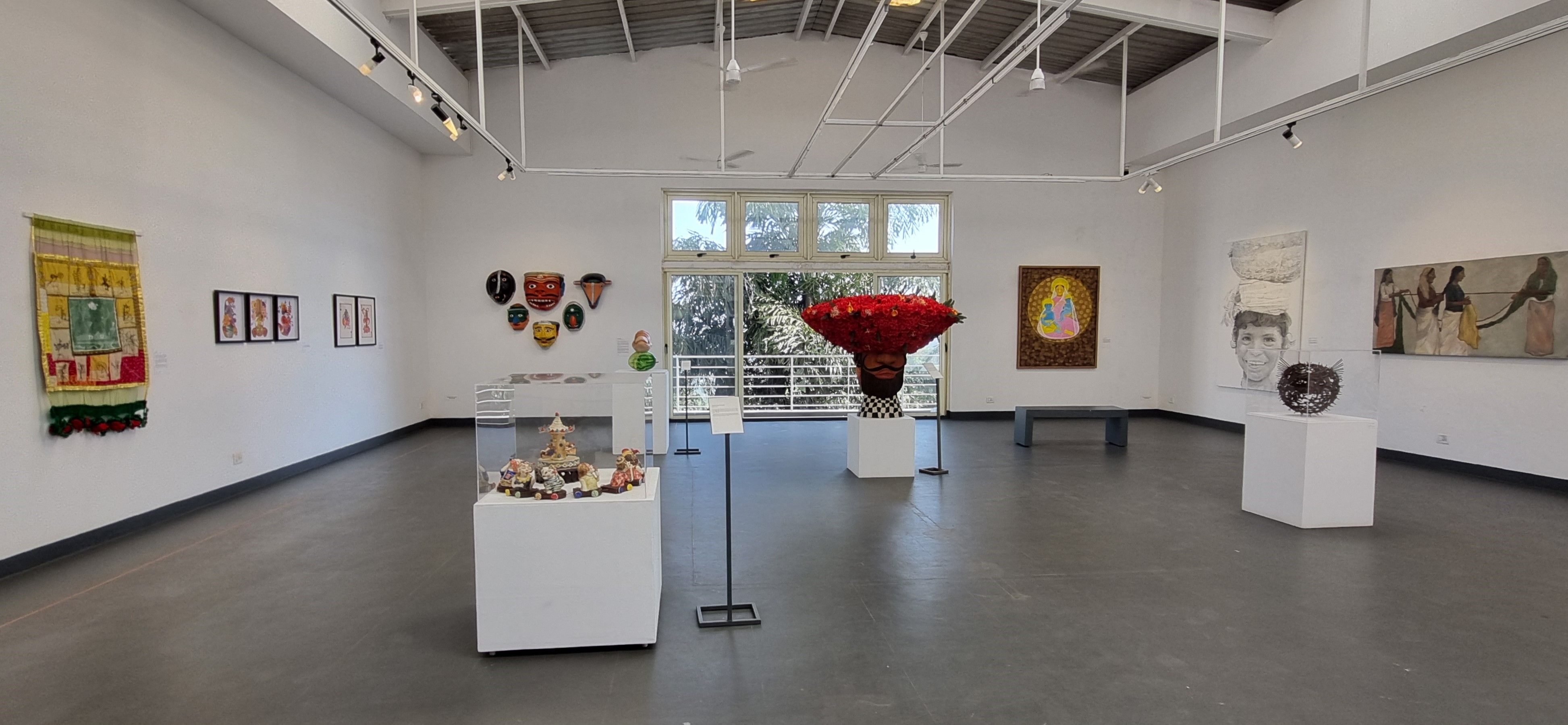
MoG is hosting three exhibitions on cultural celebrations and community stories: Festivals of Goa, Side by Side, and Festivals as Playgrounds. They constitute a significant milestone in the museum’s journey, marking its 10th anniversary celebrations.
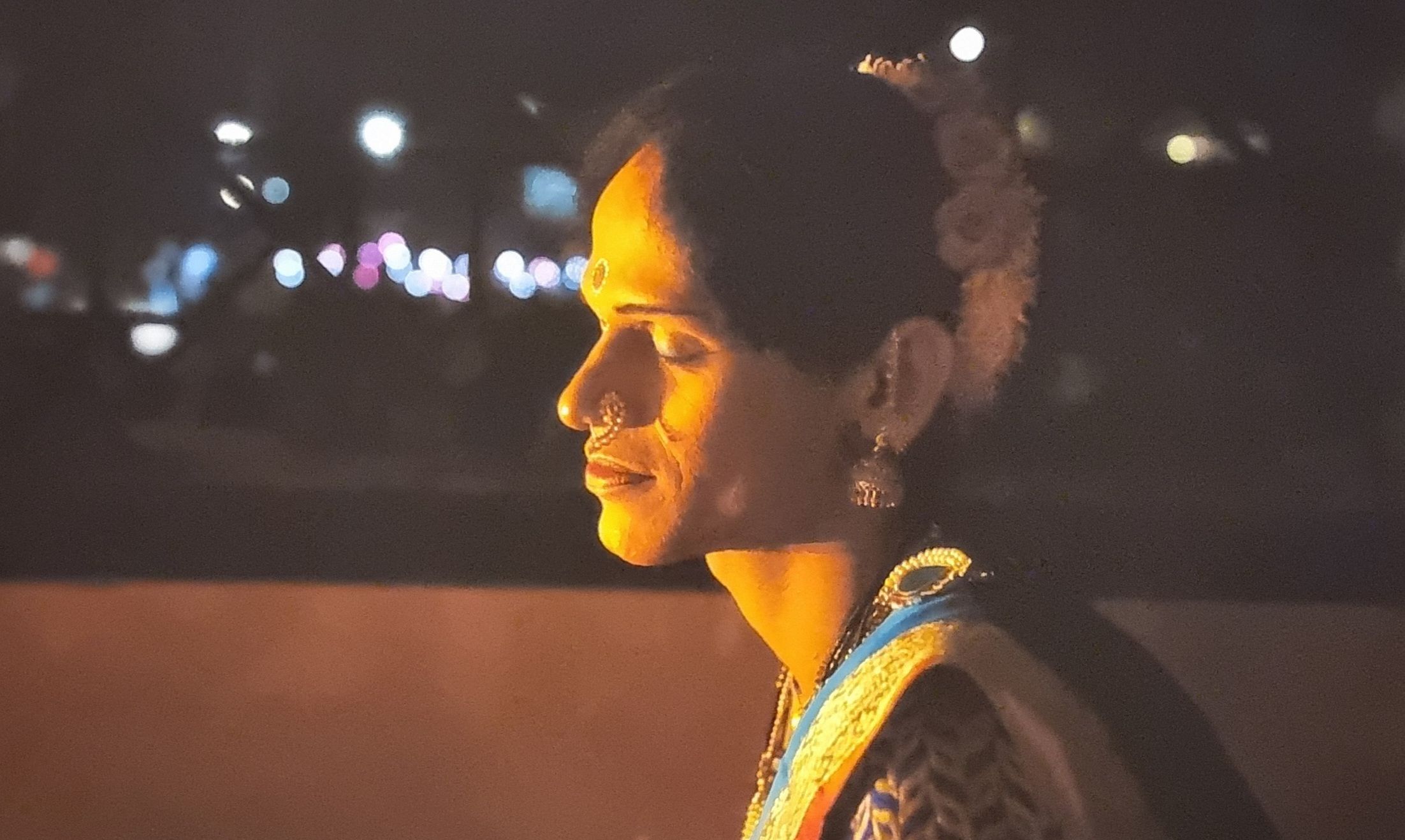
“Goa’s festivals, shaped by the various religious regimes and regional history, do not offer a single culture but a mosaic of many. They remind us that coexistence is not just about tolerance, but about participation and continuity,” Kerkar adds.
She cites the work of French sociologist, Emile Durkheim, who sees feasts and festivals as an ‘effervescence’, the intensity of which cements the solidarity of a group. They are a representation of the invisible relationships between humans and the laws of nature, an institution whereby the bonds between the members of a society are maintained, regenerated and reproduced.
By collecting, conserving, and exhibiting objects of significance, museums help societies understand their past, reflect on their present, and imagine their future. In doing so, they strengthen cultural identity and promote respect for diversity by showcasing different perspectives, stories, and achievements from around the region and beyond.
.thumbnailWrapper{
width:6.62rem !important;
}
.alsoReadTitleImage{
min-width: 81px !important;
min-height: 81px !important;
}
.alsoReadMainTitleText{
font-size: 14px !important;
line-height: 20px !important;
}
.alsoReadHeadText{
font-size: 24px !important;
line-height: 20px !important;
}
}
Participating artists in the first exhibition include Khushi Desai, Leticia Alvares, Martin Sailor, Mayuri Chari, Pandurang Naik, Puru Mehra, Rahul Popaniya, Rohan Aland, Santhosh Morajkar, Shaheen Suri, and Shailesh Dabholkar.
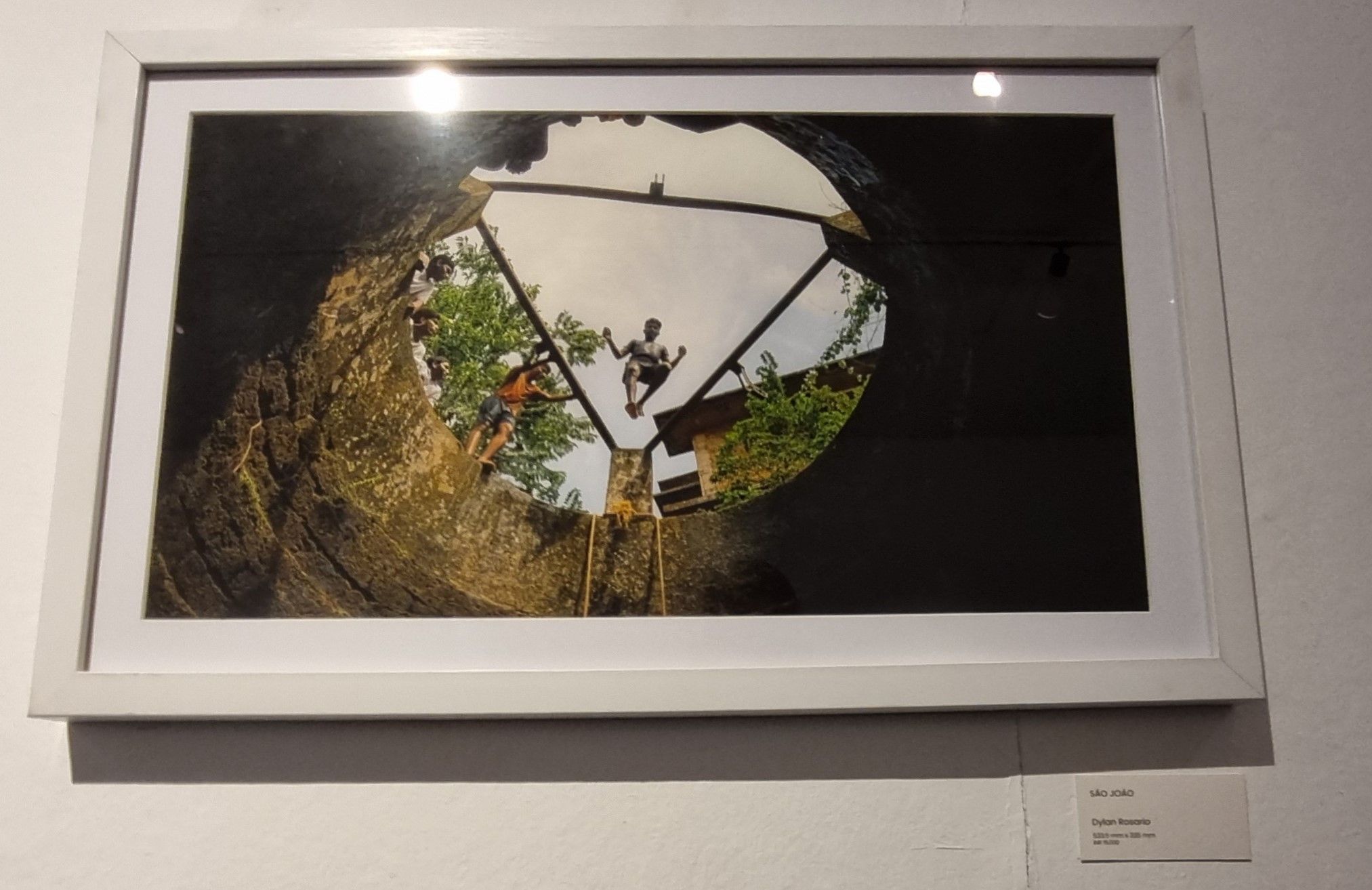
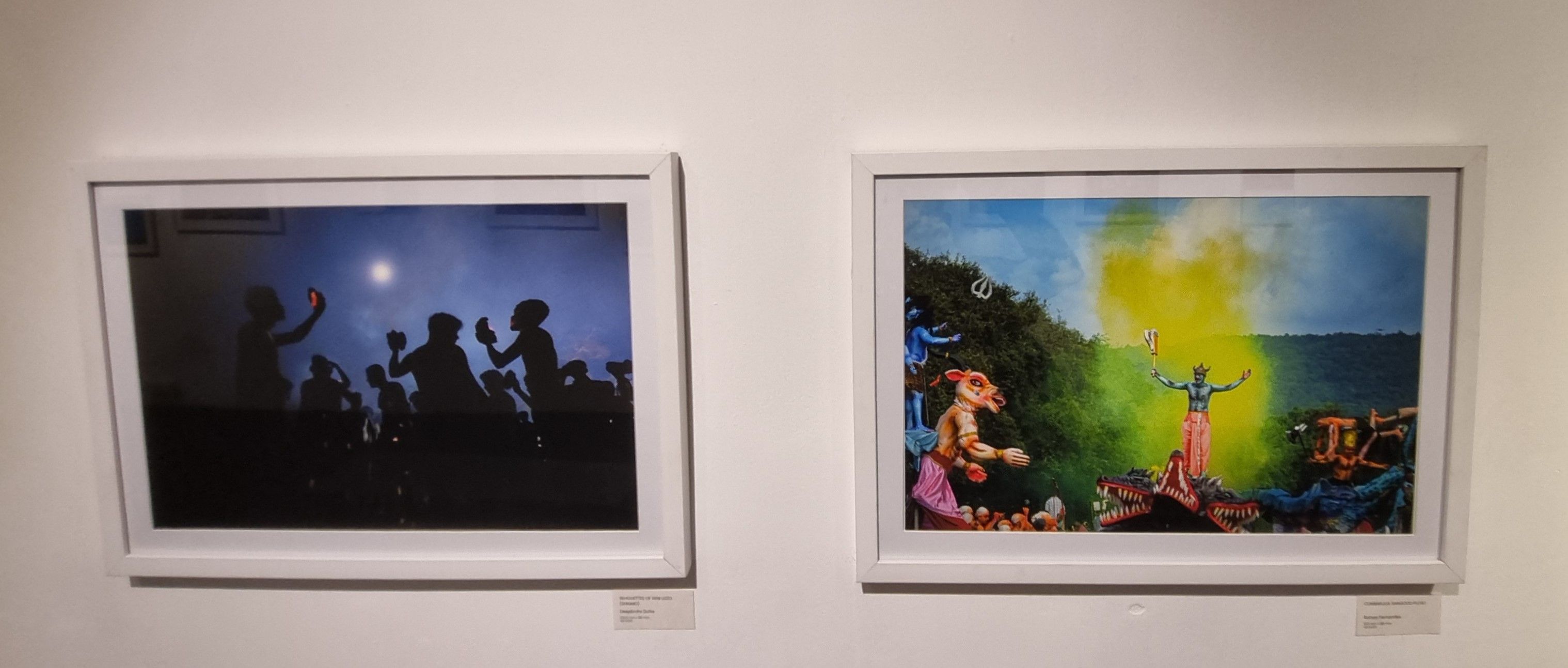
The second exhibition, titled Seen/Unseen invites viewers to look again at festive scenes. “It asks them linger between what is visible and what can only be felt. Here, what you see depends on how long you look,” Kerkar describes.
Featured artists include Dylan Rosario, Gaurav Sanjay Korgaonkar, Khanjan Purohit, Manjari Manoharan, Micheal Mareena, Nalini Elvino de Sousa, and Rohan Fernandes.
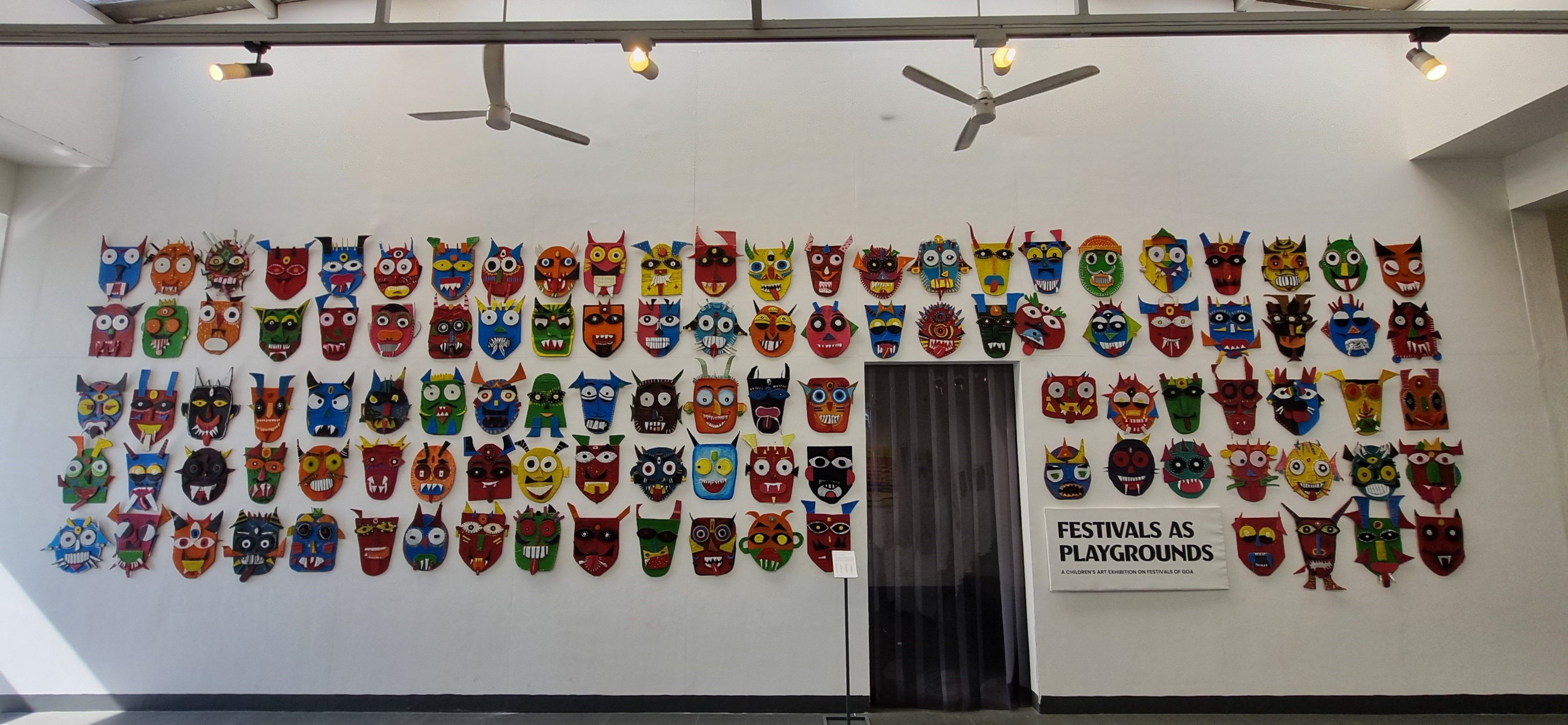
Museums contribute significantly to education. Unlike textbooks or lectures, museums offer experiential learning—visitors can see, hear, and sometimes touch the subjects they are learning about. This direct engagement makes abstract ideas more concrete and memorable.
Storytelling, immersive environments, and hands-on activities turn complex information into engaging narratives, making learning feel less like an obligation and more like an adventure. Museums like MoG regularly collaborate with schools and communities to enhance educational outcomes.
Public events, temporary exhibitions, and cultural festivals attract wider audiences, blending entertainment with meaningful learning. This balance helps museums remain relevant in a fast-changing, digital world.
.thumbnailWrapper{
width:6.62rem !important;
}
.alsoReadTitleImage{
min-width: 81px !important;
min-height: 81px !important;
}
.alsoReadMainTitleText{
font-size: 14px !important;
line-height: 20px !important;
}
.alsoReadHeadText{
font-size: 24px !important;
line-height: 20px !important;
}
}

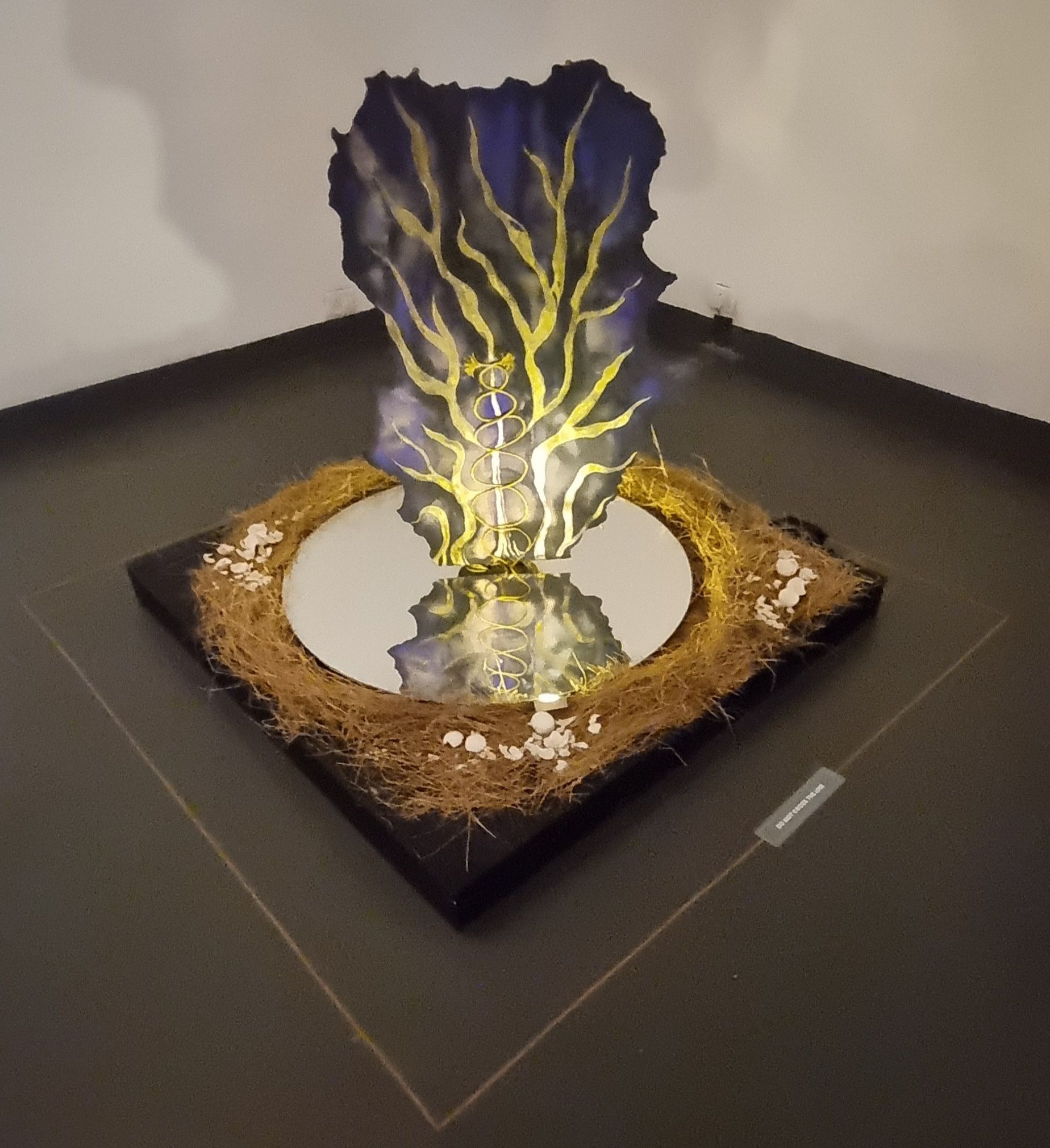
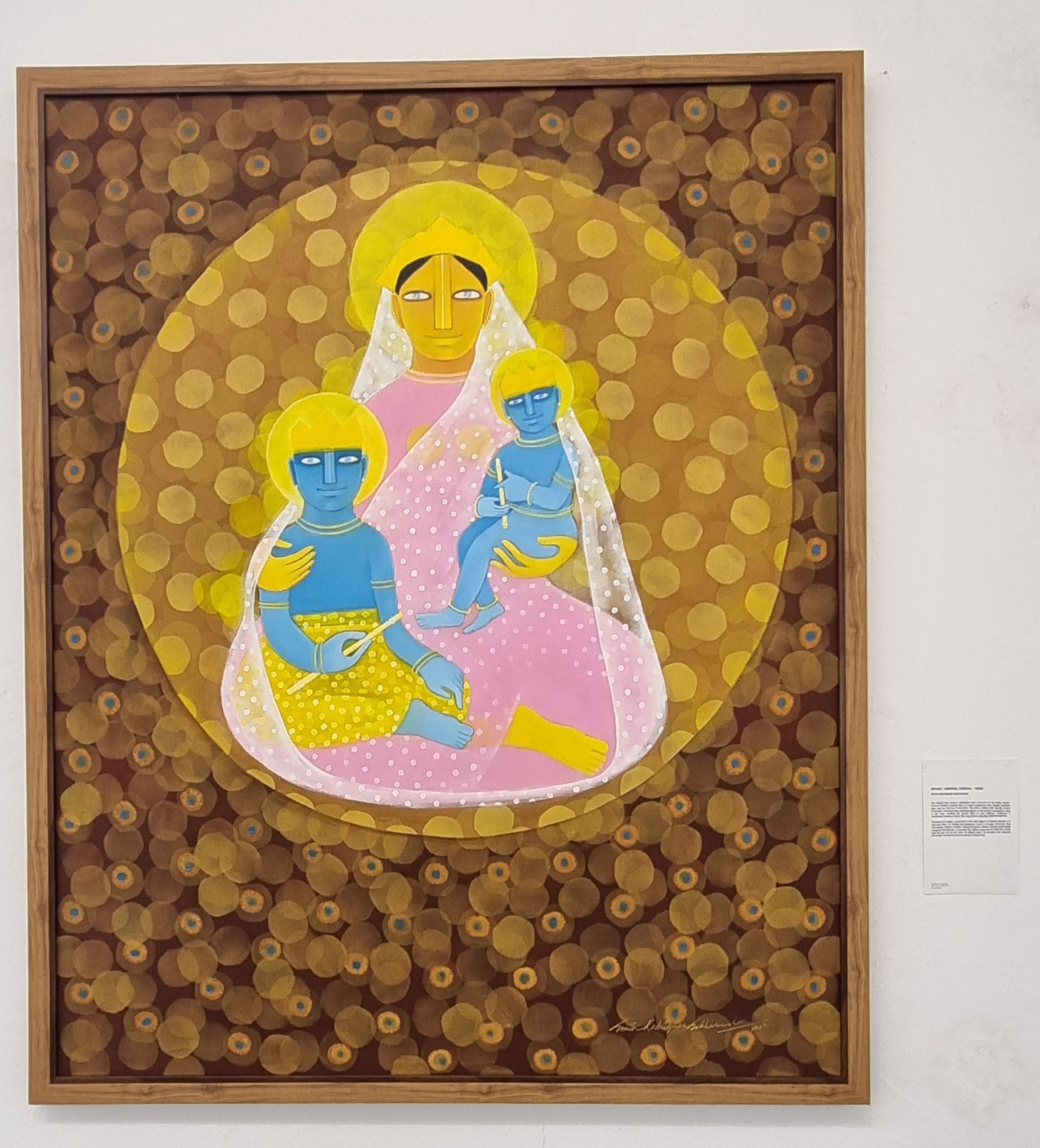
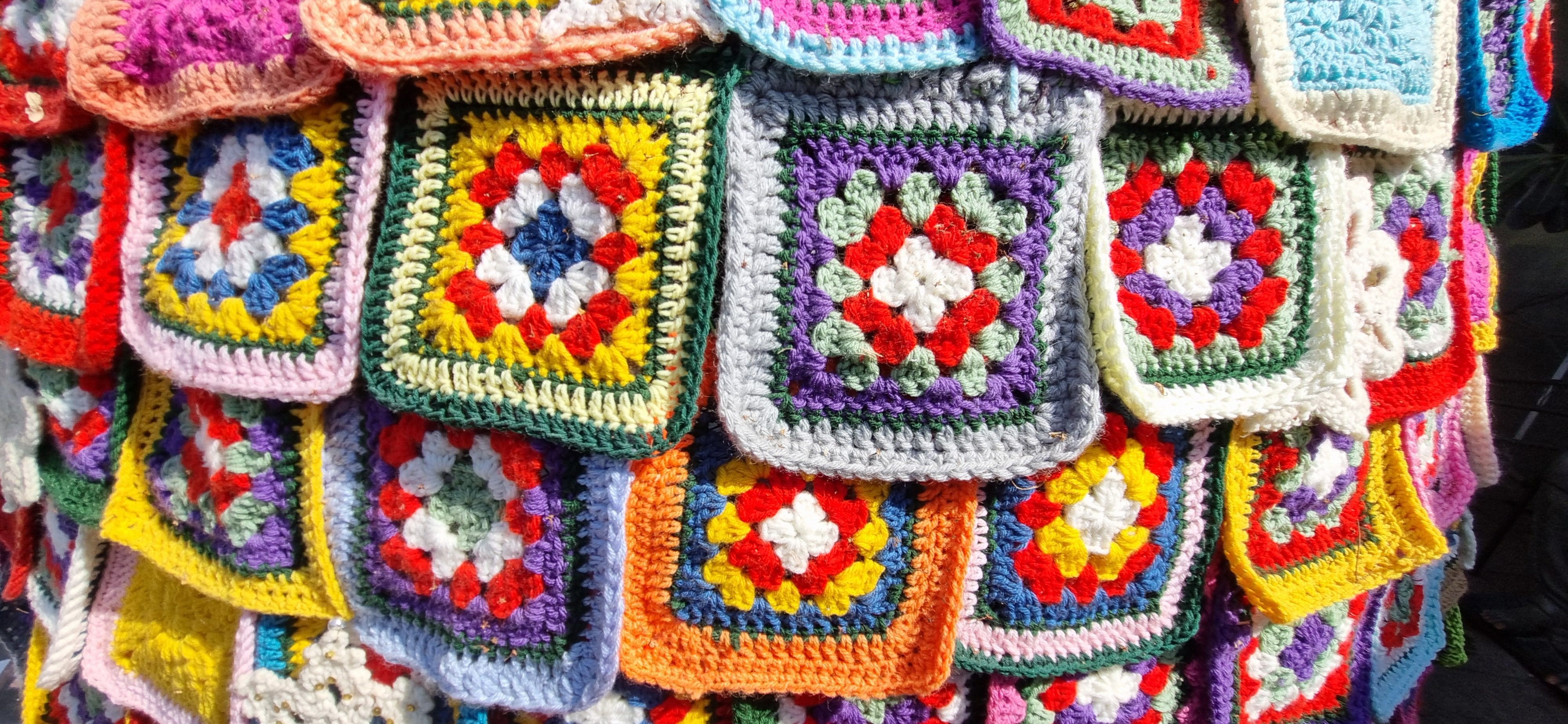
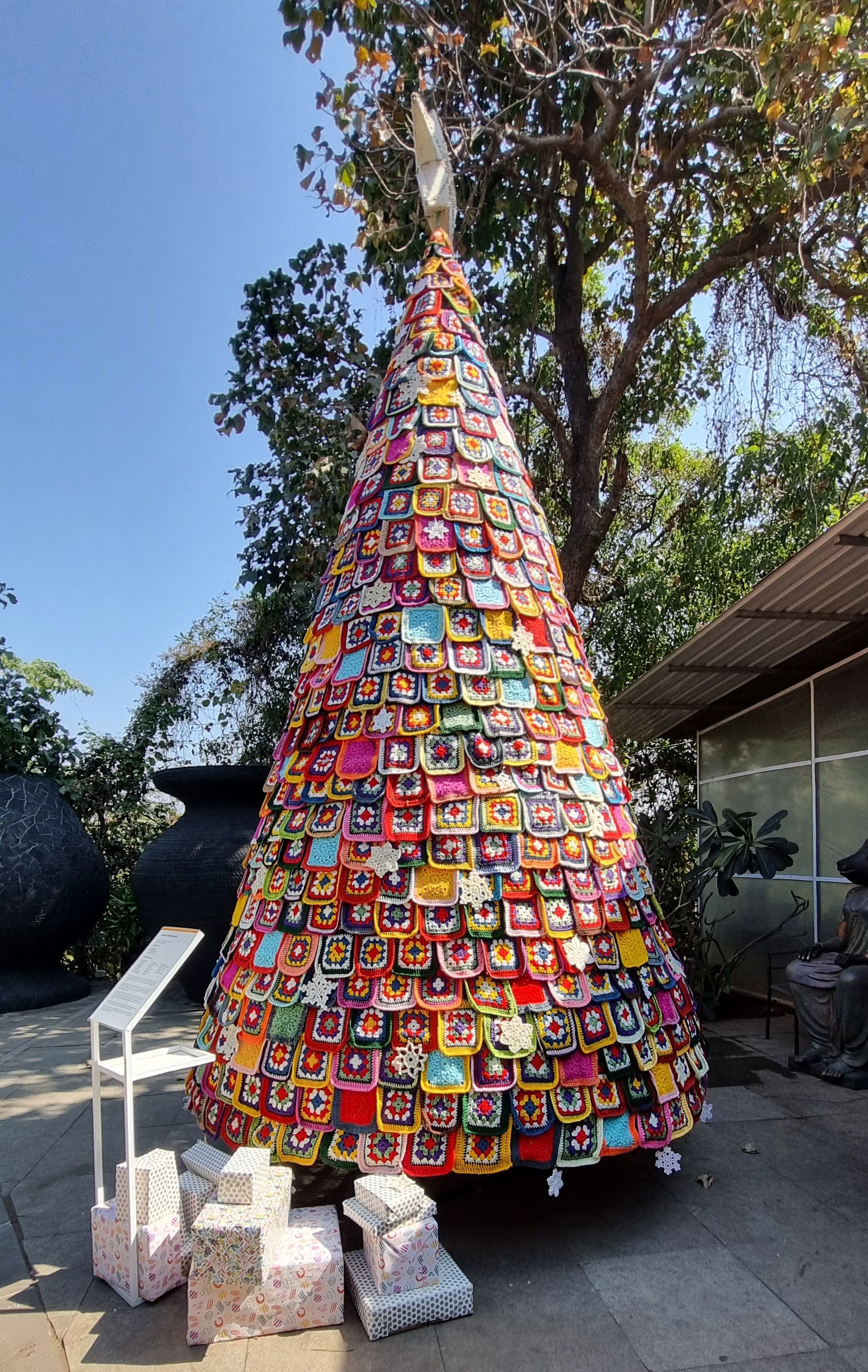
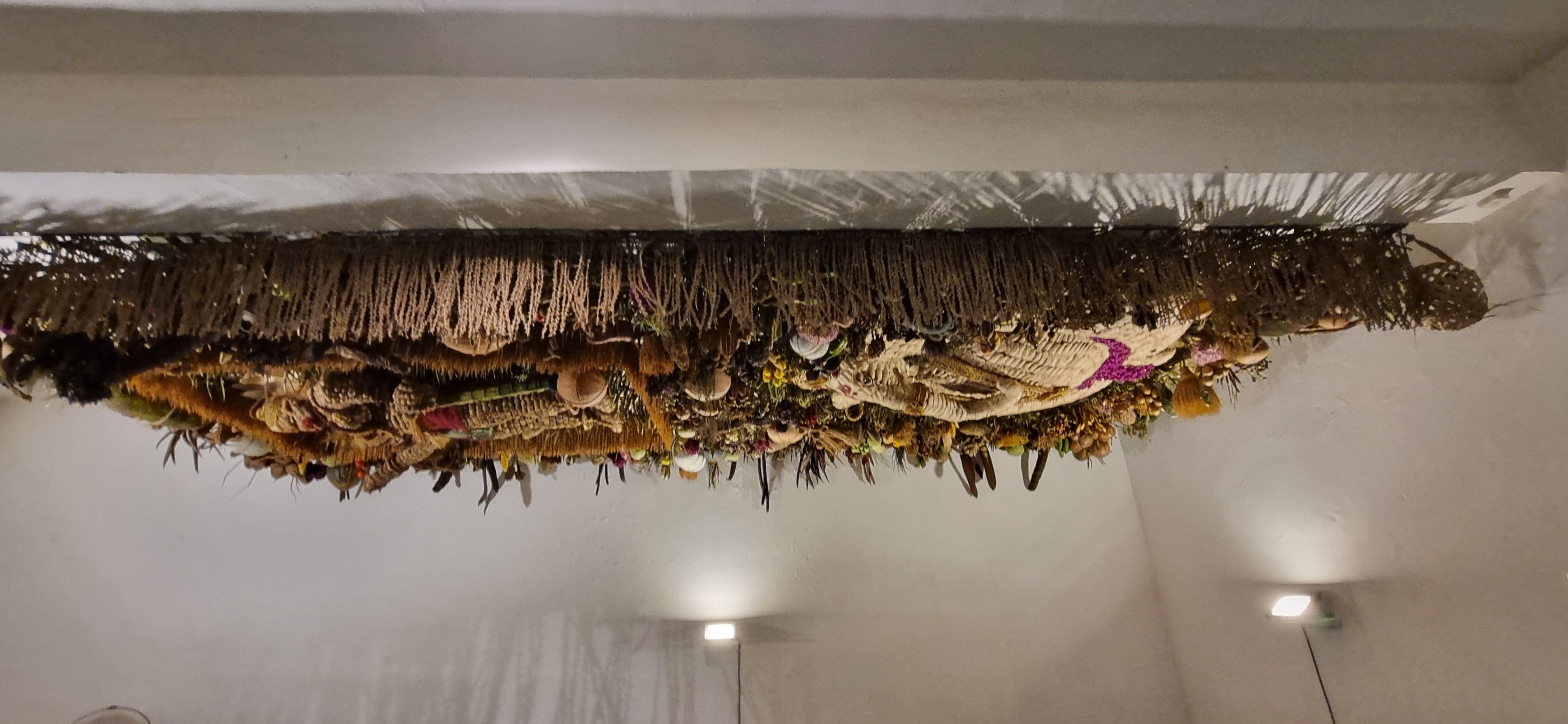
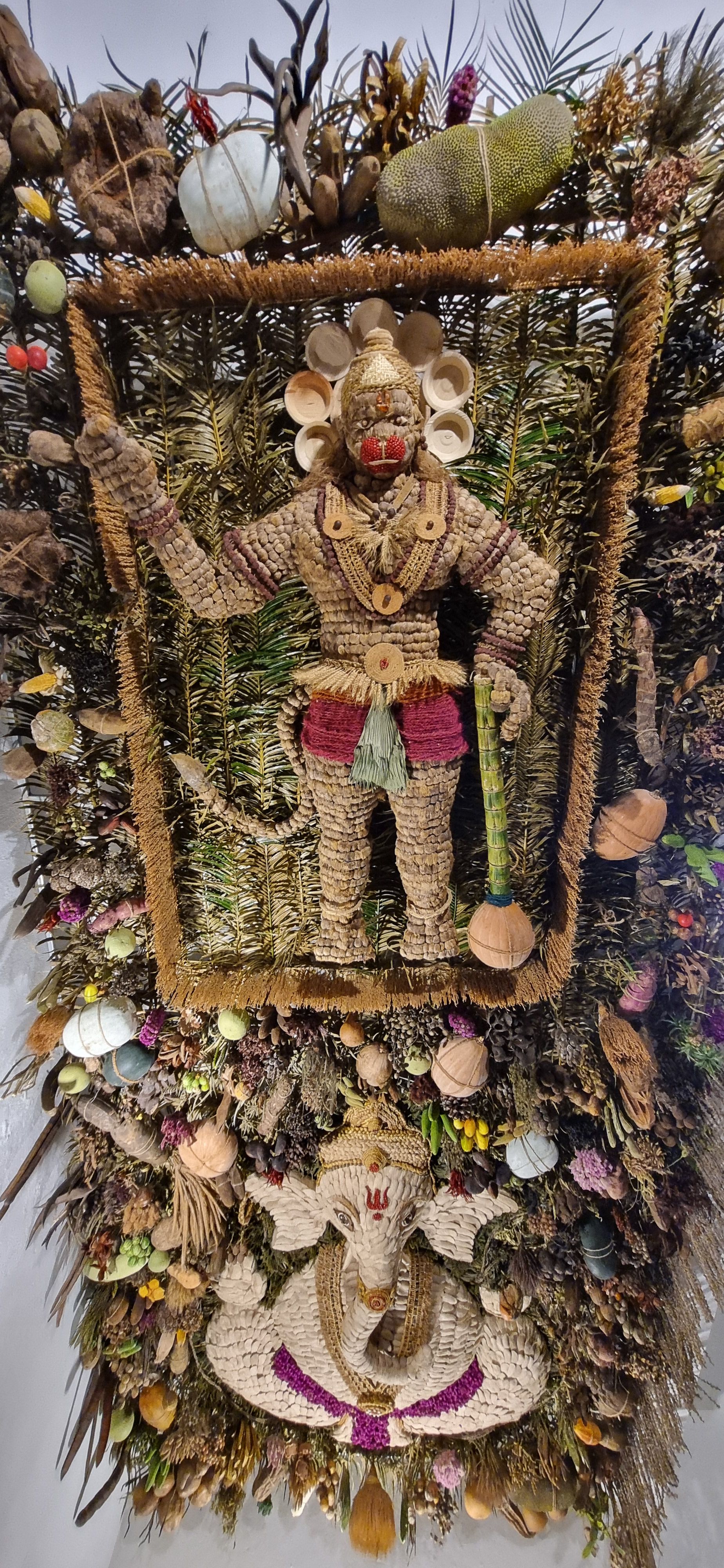
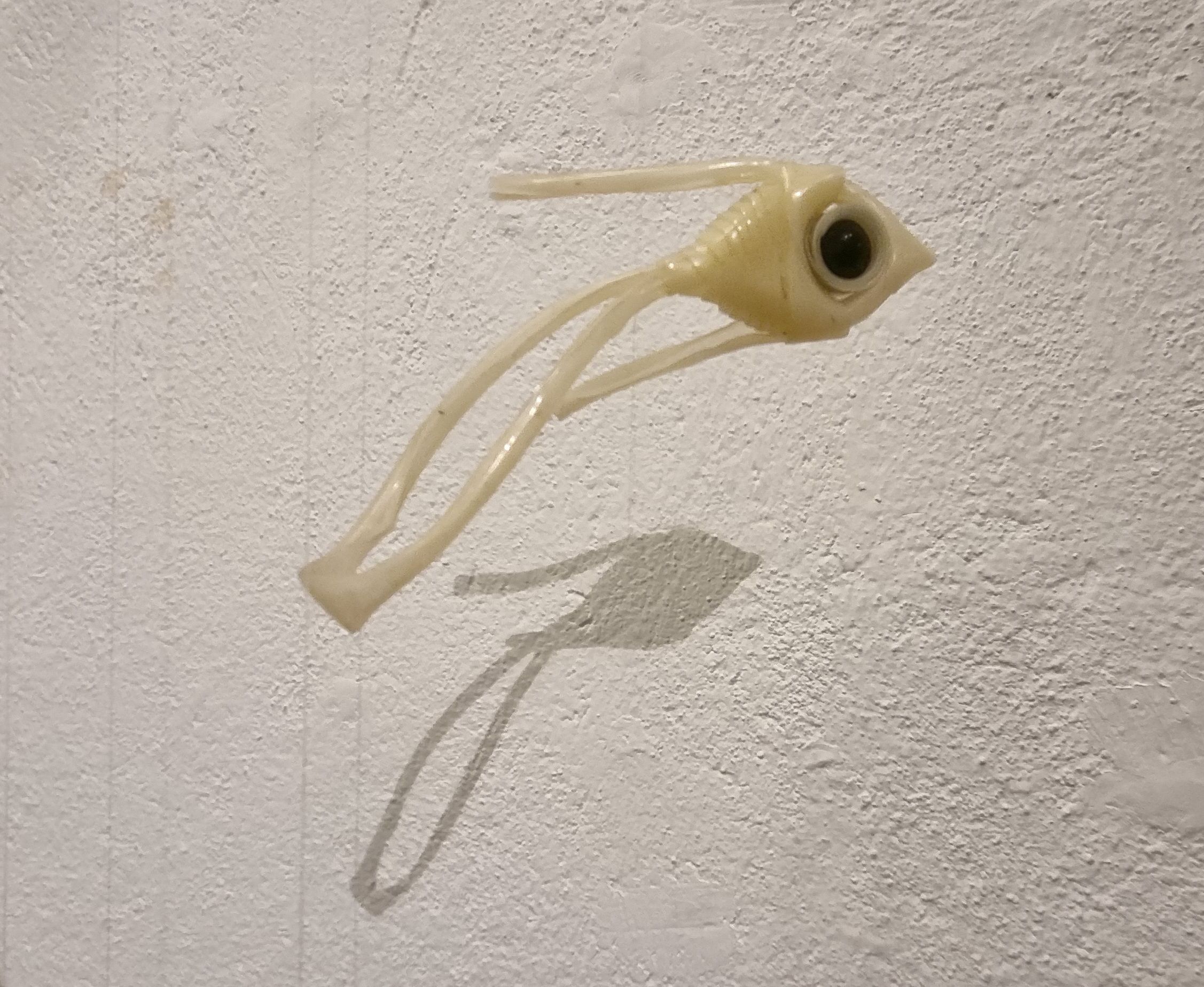
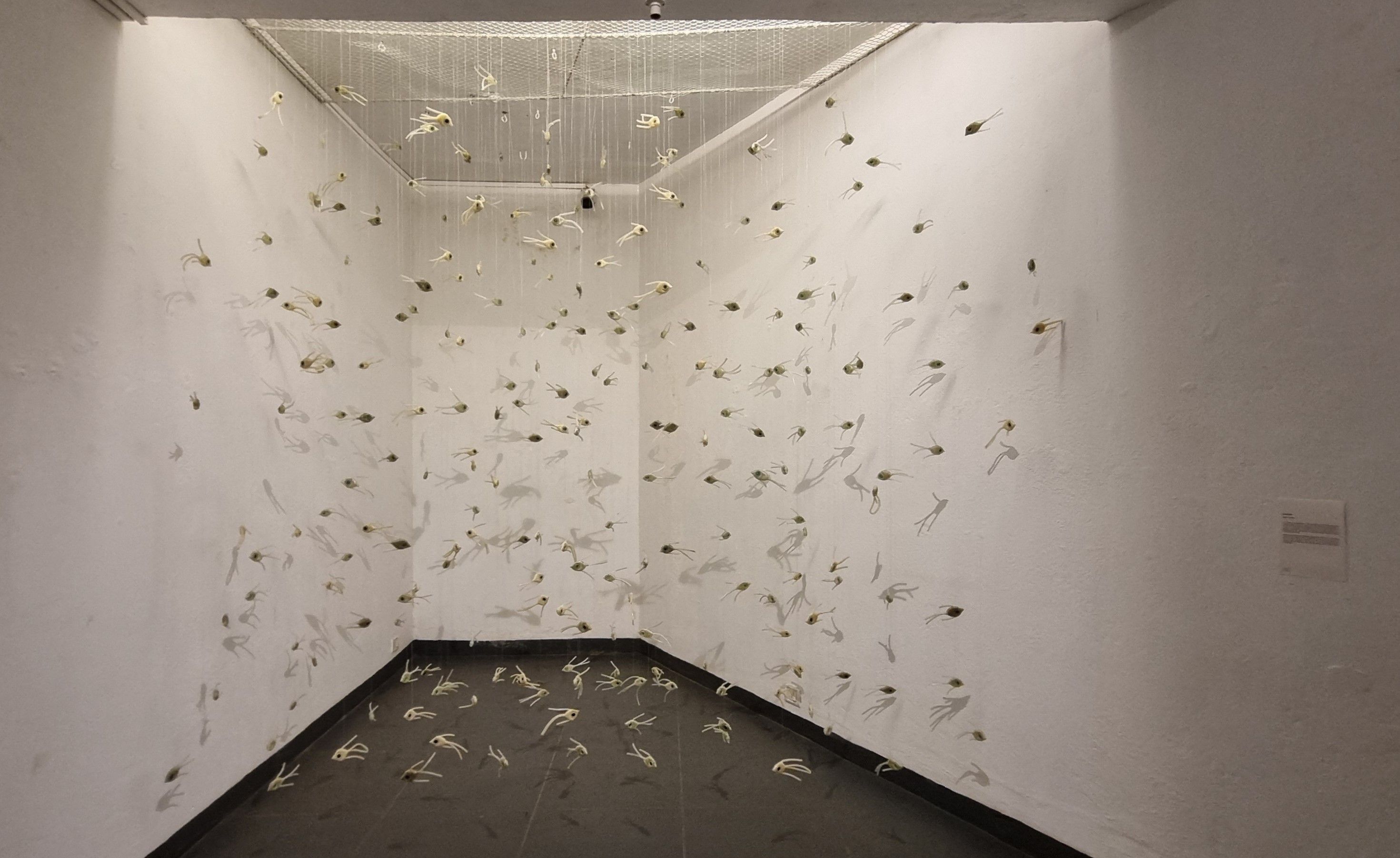
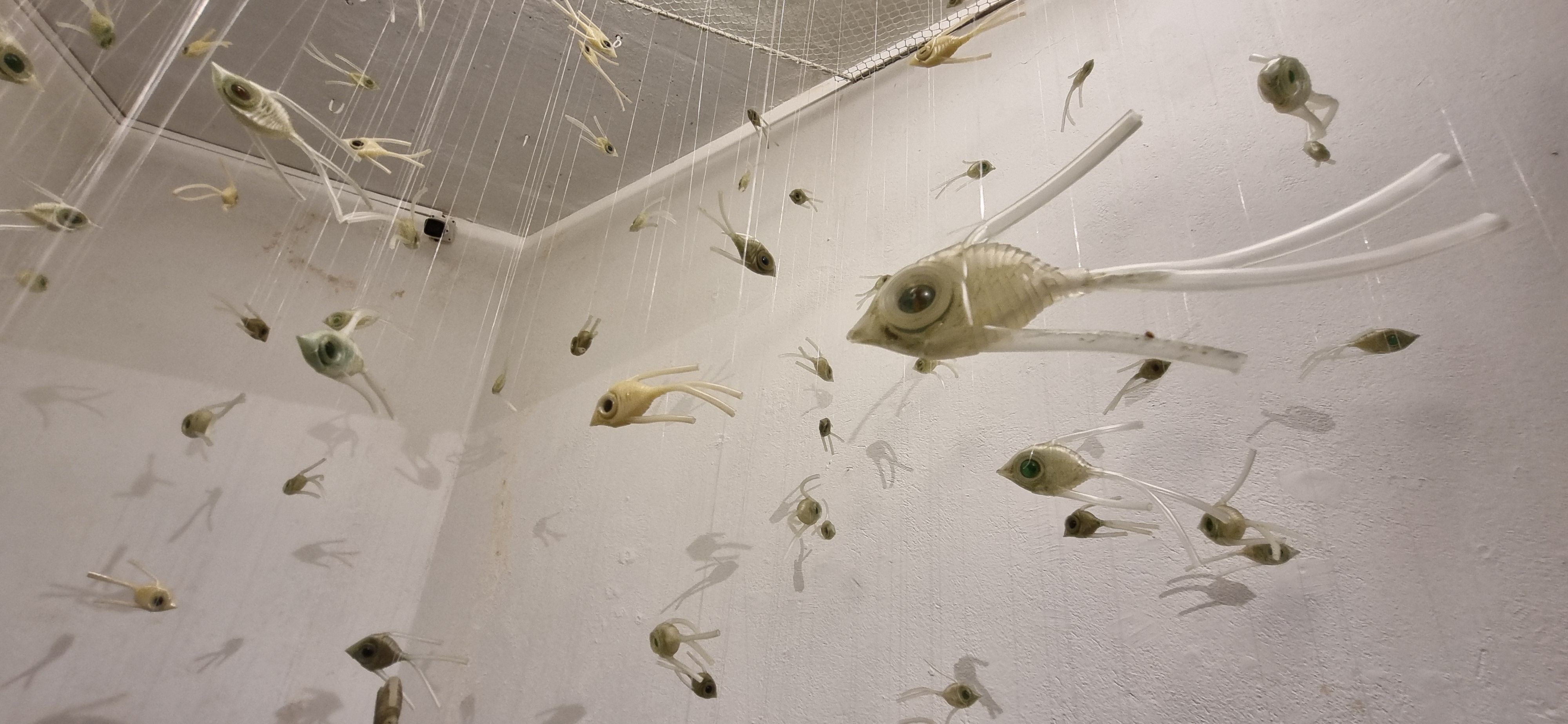
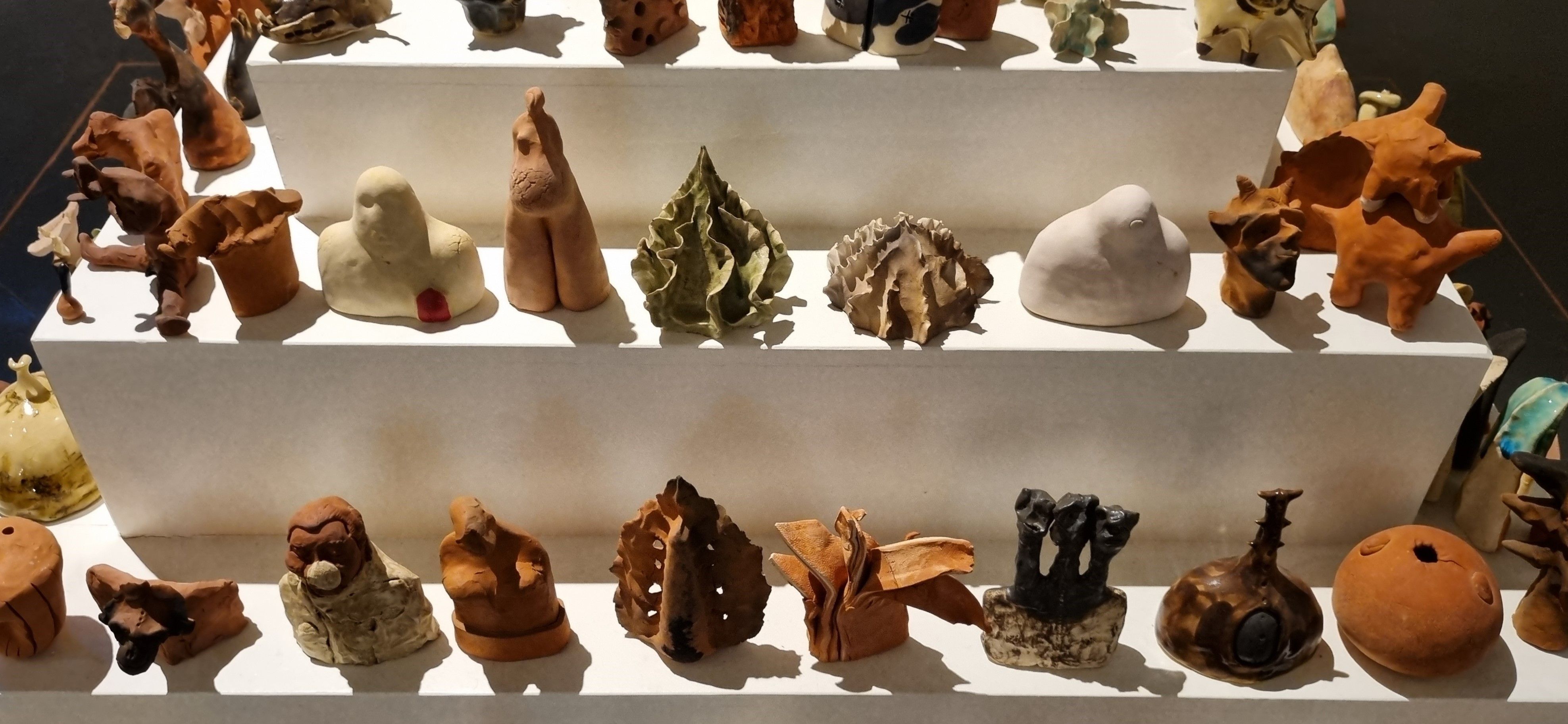
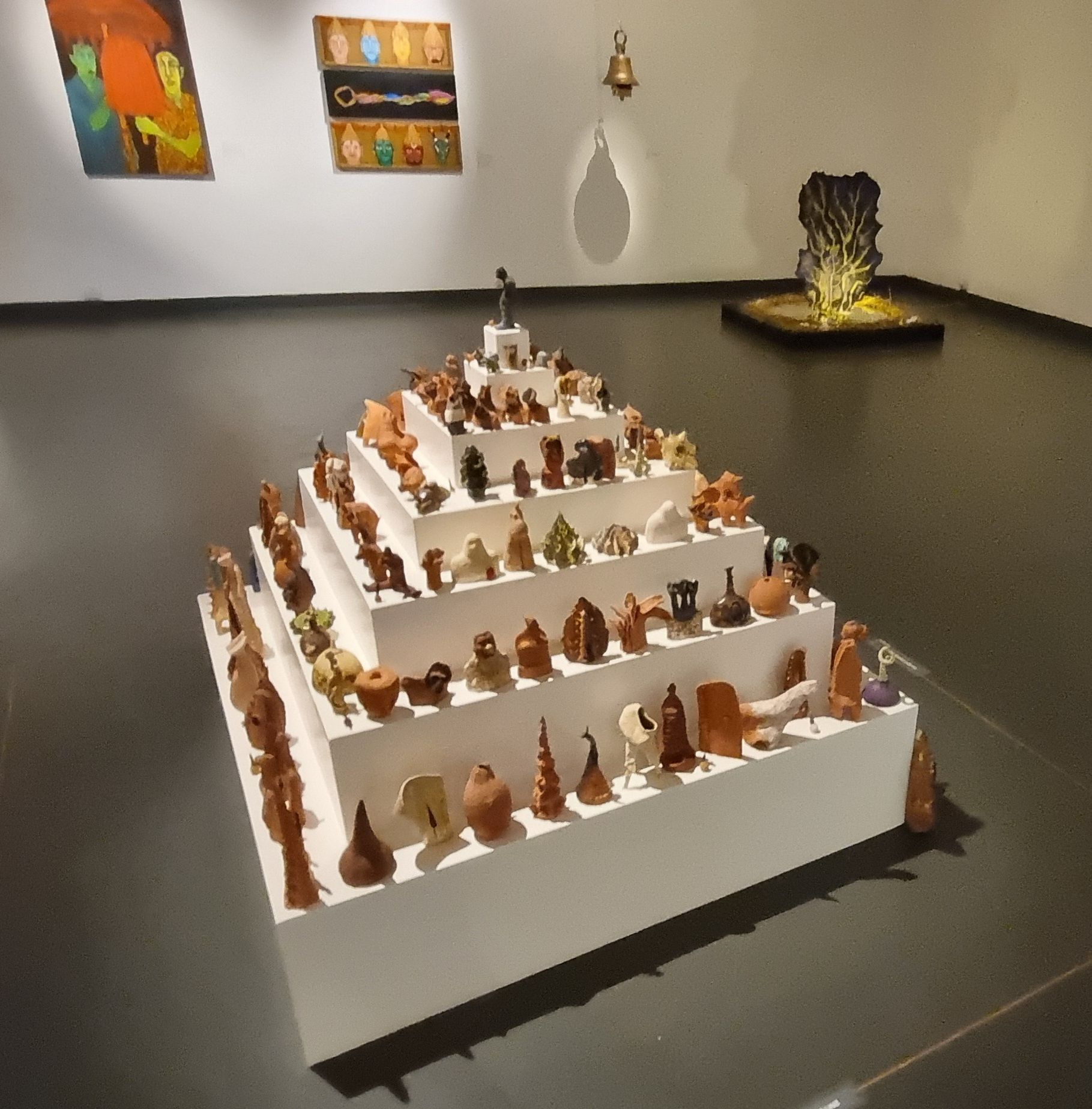
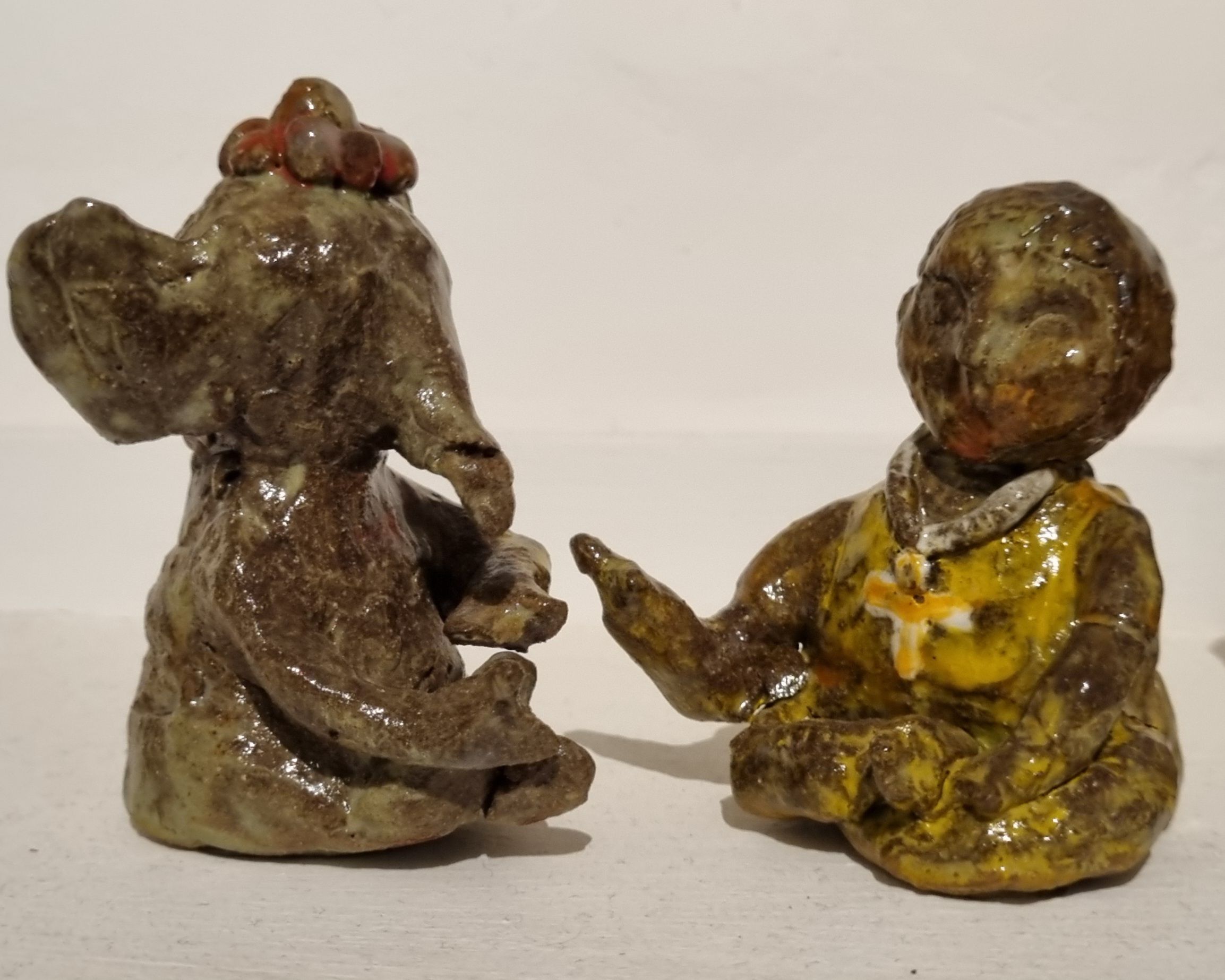
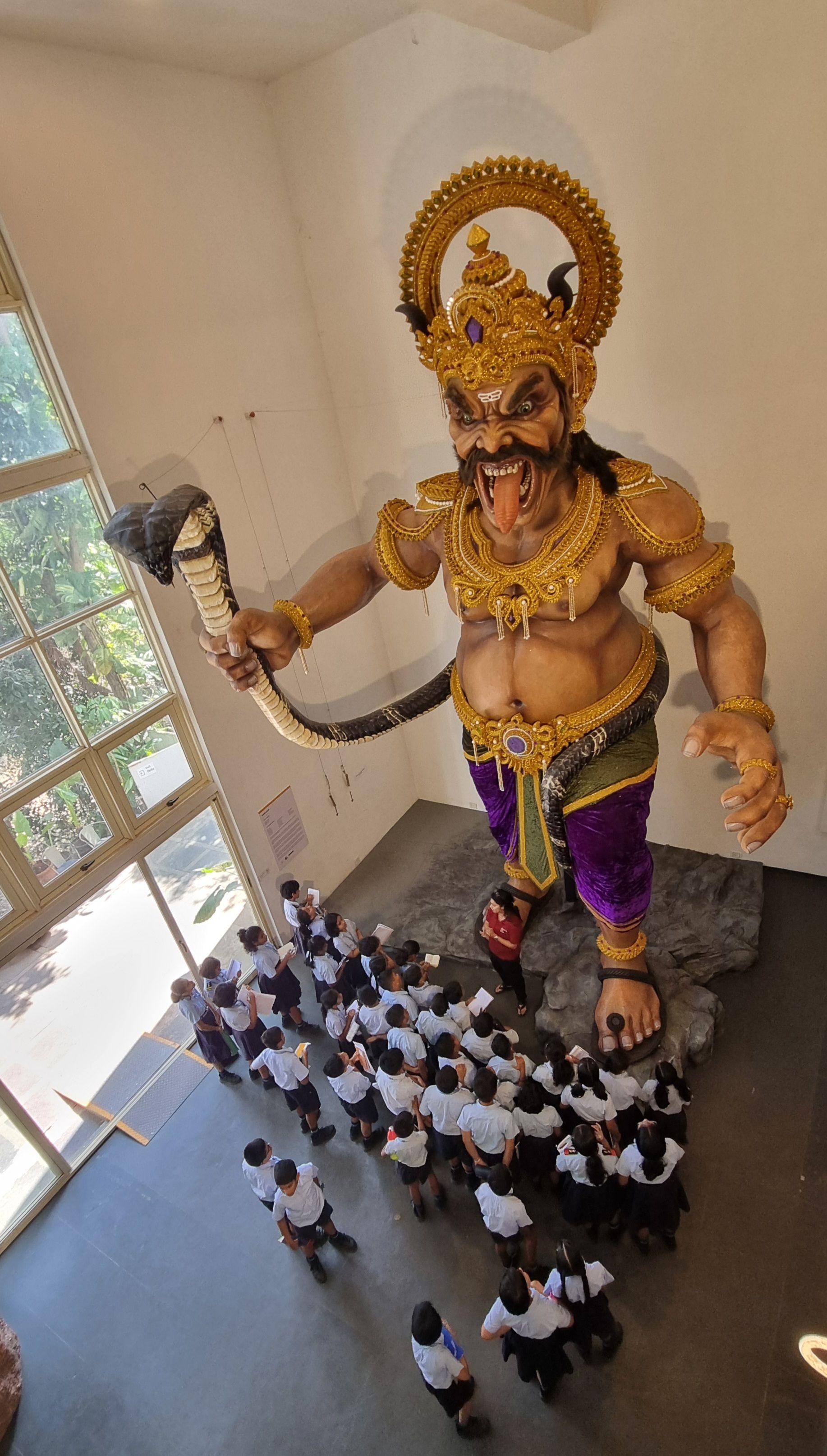
MoG also features three collaborative community projects which have resulted in three huge art installations. “They reflect the role of community-based art practices and their power to unite, celebrate, and transform our societies,” Kerkar says.
“Through this showcase, the Museum of Goa reaffirms its commitment to making art accessible to all by opening its space to diverse creators. It recognises the vital role that local artistic practices play in shaping our collective identity and everyday life,” she adds.
The collaborating artists include Hilda Maria Vaz, Jennifer Fernandes, Krutik Naik, Louisa Rebello, Minnette Andrade, Nandhish Gaude, Queenie Furtado, Rohan Gaude, Saeej S Naik, Sahil Gaude, Sanjay S Naik, and Sarvesh Gaude.
The exhibition titled Festivals as Playgrounds brings bringing the work of children into a museum setting. “This exhibition marks an important step towards recognising children’s creativity as a legitimate artistic skill and cultural contribution,” Kerkar explains.
It features 12 paintings created during a residency program at the Children’s Art Studio (CAS). Participating institutions include the Bookworm Library (Aldona and Saligao, Children’s Art Studio (Pilerne), and Government Primary School (Pilerne).
In sum, museums show they combine knowledge with creativity and entertainment, thus make learning enjoyable, memorable and impactful. Through their unique ability to educate while inspiring curiosity and wonder, museums continue to play a crucial role in shaping informed, culturally aware, and engaged societies.
.thumbnailWrapper{
width:6.62rem !important;
}
.alsoReadTitleImage{
min-width: 81px !important;
min-height: 81px !important;
}
.alsoReadMainTitleText{
font-size: 14px !important;
line-height: 20px !important;
}
.alsoReadHeadText{
font-size: 24px !important;
line-height: 20px !important;
}
}

The exhibition of children’s artworks reflects the Museum of Goa’s ongoing commitment to nurturing young talent. “It encourages their imagination in a safe and caring environment,” Kerkar says.
“The museum creates spaces where art becomes a natural extension of play, learning and belonging,” Kerkar signs off.
Now what have you done today to pause in your busy schedule and harness your creative side for a better world?
<figure class="image embed" contenteditable="false" data-id="589127" data-url="https://images.yourstory.com/cs/2/28b451402d6a11e9aa979329348d4c3e/20-1769796023093.jpg" data-alt="21" data-caption="
(L to R) Ahasthya A, Sharada Kerkar, Abeni Manzar
” align=”center”> (L to R) Ahasthya A, Sharada Kerkar, Abeni Manzar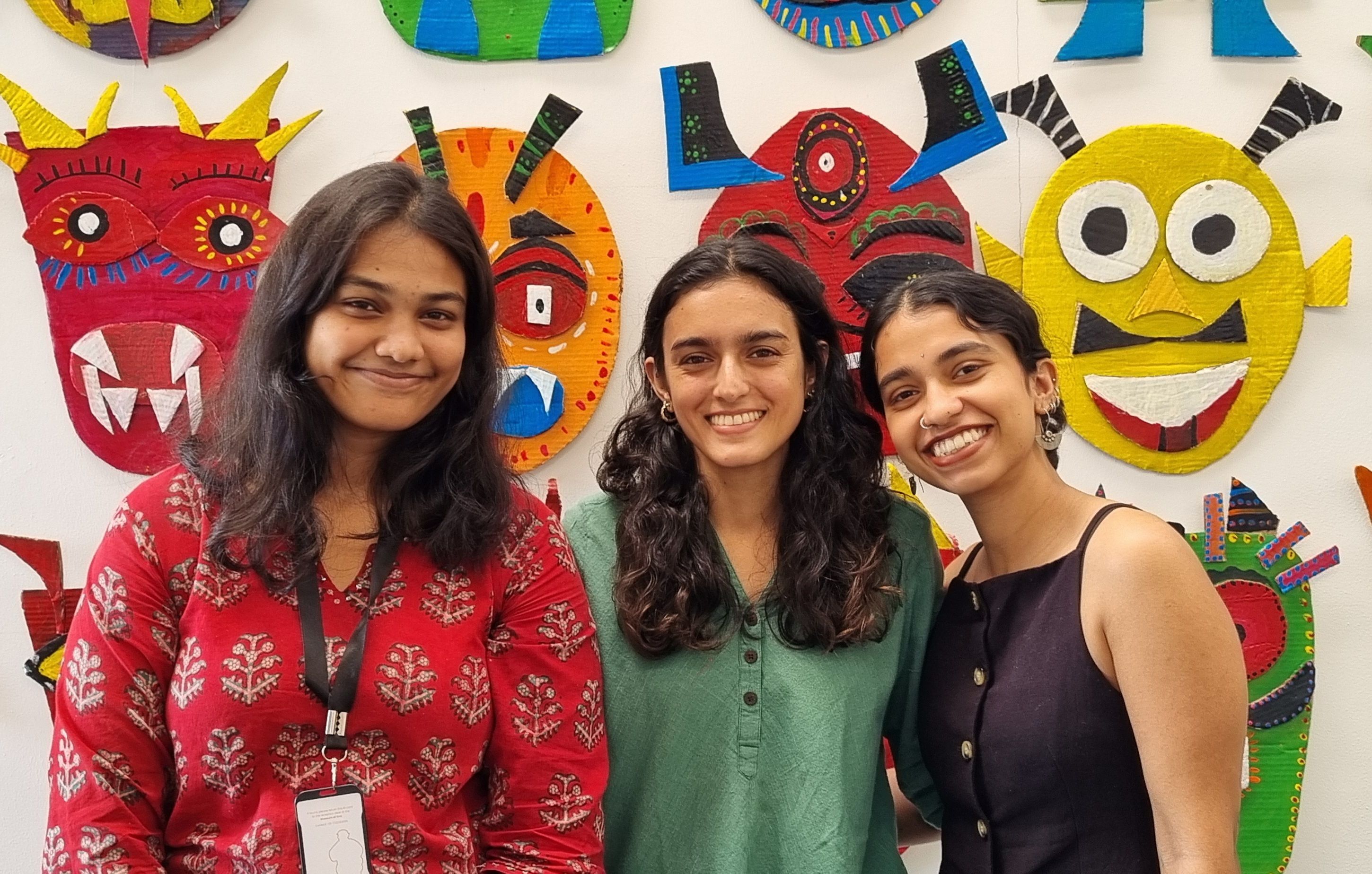
(All photographs taken by Madanmohan Rao on location at Museum of Goa.)
Discover more from News Link360
Subscribe to get the latest posts sent to your email.