


Union Budget extends customs duty exemption for lithium-ion cell manufacturing to battery energy storage systems
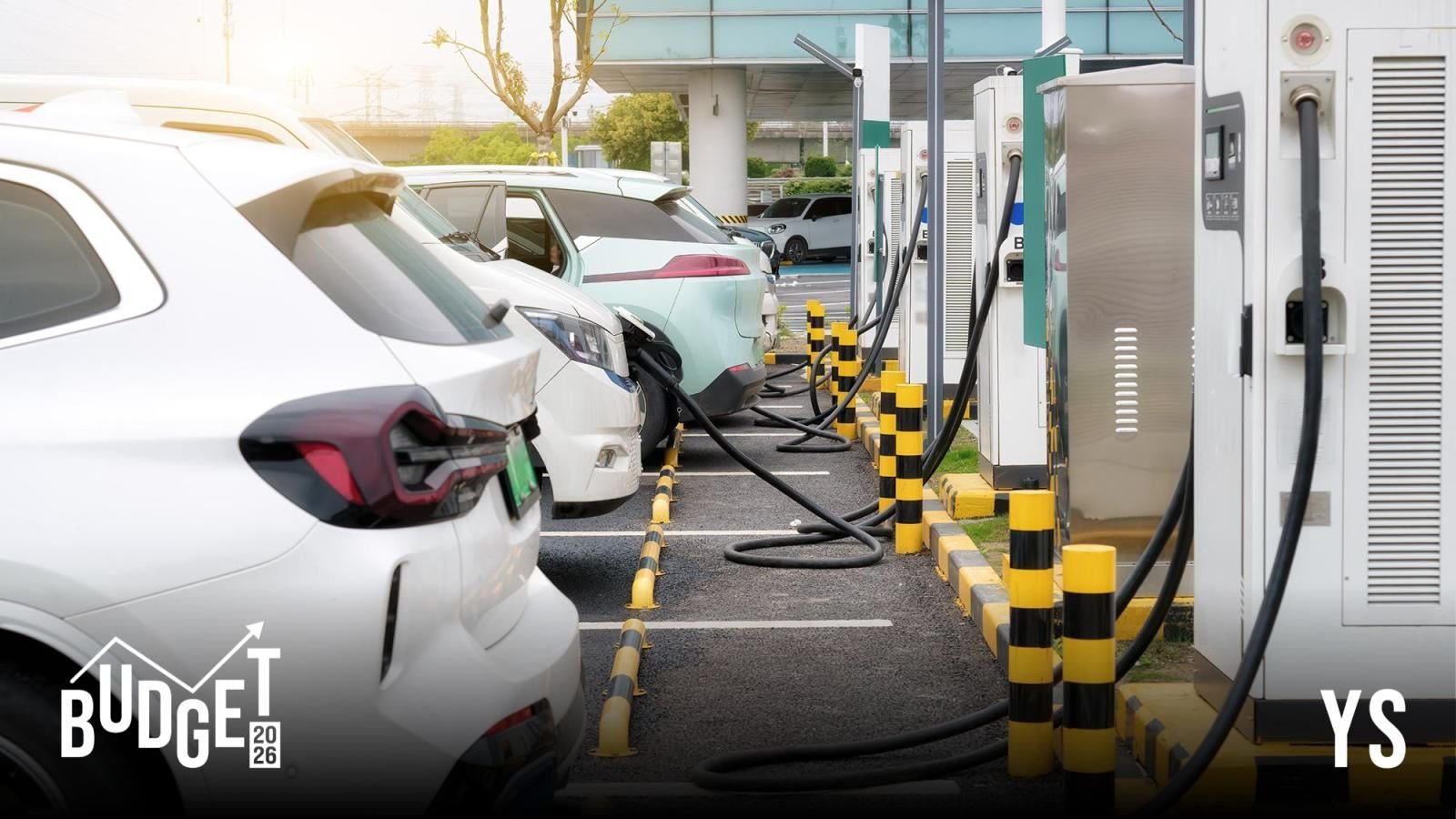
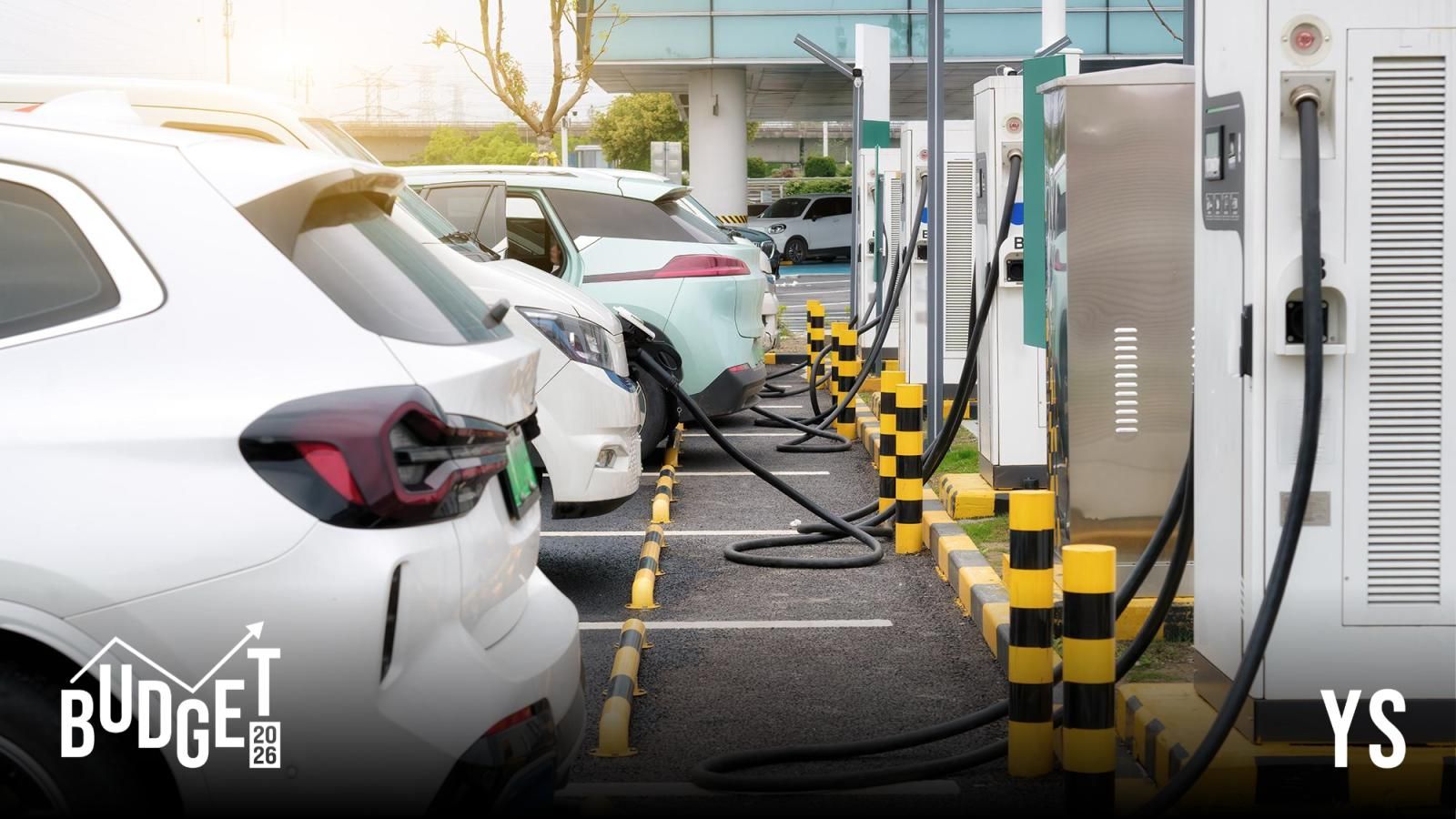

Imports of key raw materials for EV batteries, including lithium oxide, hydroxide and lithium carbonates, now attract no basic customs duty as opposed to 7.5% levied earlier.
The budget has proposed that a series of additional capital goods for EV battery manufacturing be added to the list of exempted capital goods. This is expected to boost domestic manufacture of lithium-ion battery.
Customs duty support was one of the key demands from the electric vehicle ecosystem, prior to the Union Budget, as India gears up to meet the rising demand for EVs.
Meanwhile, the government has also made allocations for existing schemes to promote EV adoption in the country. The Budget has set aside Rs 1,500 crore under the PM Electric Drive Revolution in Innovative Vehicle Enhancement (PM E-DRIVE) Scheme.
.thumbnailWrapper{
width:6.62rem !important;
}
.alsoReadTitleImage{
min-width: 81px !important;
min-height: 81px !important;
}
.alsoReadMainTitleText{
font-size: 14px !important;
line-height: 20px !important;
}
.alsoReadHeadText{
font-size: 24px !important;
line-height: 20px !important;
}
}

PM E-DRIVE Scheme, which was launched in 2024, has a total outlay of 10,900 crore and is expected to be implemented until March 31, 2026. The revised estimate related to the scheme stood at Rs 1,300 crore in 2025-2026.
Meanwhile, the government has allocated Rs 5,940 crore for the Production Linked Incentive (PLI) Scheme for Automobile and Auto Components. The revised estimate for 2025-26 for this scheme stood at Rs 2,091 crore.
To boost self-reliance and reduce import dependency, the government has also proposed the setting up of rare earth corridors through schemes that will support mineral rich states such as Odisha, Kerala, Andhra Pradesh, and Tamil Nadu.
Edited by Swetha Kannan
Discover more from News Link360
Subscribe to get the latest posts sent to your email.