



Union Budget paves way for faster, more efficient ecommerce exports
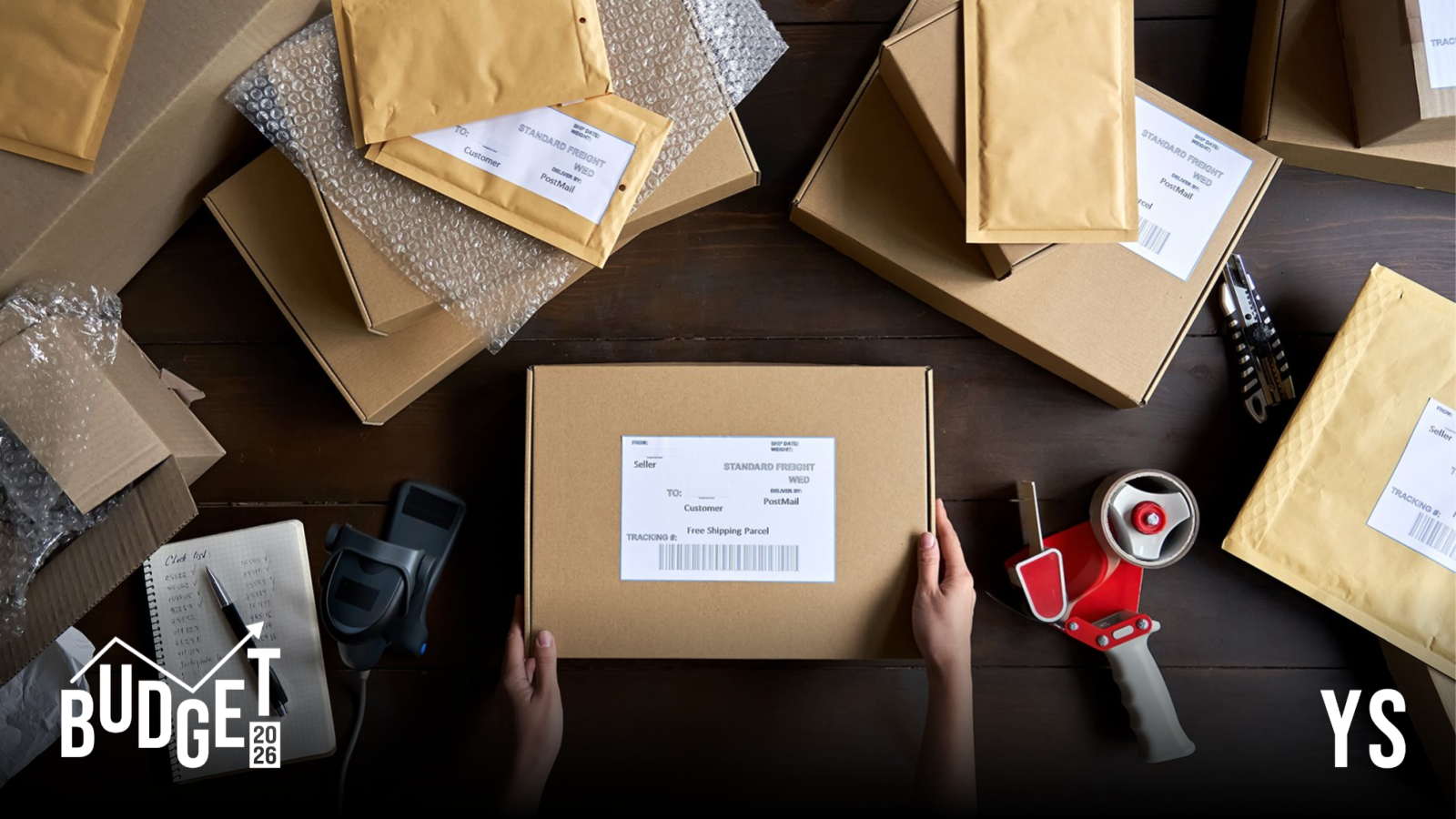
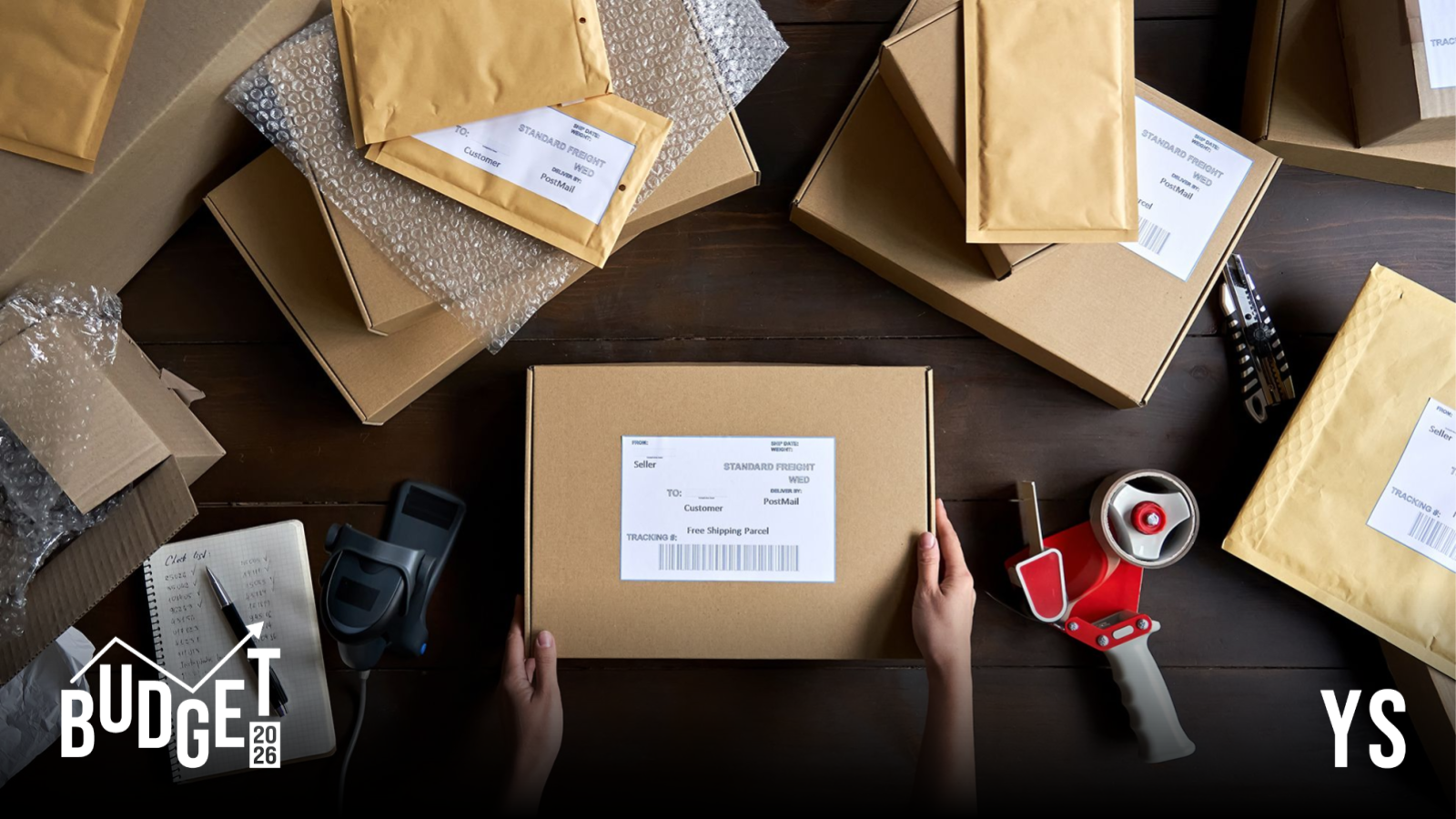

Finance Minister Nirmala Sitharaman on Sunday said the measure would help small businesses, artisans, and startups access global markets.
“To support the aspirations of India’s small businesses, artisans, and startups to access global markets through ecommerce, I am pleased to announce the complete removal of the current value cap of Rs 10 lakh on courier exports,” the Minister said while addressing Parliament. “In addition, the handling of rejected or returned consignments will be approved with the effective use of technology to identify such consignments.”
With the cap removed, goods priced above Rs 10 lakh can now be shipped through courier export channels, which typically offer faster delivery and involve less paperwork. Previously, such consignments had to move through cargo shipments, a slower route that comes with higher compliance requirements.
The ecommerce industry has welcomed the move. “The Union Budget 2026 is a significant enabler for India’s small businesses, artisans, and startups looking to expand their global footprint,” Tanmay Kumar, Chief Financial Officer of ecommerce logistics startup Shiprocket, told YourStory.
“The complete removal of the Rs 10 lakh courier export cap is a decisive step that allows smaller sellers to scale international shipments without artificial thresholds, making cross-border ecommerce far more accessible,” he said, adding that the Rs 10 lakh cap had restricted Indian sellers from shipping high-value items to customers abroad.
“For our merchants and MSMEs, the cap meant splitting orders into smaller shipments or shifting away from courier exports, increasing paperwork, costs, and operational complexity. It also restricted their ability to fulfil higher-value international orders efficiently,” Kumar said.
With the restriction gone, sellers can now scale their export businesses more meaningfully, supported by faster shipping timelines.
“Certain high-value goods that earlier could not move through the express courier route had to be diverted to slower cargo channels,” said Kumar. “With the cap removed, our merchants can now ship such orders via faster express routes, simplifying operations, improving cash-flow visibility, and making exports more predictable and scalable.”
Kumar declined to comment on the specific categories or types of sellers that could immediately benefit, saying it is too early to assess.
The move comes amid accelerated reforms as the US—traditionally India’s largest export market—continues to levy 50% tariffs on goods imported from India.
India has also signed free trade agreements with several partners, including New Zealand, the United Kingdom, and the European Union, to support export growth.
US-based retail and ecommerce giants such as Walmart and Amazon have also committed to boosting exports from India in recent years.
Walmart has pledged to triple its annual exports of goods from India to $10 billion by 2027. Announced in December 2020 and reaffirmed by CEO Doug McMillon in 2025, the initiative focuses on sourcing diverse categories, including apparel, toys, food, and pharmaceuticals, from Indian MSMEs for global markets.
Amazon has crossed $20 billion in cumulative exports from India over the past decade and has set a target of $80 billion by 2030.
An Amazon spokesperson said, “We appreciate the Hon’ble Finance Minister’s announcement to remove the value cap on courier exports, which will make ecommerce smoother for Indian sellers. ‘The Courier mode’ already enables faster clearances, and this change will allow more businesses to ship higher-value orders with ease, building on 2024’s extension of export incentives to courier shipments.”
Edited by Suman Singh
Discover more from News Link360
Subscribe to get the latest posts sent to your email.