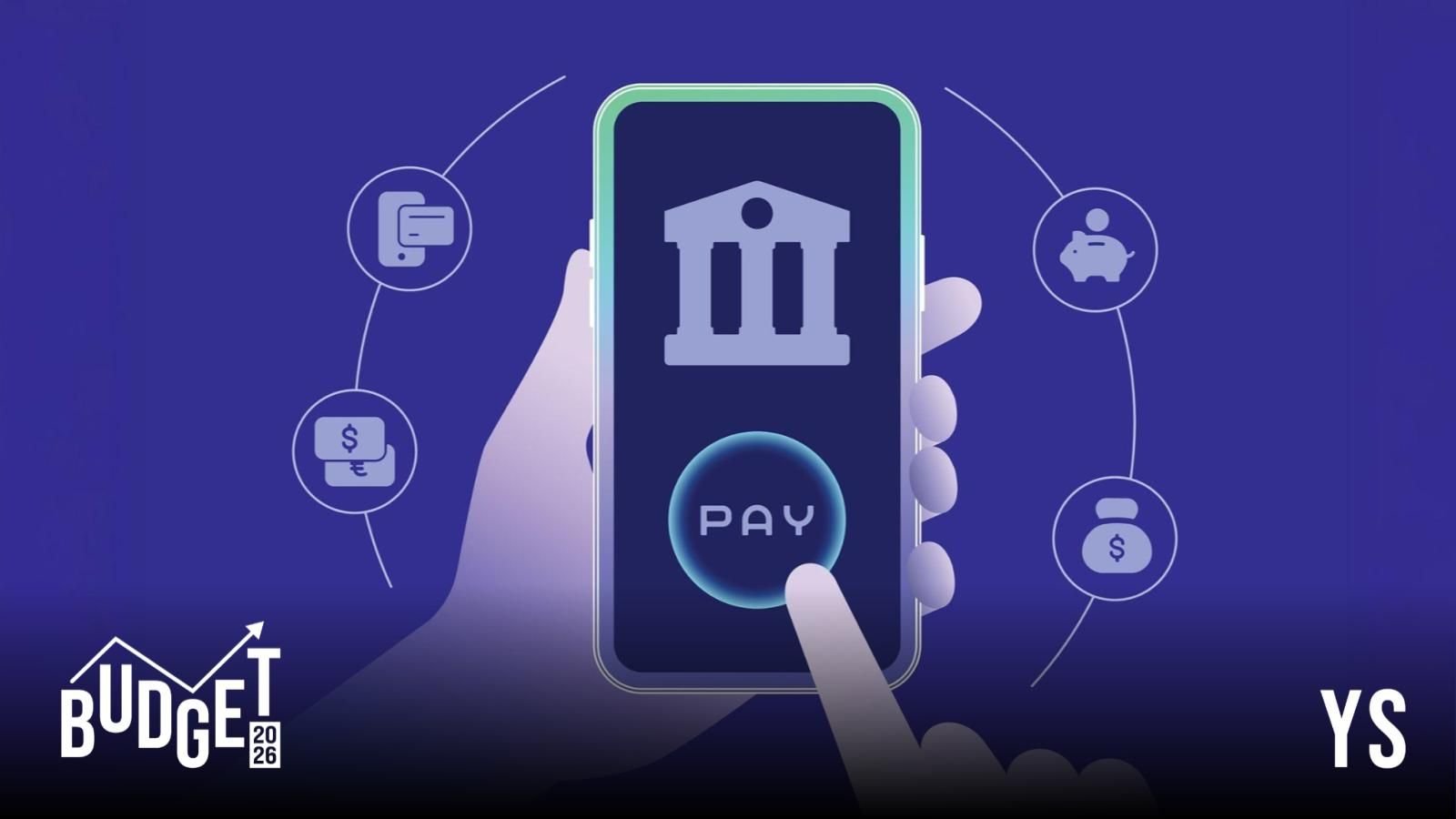

The allocation represents a significant increase from the Rs 437 crore initially budgeted for UPI incentives last year, which was later raised to over Rs 2,000 crore following inputs from the Payments Council of India.
The incentives have become crucial for digital payment companies as UPI and RuPay debit card transactions currently operate under a zero merchant discount rate regime, meaning merchants pay no fees for accepting these payments. The Merchant Discount Rate, typically a percentage of the transaction amount, covers costs related to payment infrastructure, fraud prevention, and settlement services.
However, the digital payments promotion outlay did not impress the industry. “With zero MDR for UPI and the government allocating a mere Rs 2,000 crore for processing, 30 crore transactions every day for free will choke the entire ecosystem for funds for scaling and growth. We were expecting the government incentive to be above Rs 10,000 crore,” Vishwas Patel, Chairman of industry body Payments Council of India, said in a statement.
“With increasing deployment and servicing costs as well as increasing RBI compliance costs, it will choke the growth. We don’t want to survive on government incentives. The only solution is for the government to allow us to charge a low-controlled MDR of 30 BPS on UPI P2M transactions only for merchants with more than Rs. 20 lakh in turnover. The incentives can continue for smaller merchants by offering them zero MDR. UPI P2P can continue be zero charges,” Patel added.
The zero-MDR framework has helped drive widespread adoption of digital payments across the country. India’s Unified Payments Interface (UPI) scaled new highs in 2025. Annual transaction volumes surged to 228.3 billion, up from 172.2 billion the previous year, while transaction values climbed from Rs 246.8 lakh crore to Rs 299.7 lakh crore, according to NPCI.
UPI, which is India’s dominant digital payment infrastructure, has reached over 500 million unique users, and the government sees further room for growth—a key reason for holding off on introducing MDR.
“With these kinds of incentives for the fintech industry, it will be very difficult to get the next set of 300 million Indians on the digital payments bandwagon as well as deploy acceptance mechanisms in the hinterland of our country,” Patel’s statement said.
.thumbnailWrapper{
width:6.62rem !important;
}
.alsoReadTitleImage{
min-width: 81px !important;
min-height: 81px !important;
}
.alsoReadMainTitleText{
font-size: 14px !important;
line-height: 20px !important;
}
.alsoReadHeadText{
font-size: 24px !important;
line-height: 20px !important;
}
}
Without MDR revenue, fintech platforms such as PhonePe and Paytm rely heavily on government incentives to offset the costs of running UPI-related services.
The industry has long advocated for the introduction of MDR on UPI transactions to create a sustainable business model. The Payments Council of India said in a statement last year that it hoped for incentives of up to Rs 5,000 crore in the previous budget.
Paytm shares jumped over 1% following the announcement, while MobiKwik surged more than 4%. Paytm is the third-largest UPI app and facilitates about 100 crore UPI transactions worth over Rs 1 lakh crore. MobiKwik ranks 16th and processes transactions worth over Rs 3,500 crore.
Edited by Jyoti Narayan
Discover more from News Link360
Subscribe to get the latest posts sent to your email.