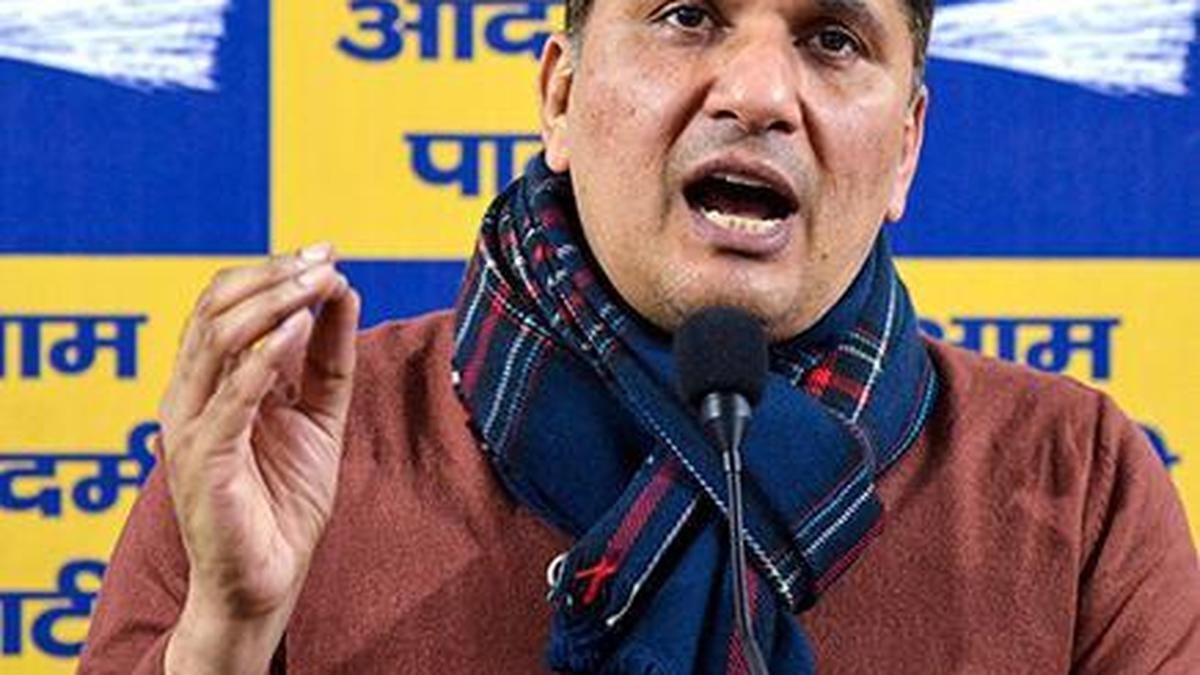



Review of Sita’s Veil by Anamika, translated from Hindi by Nishtha Gautam
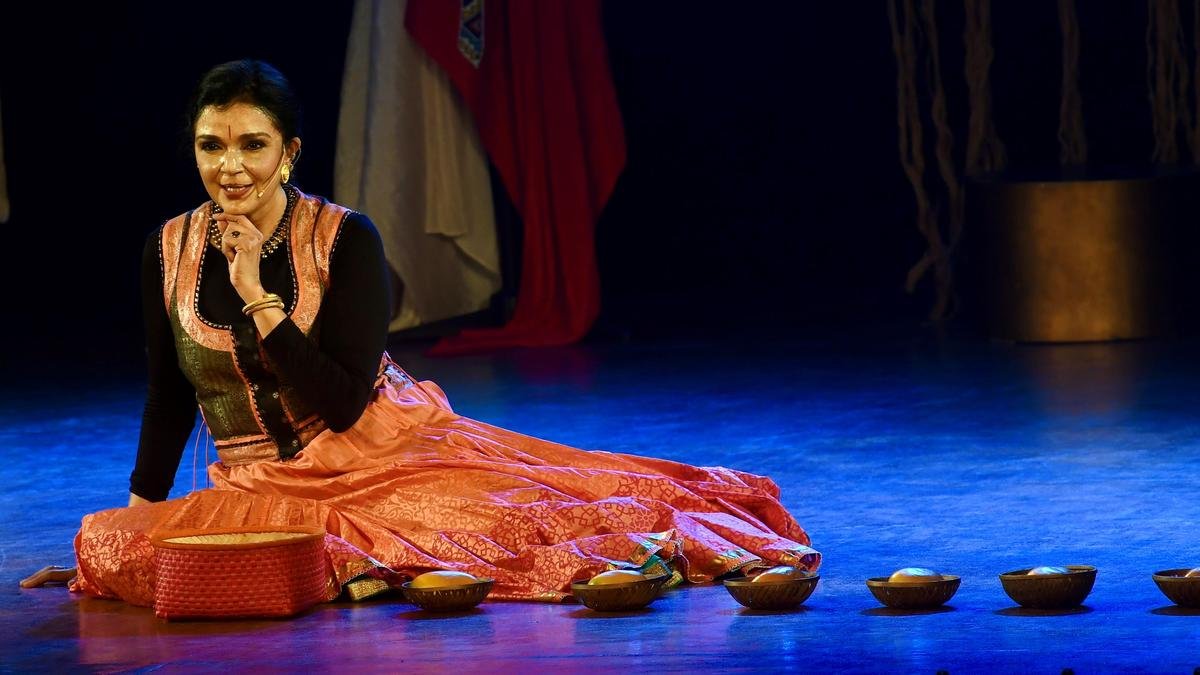
In the author’s note, Anamika describes the book as “Sitayan, the story of Ramayan told from Sita’s perspective”. The protagonist, Sita, is presented not as a queen banished from her kingdom and desperately looking for shelter but as “a scholarly single mother who enjoyed every moment of her stay at Valmiki ashram, educating not only her two kids but also a whole lot of Adivasi children, children of the Rakshas tribe who had lost their fathers in the war”.
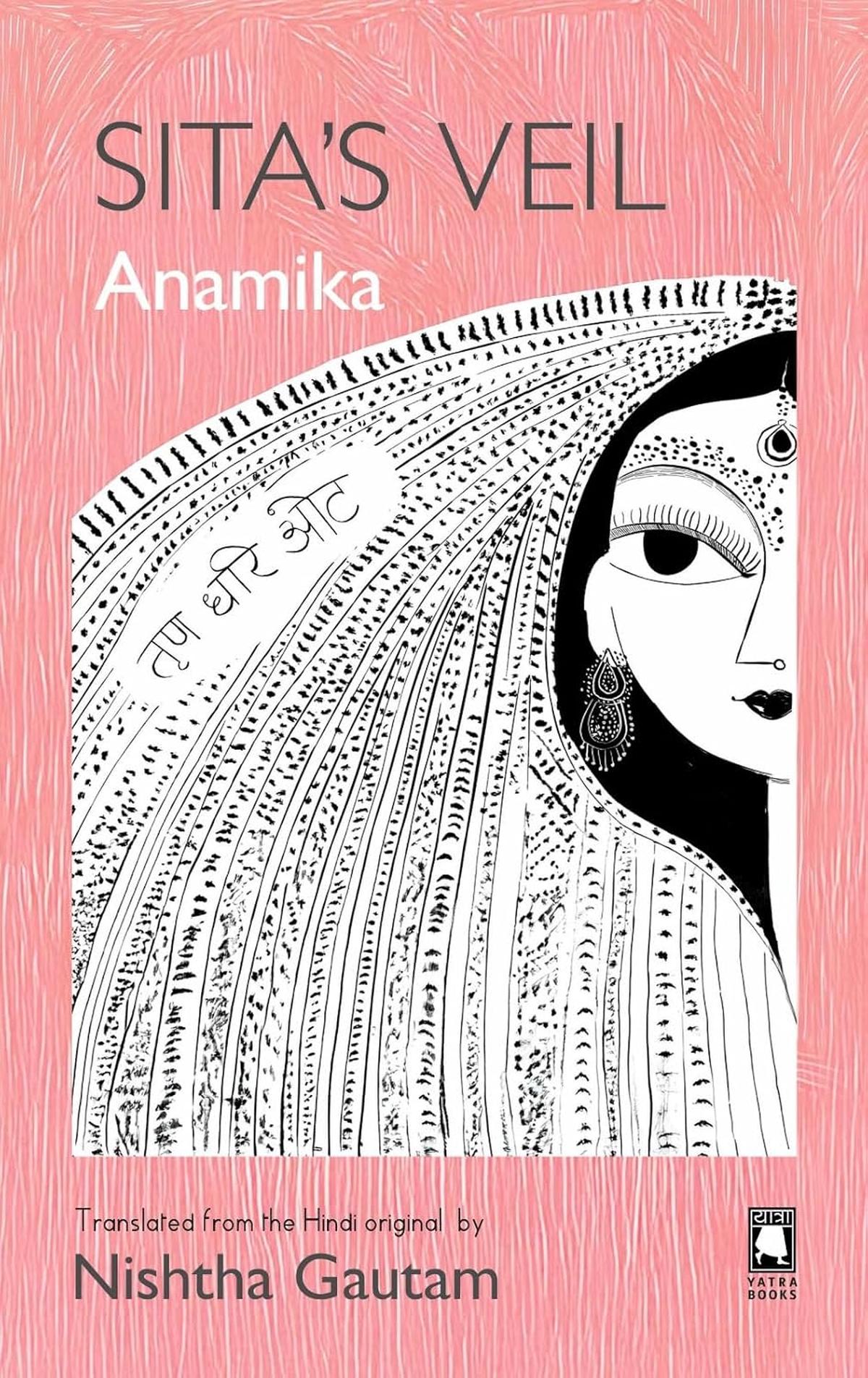
This approach is as refreshing as a dip in a swimming pool on a hot summer day. It gives the reader an opportunity to cool down, and choose reinvention over rage as a response to patriarchal depictions that have accumulated over time, turning Sita into a passive, unimaginative spectator.

Metaphors and smooth translation
Anamika’s Sita is a person of deep knowledge and insight. When she lives in the ashram, away from Ayodhya, Ram writes letters to seek her advice on matters of policy and governance. She replies, and this “confidential correspondence” is routed via Hanuman, who delivers letters back and forth. In one of these, she writes, “I sit to read them under the shade of the same Sal tree where you once used to re-braid my hair in the deepest hour of night — with strings of magnolia.”
This tender moment reveals a shade of love that is quiet and homely, which can bloom only when Ram and Sita get a break from the roles and responsibilities assigned to them in public life. The author’s decision to include it in her narrative reflects a maturity of thought that does not imagine the sacred and the sensual, or the divine and the human, to be polar opposites.
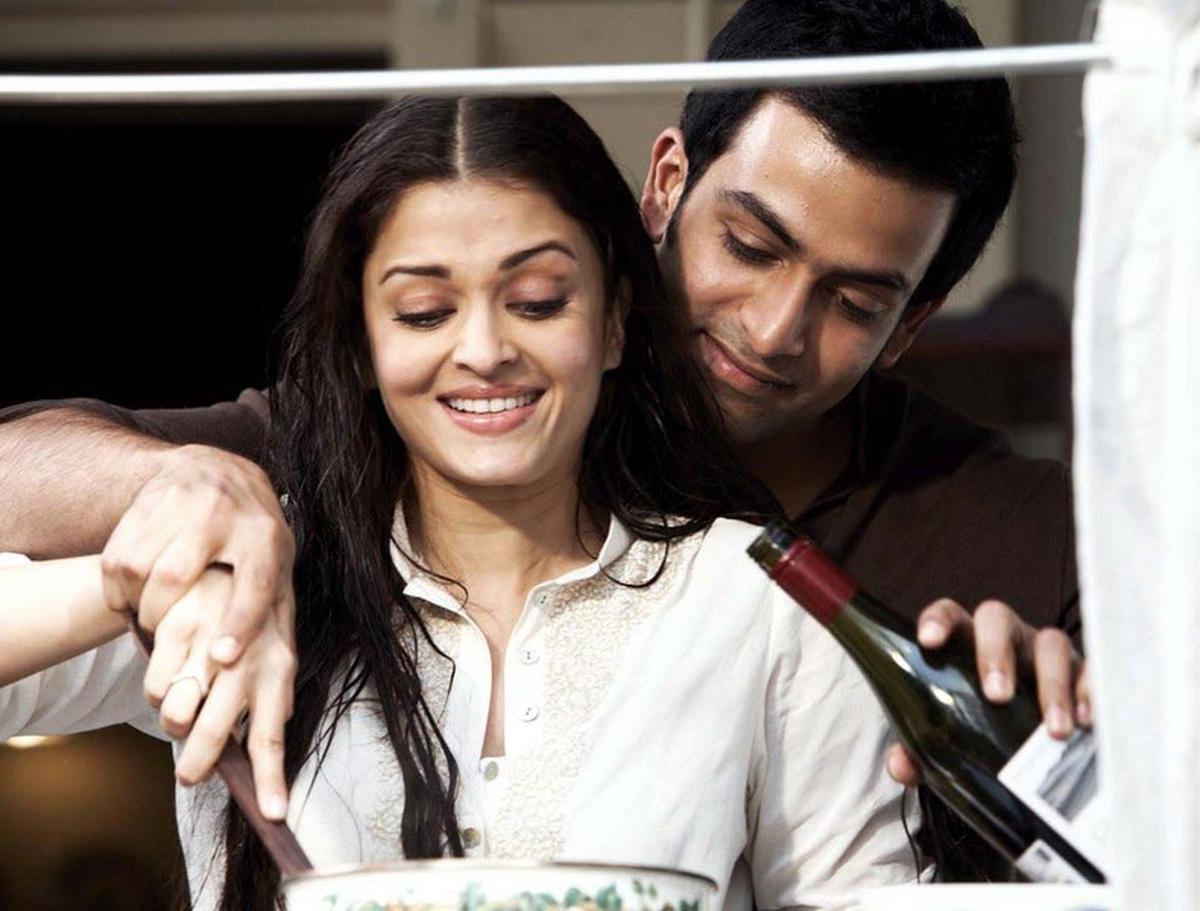
Actors Aishwarya Rai and Prithviraj in the 2010 Tamil language film, Raavanan, a reimagined take on the Ramayana.
Sita delights in the intimacy that she and Ram enjoy as a couple, and seems utterly comfortable talking to her father Janak about it. In her letter to Janak, Sita writes, “I tasted the elixir of the single-minded love of a man like Ram, and birthed two children — my body has been utilised beautifully.” Such candour is rare even in most contemporary urban homes in India, where intergenerational conversations about sexuality are considered awkward and avoidable.

One of the most evocative pages of this book has Sita describing the process of bringing her twin sons Luv and Kush into the world. She says, “My pain was peaking and I felt like kicking the mountains away. Forests were trembling with my sighs when suddenly a lightning bolt struck somewhere and two boys swam out of me like fish.” The metaphors used here are magical, and the translation flows smoothly. It is able to bring forth their emotional power and spiritual depth.

Hindi poet and writer Anamika
No one is beyond repair
Anamika’s Sita will also be remembered for her solidarity with Ravan’s sister Shoorpanakha, who was attracted to Ram and was punished for this supposed transgression by Ram’s brother Lakshman who chopped off her ears and nose. This knee-jerk violence is unbearable to Sita.
In a letter to Shoorpanakha, Sita writes, “Trust me, Shoorpanakha, what you suffered jolted my heart. You were just an adolescent girl. Your love proposal wasn’t a crime that Lakshman had to inflict such a harrowing punishment that left you mutilated.”
Sita does not pretend that Ram is infallible. Upset that he did not act to prevent Lakshman from hurting Shoorpanakha, she adds, “He had the language and wisdom to convince you to leave him alone, why did he forget that? After you left, I harangued Ram and Lakshman and they were also ashamed of themselves.”
To arouse empathy for Shoorpanakha, often reviled for her audacity, the author’s note states, “Poor she! She was just sixteen. Had she been in our times, she would have been appearing for her standard 10 Board Examination. At this age, infatuation is no big deal.” Grace and generosity are embedded in the novel, as is the belief that no one is beyond repair. Anamika’s fictional universe is one where all beings have a chance to learn, grow and evolve if they choose to. This includes Ravan.
The reviewer is a writer, educator and literary critic. His work has appeared in various anthologies, including Fearless Love (2019) and Bent Book (2020).
Sita’s Veil
Anamika, trs Nishtha Gautam
Yatra Books
₹299
Published – February 02, 2026 03:42 pm IST
Discover more from News Link360
Subscribe to get the latest posts sent to your email.