

How an interest in beauty work grew into livelihood in Lalitpur district
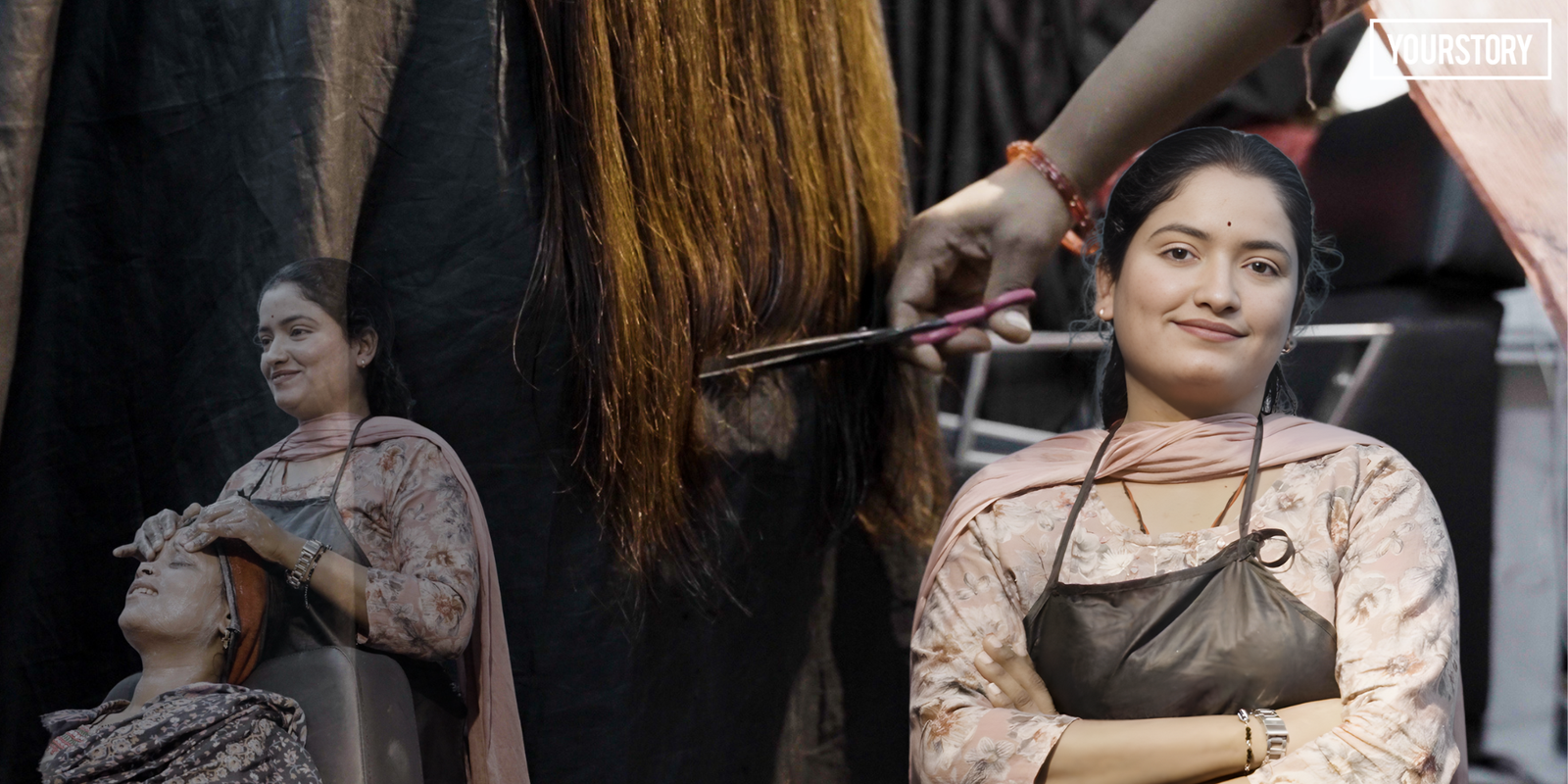
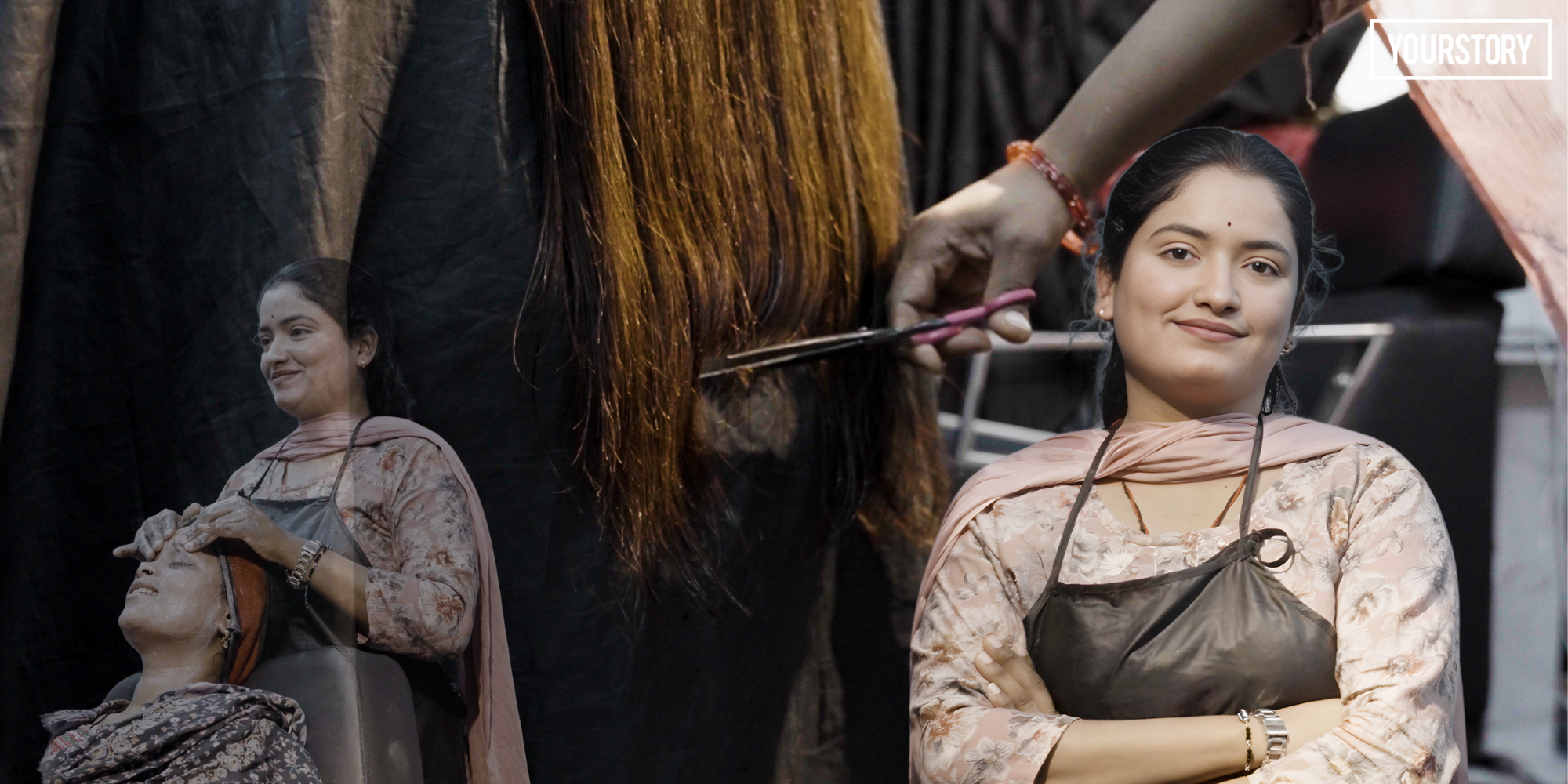

What began as informal, home-based work has gradually taken the shape of a fixed setup where clients now come in regularly.
For Shraddha, the choice of work was guided less by market calculations and more by familiarity and interest. She had seen beauty work up close through family members and friends, and found that the line suited her skills and circumstances.
The work allowed her to operate close to home, manage household responsibilities, and build relationships with a largely local, women-only client base.
Early interest and slow beginnings
Shraddha completed her postgraduate studies but did not have a clear professional plan. On the other hand, exposure to the beauty industry came early, through a friend who had built a long-running career in the field and through small amounts of work happening within her extended family.
After getting married, she received steady encouragement from her husband to take the work more seriously.
In the early years, there was no shop. Instead, she visited clients’ homes, taking on small assignments and building trust gradually.
“I started doing small jobs, and slowly people began to call me back,” she says. As the number of clients grew, managing appointments without a fixed place became difficult, and the idea of opening a dedicated parlour began to take shape.
Learning, standards and daily work
Shraddha invested time in learning the craft formally, starting with local classes in Lalitpur and later attending seminars and short courses outside the district. The training helped her standardise her work and understand hygiene, presentation and client handling, aspects she believes matter as much as the final result.
Today, day-to-day work at the parlour is steady. Routine services keep the business running through most months, while wedding seasons bring a temporary increase in demand.
During peak periods, she also takes outdoor bookings, travelling to venues to prepare brides and their family members. The work, she notes, involves managing emotions as much as appearance, since weddings often carry high expectations and pressure.
Support and a settled present
To set up the parlour space and purchase basic equipment, Shraddha accessed financial support under the Mukhyamantri Yuva Udyami Vikas Abhiyan (CM YUVA) Yojana. The loan helped her move from home-based services to a fixed location and organise her work more systematically. Since then, the business has settled into a predictable rhythm, with regular customers and seasonal fluctuations that she has learned to plan for.
Running the parlour has changed daily routines, leaving less free time at home, but it has also brought a sense of stability. The income supports household needs, and the workspace has become a point of interaction for other local women who occasionally find work alongside her.
Looking back, the journey feels incremental rather than transformative. Early uncertainty, small beginnings, and gradual learning have led to a modest but steady business. For Shraddha, that progression, from informal work to a settled enterprise, marks a quiet form of achievement rooted in patience rather than sudden change.
Discover more from News Link360
Subscribe to get the latest posts sent to your email.