


T20 World Cup 2026: USA eyes repeat of history against mercurial Pakistan
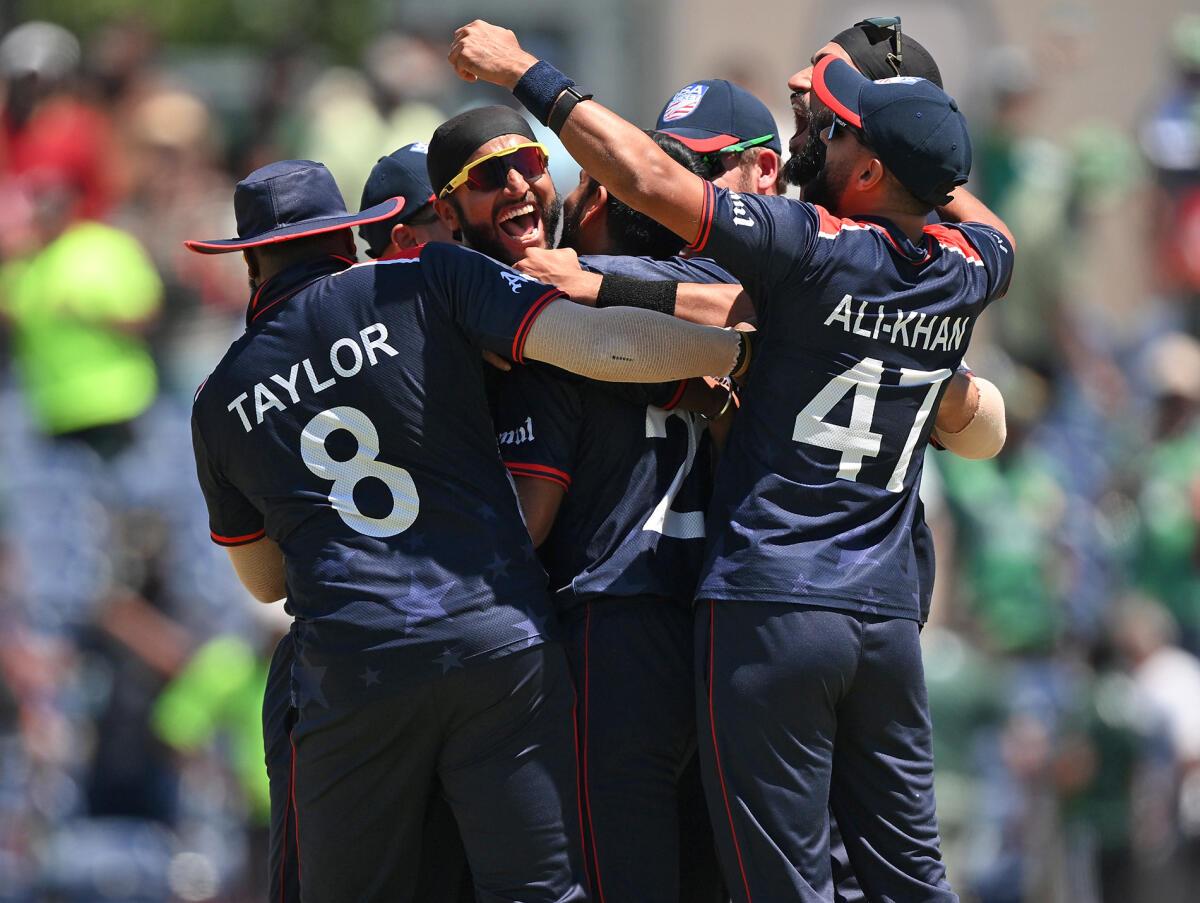
The Monank Patel-led side will start one-up against Salman Ali Agha’s men after beating the 2009 World T20 champion in a Super Over in the 2024 edition. Even if players from both sides have moved on from that event, the growing stature of associate nations in the T20 format keeps this contest spicy, alongside other challenges.
| Photo Credit:
Getty Images

USA players celebrate after beating Pakistan in the Super Over at the 2024 T20 World Cup.
| Photo Credit:
Getty Images
A loss, even in a single game, can apply pressure, and the USA has arrived on Lankan shores carrying that added weight after losing to India in its opening fixture.
However, it still has three games left, unlike Pakistan, whose campaign hangs in an awkward balance with its next scheduled fixture against India still uncertain.
The margin for error is minimal, particularly in a tournament that has so far offered Full Member nations little breathing space. Associates have entered this edition armed with extensive information on the so-called senior teams.
Case in point: the USA giving India an early scare through smart bowling plans and field placements. It would be no surprise if similar measures are employed when Pakistan’s batters walk in.
ALSO READ | Mirza: Pakistan has strong batting lineup to tackle USA bowlers
Openers Saim Ayub and Sahibzada Farhan both tend to start slowly. Early trends in this edition suggest pitches, especially in Sri Lanka, are gripping and responding more to spin, making the PowerPlay a crucial phase for batters to latch on to.
It wouldn’t be surprising if Monank begins with a spin–pace combination with the new ball, knowing both opposition openers could be lured into a false shot.
Issues deepen once Ayub departs, as Pakistan’s next four batters all take a right-handed guard, bringing Harmeet Singh, who picked up two Indian wickets with his left-arm spin, and leg-spinner Mohammad Mohsin into play.
To counter, Pakistan could consider introducing left-hander Fakhar Zaman in the middle order, but would it be bold enough to drop senior batter Babar Azam?
Pakistan’s batting remains a concern in that regard. There is accumulation through the top order, but not necessarily rapid acceleration—the top five have a combined strike rate of 133.18 against pace and 125.04 against spin. None are natural fast starters, and on surfaces like these, they can leave the side vulnerable to early containment.
The Netherlands nearly exposed that flaw before Faheem Ashraf’s late hitting rescued Pakistan, but repeatedly relying on the lower order to bail out the top is a dangerous habit in tournament cricket.
ALSO READ | Netherlands’ Ackermann: Little time to mull over losses at T20 World Cup
The advantage Pakistan holds is that its batting is designed to reach safe scores like 160, which could still be in winning range if the tournament trend continues.
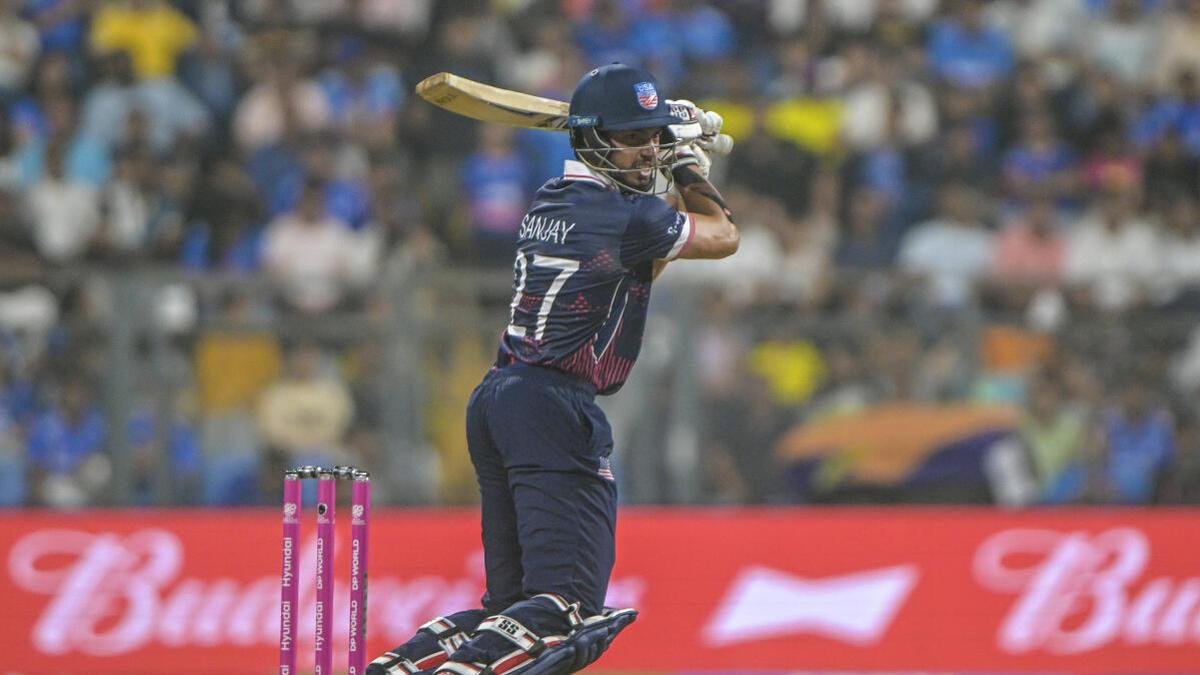
The USA’s top order is yet to arrive at this tournament. The middle order—Milind Kumar, Sanjay Krishnamurthi, and Shubham Ranjane—showed glimpses of potential, but a complete shift in conditions from Mumbai’s Wankhede Stadium to the SSC means another round of readjustment beckons.
The Americans have already shown they can prepare meticulously for high-profile opponents. Will they come good again, or will Pakistan be able to contain the high-flying associates? The future holds.
Published on Feb 09, 2026
Discover more from News Link360
Subscribe to get the latest posts sent to your email.