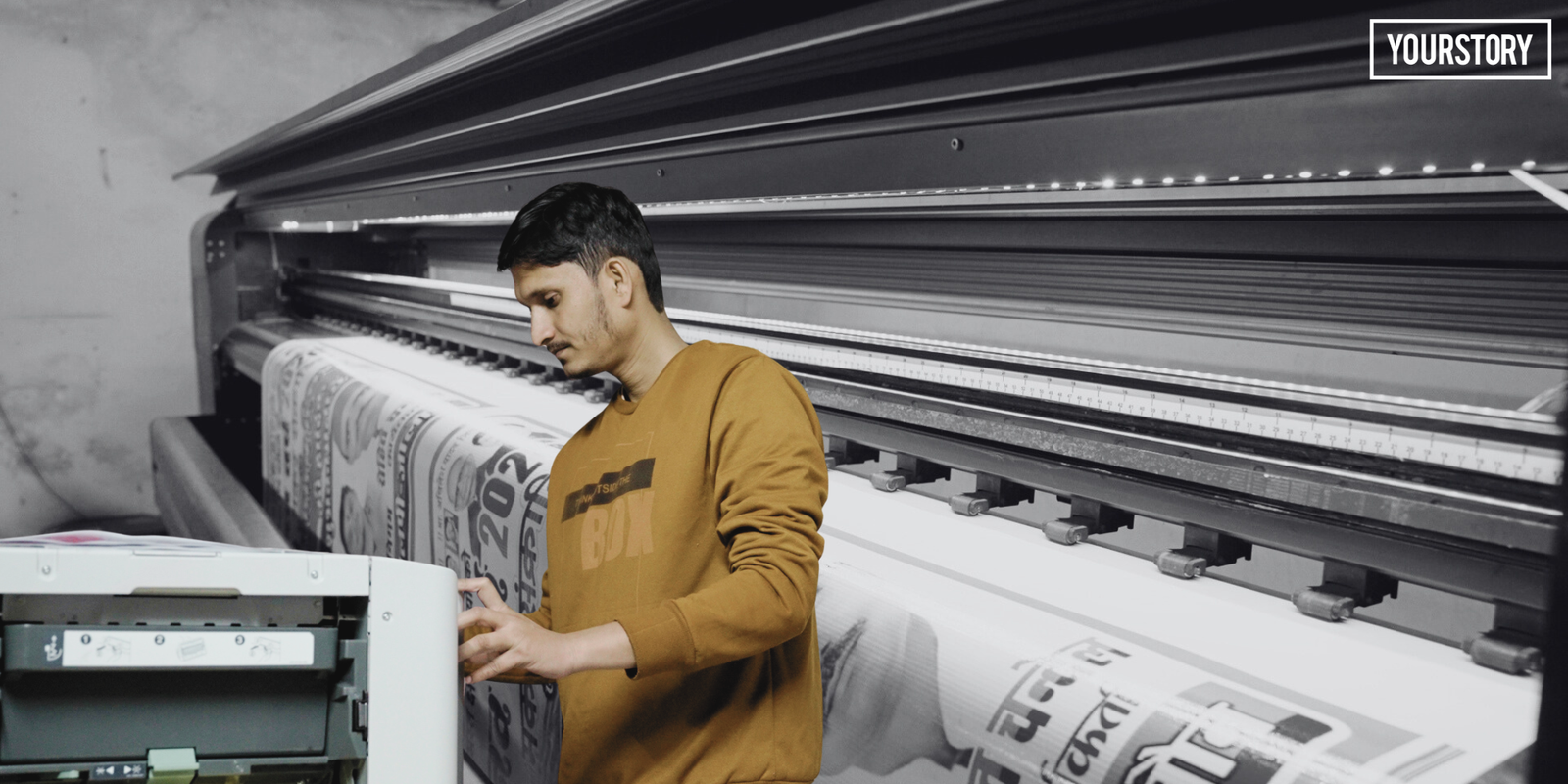


How a small garment unit in Kanpur Dehat is stitching its way into ecommerce
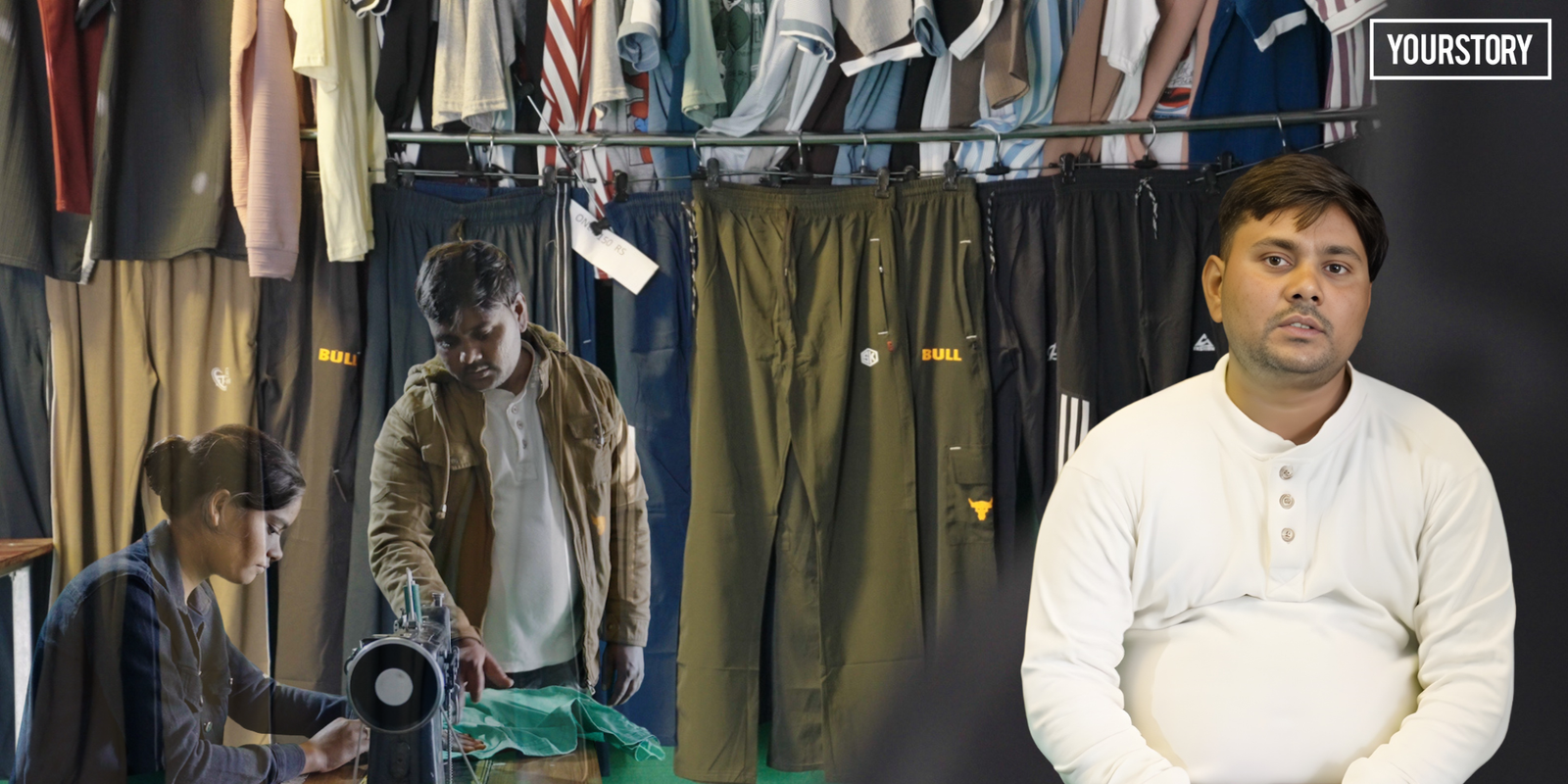
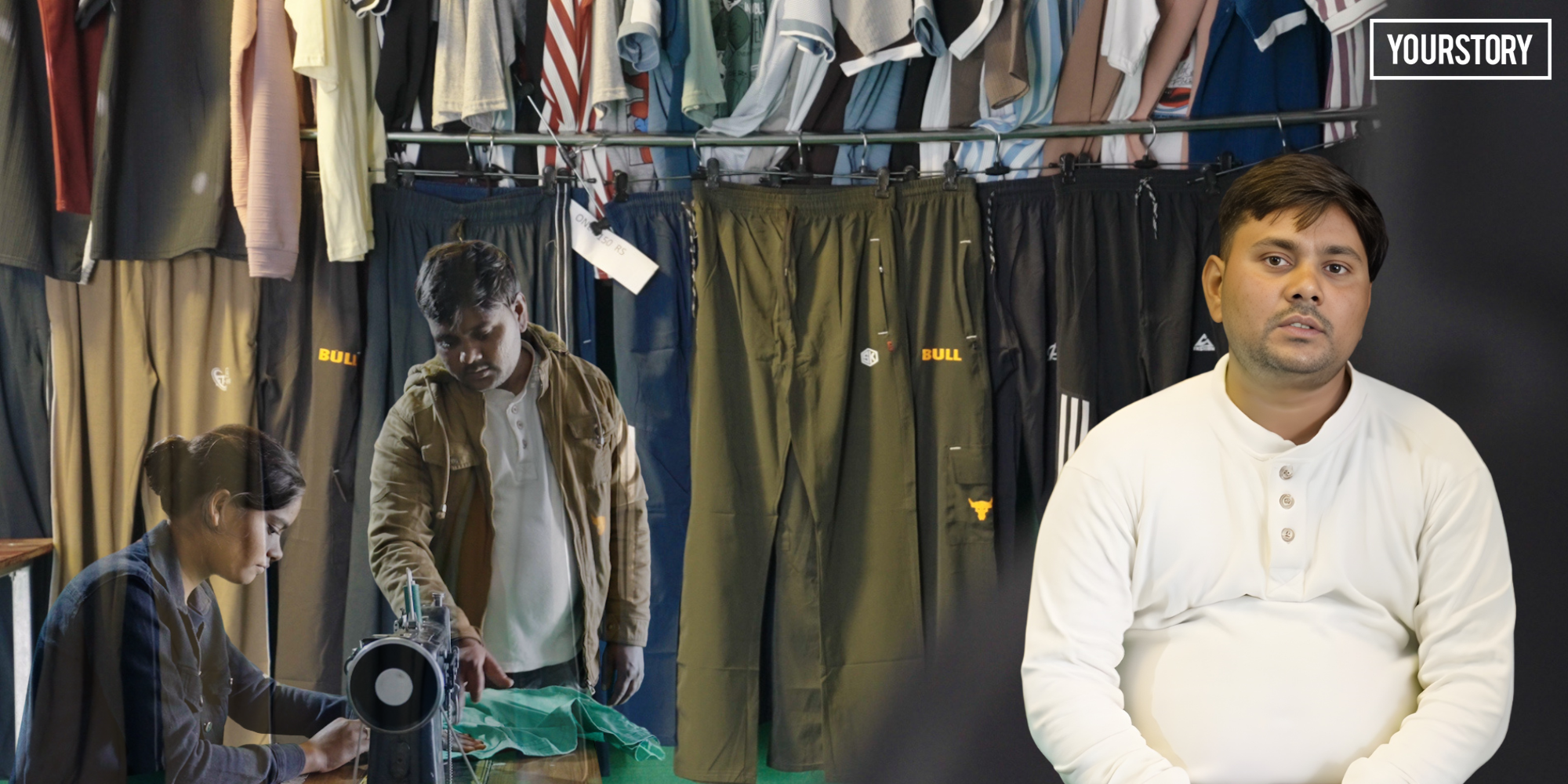

Gaurav, who runs the unit, says the focus is on petticoats right now, an item with steady demand, and can be produced in batches and sold regularly.
Additionally, he keeps some ready-made garments sourced through wholesale, which he stocks and sells locally. If customers want other items, such as T-shirts, lowers, tech suits, or any items in specific patterns, the unit tries to take them up depending on demand and capacity.
Learning the work, then starting small
Gaurav has been learning tailoring and garment work since 2016. After about a year of training, he began working independently. Eventually, he took up jobs in other companies to build skills and understand production.
Having worked across different patterns and products, including jeans and jackets, he picked up not only stitching but also basic know-how of selling and handling orders while on the job.
After getting married, he could not settle outside and decided to set up shop locally instead.
As a result, he set up this unit around six months ago. His wife also supports the work, and a small team handles stitching and day-to-day tasks alongside him.
Cash flow and the pressure of pending payments
Today, the business is listed on apps like Meesho, but there are roadblocks.
Like many small units trying to sell online, the challenge has been working capital. Gaurav describes how money can get stuck between buying fabric, paying workers, and waiting for platform payments to clear.
On the other hand, for apps such as Meesho, he says, payouts are not immediate and can take a week to fifteen days. Meanwhile, raw materials still need to be bought in for orders to be completed on time.
Order handling brings its own risks. Once, a buyer placed a large order of about 100 pieces in a particular colour, and his stock was short, so he has had to cancel.
The unit has tried to reduce such gaps, he says, but the constraints of a small setup make it difficult to hold every variation.
To manage these pressures and scale online work, he applied under the Mukhyamantri Yuva Udyami Vikas Abhiyan (CM YUVA) Yojana, and received financial assistance of Rs 5 lakh in what he describes as an “interest-free loan”.
Faster machines, steadier workdays
With support under the CM Yuva Yojana, Gaurav bought electric machines. The difference, he explains, is in speed: what used to take a full day on regular machines can now be produced in about an hour.
He also says the unit now has four additional workers, and that completing orders on time has become easier.
For Gaurav, the shift is less about expansion as a headline and more about reducing daily uncertainty—being able to buy fabric when needed, keep workers paid, and meet delivery timelines.
After years of learning and a cautious start, he says the work now feels more stable, with a clearer rhythm to production and fewer days lost to delays.
Discover more from News Link360
Subscribe to get the latest posts sent to your email.