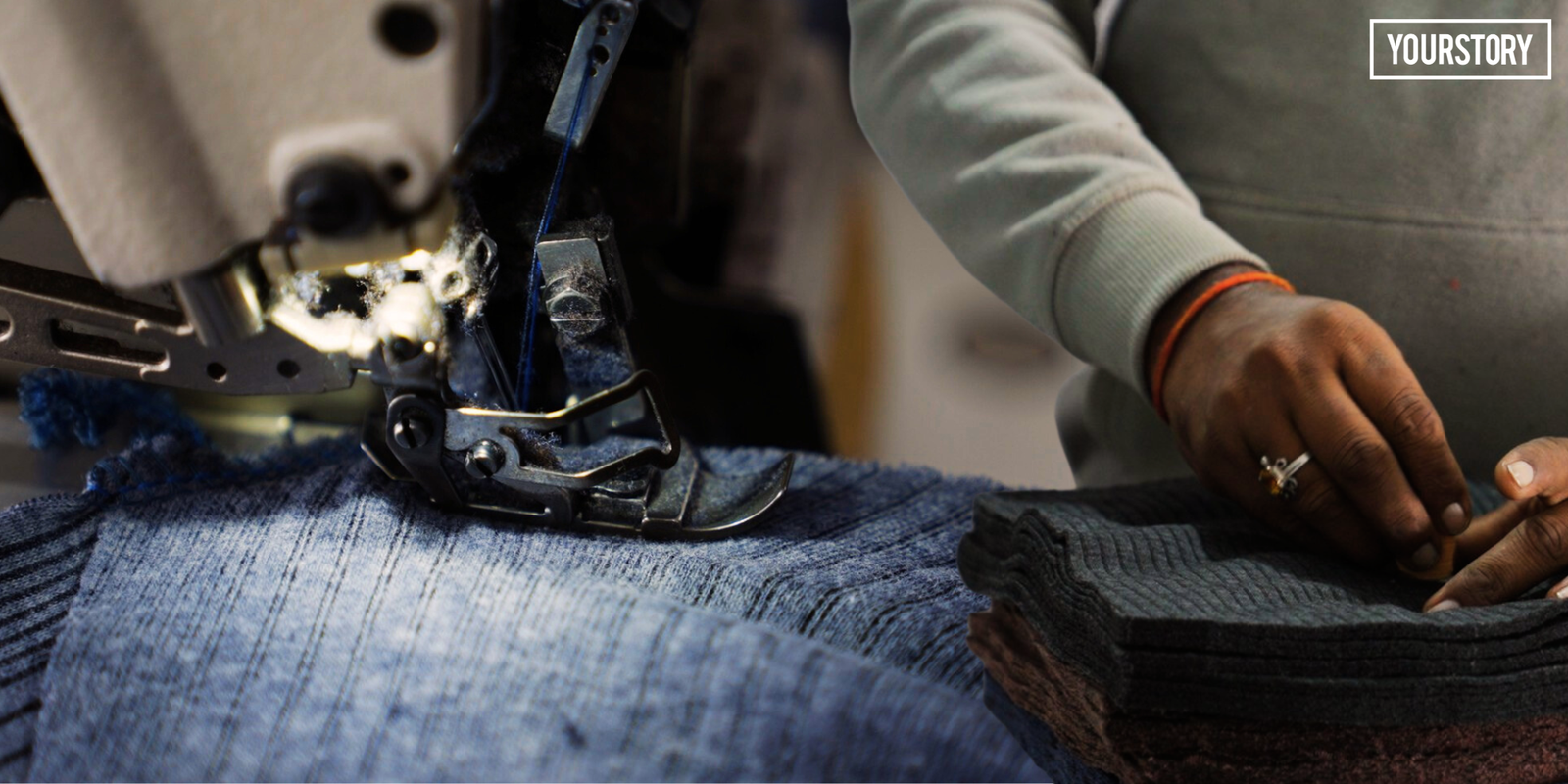
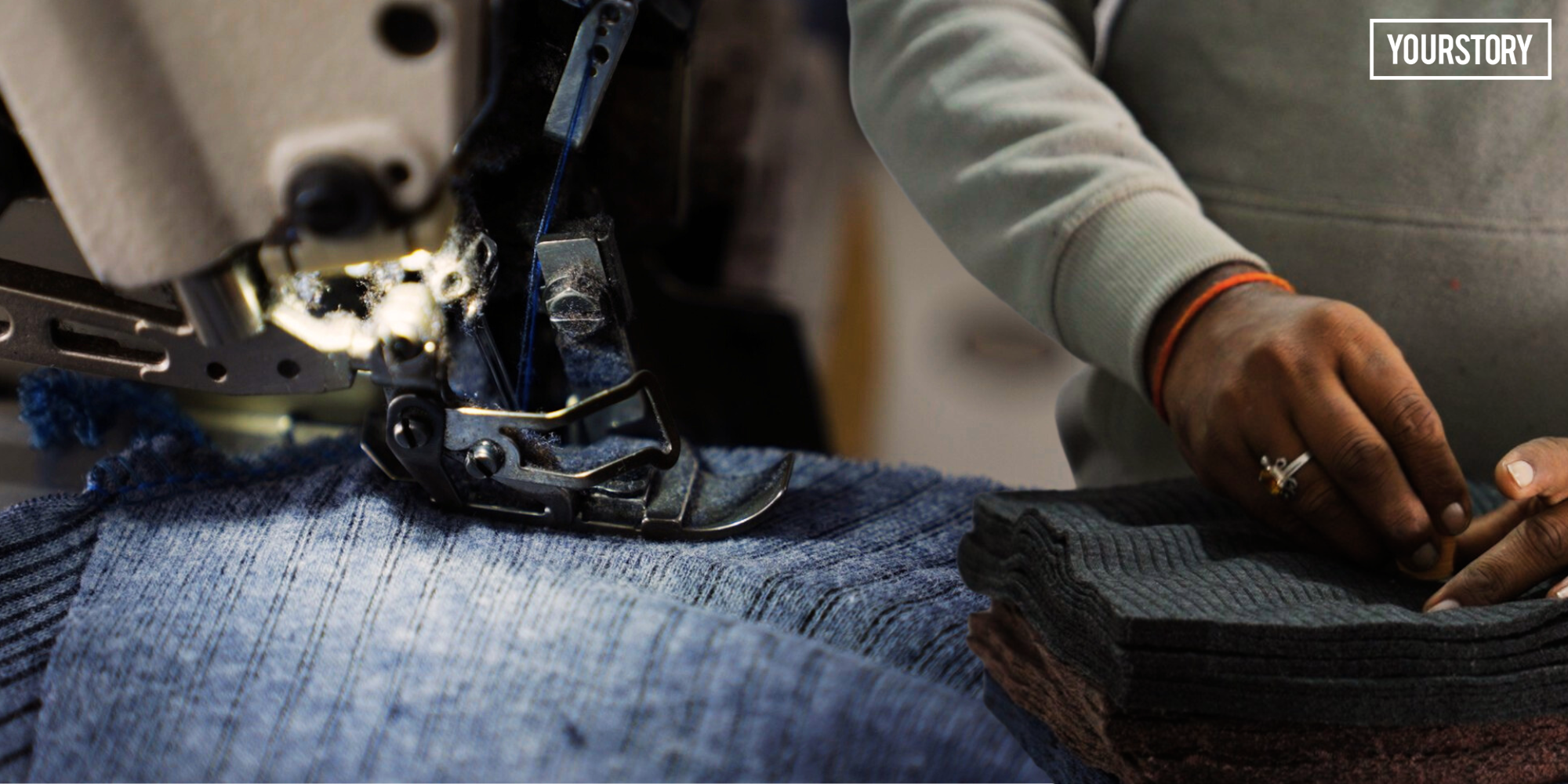

The work supports cutters, machine operators, stitchers, finishers, packers, and traders whose livelihoods depend on keeping output consistent across seasons.
In recent years, this chain has gained a more formal push through One District One Product (ODOP), Uttar Pradesh’s initiative that strengthens district-identified goods through easier finance, training support, and market access. For small and mid-sized units, that support often matters less as a label and more as a practical bridge, helping businesses stabilise working capital and expand distribution without losing control over quality.
Khalilabad sits at the centre of this network. This is where we meet Paritosh Gupta, who runs Gopal Industries, a unit supplying readymade hosiery garments across the surrounding belt, reaching up to the Bihar border and into Bihar’s markets.
The product range is broad, but the business logic stays simple: keep fabric reliable, keep sizes consistent, and keep the unit running.
A family-run biz
It was Gupta’s father who had started the business as a small endeavour. What began with a limited setup expanded step by step as demand held and capacity improved.
The workforce stayed in the range of 40-50 workers, rising during peak winter months when orders increase and deadlines tighten.
The unit’s output sits within hosiery and readymade garments. It produces lowers, T-shirts, leggings, warmers, and winter thermals for adults and children. Gupta also manages a separate factory in Kanpur for select products and speaks of widening the mix further, while staying cautious about quality control.
His strongest differentiation is fabric and fit. He prefers cotton and fine cotton for much of the range and avoids leaning heavily on polyester blends.
“Quality and size are what I guarantee,” he says, adding that it is the promise that keeps wholesale buyers returning even in crowded markets.
From Cutting to Market Reach
The workflow follows a standard garment cycle, but Gupta stresses that the discipline lies in execution. Fabric is sourced in cotton, fine cotton, and viscose. For winter thermals, he relies on established suppliers from Ludhiana.
Production then moves through cutting, stitching, and finishing, before garments are packed and prepared for dispatch. His shop in Bardahiya Bazaar anchors local sales while also supporting wider distribution.
Quality shows up in feel, finish, and usability. Softness matters for summer wear, while consistent stitching and sizing reduce complaints and returns in wholesale trade. He describes the business as having grown into a sizable operation, citing stock and market value estimates around the Rs 2 crore mark, while emphasising that the scale came through gradual expansion rather than a sudden leap.
Exposure beyond the region has also shaped his ambitions. At an exhibition in Noida, he met buyers who showed interest in his lowers and T-shirts, including visitors from abroad who asked specifically about fine cotton for hot climates.
For Gupta, that interaction reinforced a basic lesson of the trade: fabric decisions can open new markets long before branding does.
He links a portion of the unit’s growth to ODOP support, including guidance, a bank loan route, training inputs, and periodic official visits. His advice to newer entrepreneurs stays grounded in the same idea: build credibility slowly, use institutional support responsibly, and let consistency do the talking.
Discover more from News Link360
Subscribe to get the latest posts sent to your email.