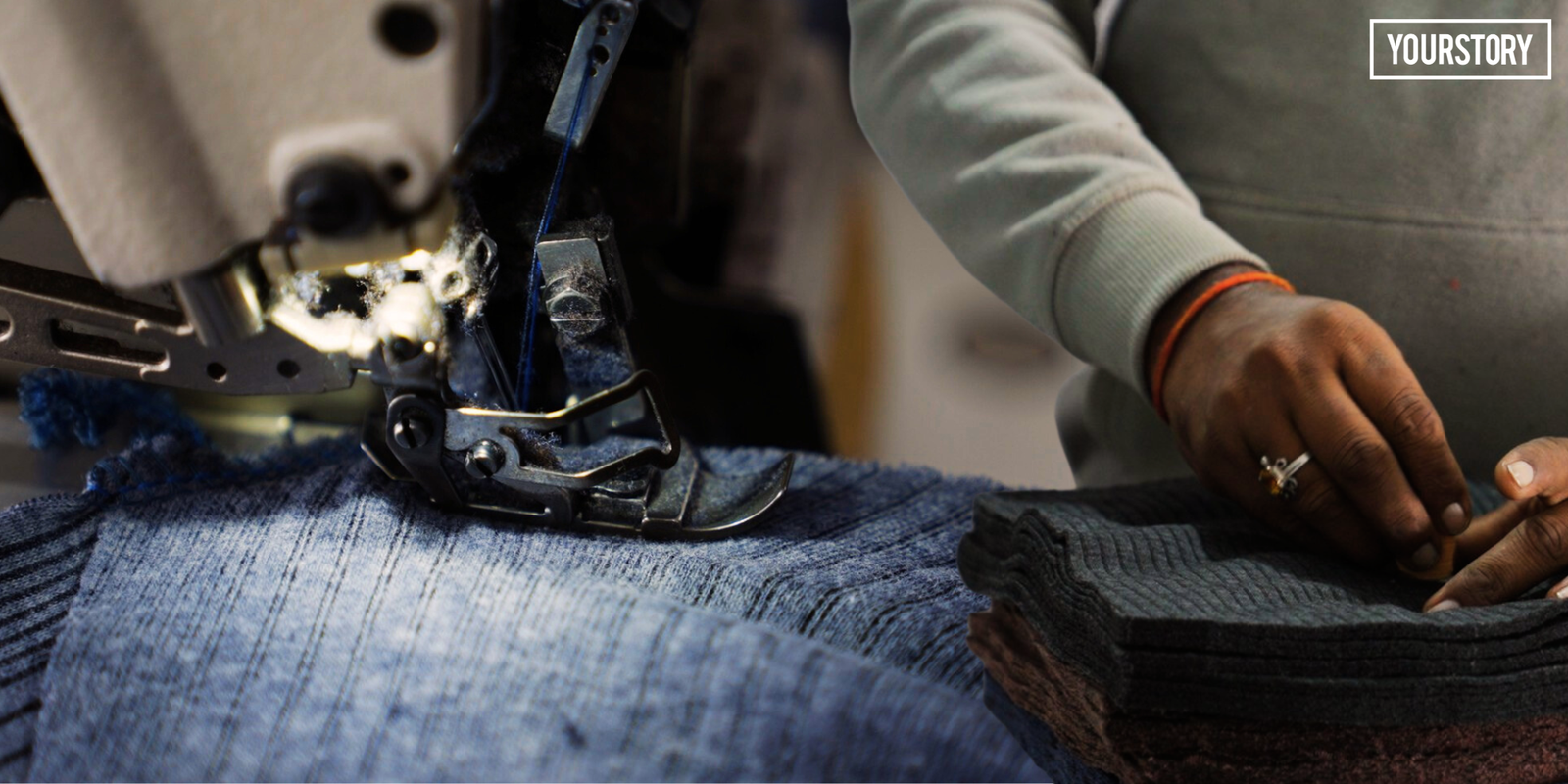
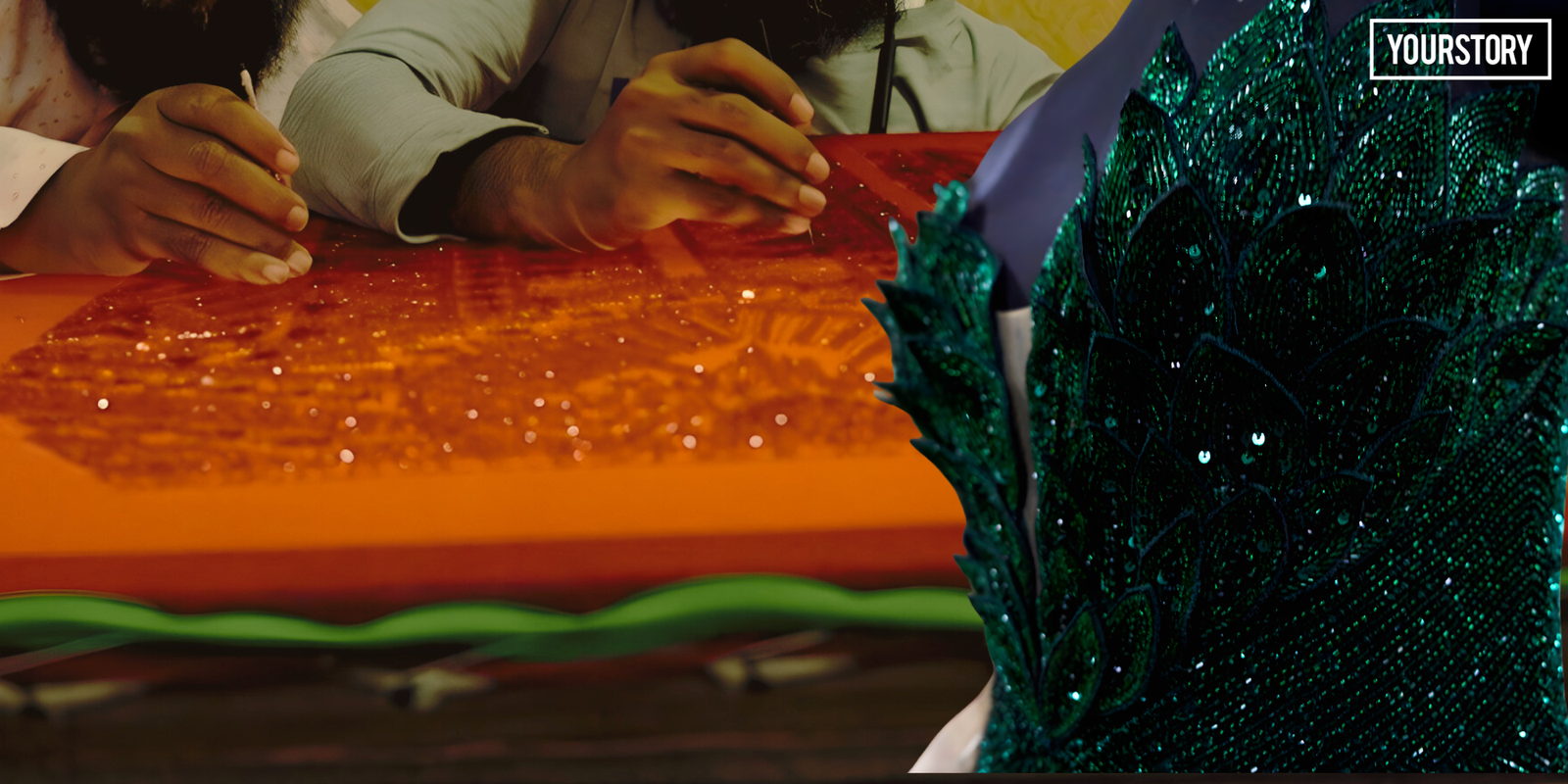

Known as “Zari Nagari” (Zari City), Bareilly’s identity is closely tied to this craft. Designs circulate across homes and small workshops, embroidery panels move between artisans, and finished garments reach buyers across India and international markets.
One of the entrepreneurs shaping this ecosystem is Sudeep Rajgadhia, founder of Rajgadhia Exports. An engineer by qualification, he was drawn into handicrafts after visiting exhibitions during his student years. Recognising Bareilly’s strong handwork network, he shifted to the city and began with a small three-person unit. Over time, the business expanded, with his wife Shikha now leading production and coordinating everything from sampling to bulk orders.
Tradition and Technique
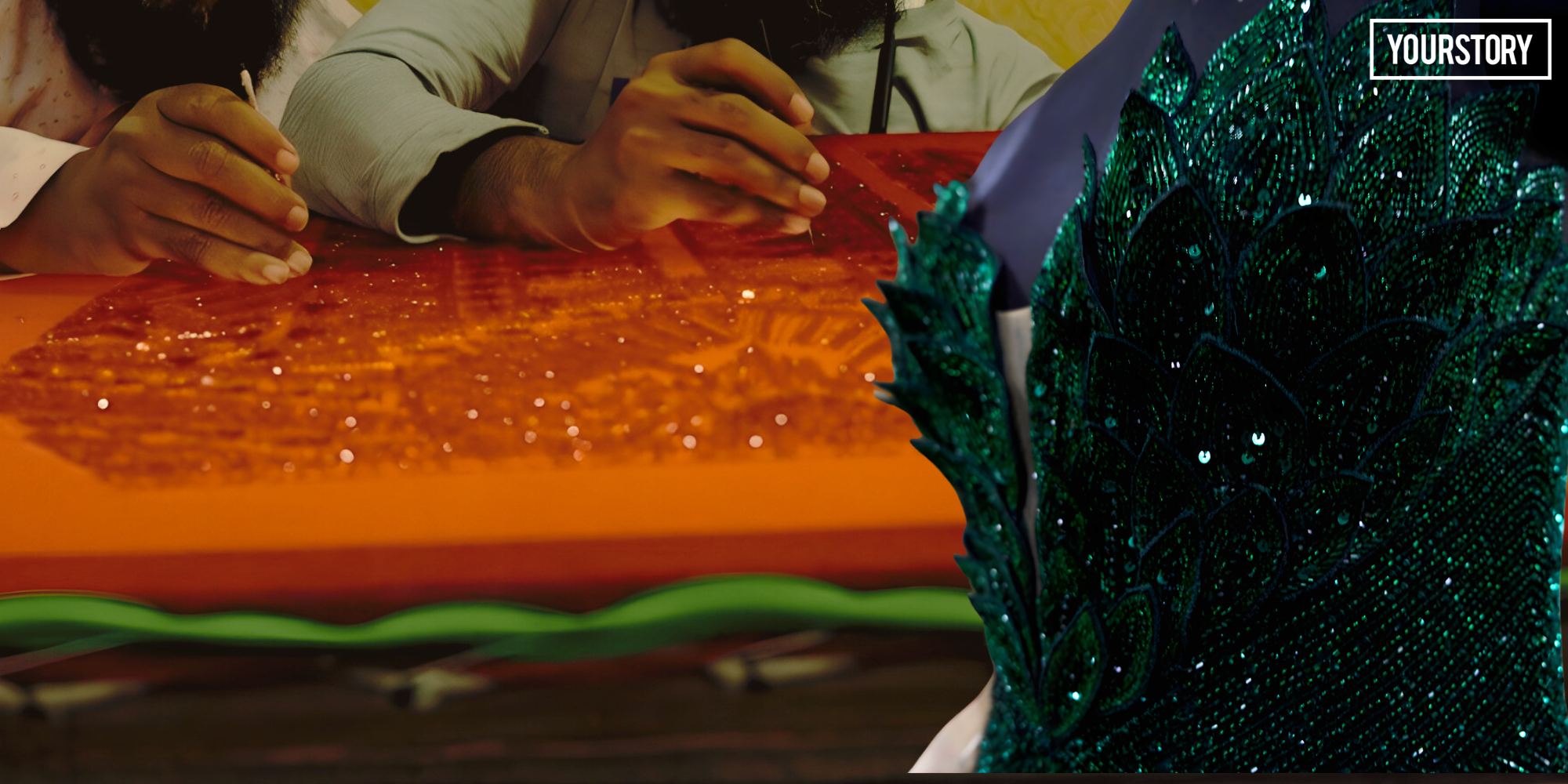
In local practice, zari often overlaps with zardozi—a form of raised embroidery that incorporates beads, sequins, and heavier embellishments. While zari broadly refers to metallic threadwork, workshops in Bareilly frequently combine both techniques, adapting to design requirements and budgets.
The craft sustains a wide livelihood chain, including artisans who work from home—many of them women—embroidering panels or components that later become part of larger garments.
From Pattern to Shipment
The production cycle begins with design development, either provided by buyers or created in-house. A pattern master prepares templates, layouts are mapped across sizes, and a swatch is produced to assess finish and detailing. Once approved, sampling begins, followed by costing based on materials, labour, and timelines.
Bulk production moves through a network of nearby units before returning for quality checks. Finishing, repair, stain removal, and consistency inspection are completed before final packing and dispatch.
Rajgadhia notes that online B2B platforms and social media have widened market access, bringing orders from multiple countries. He also acknowledges ODOP-linked support during the pandemic, which helped stabilise operations.
For him, the strength of Bareilly’s zari lies in what machines cannot replicate: the tactile richness of beadwork, precise placement, and the visible value of hand labour. In Zari Nagari, demand continues to favour craftsmanship that feels unmistakably handmade.
Discover more from News Link360
Subscribe to get the latest posts sent to your email.