
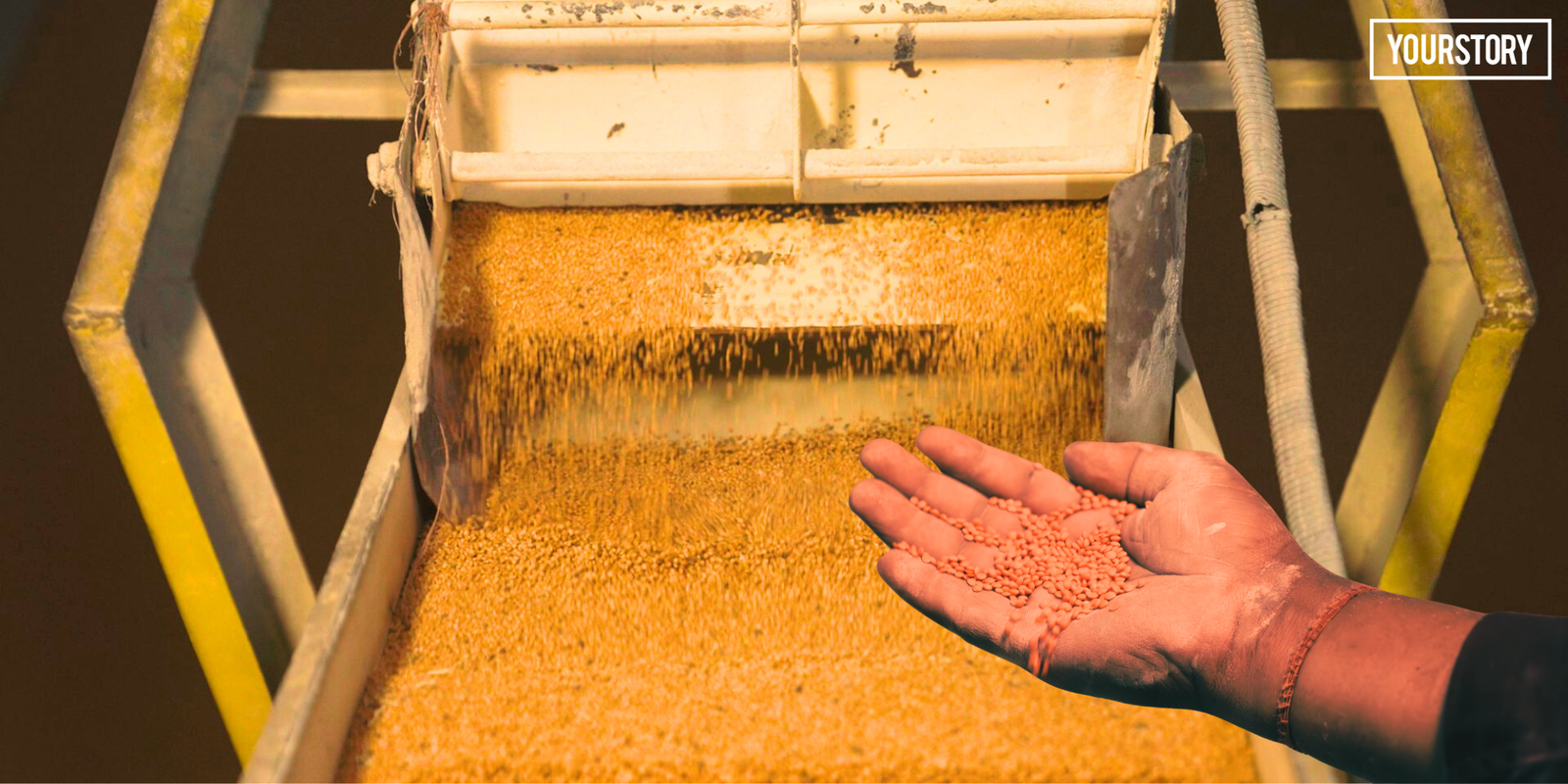
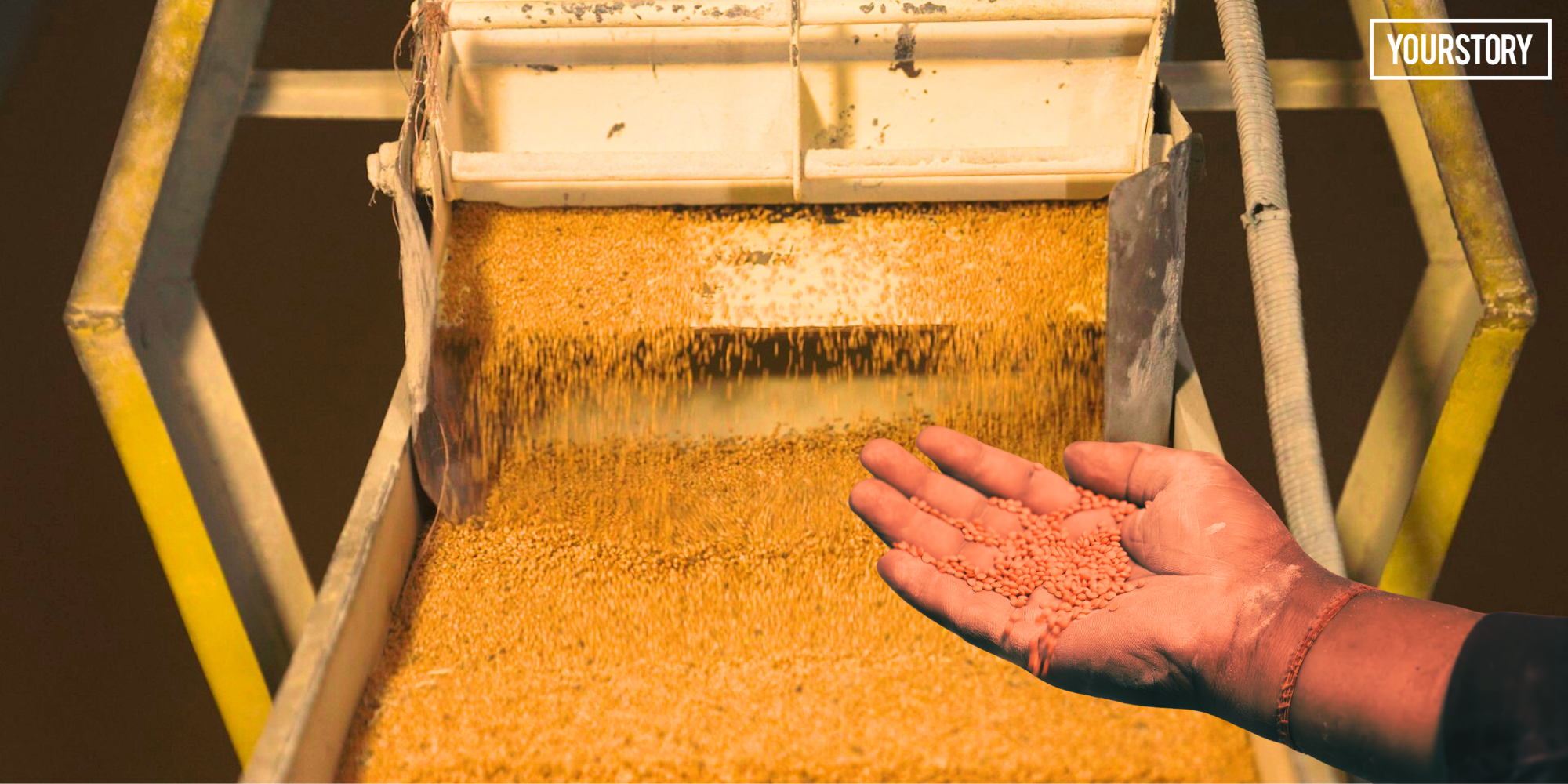

In Gonda, Uttar Pradesh, masoor dal—known in English as red lentils—is judged even before it is cooked. Buyers look for clean, evenly graded grains that require minimal preparation at home. What was once a basic pulse has become a quality-driven food processing activity connecting farmers, mandis, transporters, mills, packing lines, and wholesalers.
One such unit is Bansal Udyog, run by Siddharth Bansal. The family business began in 1981 under his grandfather, was continued by his father, and has been managed by Siddharth since 2012. Today, the unit procures raw masoor, processes it into dal, sorts and grades it, and markets it under its own brand—focusing on consistency rather than bulk commodity trade.
Driven by Out-of-State Demand
The mill specialises in chhoti masoor (small red lentils), a variety strongly preferred in West Bengal. Most finished stock moves in 30-kg bulk packs to buyers in West Bengal and parts of Punjab, with limited local consumption in western Uttar Pradesh. Production planning is therefore closely aligned with buyer specifications and grade preferences.
From Raw Pulse to Clean Dal
The process begins with procurement of raw masoor, followed by milling, sorting, grading, and packing. Over time, the expectation of “clean dal” has shifted from households to mills. Consumers now expect lentils that can be soaked and cooked without manual cleaning.
To meet this standard, the unit uses modern machinery, including colour-sorting technology that removes discoloured grains and impurities efficiently. Cleanliness, uniformity, and consistent grading have become the primary benchmarks of quality.
Siddharth Bansal notes that while buyers may tolerate price fluctuations, they do not compromise on cleanliness. Maintaining this standard requires steady working capital and operational discipline.
Through the One District One Product (ODOP) framework, the unit received margin money assistance that supported machinery upgrades and exposure to improved production practices. However, infrastructure constraints—particularly road connectivity and reliable power—remain key factors influencing future expansion.
In Gonda, red lentils are no longer just a farm output; they represent a growing processing ecosystem shaped by quality, machinery, and market expectations.
Discover more from News Link360
Subscribe to get the latest posts sent to your email.