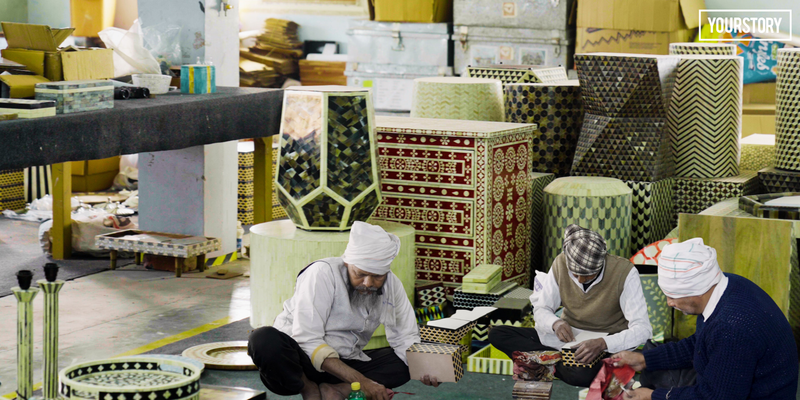
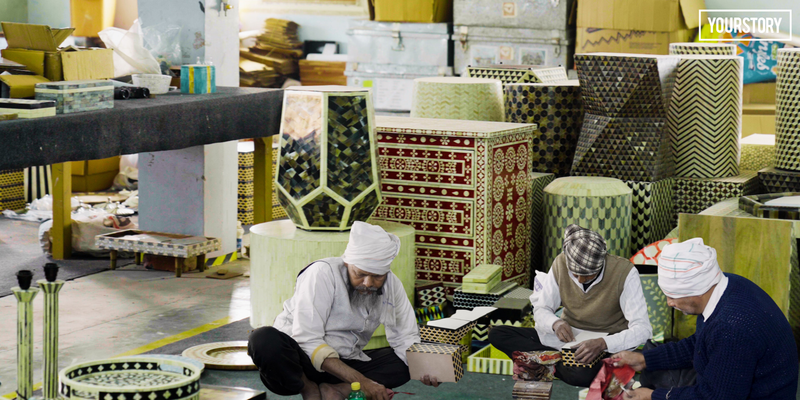

In Sambhal, Uttar Pradesh, horn and bone are not treated as waste—they are raw materials for a long-standing handicraft tradition. What once left slaughterhouses as discarded material now returns as handcrafted boxes, photo frames, combs, game boards, and décor pieces that travel across India and overseas markets.
This industry supports a network of small workshops, exporters, designers, polishers, and artisans working in compact production units across the district. Finished products appear in gift stores, exhibitions, and curated home spaces where buyers seek natural alternatives to synthetic goods.
Among the entrepreneurs shaping this sector is Mohammad Shariq, founder of Moon Light Exports. A second-generation participant in the trade, he grew up observing his grandfather and father, who supplied raw bone chips to domestic markets. Over the past two decades, Shariq expanded into exporting finished handicrafts, strengthening Sambhal’s presence in global markets.
From Raw Material to Refined Product
The craft begins with material collection. Horns and bones enter the supply chain after meat processing. Instead of being discarded, they are cleaned, consolidated, and supplied to artisan units.
The first stage is thorough cleaning—washing, chemical treatment, and boiling to remove impurities. The material is then cut into smaller pieces and shaped. In many products, bone or horn pieces are fixed onto a wooden base and carefully refined into decorative or utility items.
Quality depends on proper treatment, smooth finishing, and precision in shaping. The goal is a polished, durable product with no rough edges.
Expanding Design and Market Reach
Traditionally known for combs, Sambhal’s horn and bone craft has expanded to include board games such as chess, ludo, and carrom, along with decorative boxes and contemporary home accessories.
Shariq credits digital platforms and exhibition participation for widening market access. Through the One District One Product (ODOP) initiative, artisans received support for exhibitions and market linkages.
“Earlier we searched for buyers; now buyers find us,” Shariq says.
Today, the craft survives because it combines sustainability with skilled craftsmanship. In Sambhal, horn and bone are no longer by-products—they are transformed into finished goods built to last.
Discover more from News Link360
Subscribe to get the latest posts sent to your email.