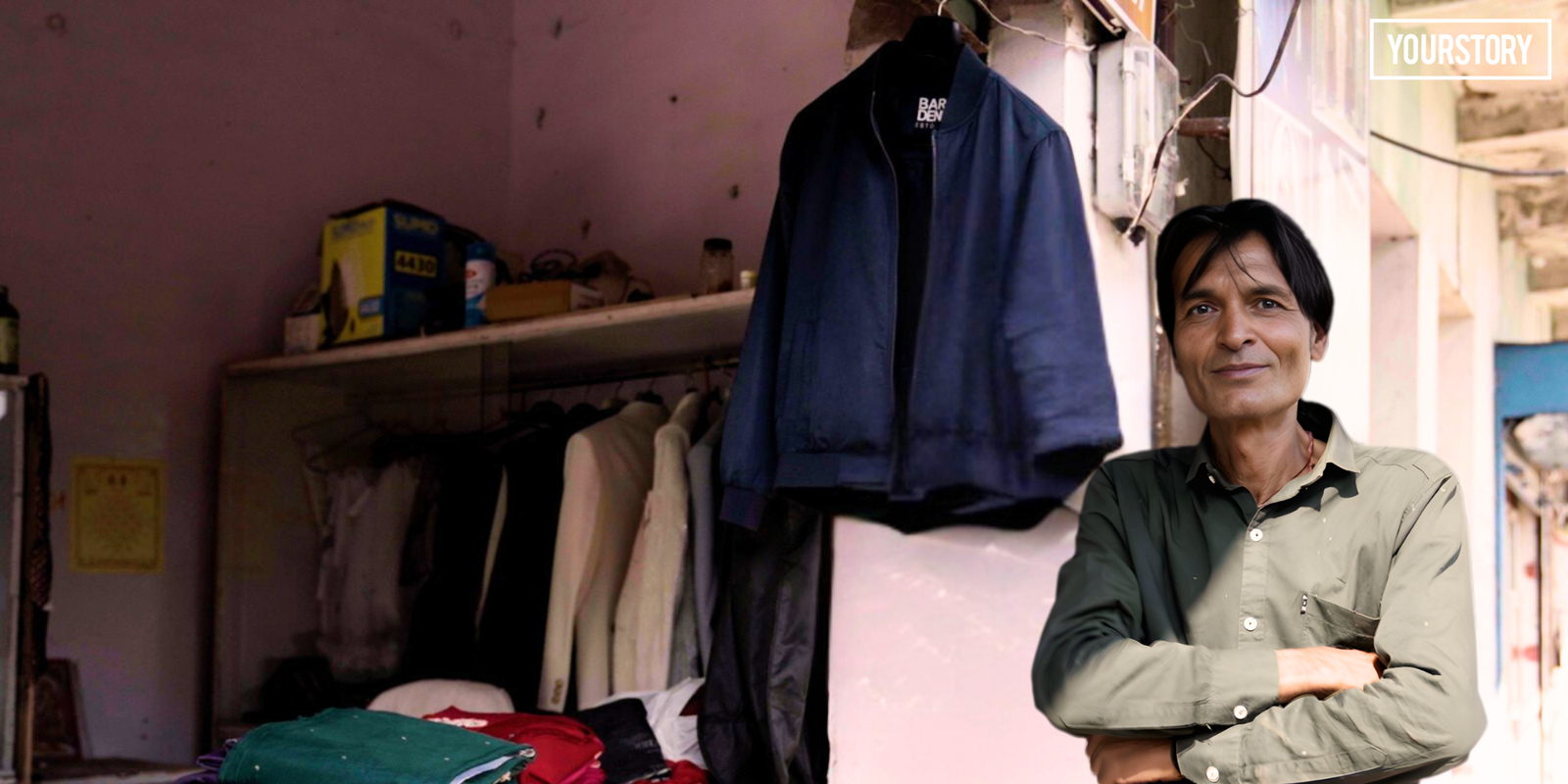
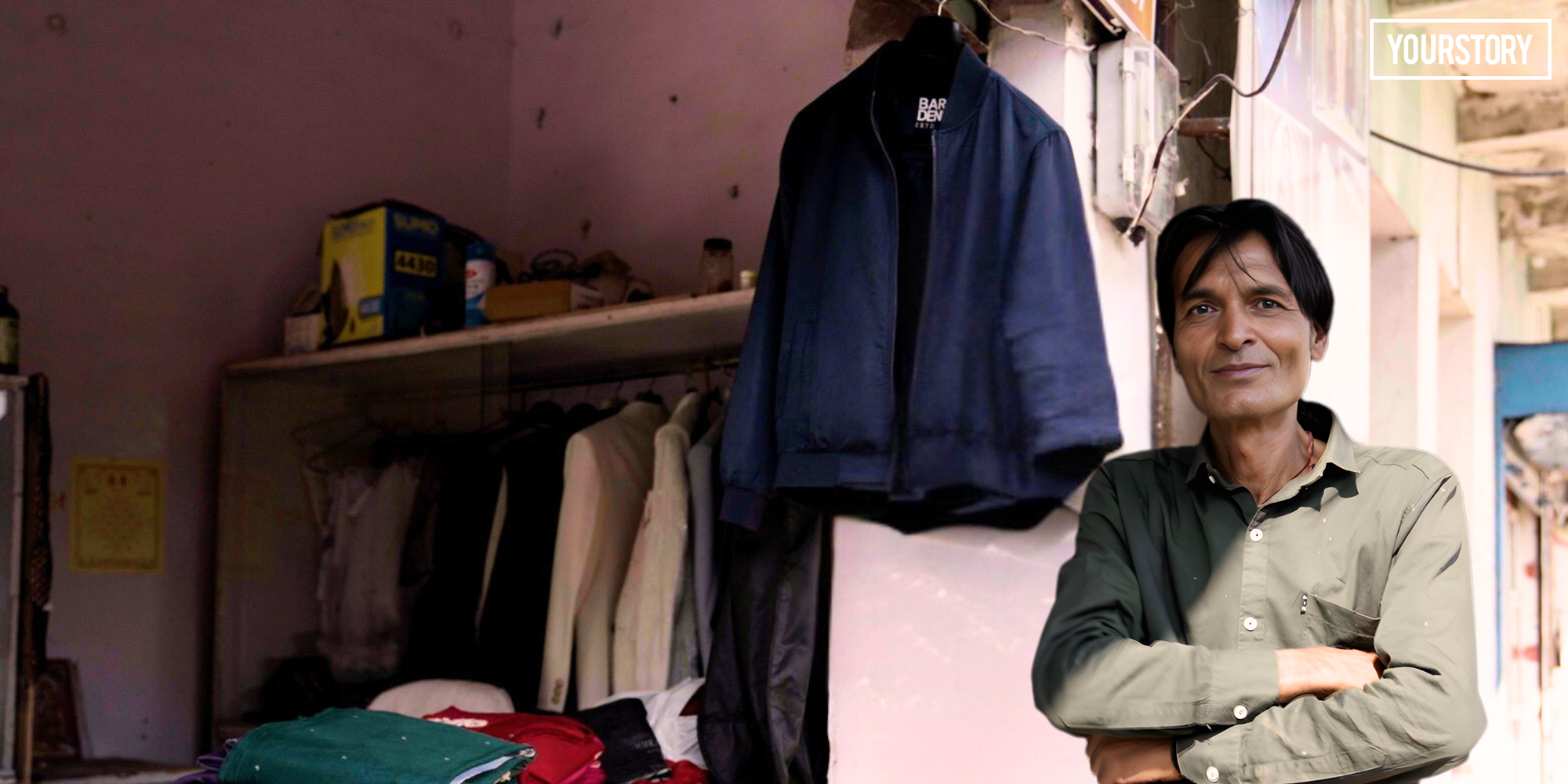

Kumar says he has been connected to this line of work since childhood, having learned the trade within the family. Over the years, the process has become systematic. When a customer brings in clothes, a bill is issued, and each item is tagged with a number before being sent to the workshop. There, stains are treated with specific chemicals, and most marks are removed before the garments are cleaned thoroughly. Once dry cleaning is complete, the clothes are ironed, hung in the shop, and finally packed for delivery.
The work, he explains, requires more than labour. Specialised chemicals, steam irons, and pressing machines are essential, and costs have risen steadily. What was once considered a small neighbourhood service has grown into a capital-intensive business that demands consistent investment.
Expanding through financial support
As customer expectations increased and machinery became more advanced, Kumar felt the need to upgrade his setup. Through a relative who had benefited from the Mukhyamantri Yuva Udyami Vikas Abhiyan (CM YUVA) Yojana, he learned that financial assistance was available for small enterprises. He applied under the scheme in his child’s name and received Rs 1.8 lakh through the bank.
The funds were used to purchase additional steam irons, a pressing machine, and essential chemicals. Part of the amount also went towards improving the shop’s interior, as Kumar believed presentation mattered in attracting and retaining customers. Under the CM YUVA Yojana, the relatively lower repayment burden compared to private borrowing made the expansion manageable.
With upgraded equipment, the pace and quality of work improved. Kumar says the shop now handles a higher volume of garments, and customers are more confident about entrusting delicate fabrics. The investment has also brought a degree of financial stability to his household. “When some extra money comes in, change is bound to happen,” he says, reflecting on the improvement in daily life since the expansion.
Despite the changes, the core of the business remains skill and discipline. Kumar emphasises that dry cleaning cannot be run merely by placing a table and pressing clothes. It requires proper machines, high-quality chemicals, and the ability to handle fabrics carefully. He believes that anyone seeking to expand a similar enterprise must combine financial support with sustained effort and customer trust.
Today, the shop continues to serve Lalitpur’s residents much as it always has, but with better equipment and greater capacity. For Kumar, the journey from a modest family trade to a more organised operation illustrates how traditional skills, when supported at the right time, can remain relevant in a changing marketplace.
Discover more from News Link360
Subscribe to get the latest posts sent to your email.