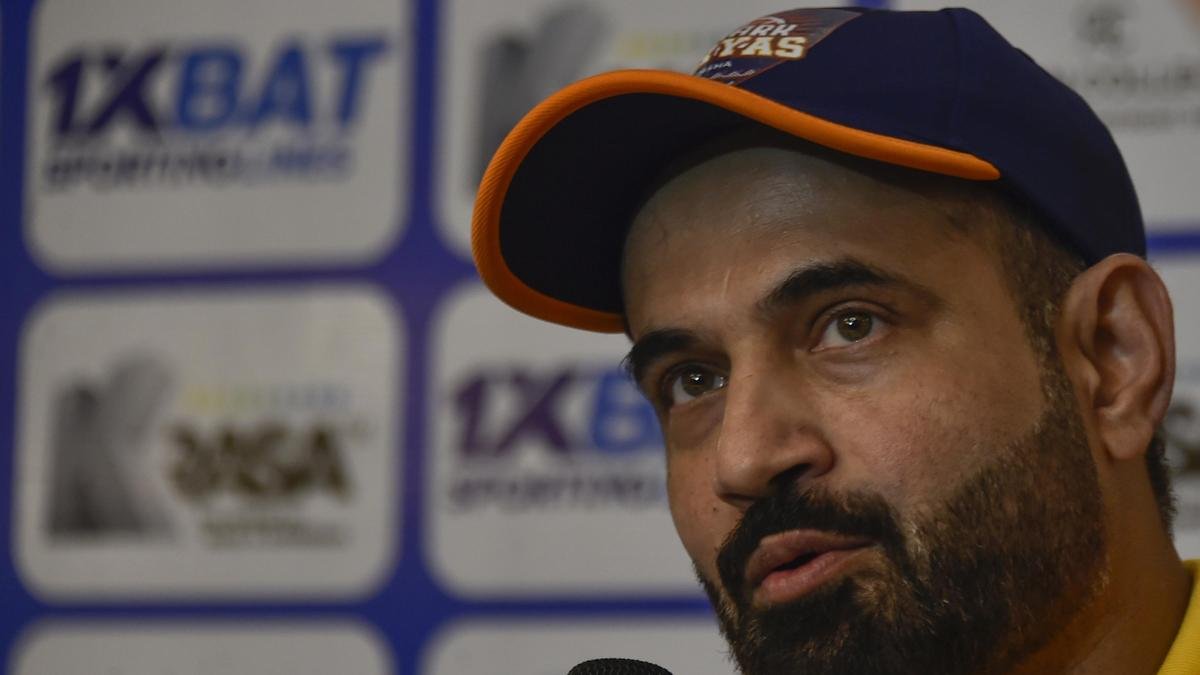
So we made one principle absolutely clear: we were building a Jammu and Kashmir team. Not a Jammu team. Not a Kashmir team. Every time we spoke — in meetings, dressing rooms or in public — we were deliberate with that phrase.
Language shapes thought, and thought shapes culture.
The divide was subtle but visible. Players from Jammu had a certain approach to the game — their body language, communication and even on-field intensity had their own flavour. Players from Kashmir had a slightly different rhythm and temperament. Neither was right nor wrong. But if they were to succeed at the highest level, they had to move in one direction. That alignment, emotionally and professionally, became our central project.
My approach was simple: the mindset had to change.
One thing I noticed early on was that some players were comfortable scoring runs in the second innings. In the Ranji Trophy league stage, most matches do not produce outright results because it is a four-day game. The knockouts are different, but during the league phase, players sometimes become comfortable with scoring runs in the second innings.
For me, those runs did not carry the kind of value I was looking for.
What I wanted was impact. I wanted everyone to contribute in a way that added value to the team. That meant changing the mindset.
I still remember one of the first training days. I had asked everyone to report at 10 am. Some players arrived at 9:55, while others walked in at 10:05. The warm-up started around 10:15. We went through the practice session as planned, but after it ended, I gathered everyone together.
I told them very clearly that from the next day onwards, anyone arriving late would not be part of the practice session.
The next day, the same thing happened. One of the assistant coaches and a few players were late. They did not train that day. They simply stood and watched the rest of the team practise.
I wanted to instil discipline from the start. In cricket, success often comes down to small things: discipline, preparation and mindset.
We also changed the way we trained. We introduced several drills involving both skill and fitness. When players were batting in the nets, they usually batted for about half an hour. But instead of just facing deliveries, they had to run after every third ball.
That meant their fitness was constantly being tested. At the same time, it forced them to remain mentally switched on, even when at the non-striker’s end. It helped simulate match situations.
Gradually, the focus shifted towards a team-first mentality.
It was no longer about chasing personal milestones. Even if someone did not score a hundred, it was fine. What mattered was whether the player was making an impact for the team. For me, the most important runs are the ones scored in the first innings. That is where you set up the game and give your team the best chance of pushing for a result.
These changes did not happen overnight. It took time for everyone to adjust, but eventually the players understood what we were trying to build.
Once that mindset began to shift, we started to see results.
I genuinely enjoyed that challenge. It forced us to think beyond drills and net sessions. The boys had to trust each other before they could fight for each other.
So, we invested heavily in team-building. I remember our first tour to South India for the KSCA Invitational tournament. We realised quickly that long trips were opportunities, not just logistical necessities.
During dinner sessions, we assigned quirky tasks. One player had to wear his T-shirt inside out. Another had to wear his cap the wrong way. A few were told to turn up in dark glasses at night. It sounds harmless, but those small acts broke down invisible walls. The boys laughed at one another, cracked jokes and began to see teammates as individuals rather than representatives of regions.
On the field, we introduced non-cricket games before warm-ups. It relaxed them and encouraged communication. Slowly, the dressing-room atmosphere changed — it became more organic and more collective.
Travel, however, remained a stark reminder of systemic neglect. Earlier, players travelling from Jammu and Kashmir to the southern parts of India often endured exhausting journeys. In many cases, they had overnight layovers and spent the night at airports before catching connecting flights. For young cricketers trying to make a mark, that sends the wrong message.
We told the administration clearly that if there was an overnight halt, the players must be accommodated in a hotel. It was about dignity.
During Vijay Hazare Trophy matches in Chennai, I remember telling the administration that even if there was a layover, the boys had to be put up in a hotel. Arrangements were made immediately, and the team stayed in a five-star property in Aerocity. To some, it may have seemed a small administrative tweak. But for the boys, it meant everything. It told them they were valued. It gave them physical rest and emotional reassurance. Thankfully, the administrators understood our reasoning and supported us.
The real challenge surfaced in the first selection meeting I attended in 2018. The discussion was divided neatly into two segments: Jammu and Kashmir. There were effectively two camps in the room. Selectors from Jammu pushed for Jammu players. Selectors from Kashmir pushed for Kashmiri players.
That was not healthy. Talent does not carry a regional stamp.
That selection was declared null and void. It conveyed our intent. We said clearly: we do not care if the playing XI is entirely from Jammu or entirely from Kashmir if that is what merit dictates. Selection would be based purely on performance and potential.
There was resistance. Mindsets do not change overnight. But we persisted because we believed that without a broader vision, the team would not progress.
Gradually, the resistance softened. Players sensed the shift. They realised that if they performed, they would get a fair chance. That transparency built belief, and belief translated into results.
In the 2019–20 Ranji Trophy season, we qualified for the quarterfinals. It was not just a statistical achievement — it validated the philosophy.
| Photo Credit:
K MURALI KUMAR

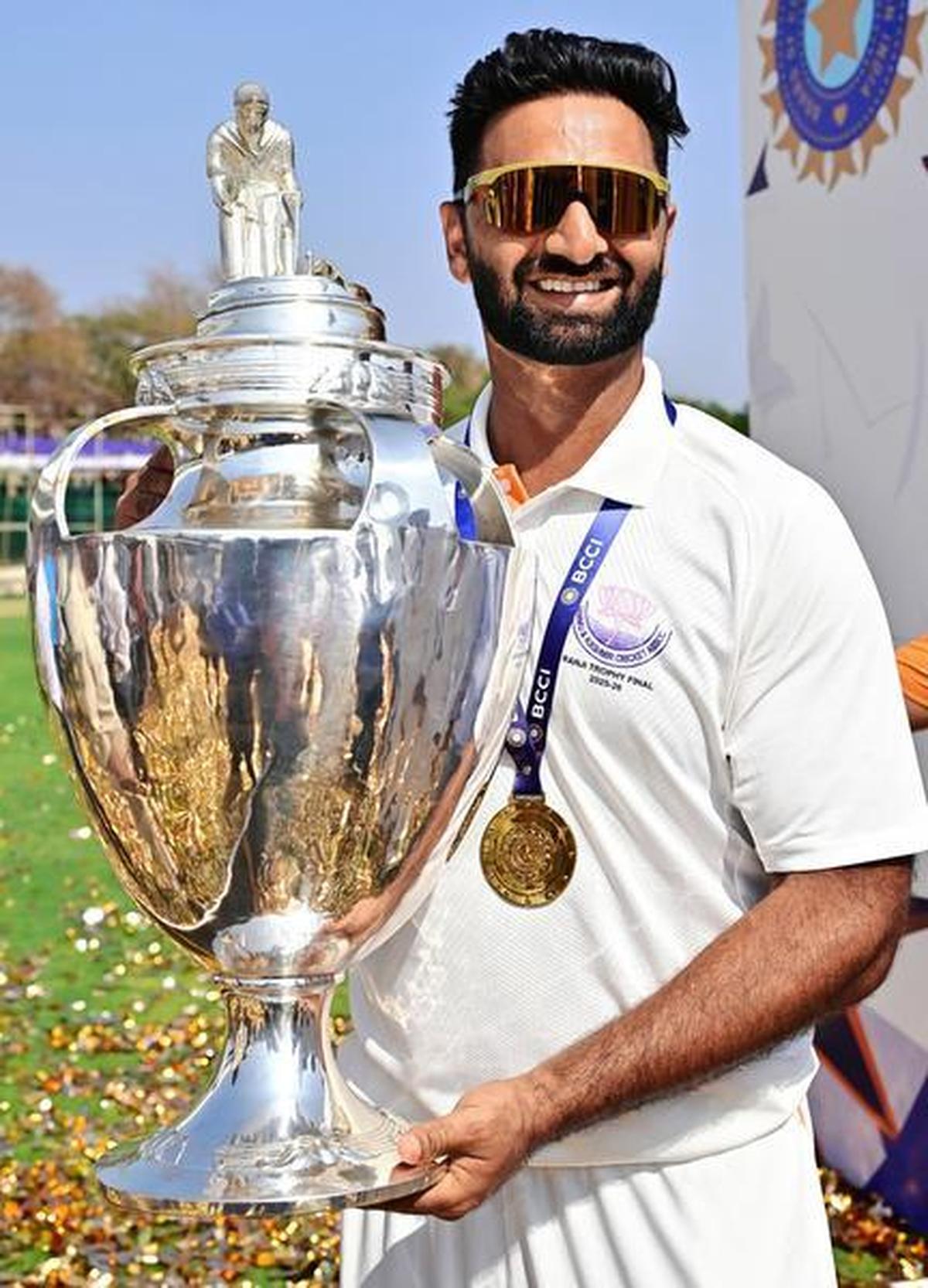
Auqib Nabi was one of the young cricketers identified during Irfan Pathan’s talent hunts across Jammu and Kashmir.
| Photo Credit:
K MURALI KUMAR
One of my primary targets was expanding the fast-bowling pool. In a long domestic season, you cannot survive with three or four seamers. You need eight to 10 options to deal with injuries, dips in form and varied conditions.
In 2018, we travelled extensively — from Anantnag to Kupwara to Baramulla — conducting trials and talent hunts. In Srinagar, hundreds of boys often turned up for open trials. I would sit there from 9:30 in the morning until 5 in the evening, watching each one carefully. It was exhausting but incredibly rewarding.
That is how we identified talents such as Rasikh Salam, Umran Malik and Auqib Nabi. They were not polished products. They were raw, hungry and fearless. Our job was to give them structure and exposure.
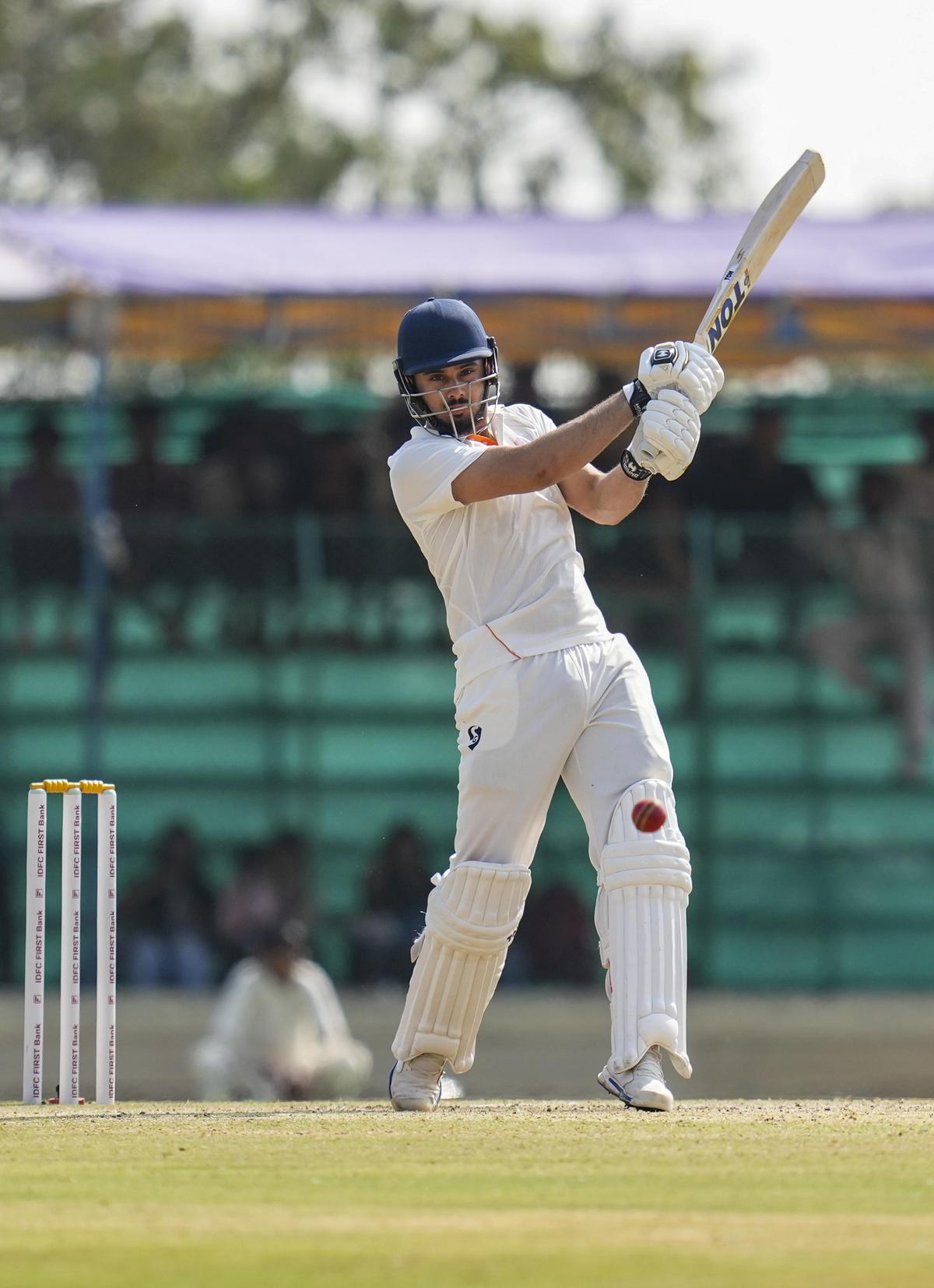
Abdul Samad has gone on to become a key symbol of Jammu & Kashmir’s emerging cricketing depth.
| Photo Credit:
PTI
Abdul Samad has gone on to become a key symbol of Jammu & Kashmir’s emerging cricketing depth.
| Photo Credit:
PTI
One of the players discovered during that phase was Abdul Samad. He was spotted at a trial camp in Jammu. The trials were being held at the SPMR Science College ground, and most players were struggling on the wicket. But Samad stood out immediately. He played on the up and struck the ball cleanly.
When I spoke to the selectors and some local coaches, they said Samad would score attractive 20s and 25s but rarely play long innings.
I told them that was fine. If a player can produce impactful 20s and 25s, we can build from there. The talent was obvious. What he needed was exposure and belief.
So we brought him into the squad for the Syed Mushtaq Ali Trophy. Even that decision went against the tide, because many felt he was still raw. But I believed he could make a difference.
Rasikh’s story was similar. In fact, he was not even among the 30 probables in junior cricket at that stage. I first noticed him during a trial at the Sher-i-Kashmir Cricket Stadium in Srinagar, where around 90 players were participating.
He bowled just two deliveries. That was enough for me to realise he had something special — the pace, the action, the natural ability.
We immediately included him among the 30 probables for the senior team.
I knew it would raise eyebrows because he had not featured in the junior probables before. But sometimes you must trust what your eyes tell you.
There were several other players who came through that process. Basit Bashir, a left-arm pacer, was another example. He had played some junior cricket, and we identified him during a district-level match in Kupwara. I travelled there specifically to watch matches at the Kupwara ground.
Those days were all about scouting and creating opportunities. Most camps and trials were held in Jammu or Srinagar, but we ensured matches were played across districts to identify talent from every corner of the region. The idea was simple: if there was talent anywhere in Jammu and Kashmir, we wanted to find it and give it a platform.
Infrastructure posed another hurdle. Many boys were used to matting wickets. Transitioning to turf pitches was crucial for long-term development. But that required transporting rollers, curators and equipment across districts — no small task in a geographically challenging region.
Yet, once facilities improved, the standard of training rose immediately.
Then came the most testing phase of all.
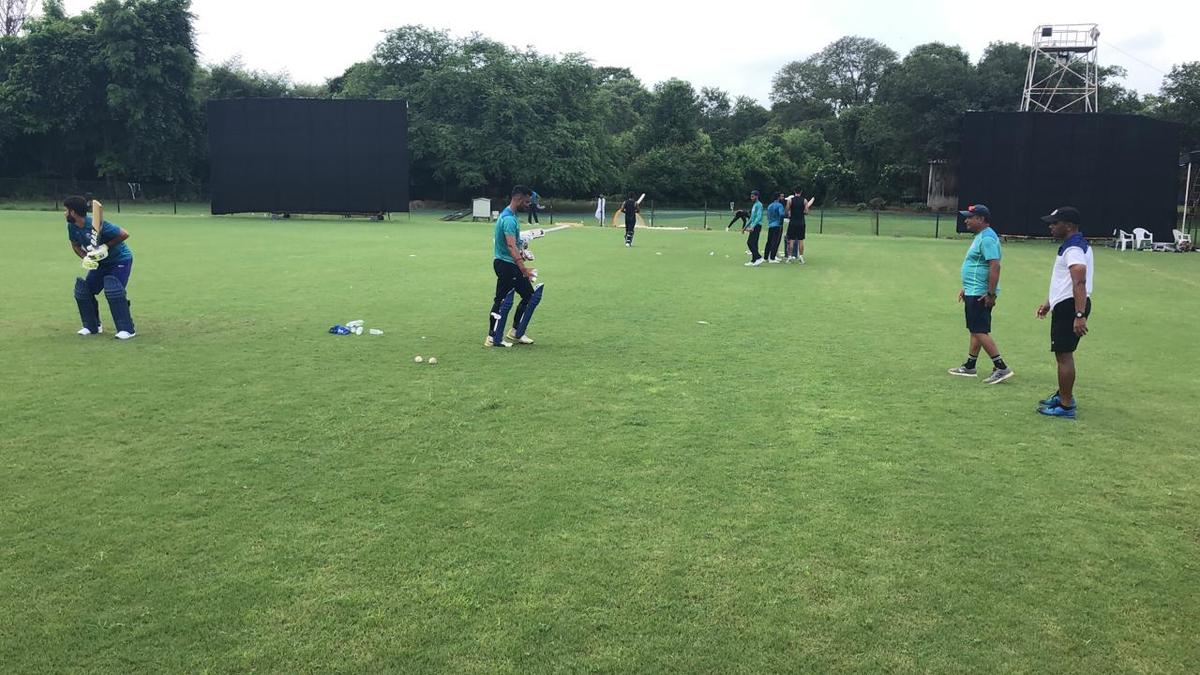
From talent hunts in Srinagar to training camps in Vadodara (in pic), Irfan Pathan’s tenure as J&K mentor focused on discovering new players and building a cohesive squad.
| Photo Credit:
Special arrangement
From talent hunts in Srinagar to training camps in Vadodara (in pic), Irfan Pathan’s tenure as J&K mentor focused on discovering new players and building a cohesive squad.
| Photo Credit:
Special arrangement
In August 2019, following the abrogation of Article 370, the entire region went into lockdown. At the time, we had ongoing camps in Srinagar for both senior and age-group teams. It was a large contingent of players and support staff. We managed to leave just before August 5, but uncertainty loomed.
With the region shut, we had no clarity on when or where training could resume. The boys were anxious, and momentum was at risk. At that moment, I reached out to Samarjit Singh Gaekwad, the current titular head of the Gaekwad dynasty of Baroda. His generosity was extraordinary. He allowed us to train at the Motibaug ground in Vadodara.
That decision proved crucial.
The red-soil surface in Vadodara was a new experience for many of our players. Back home, they were largely used to black soil, which behaves differently — lower bounce and less pronounced turn. On red soil, there is sharper bounce and more grip for spinners.
It challenged their technique. We designed specific drills — sweep shots, reverse sweeps and back-foot play — to help them adapt.
We played several practice matches against Baroda and even managed to beat them in a few. Those wins, even unofficial ones, boosted confidence. They showed the boys they could compete with established teams in their own backyard.
That season, we carried that belief into the Ranji Trophy and qualified for the knockouts, eventually falling agonisingly short against Karnataka. It hurt deeply at the time. But when I later saw the boys create history by defeating the same team, my heart swelled with pride.
Looking back, the technical adjustments, scouting drives and infrastructure upgrades all mattered. But what truly changed the trajectory was empathy and fairness.
When players feel respected, when they believe selection is transparent and when they know their voices are heard, they perform differently.
The future of cricket in Jammu and Kashmir is bright. The boys are not short of talent. They are hungry for opportunity, recognition and respect. Now that they have broken psychological and structural barriers, there is no ceiling.
With continued backing and clarity of vision, they can aim even higher.
A former India international, Pathan was the mentor of the Jammu and Kashmir team from 2018 to 2020.
(As told to Shayan Acharya)
Published on Mar 10, 2026
Discover more from News Link360
Subscribe to get the latest posts sent to your email.