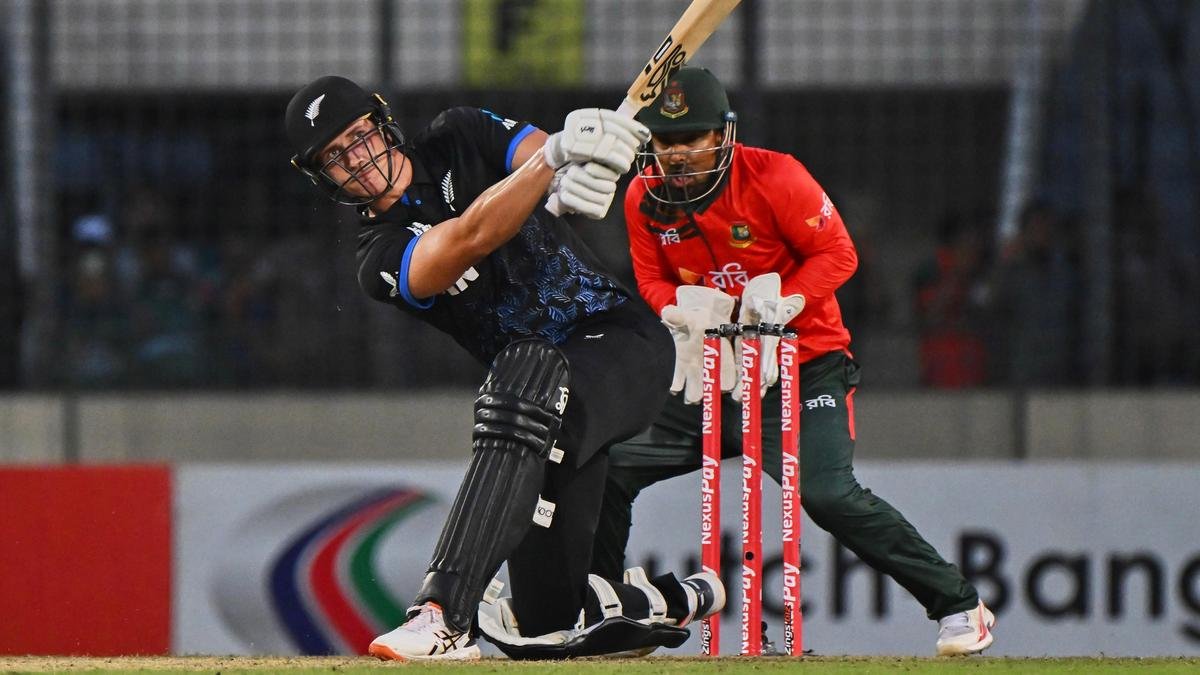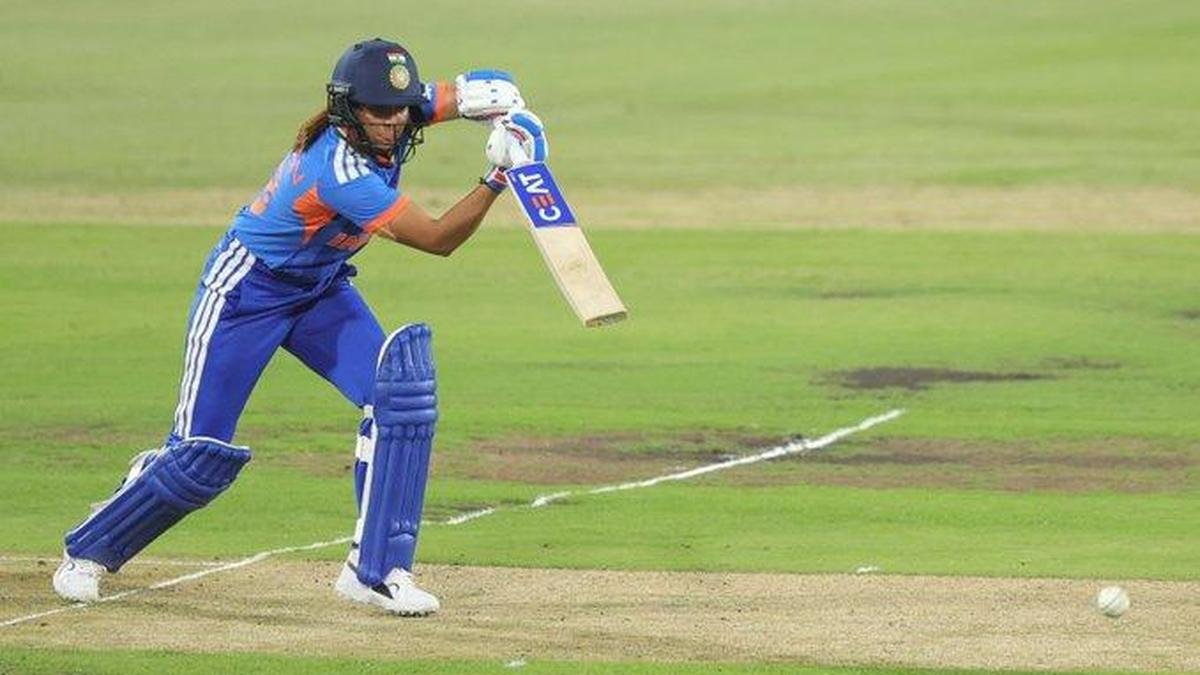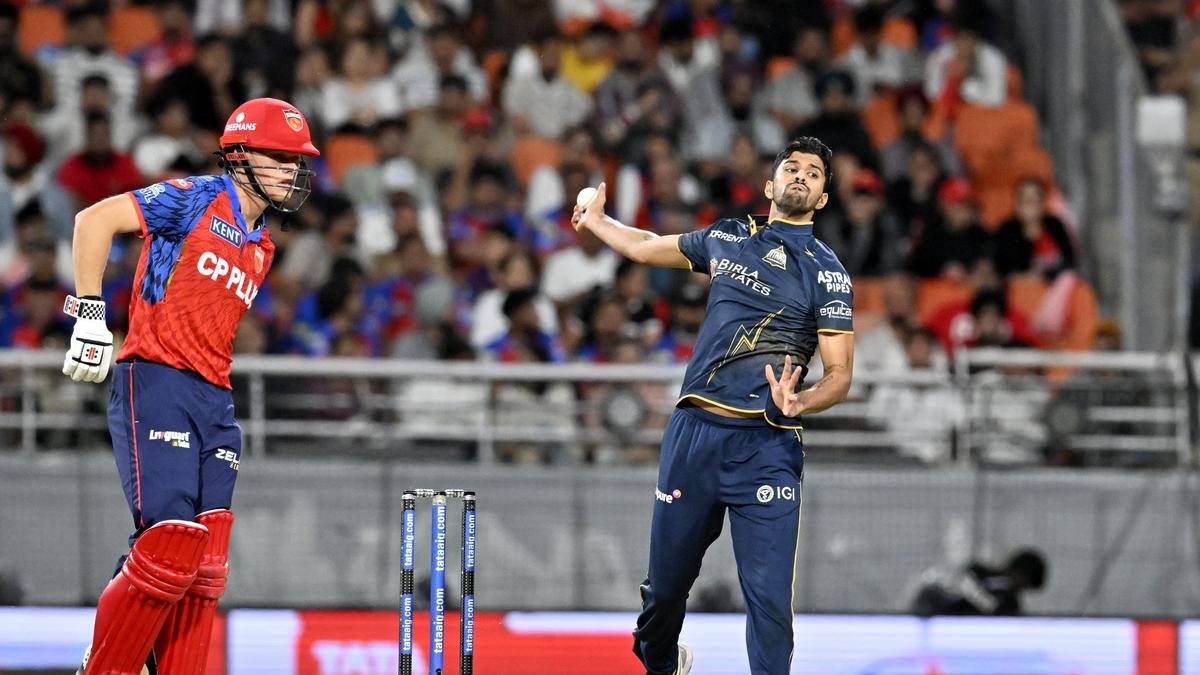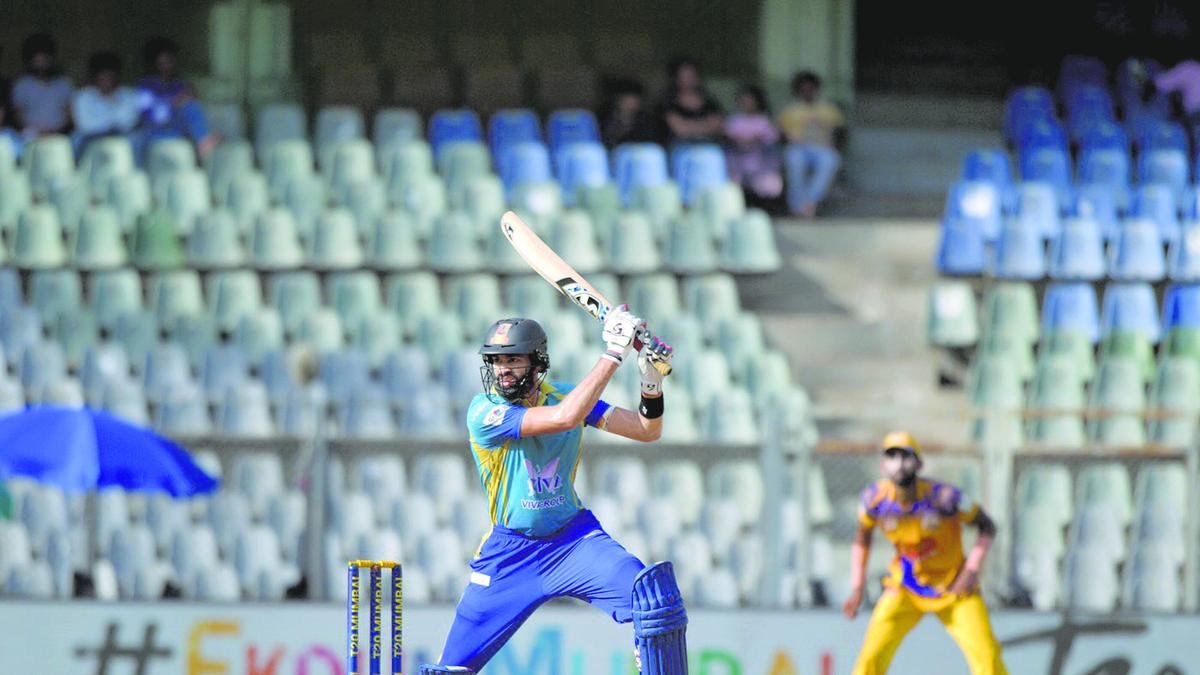
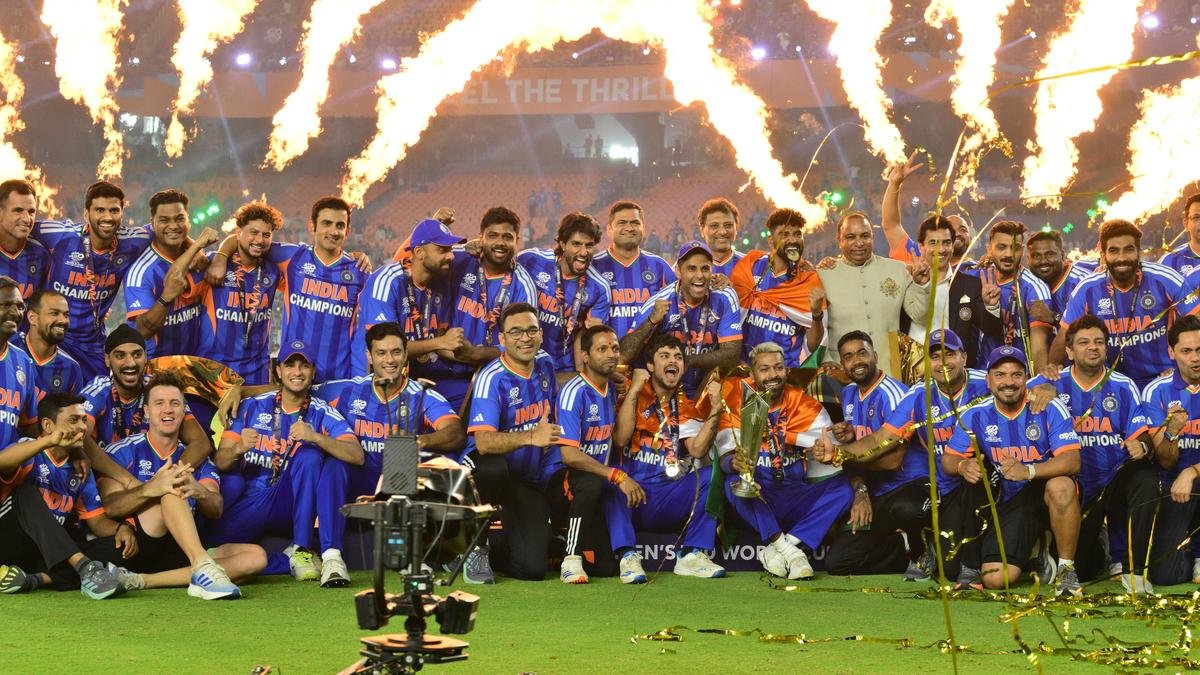
There was no case of the ides of March scuppering the team as Suryakumar Yadav and his troops dished out a commanding performance to keep the final well beyond the reach of the Black Caps. India’s 255 for five in the summit clash was mounted on decisive batting that targeted the boundary ropes and beyond.
“There is no point just scoring 160 or 170; the team has to go past 200 often,” coach Gautam Gambhir said. His wards largely followed that dictum through the campaign, posting four 200-plus scores, including three that crossed the 250-mark. The top-three of Sanju Samson (89), Abhishek Sharma and Ishan Kishan amassed the runs and, even after a middle-overs wobble, India found a strong tailwind through Shivam Dube.
New Zealand was never in the chase as its leading batters pursued glory and a steep required rate, only to find waiting fielders. Kishan’s catch to dismiss Rachin Ravindra off Jasprit Bumrah was excellent. Later that night, Kishan spoke about losing his cousin sister in a car accident the previous day and how his exploits in the final were a tribute to her.
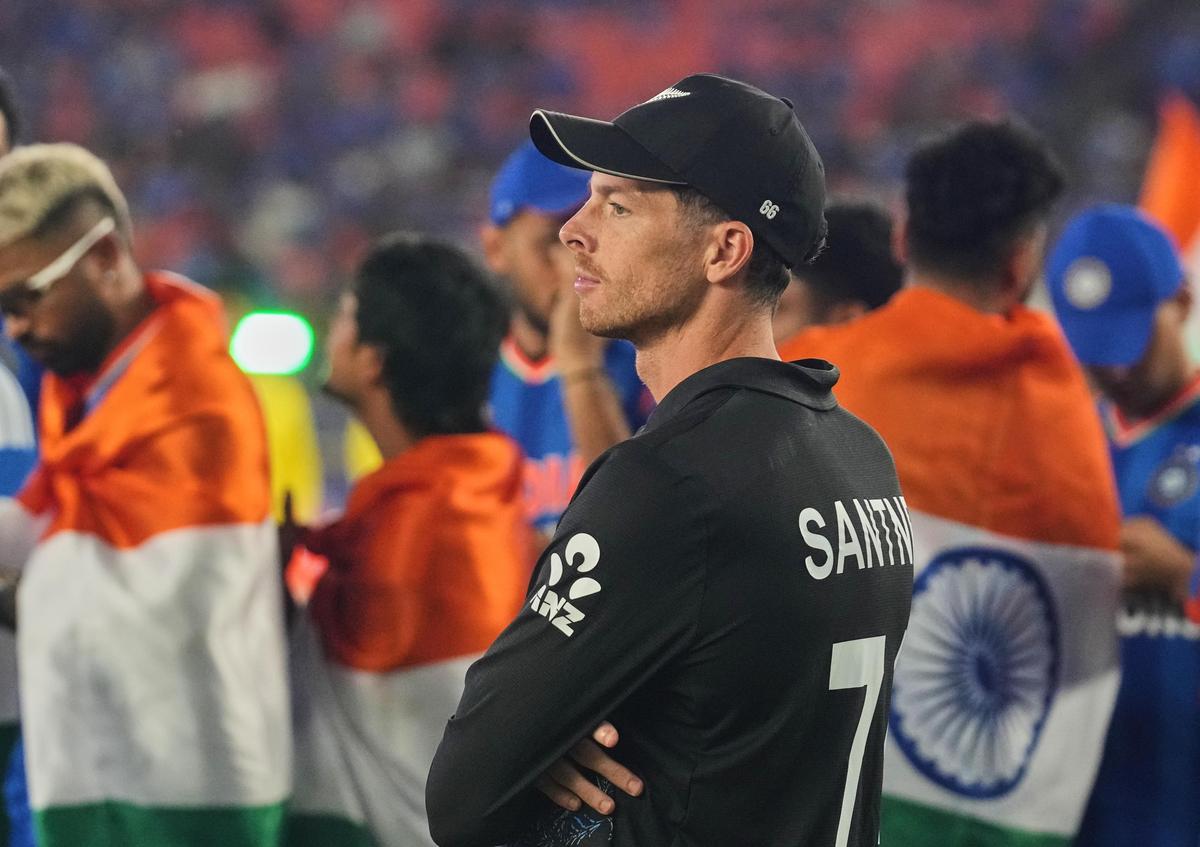
Sportsmen are often seen through the prism of their achievements, or lack of it, on the turf, but there is much they deal with internally. Mitchell Santner’s men, who did well to reach the last hurdle, failed to cope with the genius of Bumrah, whose four for 15 is the stuff of legend. The visitors were bowled out for 159 as India won by 96 runs.
| Photo Credit:
AP

New Zealand, led by Mitchell Santner (in pic), was never in the chase as its leading batters pursued glory and a steep required rate, only to find waiting fielders.
| Photo Credit:
AP
In its rather limited history since 2007, no team had ever retained the title or won at home in the ICC T20 World Cup. India busted both those trends and carved its own unique path. If the 2024 victory was a tribute to then skipper Rohit Sharma and Virat Kohli, the ageing heroes, the champagne moment in 2026 was all about revealing an India that was muscular, intimidating and a relentless six-hitting machine.
While sitting next to captain Suryakumar and holding the trophy, Gambhir told the media: “I would rather we play a high-risk game instead of being conservative, and in that bid, if we finish at times with 120, so be it. Same with batters — you are on 94 or 96, would you take singles for your hundred or try to hit a four? Because remember, the respect you get for a 97 in the dressing room would be the same as for a 100.”
And none reflected this philosophy more than Samson. Not part of the initial plans when the team settled into the campaign, the opener was ushered in to break the tedium of three left-handers atop the batting tree. Right-handed Samson promptly did everything right.
His unbeaten 97 against West Indies at Kolkata is one of the finest T20I knocks played by an Indian. He followed that up with an 89 against England in the semifinal at Mumbai and another 89 in the final.
Abhishek, blighted with three ducks at the start, eventually registered two fifties, with the one in the climax against New Zealand being vital. Ishan and Tilak Varma had their runs too, but more importantly, Dube the batter was more impressive than in his regular skill-set of bowling.
This duality in performances of many players kept India in good stead. Axar Patel’s catching effort during the semifinal against England was from the top drawer. And stars were found in every game. Mohammed Siraj was rushed in to play the opener against the United States of America (USA) and he immediately delivered a three-for spell. The Hyderabadi had no further role in the campaign, but he kept the squad’s spirits up and, when the dust settled, looked the happiest, basking in the success of his teammates. “Every player is special, even those on the bench,” Suryakumar said.
Even if India’s successful title defence seemed inevitable, it was never a smooth ride. The USA tested the host, the loss to South Africa offered a reality check, and both West Indies and England proved to be tough opponents. Against men from the Old Blighty, it needed Bumrah and Hardik Pandya’s death overs to stymie the chase even as Jacob Bethell threatened to run away with the game.
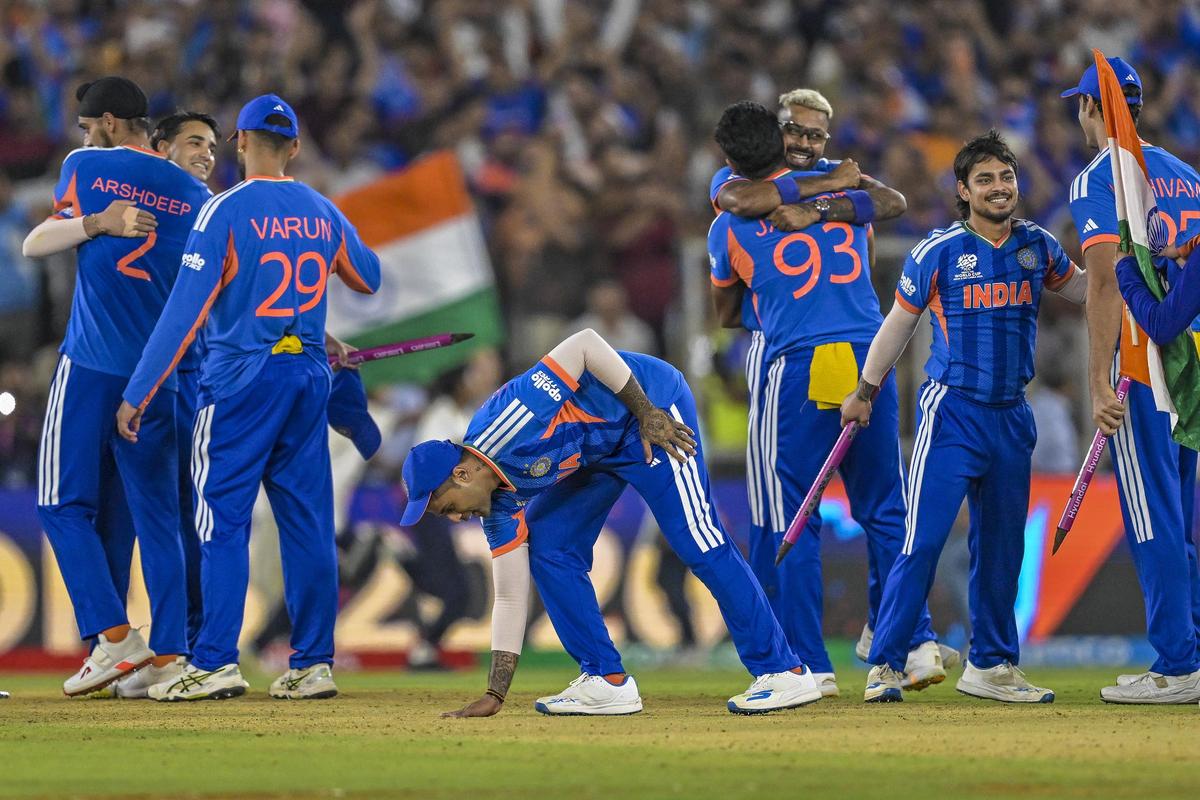
Blue supremacy: In the blue shade, India remains the team to beat, especially in T20Is.
| Photo Credit:
EMMANUAL YOGINI
Blue supremacy: In the blue shade, India remains the team to beat, especially in T20Is.
| Photo Credit:
EMMANUAL YOGINI
Champion units are flexible and always have a Plan B. Samson was part of this alternate vision. At one point, India was shelling catches, but in the crunch, the same outfit was plucking blinders. The seamers had their share of wides too, but often these issues were masked as Bumrah, with 14 wickets, stemmed the flow of runs.
Mystery spinner Varun Chakaravarthy too had 14 scalps, though he had a rough phase towards the end as batters flung everything, including the kitchen sink, at him. Both Bumrah and Varun topped the wickets list in the championship. “All the players need to be comfortable, they should be able to say what they want to say,” Suryakumar said while revealing a democratic change-room.
The ‘winner takes all’ theme was reinforced when Gambhir said that trophies are more important than milestones. The southpaw, who excelled in the finals of the 2007 ICC T20 and 2011 World Cup, surely knows what matters to the team. Be it a young Arshdeep Singh or a seasoned Suryakumar, everyone supported each other.
In the blue shade, India remains the team to beat, especially in T20Is. Its batting has the same effect that the West Indians once exuded when they had Gordon Greenidge, Vivian Richards and Clive Lloyd in their ranks. India’s bowling may still ride on Bumrah, but men like Arshdeep, Hardik and Axar showed that when it comes to a crisis, they will all rise together.
India’s fifth World Cup victory, and the third in T20Is, is a validation of the team’s growth. The Test side may be nursing a slump after losses at home against New Zealand and South Africa, but in coloured clothing, India remains a many-splendoured team.
Published on Mar 10, 2026
Discover more from News Link360
Subscribe to get the latest posts sent to your email.