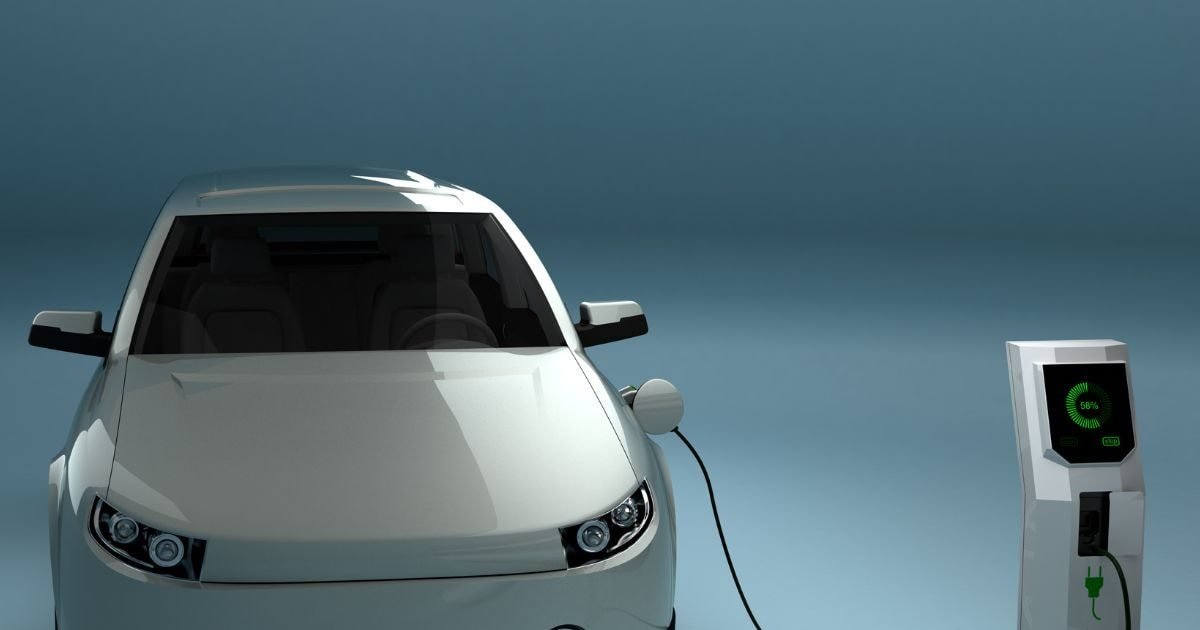
This new policy will come into effect after notification and will remain effective till March 31, 2030. Its main objective is to rapidly increase the number of electric vehicles in the capital, reduce pollution and reduce dependence on petrol-diesel vehicles.
In fact, data related to air quality shows that about 23 percent of pollution in Delhi-NCR during winter is caused by vehicles. At the same time, 67 percent of the total vehicles in Delhi are two-wheelers. In such a situation, the government has especially emphasized on electrifying two-wheelers, three-wheelers, commercial vehicles and small cargo vehicles in this policy.
What is special in the draft policy of EV?
Under this EV policy, provision for subsidy on a large scale has been made to attract buyers of electric vehicles. This subsidy will be sent directly to the beneficiary’s bank account through DBT. If a person buys an electric scooter or bike worth up to Rs 2.25 lakh, he will get a maximum subsidy of Rs 30 thousand in the first year. In the second year it will reduce to Rs 20 thousand and in the third year to Rs 10 thousand.
New policy on old vehicles also
Scrapping incentive will also be given to promote the adoption of electric vehicles by removing old vehicles. You will get a benefit of Rs 10 thousand on scrapping a scooter, Rs 25 thousand on an auto, Rs 1 lakh on a car and Rs 50 thousand on a goods vehicle.
The government has also given big relief in tax. Road tax and registration fees will be completely waived on all electric vehicles. 100 percent discount will be given on cars up to Rs 30 lakh, while there is a provision of 50 percent discount on hybrid vehicles. There will be no discount on cars priced above Rs 30 lakh.
A comprehensive plan has also been made to strengthen the charging infrastructure. Delhi Transco Limited (DTL) has been made the nodal agency, which will take over the responsibility of setting up charging stations across the city. It will be mandatory for every EV dealer to set up a public charging station at its location. Besides, the facility of battery swapping and charging at home and office will also be promoted.
Strict arrangements will be implemented under Battery Waste Management Rules 2022 for safe disposal of batteries. Delhi Pollution Control Committee (DPCC) will set up battery collection centers under the public-private partnership model and battery tracking system will be promoted.
Strict targets for the future have also been set in the new policy. From January 1, 2027, new registration of only electric three-wheelers (autos) will be allowed in Delhi. At the same time, from April 1, 2028, new two-wheelers can be registered only as electric ones.
Will only electric buses be seen?
Targets for electrification have also been set for school buses and companies. Schools will have to make at least 30 percent of their buses electric by 2030. At the same time, fleet aggregator companies like Ola-Uber will not be able to add new petrol-diesel vehicles on their platform from 2026.
The rules have also been made strict for government departments. Now new government vehicles, buses and goods vehicles will be purchased or leased only in electric form.
A strong institutional framework has also been prepared for the implementation of this policy. The transport department will be the nodal agency, while the EV cell will monitor it. Apart from this, an EV fund will be created, in which money will come from the state budget and central schemes. A high level committee will also be formed, which will be headed by the Chief Secretary.
What benefits will you get by buying an EV?
1.Scooter/Bike
• First year: Subsidy up to ₹30,000
• Second year: Up to ₹20,000
• Third year: Up to ₹10,000
2.Auto/E-Rickshaw
• First year: ₹50,000
• Second year: ₹40,000
• Third year: ₹30,000
3.Small cargo vehicle
• First year: ₹1 lakh
• Second year: ₹75,000
• Third year: ₹50,000
Scrapping Bonus
If you remove your old vehicle:
• Scooter: ₹10,000
• Auto: ₹25,000
• Car: ₹1 lakh (for limited number of people)
• Goods vehicle: ₹50,000
Big tax relief
• 100% road tax and registration free on all EVs
• Full discount on cars up to ₹30 lakh
• 50% discount on hybrid cars
• No discount on cars costing more than ₹30 lakh
Charging facility
• Charging stations will be installed throughout the city
• Every EV dealer must have a charging point
• Charging will be made easy at home and office
• Facility of battery swapping will also increase.
What will happen to the battery?
• Old batteries will be recycled safely
• Government will create battery collection center
• There will be a system to track the battery
What will change next? (important rules)
• From January 1, 2027: New autos will be only electric
• From April 1, 2028: New scooters/bikes will be only electric
Rules on schools and companies
school buses
• In 2 years: 10% electric
• In 3 years: 20%
• By 2030: 30%
Companies (like Ola/Uber)
• New petrol/diesel vehicles will not be added from 2026
Overall, this new EV policy of the Delhi government is not only a big step towards reducing pollution, but is also a preparation to make the capital the country’s leading city in the field of electric mobility. Now everyone’s eyes are on what changes are made in this policy after the suggestions received from the public and how fast it is implemented.
Discover more from News Link360
Subscribe to get the latest posts sent to your email.