Last Updated:
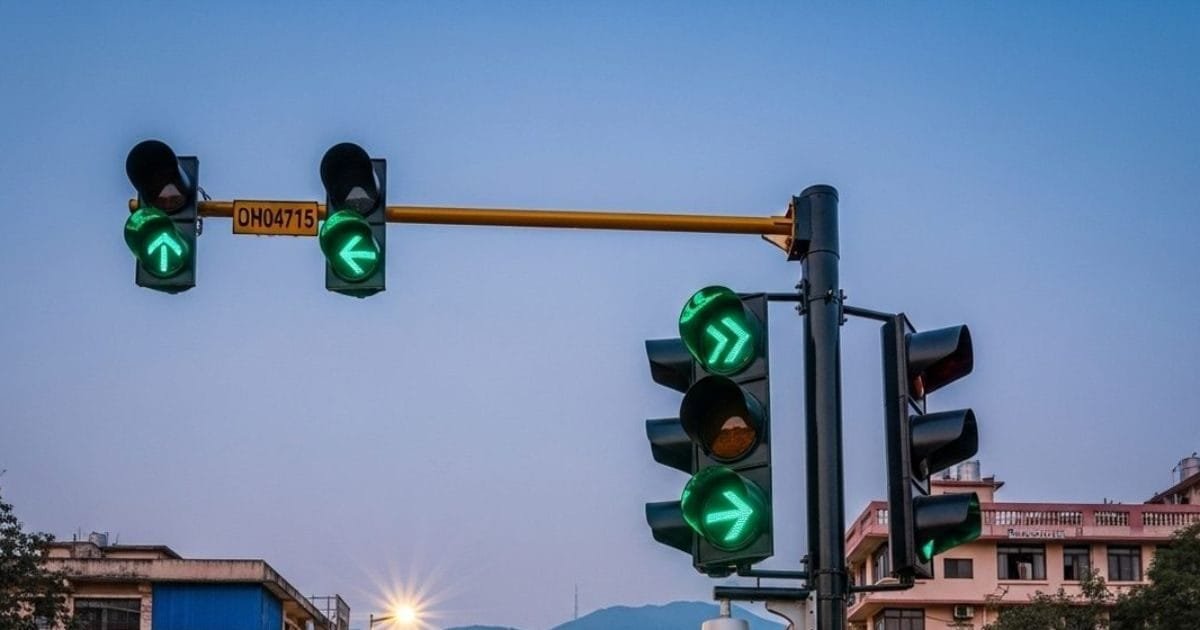
Have you ever wondered why traffic signals have only red, yellow and green colors? The interesting thing is that it started not from roads but from railway tracks. White color was once the ‘go’ signal, but a big mistake removed it forever. Know the science and surprising history behind these colors of traffic lights…
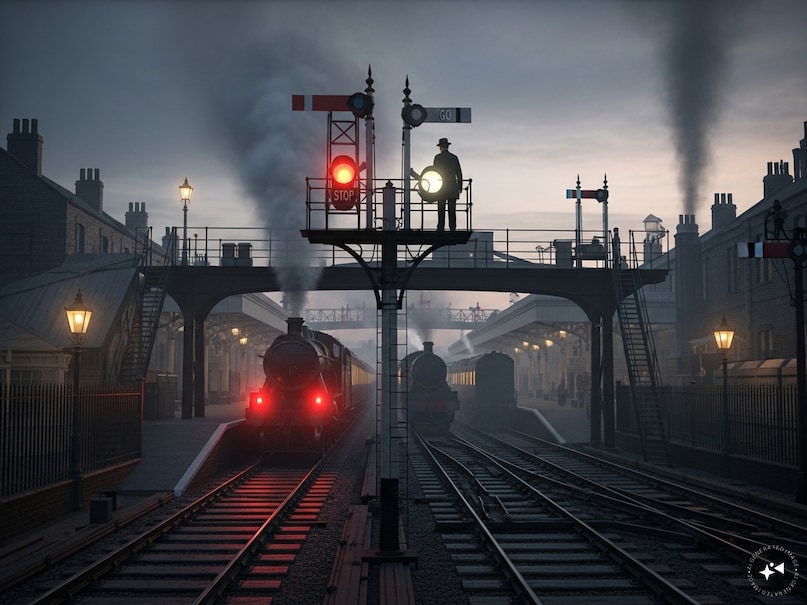
It started with trains: The history of traffic lights started not from roads, but from railway tracks. In 1868, the first gas-powered traffic light was installed in London. At that time the number of vehicles on the roads was less, but controlling the trains was a big challenge. Initially red color was used to stop and white color was used to go, but white color soon created a big problem.
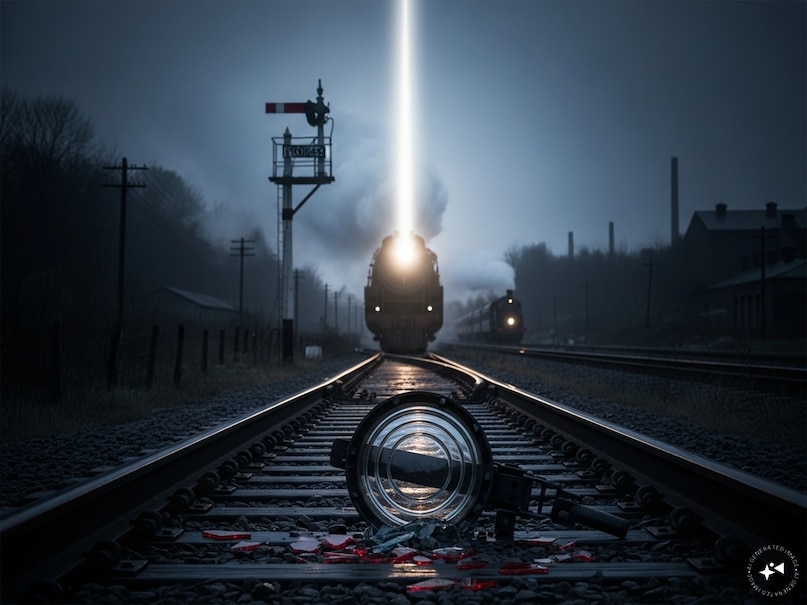
Why was white color removed?: Initially green color was for ‘caution’ and white color was for ‘moving forward’. But drivers often got confused. Many times the red lens of the signal would break, due to which white light coming from behind would become visible. The driver thought the path was clear and the trains collided with each other. In view of this great danger, white color was completely removed from the signal.
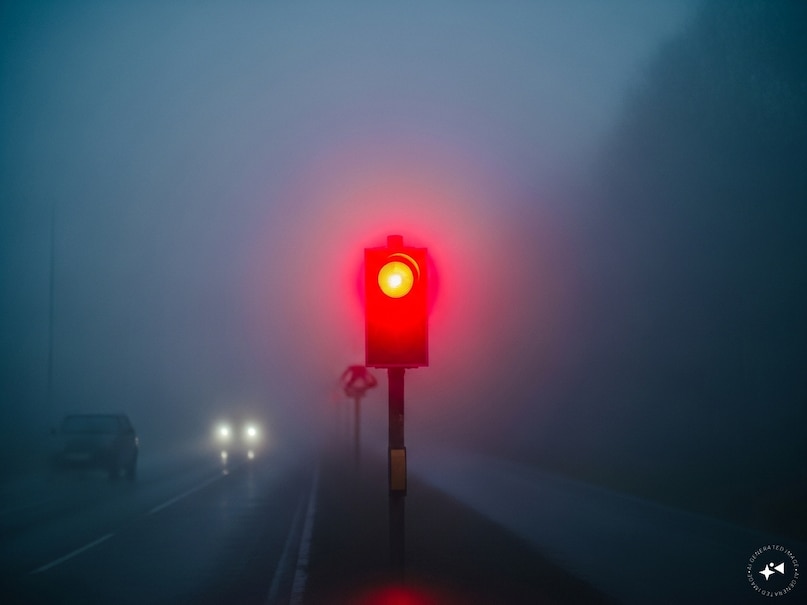
Why is red color a ‘danger’?: There is a big reason behind choosing red color as a stop signal – physics. Red color has the longest wavelength. This means that this color spreads the least through air particles. Be it fog, rain or dust, the red color is clearly visible from a long distance. That’s why it was chosen as a danger and stop sign.
Add News18 as
Preferred Source on Google
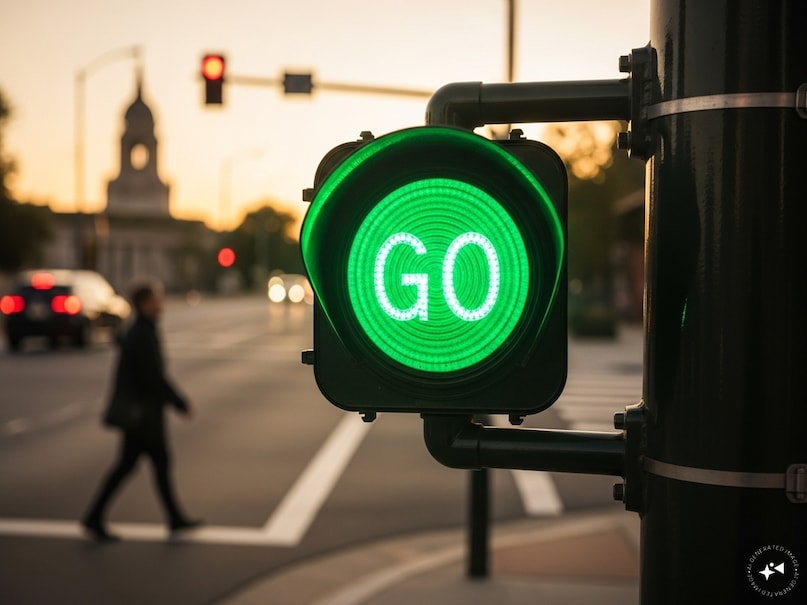
Green: Green was chosen as the ‘Go’ signal after white failed. Green color is considered the most soothing for the eyes. Psychologically it is a symbol of security and peace. When you see green color on the road, the brain gets a signal that it is safe to proceed. Its contrast with red color also looks very good.
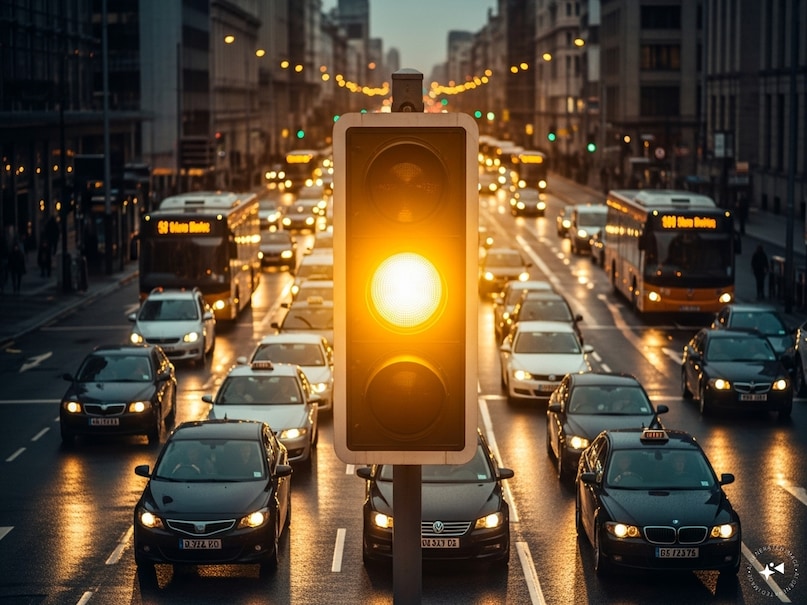
What is the significance of yellow color?: Yellow color was added last. Earlier there were only red and green colors, due to which drivers were forced to apply brakes suddenly. Yellow color indicates ‘caution’. Its wavelength is the best after red, due to which it is visible from a distance. This mentally prepares drivers to either stop or get ready to move.
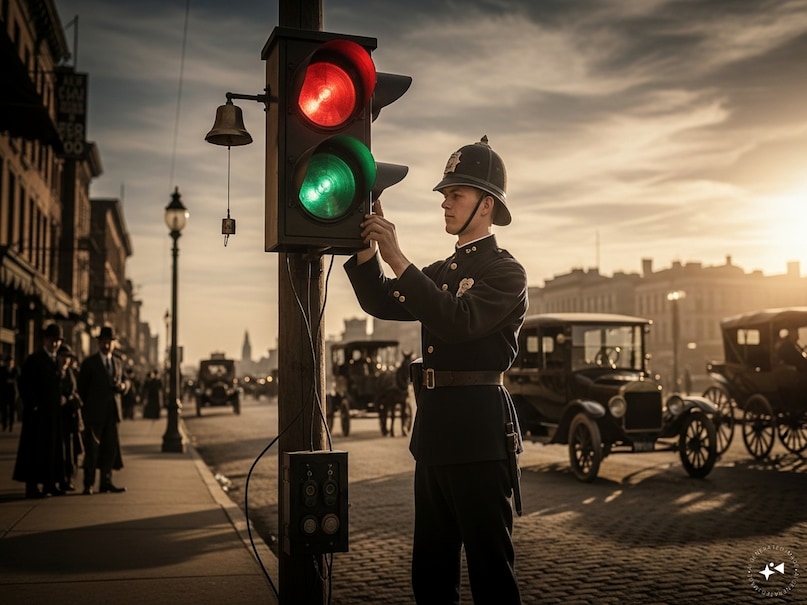
Invention of Modern Traffic Light: The first modern traffic light powered by electricity was developed in America in 1912. A policeman named Lester Wire had created it. Only red and green colors were used and a buzzer would sound so that people could be alerted. In 1920, William Potts added yellow color to it and gave it the look we see today on roads around the world.
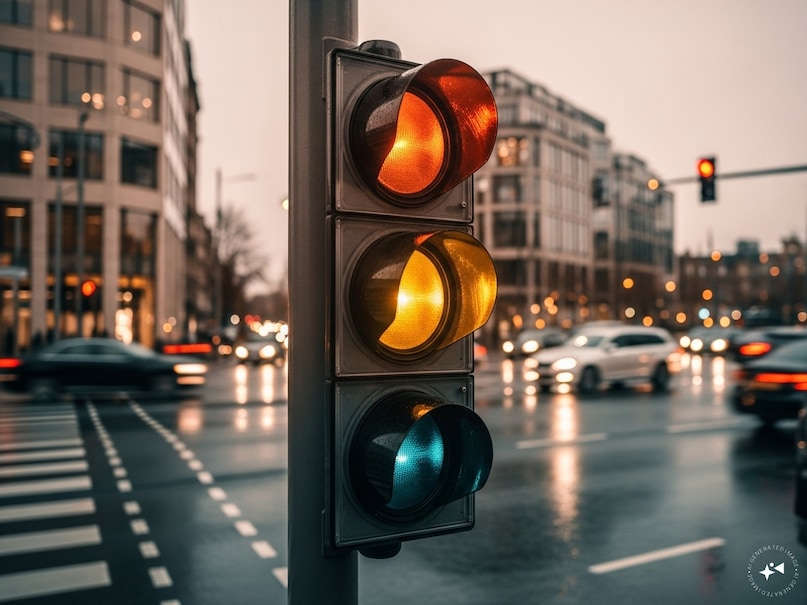
Attention to Color Blindness: Special attention has been given to ‘color blind’ people while designing traffic signals. Many people have difficulty in differentiating between red and green colors. Therefore, in modern signals, a little orange is added to red and a little blue to green. Apart from this, the same standard has been maintained across the world that red will always be at the top, yellow in the middle and green at the bottom.
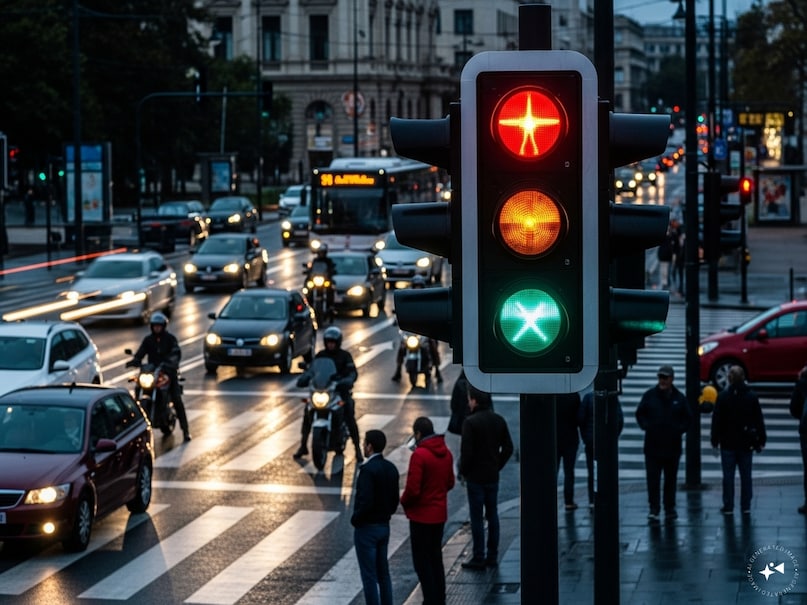
Science of safe travel: Today these three colors are running the traffic system around the world smoothly. Without any language, these colors give the same message to people of every country and every culture. This confluence of science and history made the roads safe. Next time you stop at a signal, remember that these three colors have been chosen for your safety after centuries of experimentation.
Discover more from News Link360
Subscribe to get the latest posts sent to your email.