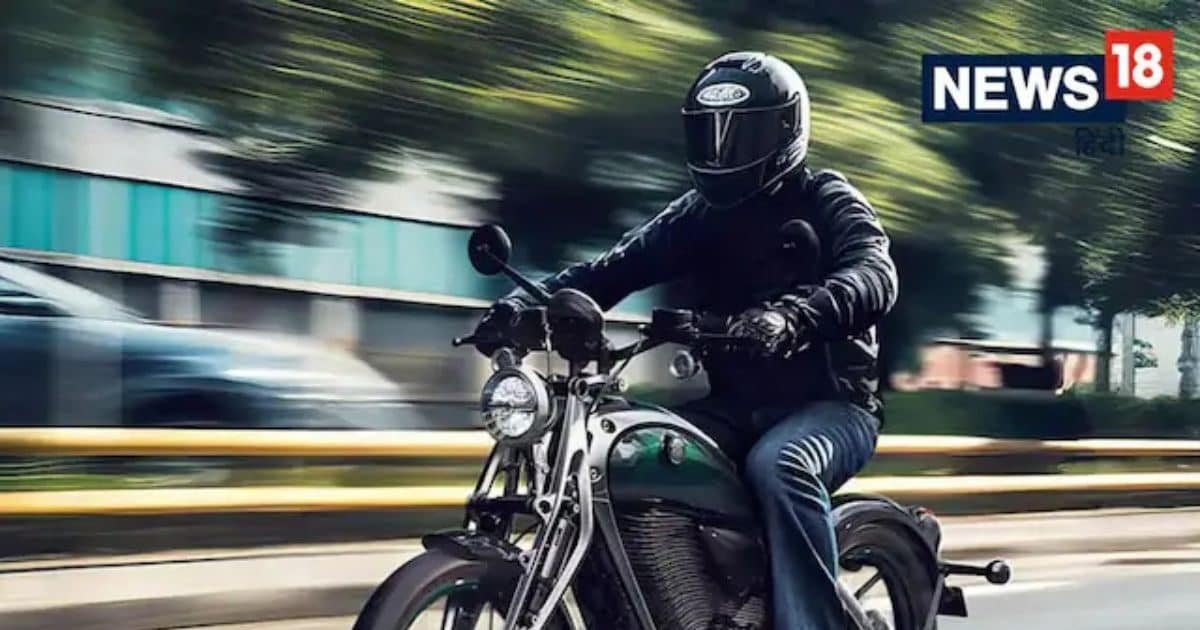
Delhi EV Policy: About 67% of the total vehicles registered in Delhi are two-wheelers. Therefore, if two-wheelers are converted into electric vehicles, a significant reduction in pollution can be achieved. There has been strictness on petrol bikes in Delhi EV policy.
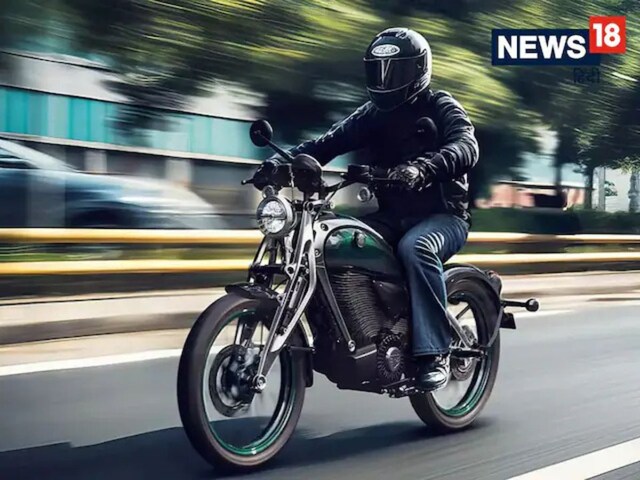

Petrol two-wheelers will also not be registered from 2028.
New Delhi. To reduce pollution and promote clean transportation system in the national capital, the government is making Electric Vehicle (EV) Policy 2026-30. Delhi government has released its draft. Now suggestions have been sought from the general public on this draft. The final policy will be prepared only on the basis of suggestions received from the people. The main objective of this policy is to increase the number of electric vehicles in the capital and reduce dependence on petrol-diesel vehicles. In the draft of the EV policy, strict provisions have also been made on petrol motorcycles and scooters and CNG three-wheelers. Due to this, a question is arising in the minds of many people whether Delhi Patrol is going to ban bikes.
According to the draft of the EV policy, new three-wheeler registrations in the capital from 2027 will be only for electric vehicles. At the same time, petrol two-wheelers will also not be registered from 2028. This means that if this policy is implemented, you will not be able to register new CNG three wheelers from next year and petrol two wheelers will also not be registered from the year 2028. In this way, new CNG three-wheelers and petrol two-wheelers will not come on the roads of Delhi.
Will petrol bikes be banned?
There is no mention in the draft policy of banning the CNG three-wheelers and petrol bikes currently running in Delhi. This shows that there will be no ban on old vehicles. A provision has been made to stop new CNG and petrol vehicles from coming on the roads of Delhi.
About 67% of the total vehicles registered in Delhi are two-wheelers. Therefore, if two-wheelers are converted into electric vehicles, a significant reduction in pollution can be achieved. Additionally, three-wheelers, commercial cars and N1 category goods vehicles cause more pollution due to higher daily usage and longer distances.
Subsidy will be available on purchasing EV
Under this EV policy, provision for subsidy on a large scale has been made to attract buyers of electric vehicles. This subsidy will be sent directly to the beneficiary’s bank account through DBT. If a person buys an electric scooter or bike worth up to Rs 2.25 lakh, he will get a maximum subsidy of Rs 30 thousand in the first year. In the second year it will reduce to Rs 20 thousand and in the third year to Rs 10 thousand.
Similarly, on purchasing an electric auto-rickshaw, assistance of Rs 50 thousand will be given in the first year, Rs 40 thousand in the second year and Rs 30 thousand in the third year. At the same time, subsidy of up to Rs 1 lakh will be given on small cargo electric vehicles (N1 category) in the first year, which will reduce in the subsequent years.
Discover more from News Link360
Subscribe to get the latest posts sent to your email.