Ajay Kumar Verma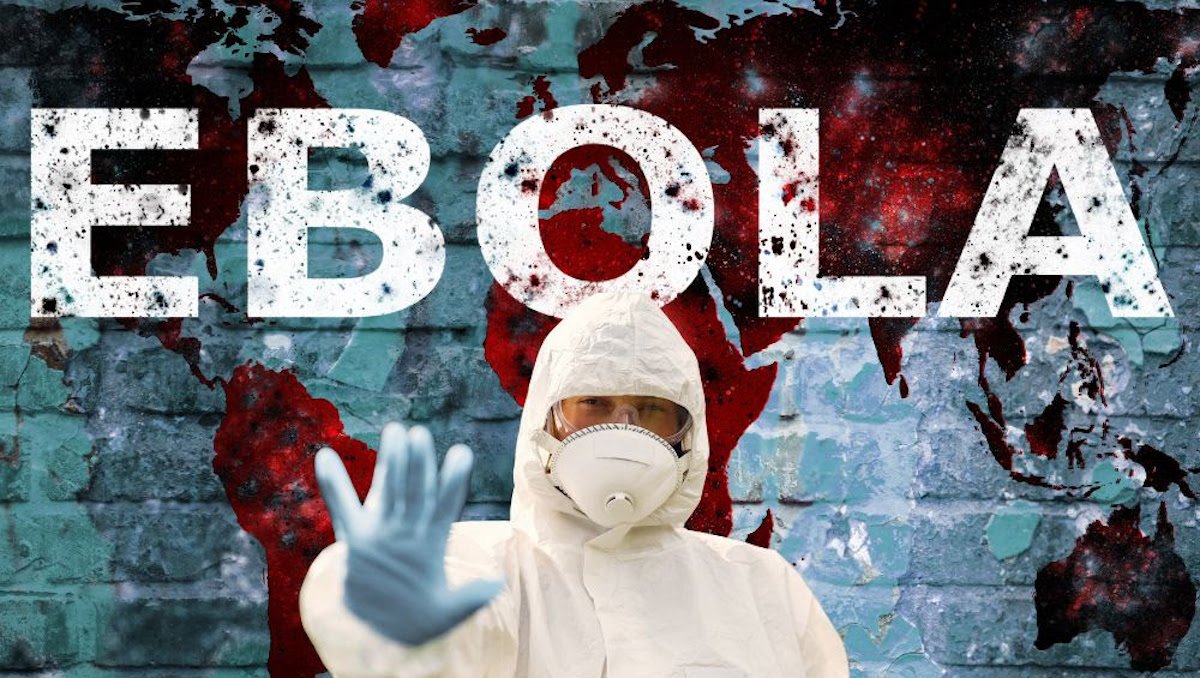
2026 Ebola crisis
The 2026 Ebola outbreak in the Democratic Republic of the Congo (DRC) and neighboring Uganda has rapidly become one of the most serious Ebola crises. Caused by the rare Bundibugyo strain of the virus, the outbreak has spread across multiple provinces and international borders.
As of mid-June 2026, the World Health Organization (WHO) has identified 837 cases of Ebola in the DRC, with 196 confirmed deaths. An additional 19 cases have been identified in Uganda, with two confirmed deaths. Health experts said that these numbers are underreported mainly due to the stigmatization of the virus and due to the initial symptoms being misdiagnosed.
They believe this outbreak could be the most serious Ebola crisis ever recorded.
Currently no vaccine against Bundibugyo virus
During a June 19 ACoM briefing on the Bundibugyo Ebola virus and its rapid spread, speakers said the only way to curtail its spread is to follow the traditional on-the-ground public health interventions, such as identifying cases and isolating them, since there is no vaccine against the Bundibugyo strain.
Dr. William Schaffner, professor of preventive medicine and infectious diseases at the Vanderbilt University School of Medicine, said that the six known strains of Ebola are distinct, which is why it is important to have specific vaccines for each.
“There are laboratory scientists working night and day to try to develop a vaccine against the Bundibugyo strain of the virus. But it’s not there yet. And we have no immediate near-term expectation that we will have a vaccine available,” he said.
How the virus spreads
According to Dr. Schaffner, the virus circulates in the wild, particularly in fruit bats. When these fruit bats are hunted for bushmeat, it opens an entryway into the human body. Another way a human is exposed to the virus is when a person eats fruit tainted with the fruit bat’s saliva. Once the virus enters the human body, it multiplies, making the individual progressively sick with symptoms such as high-grade fever, vomiting, and diarrhea. These bodily fluids are highly infectious, posing a risk to those caring for the individual.
“Furthermore, when the person dies, they are essentially covered with the Ebola virus, even in their skin. Therefore, the respectful burial practices that are so culturally important, showing affection and respect to the departed, are actually very dangerous for transmission,” said Dr. Schaffner.
This is why it is important to contact local leaders and educate people on the century-old burial traditions to prevent transmission, Schaffner emphasized.
US funding cuts hamper Ebola diagnosis
The Trump administration’s cuts to foreign aid and its withdrawal from the World Health Organization (WHO) have also hampered efforts to mitigate the Ebola crisis.
“Diagnostic capability, clinical expertise, communications, all of those things were impaired and likely contributed to a delay in diagnosis,” noted Dr Schaffner.
He affirmed that the actual risk of the variant entering the United States, especially with the ongoing World Cup, remains low because it is not transmitted the way influenza and COVID-19 viruses do, and the cases that do make it are quickly diagnosed and isolated.
Armed conflict, public distrust affect Ebola response
For many years, the DRC has grappled with political instability and armed conflict, causing a humanitarian crisis in the region.
Dr Rachel Sweet from the Frontline Observatory noted that there is a difference between how these areas are portrayed, especially in the international media, and the reality on the ground.
Dr. Sweet spent five years in the DRC in various capacities, including as an investigator of armed conflict; she said that the conflict in the area is oftentimes depicted as if it were ethnic militias or militias linked to foreign terrorists, organized beyond the state.
“But the reality is that for decades, since the initial Congo Wars of the 1990s and early 2000s, violence and the state are deeply intertwined. And this is the primary security threat to the current response that also makes conflict so intractable.”
She recalled her interaction with a former combatant, who said his commanders were colonels in the national military as well as generals with an armed militia group.
“Now, in the past Ebola epidemic in the same area, a different strain but a similar political dynamic, people were afraid because they saw that the same pickups, the same military pickups that were protecting the Ebola response, they were also the same ones that could come at night and that could slaughter your family. And so, when there was resistance against the Ebola response, a lot of it was resistance against these security threats.”
African American diaspora’s reaction to the crisis
To understand the reaction of the African American diaspora to this outbreak, Pamela Asobo-Anchang, editor-in-chief and publisher of Immigrant Magazine, interviewed several individuals from the Ugandan, Tanzanian, Sierra Leonean, Nigerian, DRC, and Cameroonian communities. Their responses were mixed and weren’t what she had hoped for.
While the DRC and Cameroonians showed deep concern about the outbreak, individuals from Ugandan and Tanzanian communities either didn’t seem too worried or were hesitant to acknowledge it.
“I don’t know why some communities are not taking action. Because typically, the diaspora has always supported the continent financially, resource-wise, and advocacy-wise,” she said.
The fear of being stigmatized is one big reason in both cases, noted Anchang.
The DRC communities were more worried about the stigma attached to the virus and the repercussions they face, such as losing jobs in the US, she remarked.
“Some of them have invested back home, and now they can’t go back. All they can do is send money and check on their relatives every day. So, the emotional burden is really taking a toll. They know if they go back home, they won’t be able to come back to the United States, because of the restrictions.”
A Nigerian attorney told Anchang that during the previous Ebola outbreak in West Africa, his client lost her job after she returned from Sierra Leone, thus indicating how such outbreaks can have a huge impact on one’s livelihood.
She added that while a diaspora is building clinics, orphanages, and boreholes for drinking water, it still needs to do more and must work collectively rather than individually.
Related
Discover more from News Link360
Subscribe to get the latest posts sent to your email.