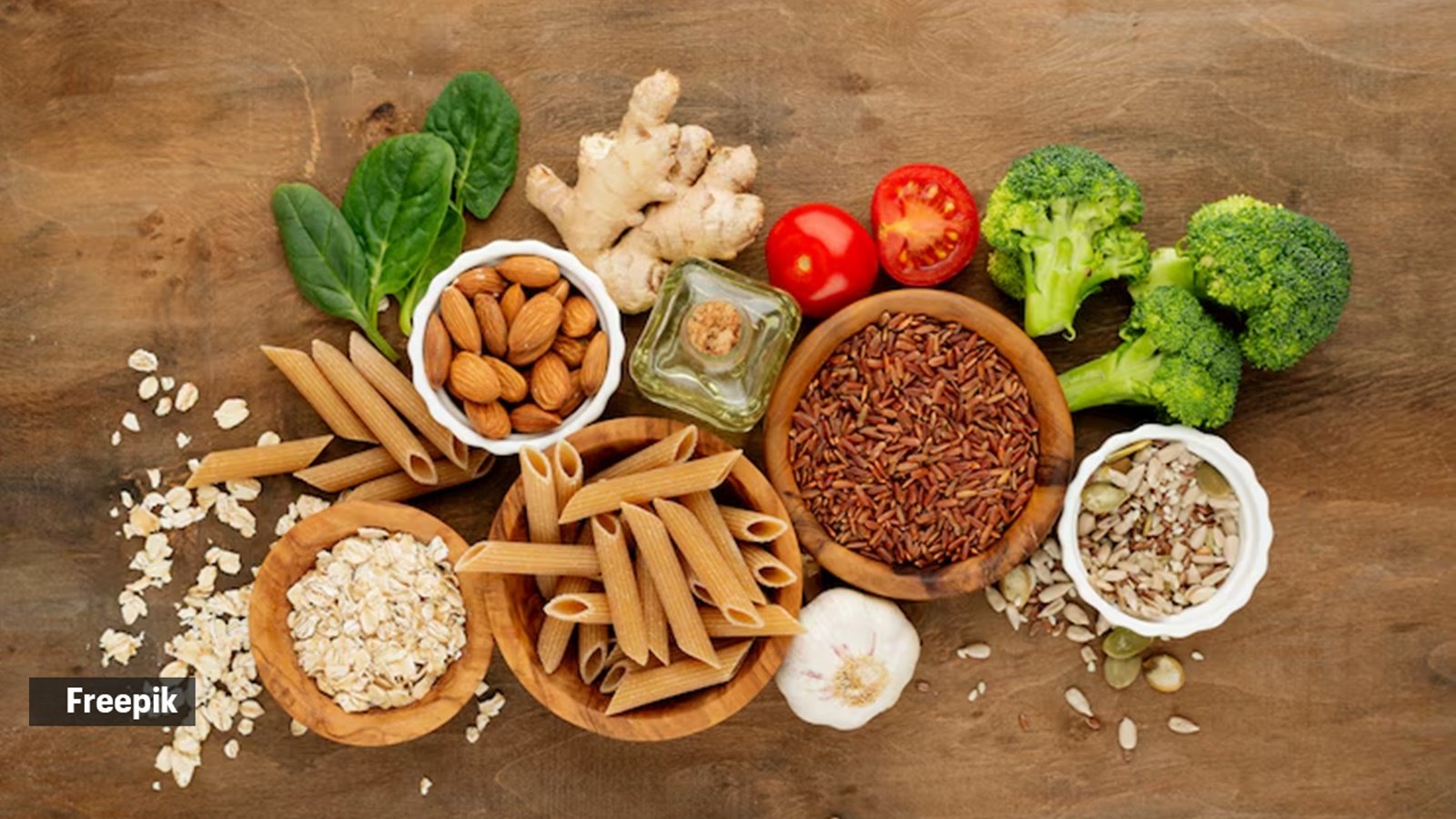
Breakfast: a smoothie, with berries, protein powder, and frozen spinach
Lunch: avocados, beans, and whole grains

Dinner: pasta, chickpeas, broccoli, and beans
DISCLAIMER: This article is based on information from the public domain and/or the experts we spoke to. Always consult your health practitioner before starting any routine.
Deepalakshmi, a registered dietitian at Shree Balaji Medical College, Chennai, helped us decode her meals and shared the best way to do fibermaxxing right:
According to the expert, a high-fibre dietary pattern can offer substantial benefits for cardiovascular health, digestive function, glycaemic control, and satiety. However, consuming as much as 90 grams of fibre per day may not be necessary — or appropriate — for everyone.
“Most adults fail to meet the recommended daily fiber intake of approximately 25–35 grams, making the priority not excessive intake, but consistent inclusion of diverse fibre-rich foods within a balanced diet,” she told indianexpress.com.
Deepalakshmi said that the cardiologist’s meal pattern reflects a predominantly plant-based approach naturally rich in dietary fiber.
A breakfast smoothie containing berries and spinach contributes soluble fiber, antioxidants, vitamins, and phytonutrients.
Story continues below this ad
Lunch comprising avocado, beans, and whole grains provides a combination of fiber, healthy fats, and plant protein.
Dinner including pasta, chickpeas, broccoli, and beans further enhances total fiber intake through legumes, vegetables, and whole plant foods.
The dietitian mentioned that collectively such meal patterns to help support gut microbiota diversity, cardiovascular health, metabolic health, and improved digestive regularity.
That said, Deepalakshmi believes abruptly increasing fiber intake to very high levels may result in gastrointestinal discomfort, including bloating, flatulence, abdominal cramps, or constipation, particularly when fluid intake is inadequate.
Story continues below this ad
“Individual fiber requirements and tolerance levels vary depending on age, gastrointestinal health, physical activity, hydration status, and underlying medical conditions such as irritable bowel syndrome or inflammatory bowel disease,” she elaborated. Therefore, a gradual and well-hydrated increase in fiber intake is generally recommended.
How to fibermax the right way?
According to Deepalakshmi, practical strategies to improve daily fiber consumption include replacing refined cereals with whole grains, incorporating legumes regularly, increasing vegetable portions in meals, adding fruits, nuts, and seeds to breakfast options, and preferring whole fruits over juices. “Snacks such as sprouts, roasted chickpeas, or peanuts may also help improve fiber intake in a sustainable manner,” she added.
The expert further mentioned that adequate dietary fiber intake has been associated with improved bowel health, better lipid profiles, enhanced glycaemic regulation, and prolonged satiety. A lower risk of cardiovascular disease, type 2 diabetes, obesity, and certain cancers can also be noted when combined with an overall healthy lifestyle and balanced dietary pattern.
DISCLAIMER: This article is based on information from the public domain and/or the experts we spoke to. Always consult your health practitioner before starting any routine.
Discover more from News Link360
Subscribe to get the latest posts sent to your email.