What makes PM2.5 different from ordinary dust
PM2.5 consists of extremely small airborne particles measuring less than 2.5 micrometres in diameter. These particles are mainly emitted from vehicle exhaust, industrial processes, construction activities, and the burning of fuels. PM2.5 particles are so tiny that they can travel deep into the lungs and sometimes even enter the bloodstream. This means they can affect more than one organ and are not restricted to just one part of the body.
India’s growing pollution burden
Nationwide studies, including comprehensive progress reports from the Centre for Research on Energy and Clean Air (CREA) and the Air Quality Life Index (AQLI), indicate that approximately 44% of cities in India face chronic, year-round air pollution rather than only seasonal winter smog. No monitored city in India meets the World Health Organisation’s (WHO) strict daily safety guidelines for PM2.5.
“PM2.5 is not ordinary dust. Because of its tiny size, it can bypass the body’s natural defence mechanisms in the nose and upper airways and reach the deeper parts of the lungs,” says Dr Sameer Bansal, pulmonology and respiratory medicine specialist at Apollo Hospitals, Jayanagar, Bengaluru.
According to Dr Bansal, repeated exposure to fine particulate matter can trigger airway irritation, oxidative stress, and inflammatory responses. These effects, he explains, are not always limited to the lungs.
PM2.5 and body inflammation: The unseen connection
Air pollution is increasingly being studied as a systemic health risk. Once inhaled, fine particles may activate inflammatory pathways, affecting respiratory health and potentially worsening other inflammation-driven conditions.
“Air pollution should not be seen only as a cause of cough or wheezing. Chronic exposure to PM2.5 can create an inflammatory burden. This is why pollution is now being discussed in relation to multiple organs and not just the lungs,” Dr Bansal explains.
Why is pollution being linked to hair follicles?
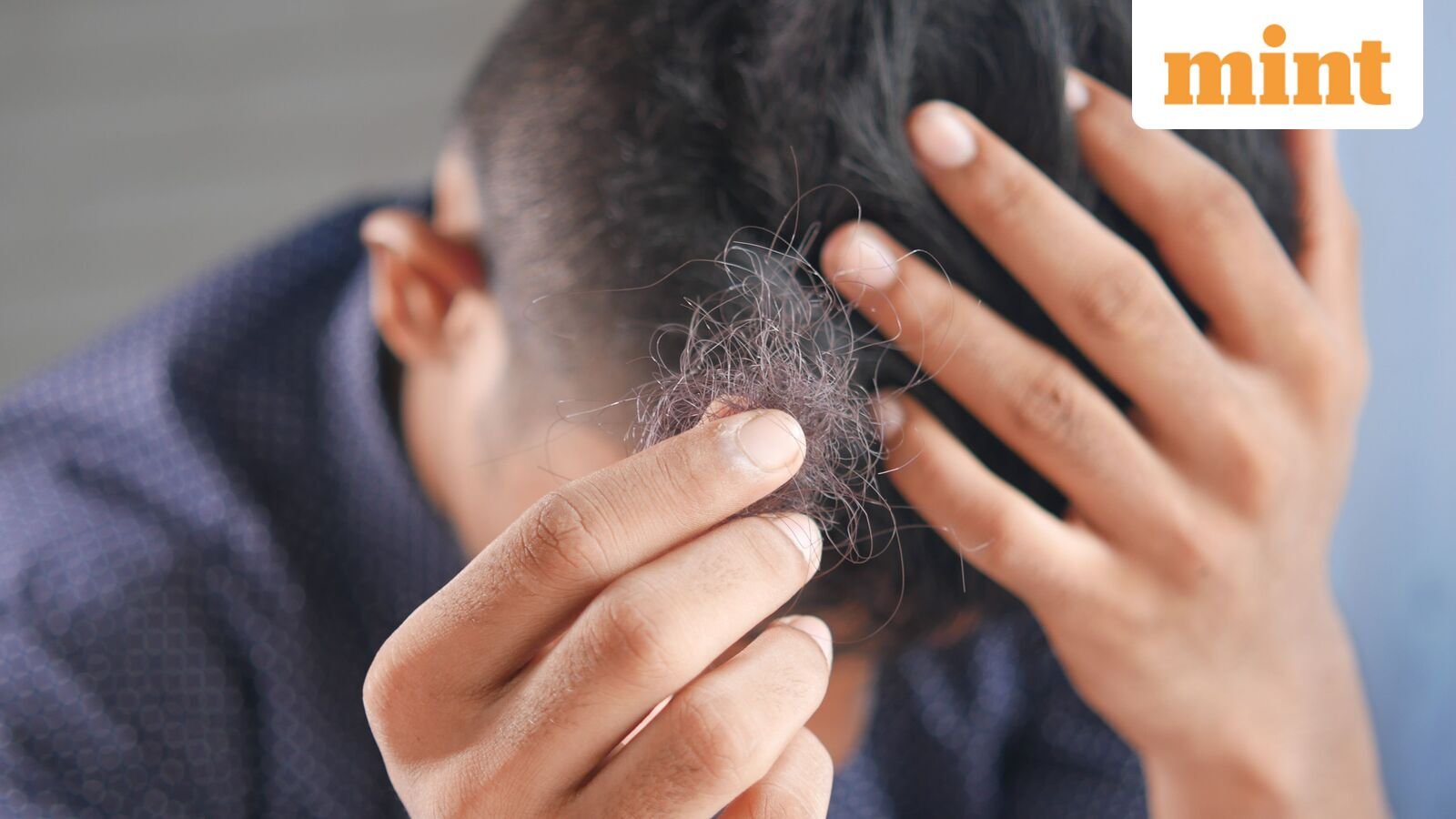
Dr Vivek Anand Padegal, Director of Pulmonology at Fortis Healthcare Hospital, Bannerghatta Road, Bengaluru, says many people already know that PM2.5 harms respiratory health. But recently, discussions around its effect on hair follicles have grown, highlighting that air pollution is not just a single-organ issue. Long-term exposure to PM2.5 can cause inflammation and oxidative stress, which may contribute to increased hair loss, hair thinning, and an unhealthy scalp.
On the respiratory side, long-term exposure to PM2.5 irritates the airways, can worsen asthma and respiratory infections, and may sometimes contribute to long-term conditions such as chronic obstructive pulmonary disease (COPD). The most vulnerable groups include children, older adults, and people who already have lung conditions. Still, many people underestimate the risks of everyday exposure, especially in areas with heavy traffic and high urban density.
Reducing everyday exposure
On a practical level, simple actions can help reduce exposure: monitor daily air quality readings, avoid going outdoors when pollution levels are high, use a well-fitting mask, ensure adequate indoor ventilation, and consider air purifiers where possible. But beyond personal habits, meaningful reductions in exposure require collective action, at both the community and policy levels, because protecting overall health depends on it.
(The author, Nivedita, is a freelance writer. She writes on health and travel.)
Discover more from News Link360
Subscribe to get the latest posts sent to your email.