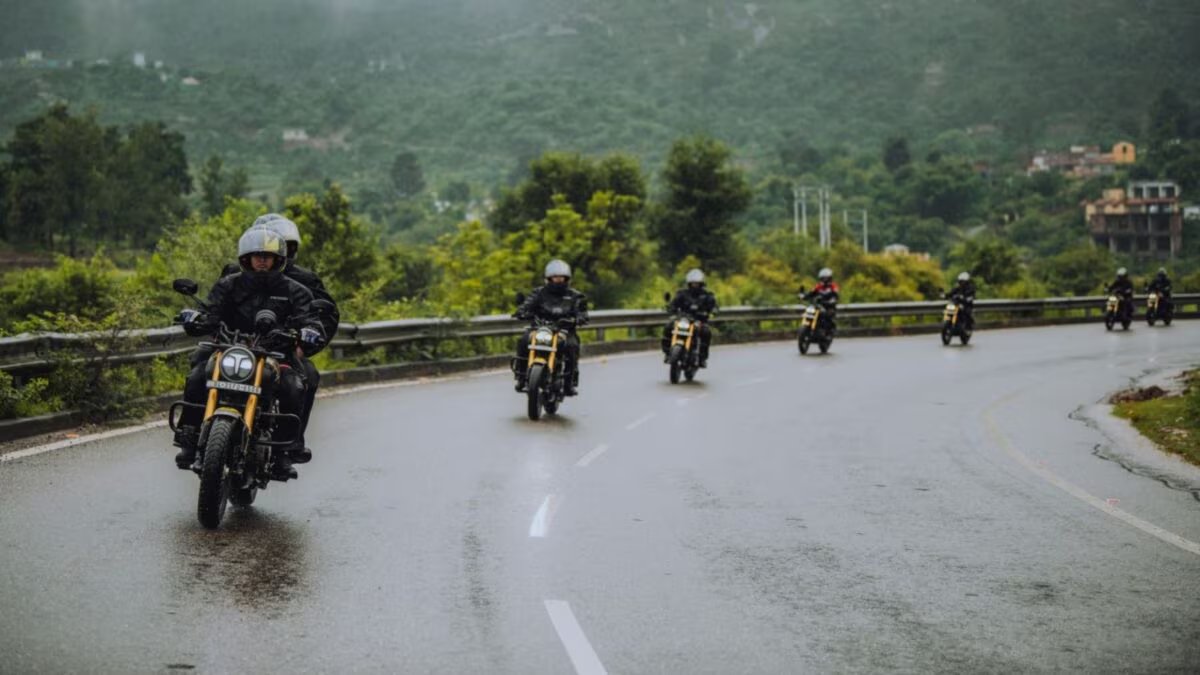
As much as the rainy season is pleasant, it can also prove to be risky for two-wheeler drivers. Wet roads, slippage, low visibility and waterlogging can turn a small mistake into a major accident. If you want to travel safely on your bike or scooter in monsoon, then definitely know these 5 easy but very important tips. These tips can make your ride more safe and stress-free.


Keep these 5 things in mind while driving a two-wheeler in monsoon.
The monsoon season in India brings with it respite from the scorching heat, but also creates many challenges for two-wheeler drivers. Due to wet roads, hidden potholes and low visibility, the risk of the bike or scooter slipping increases significantly. In such a situation, it is very important to take proper care of your vehicle and make some important changes in your driving habits to avoid accidents on the road and travel safely.
If you want to ride your bike or scooter without any problem in this rainy season, then you have to keep some very important things in mind. Let us know some such top two-wheeler and driving tips of monsoon, which will make your trip completely safe and comfortable in this pleasant weather.
1. Check tire grip and pressure
In monsoon, the friction between the road and the tire reduces, due to which the possibility of the vehicle slipping increases. Therefore, first of all check the depth of the tread of your vehicle’s tires, it should be at least 2-3 mm so that water can easily drain out. If the tires are worn, get them replaced immediately. Apart from this, tire pressure should be kept 1-2 PSI less than normal during rainy days. This increases the contact patch of the tire, giving you better grip and control even on wet roads.
2. Keep the braking system in good condition and alert
The braking distance of the vehicle increases on wet roads, hence it is very important for the brakes to work properly. Before the monsoon starts, get the brake pads, cables and brake oil thoroughly checked. Never apply hard braking while driving, because this can lock the wheels and cause the car to skid. Always use progressive braking, i.e. apply both brakes (front and rear) simultaneously, slowly and as required.
3. Keep your speed slow and maintain a safe distance
Drive at a speed less than the speed limit on water-filled roads, so that you can get enough time to recover in case of any emergency. Maintain double the safe following distance from the vehicle moving ahead of you as compared to normal days. By doing this, if the vehicle ahead suddenly applies brakes or takes a turn to avoid a pothole, you will be able to stop your vehicle safely.
4. Increase visibility and choose the right gear
Due to heavy rain and fog, visibility on the road becomes very difficult. To avoid this, keep your headlights on low-beam even during the day so that you can clearly see the vehicles coming from the front and behind. Always use a full-face helmet with a clean visor and use anti-fog spray to avoid fogging up the glass when you breathe. Also, wear raincoats with bright or reflective strips, which shine from a distance.
5. Avoid waterlogging and potholes
It is impossible to estimate how many deep pits or open manholes are hidden under the water filled on the roads. Therefore, avoid going on unknown roads filled with water. If you have to cross water, then go slowly by giving a stable race in first gear, so that water does not enter the silencer and the engine does not stop. Avoid walking on the roadside because there is more accumulation of water and mud there and there is a fear of slipping.
About the Author
.jpg?impolicy=website&width=52&height=52 "authoring")
Ram Mohan Mishra, working as Senior Sub-Editor at News18 Hindi, is active in digital media since 2021 and is currently handling the Auto Desk. They provide car and bike related information in an easy, clear and reliable manner.read more

Discover more from News Link360
Subscribe to get the latest posts sent to your email.