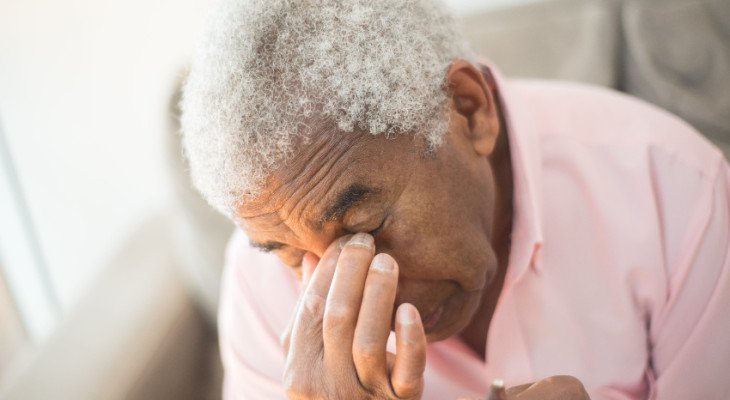
Dementia is a condition caused by brain diseases and affects memory, thinking and the ability to function. More than 57 million people live with dementia worldwide and nearly 10 million people get newly diagnosed every year. Alzheimer disease is the most common form of dementia and is estimated to account for 60 to 70 per cent of cases.
While there is no cure for dementia, up to 45 per cent of the risks can be attributed to modifiable risk factors such as tobacco, alcohol use, social isolation, physical inactivity, air pollution and noncommunicable diseases (NCDs), including high blood pressure and diabetes. Beyond health, dementia affects a person’s independence, dignity and safety.
“We know more today than ever before about what drives dementia risk, and these guidelines translate that knowledge into action,” said Dr Tedros Adhanom Ghebreyesus, WHO Director-General. “Countries now have clear, evidence-based recommendations they can put into practice immediately to protect people’s cognitive health.”
The guidelines recommend several healthy behaviours and lifestyle interventions to reduce dementia risk, including cognitive training and cognitive stimulation and engagement in social activities for adults who have normal cognition or are experiencing mild cognitive impairment.
The updated advice also includes interventions that reduce risk of NCDs, including increasing physical activity, stopping tobacco use, reducing alcohol consumption, adopting a healthy diet and a new recommendation to reduce exposure to air pollution.
Management of cardiometabolic conditions such as hypertension, diabetes, and high cholesterol can also help reduce dementia risk. Further, hearing aids may be offered as part of risk-reduction strategies.
As an intervention to reduce the risk of cognitive decline and/or dementia, the guidelines do not recommend supplementation with vitamins B and E, omega-3 polyunsaturated fatty acids (PUFA) and multivitamins/minerals in the absence of a diagnosed deficiency, due to the lack of evidence of any potential benefits to outweigh unexpected harmful effects.
Dementia affects an individual’s ability to live independently, work and function, while placing substantial burdens on families and carers. It carries a major economic loss, costing the global economy an estimated USD 1.3 trillion annually. About half of this cost is driven by unpaid care provided by families and friends. Understanding risk factors and taking action to prevent dementia can improve health and quality of life, helping people live longer, healthier and more independent lives.
Discover more from News Link360
Subscribe to get the latest posts sent to your email.