

Why millennials and Gen Zs are embracing hemp wellness products for stress, sleep, and sanity

Over the past few years, the health and wellness sector in India has observed a seismic shift. For several decades, conversations surrounding holistic health were largely confined to Ayurvedic practices and herbal supplements steeped in traditions practised daily.
Today, however, millennials and Gen Zs are redefining what health and wellness mean to them, which goes far beyond traditional fitness regimes or one-size-fits-all pharmaceutical approaches.
The new-age obsession with wellness and self-care
Whether it is experiential retreats or health-tracking devices, personalised nutrition or therapy sessions, consumers across these generations are trying their hands at a more comprehensive approach to self-care.
What used to be an optional lifestyle choice has quickly become the new normal, reflecting a cultural transition towards proactive, sustainable, and science-backed wellbeing.
And this transformation is not a fleeting fad; it is an evolution. The numbers speak for themselves. A MedIQ report highlighted that millennials and Gen Zs are the primary consumers of herbal, Ayurvedic, and naturopathic over-the-counter products, accounting for over 40% of new adopters in this category.
An increased demand for natural and organic products has also created space for hemp derivatives as an addition to their routines to avoid the side effects of chemical pharmaceuticals.
A modern-day elixir for mind, body, and gut
Besides wellness, its benefits extend to the realm of nutrition. With an excellent fibre content and as a rich source of fat, hemp seeds have been shown to help control appetite, boost digestion, and improve gut health.
What’s more, these seeds are a great source of plant-based protein (18-23%)—meaning they contain all essential amino acids needed by our body. Given its high protein content, required for repairing and building muscle tissue, hemp seeds also serve as rich nutrients for both fitness enthusiasts and athletes, including those seeking a vegetarian and vegan protein alternative.
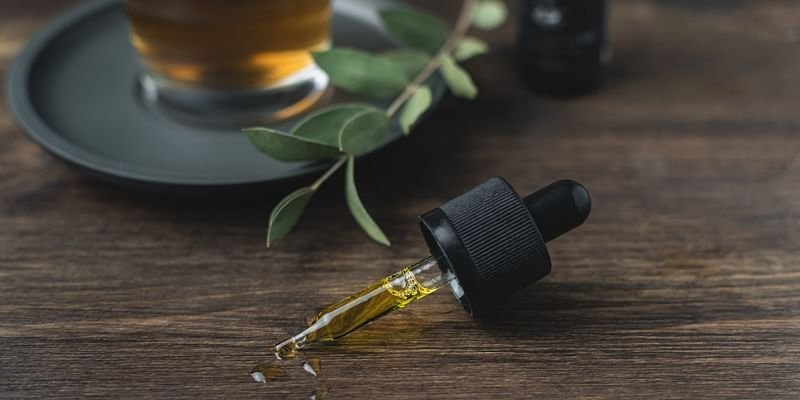
CBD oil, too, has been shown to have therapeutic effects useful for relieving anxiety, reducing stress, and improving mood. Depending on the dosage recommended to each individual, the extract can be consumed with the help of a dropper in coffee, smoothies, or juices, or in a capsule form.
For localised relief, rubbing a few drops on the skin multiple times a day can ease joint pain, spasms, and muscle pulls. Additionally, those preferring a tastier, edible alternative to avoid the typical taste of traditional CBD oil, CBD gummies offer similar calming benefits—making them a perfect midnight snack for restful sleep, relaxation, and post-workout recovery.
Why millennials and Gen Z are experimenting with hemp
With hectic professional schedules and personal commitments, millennials and Gen Zs are reporting unprecedented levels of anxiety and stress compared to older generations. A study by ICICI Lombard found that 80% of Indians reported at least one symptom of stress, and one in every third Indian faced issues with stress and anxiety.
To deal with this mounting pressure, they are constantly on a hunt for solutions that can soothe them, help them unwind, and induce sleep. CBD oils and gummies, and rolled hemp leaves as smoke therapy, are being used as rituals: something to signal “day is done.” In fact, studies published in 2020 and 2022 found that CBD held potential as an alternative treatment for anxiety-related disorders.
Specifically, products like rolled hemp leaves, which are tobacco and nicotine-free and use Ayurvedic “Dhoom Dandika” techniques, are gaining popularity. They deliver a gentle smoke therapy experience, yet serve as an alternative to tobacco addiction, making them a healthier alternative to contribute to overall respiratory wellness, as well as mental relaxation.
The shift from stigma to superfood
As younger consumers continue to seek some of these natural wellness solutions, the demand for such hemp-based products will surge at an equivalent pace. According to recent reports, India’s hemp product market size, currently valued at $1.3 billion, is projected to surpass $4.7 billion by FY32 at a CAGR of about 17.34%.
This growth is fuelled by several factors, including the shifting legal landscape, growing awareness of hemp’s therapeutic properties, and increasing global conversations highlighting its benefits, which include improved sleep, reduction in physical pain, appetite control, better cognitive functions, and balanced mood are fuelling this growth.
The age-old perception that hemp equals “getting high”, or that cannabis always means illegal and unsafe, is gradually being transformed. This change is attributable to brand-led education, legalisation of medicinal marijuana across several countries, including India, transparent labelling practices, guidance from practitioners, and user testimonials. Collectively, these practices have helped to reduce the gap and promote further growth of the industry.
The path ahead
If the 1990s were marked by yoga, slow walks, and calorie counting, today’s wellness trends include practices such as cold-water plunging, high-intensity workouts, mindfulness, and tech detox rituals.
With solutions that offer a blend of modern science and traditional wisdom, modern hemp-based wellness products have found a place in this ecosystem with utmost ease.
As the wellness industry in India matures, hemp will no longer be viewed as just a product, but rather a tool for overcoming the challenges of a fast-paced modern lifestyle. When consumed responsibly, used mindfully, and respected for its complexity, hemp-based wellness solutions can be a remedy for stress relief, mental clarity, and restorative sleep.
Harshal Goel is Founder and CEO of The Trost.
(Disclaimer: The views and opinions expressed in this article are those of the author and do not necessarily reflect the views of YourStory.)
Discover more from News Link360
Subscribe to get the latest posts sent to your email.