


Hathras: From hand-stitching to a home-based tailoring unit
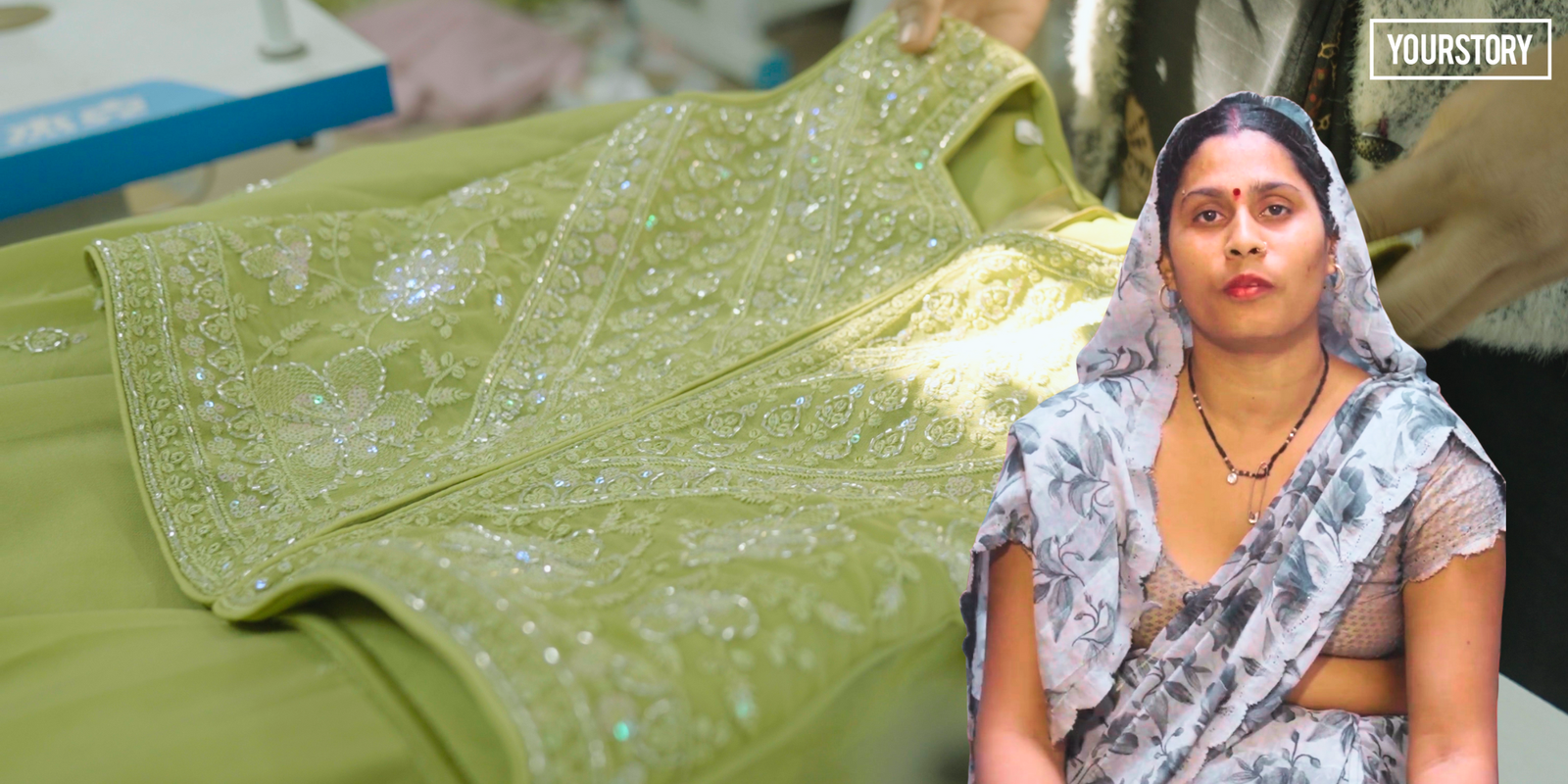
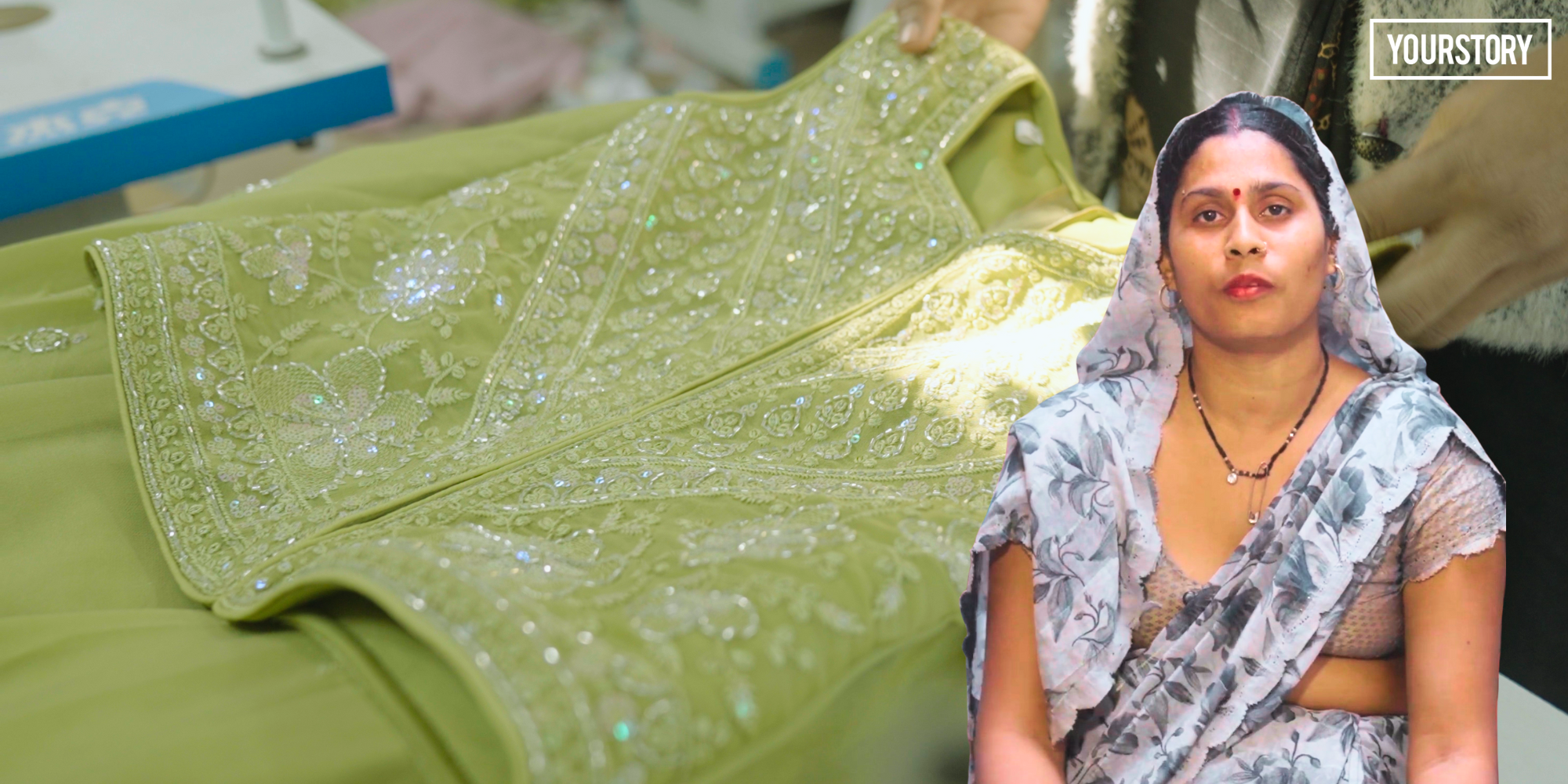

She knew the craft, but to scale the business required a machine, as well as a way to invest in it without putting the household under pressure.
Starting with a form
Things began to change when she filled out a form for support that could help her get a sewing machine. A call from the office asked her to visit, and during the interaction, she was asked what she managed to earn from stitching. When she explained her daily range, she was advised that with a machine, she could take better-paying work and increase output.
Devi hesitated at first. She describes being scared of taking on repayment, unsure whether her work would be steady enough. After taking a few days to think, she returned and completed the process. The loan, she says, was cleared quickly after the bank visited, saw her work, and found it viable. She received support under the Mukhyamantri Yuva Udyami Vikas Abhiyan (CM YUVA) Yojana.
Building work at home
With the money, she brought machines into her home and began organising work beyond her own stitching. She says she started with six machines, adding more within a few months based on the work generated. Today, she runs a home-based tailoring unit where around 10–12 people work through the day.
The unit stitches a mix of women’s garments, including frocks, palazzos, gowns, and lehenga-choli sets. Work begins around 8:30 am and usually ends by 6 pm. Devi does not describe herself as separate from the floor; she checks pieces, spots errors, and corrects measurements before goods move out. If a stitch is left loose, or if elastic is placed incorrectly, she flags it. “I keep checking each piece before it goes,” she says, explaining that quality control is what protects both the worker’s effort and the buyer’s trust.
Orders and a steadier rhythm
She says the finished pieces do not stay confined to local markets. From her unit in Hathras, orders are sent outside the district as well, including to Delhi and Mumbai. For her, the most visible change is not only the larger volume of work, but the steadier rhythm it has created at home: regular working hours, shared responsibility, and a system where multiple earners depend on timely and correct output.
Devi speaks positively about CM Yuva Yojana because, in her words, it gave her the confidence to formalise what was earlier treated as small household work. Where her stitching once brought in occasional, low-value jobs, she now manages a unit that runs on routine, checks, and the discipline of finishing garments the same way every day. The early fear of taking a loan has not disappeared from her memory, but it now sits alongside a quieter certainty: the machines are running, people come to work each morning, and the household’s income is less dependent on chance.
Discover more from News Link360
Subscribe to get the latest posts sent to your email.