


Blinq Mobility: Building the Future of Swappable EVs for Urban India
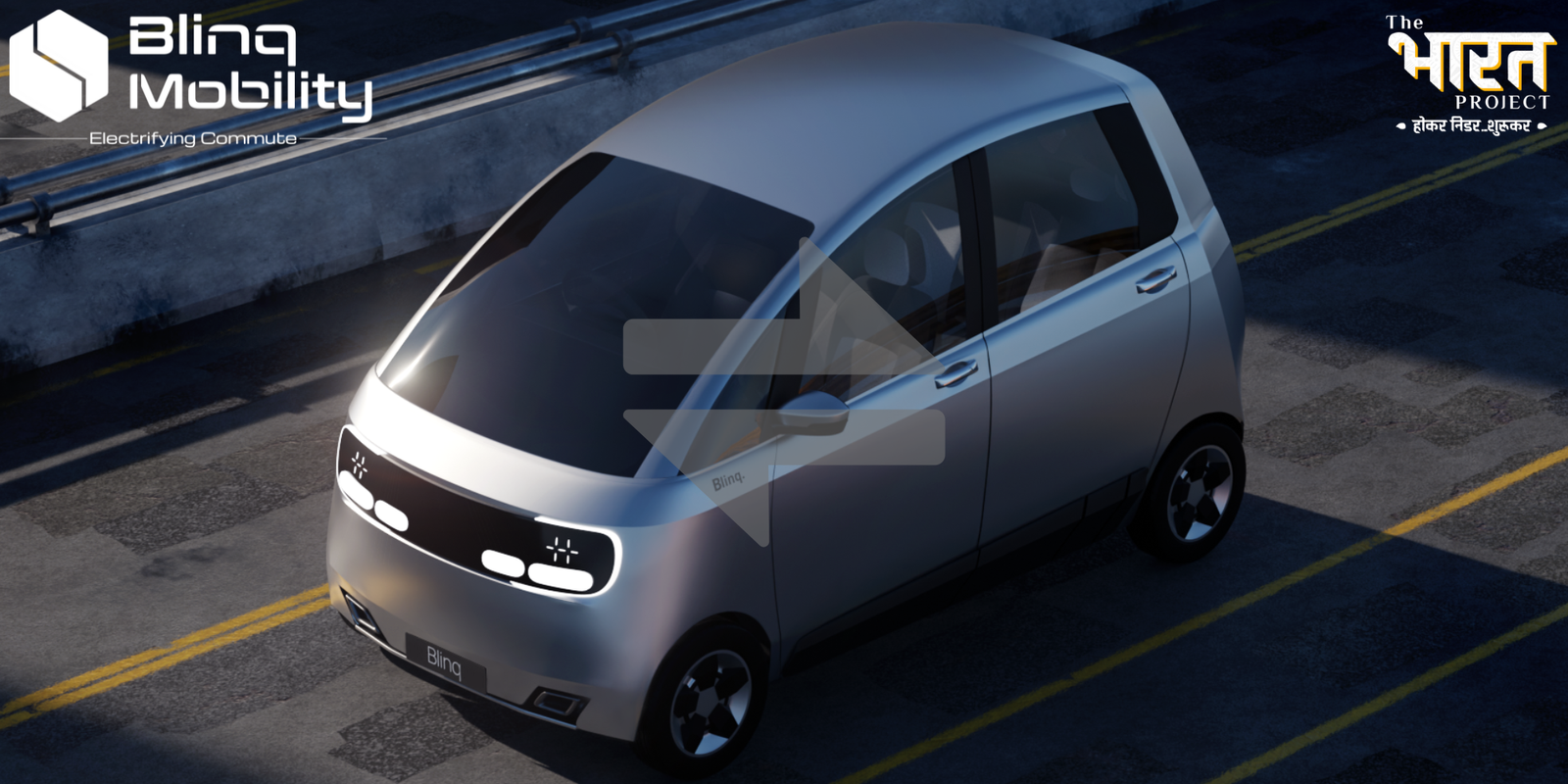

A Journey Fueled by Curiosity and Grit
Blinq Mobility’s story began with a simple question: why can’t electric cars swap batteries as easily as scooters?
For Nikesh, the founder and CEO, a long-time EV evangelist, the idea wasn’t theoretical. During his time at IIT Delhi, he worked on Formula Student electric race cars, gaining hands-on experience with powertrains and vehicle systems. After college, he built a company focused on EV components, giving him a close view of the industry’s pain points.
<div class="externalHtml embed" contenteditable="false" data-val="” align=”center”>
Two stood out: long charging times and high upfront costs. For fleet operators running 16 to 20 hours a day, these were deal-breakers. That insight led to Blinq’s core innovation, robotic battery swapping paired with a subscription model.
Blinq in a Blink
Founded in June 2024 and incorporated in October, Blinq represents the speed and efficiency it delivers. In a blink, a depleted EV battery is swapped for a fresh one. Vehicles get back on the road without waiting hours to recharge.
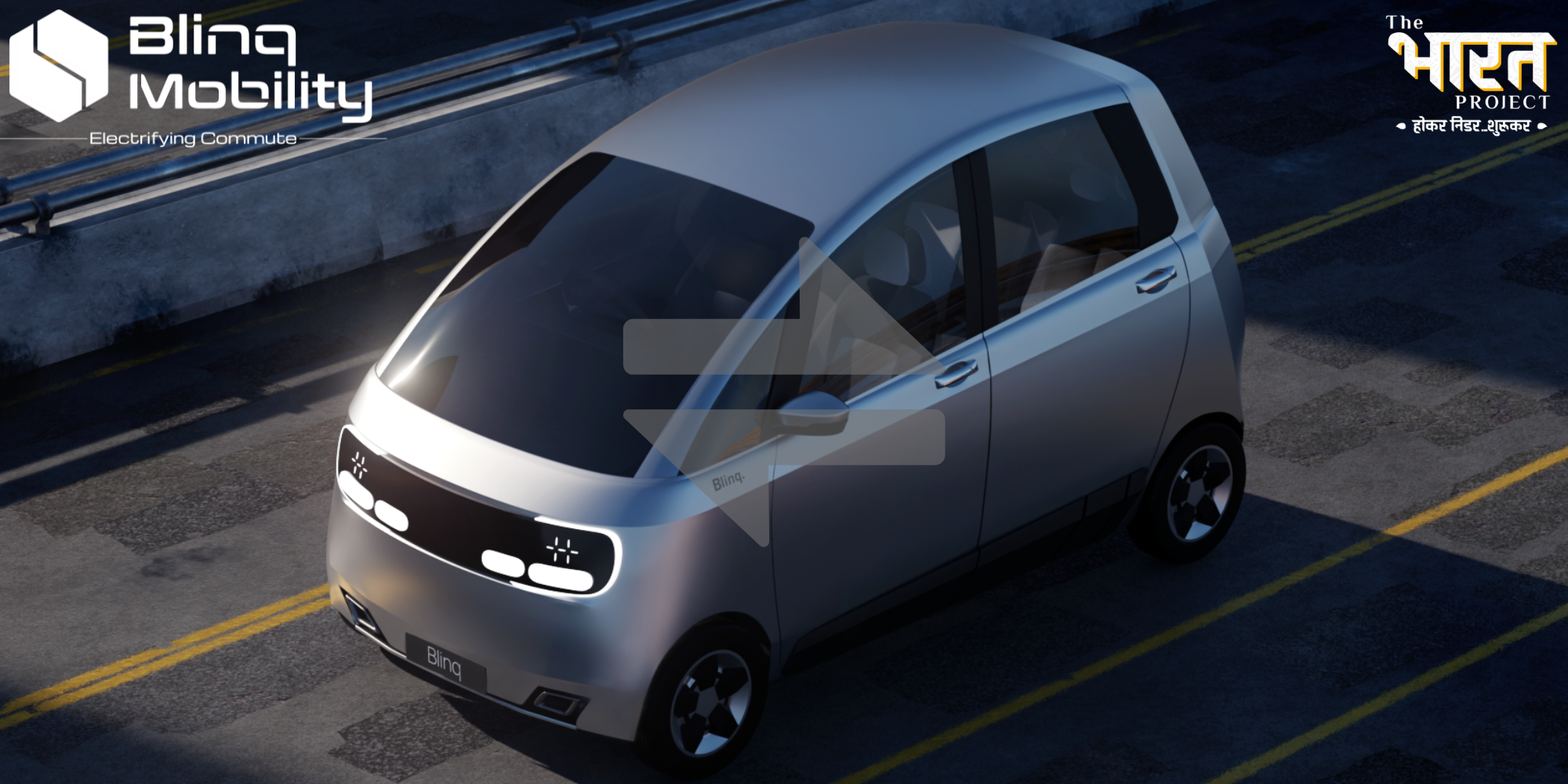
Blinq’s mission is clear: make EVs the obvious choice for urban mobility by removing cost and downtime. Every system, vehicle, battery, and infrastructure, is designed as a single platform, built from scratch for high-utilization use cases.
Built by a High-Ownership Team
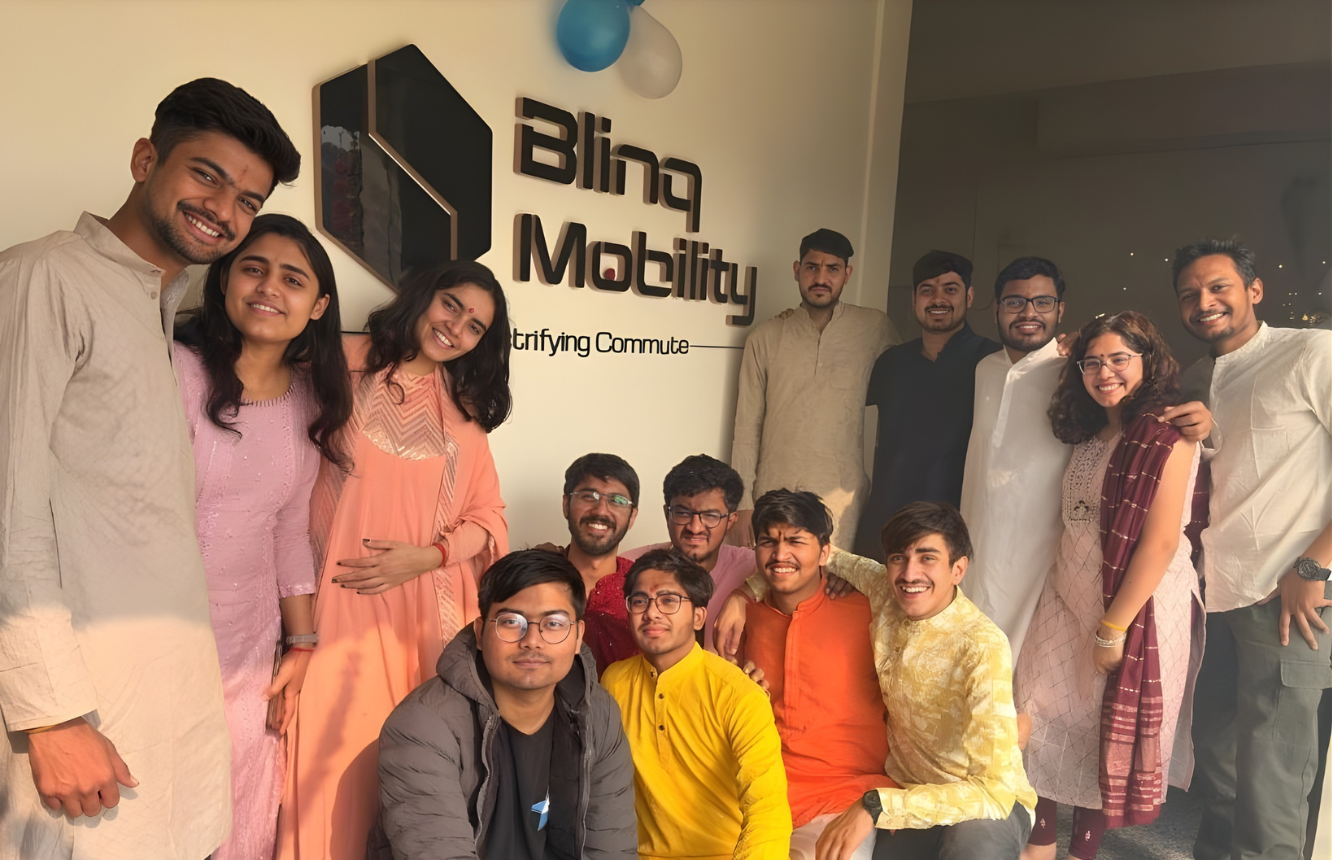
The startup is led by five IIT Delhi alumni with a deep blend of engineering and business experience. CTO Ankit brings expertise from Tesla, where he worked on the Cybertruck and Robotaxi projects. Co-founder Abhilasha adds expertise in alternate battery chemistries and EV electronics.
Blinq’s hiring philosophy emphasizes three traits:
- Curiosity and a drive to learn
- Real-world, hands-on project experience
- Deep ownership and accountability
This culture shapes a flat, founder-like mindset across the team.
Backed by Institutions That Build India
Blinq is incubated at ARAI (Automotive Research Association of India), the country’s apex vehicle certification body. This relationship has been key to product validation and regulatory clarity.
The team also received grants and support from AIC Banasthali, FIIRE Goa, and the Deshpande Foundation. These partners provided mentorship, infrastructure, and execution support during critical early stages.
Solving for India’s EV Reality
Urban EVs often fall short when it comes to uptime. Blinq solves this by decoupling the battery from the vehicle. The battery can be swapped in minutes, and a subscription model slashes upfront costs.
Unlike retrofitted solutions, Blinq’s EVs and batteries are built as one system. This results in better integration, lower maintenance, and a smoother user experience. The platform is designed for cities where reliability and round-the-clock operation are essential.
Market Opportunity and Business Model
Blinq targets high-usage urban drivers, fleet operators, and ride-hailing platforms. With even partial electrification, this segment represents a billion-dollar opportunity in India alone.
Its business model is multi-layered:
- Vehicle sales or leasing
- Battery subscription fees
- Swapping-as-a-service
- Fleet software and analytics
Modular design and standardization make the platform scalable across cities.
Differentiation and Lessons in Hardware
Unlike most EVs retrofitted for fleet use, Blinq is built ground-up for high utilization. That makes it faster, more efficient, and easier to service. But building hardware is not without its challenges. Certification delays, supply chain complexities, and the time it takes to validate physical systems require patience. As the team notes, hardware teaches humility.
There are no shortcuts. One of the key lessons, according to the founder, is to stay focused on real-world problems rather than chasing trends. “If you’re building hardware in India, be prepared for a long journey,” he says. “Depth, patience, and execution will always matter more than hype.”
Building Impact, Not Hype
Blinq’s impact spans three key areas:
- Lowering emissions in urban centers
- Making clean mobility economically viable
- Improving fleet uptime and driver earnings
The team believes India is uniquely positioned to lead in practical, scalable EV solutions. With support from ARAI and national incubators, Blinq is turning that belief into action.
Discover more from News Link360
Subscribe to get the latest posts sent to your email.