


MP Raghav Chadha pushes for tokenisation bill to democratise asset ownership

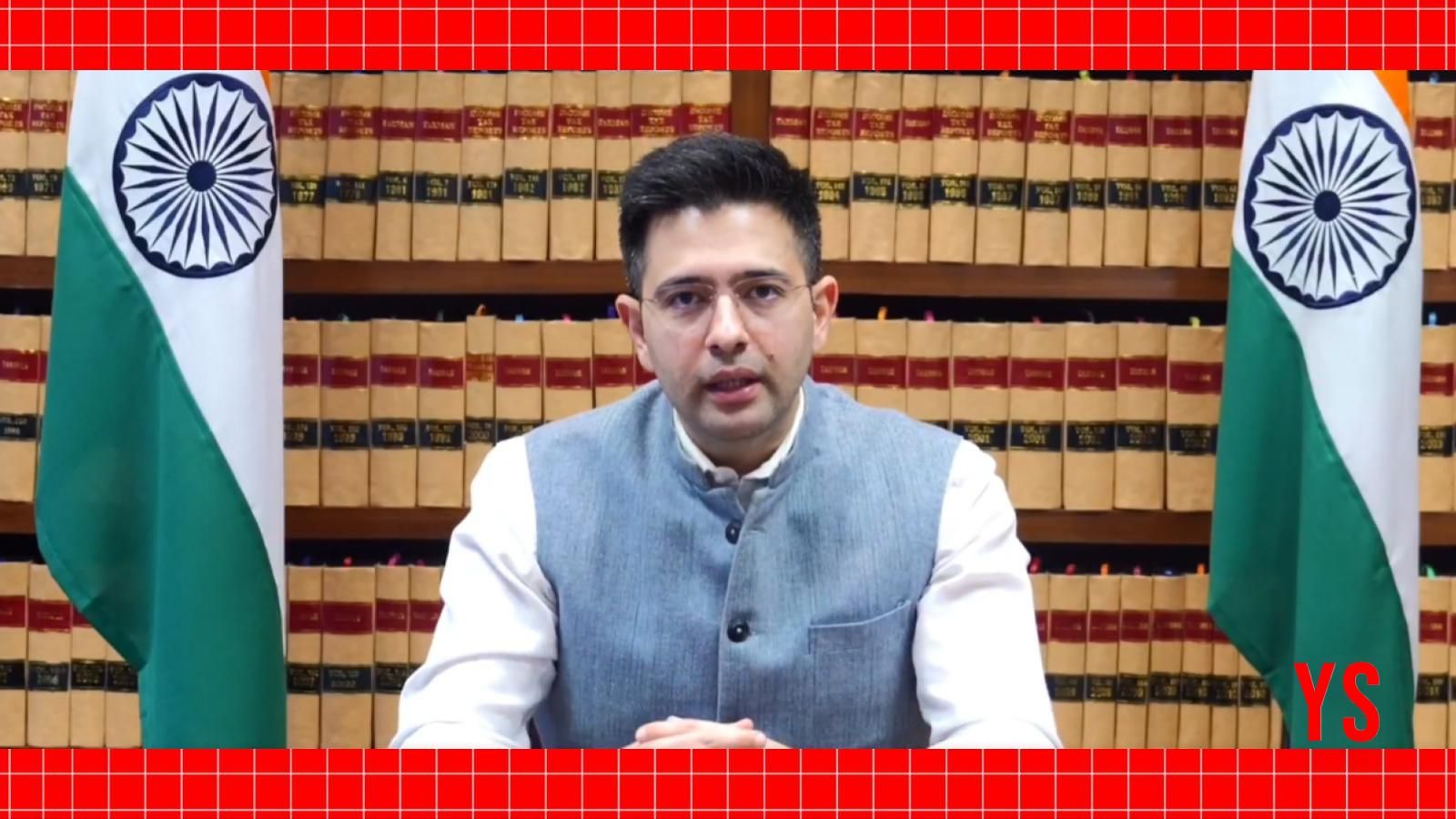

Chadha told lawmakers this week that “India today needs a Tokenisation Bill,” comparing its potential impact to the Unified Payments Interface that now sees people across socioeconomic strata accept digital payments.
“Just as UPI—rather, digital payments—made payments inclusive in a way that even railway track workers, vegetable vendors, and rickshaw pullers today accept and make payments through UPI, in the same way, to make investment and asset ownership inclusive, we need a tokenisation law in this country,” Chadha said in Parliament on Tuesday.
The proposal comes as global financial institutions accelerate tokenisation initiatives. BlackRock Inc. has publicly described tokenisation as “the next wave of finance,” while Franklin Templeton has already issued tokenised money-market fund shares using public blockchains.
Chadha argued that India’s middle class faces limited investment options beyond bank savings accounts, mutual funds and fixed deposits, with commercial real estate, infrastructure projects and private asset classes remaining out of reach for small investors.
“Tokenisation is a financial revolution that breaks a large, expensive asset into small digital tokens, allowing transparent buying and selling through blockchain technology,” he told Parliament.
The lawmaker used gold as an example of how tokenisation could work. While 10 grams of gold currently costs around Rs 135,000, physical shops typically won’t sell smaller quantities. Digital gold and gold ETFs have already enabled purchases as small as Rs 500.
“In the same way, if assets are digitised through tokens, people can own fractional shares of these assets,” Chadha said.
Global precedents
Chadha pointed to regulatory frameworks established in developed markets. The U.S. Securities and Exchange Commission has brought tokenisation within its securities laws, while Singapore has launched Project Guardian to enable legal tokenisation. The European Union has created the Markets in Crypto-Assets regulation, and the United Arab Emirates established the Virtual Asset Regulatory Authority dedicated to asset tokenisation.
The appeal to Indian cultural preferences was explicit. “Indians have a strong cultural affinity towards real estate and precious metals like gold and silver, because 70 to 80% of household assets are stored in these asset classes,” Chadha said. “Therefore, tokenisation will directly address these preferences by enabling fractional ownership of these assets using blockchain technology.”
He outlined several benefits for middle-class investors: better returns, retirement security, ease of investing, and instant liquidity in traditionally illiquid assets. “There will be no broker fees, no registration hassles, no property dealer complications,” he said.
Institutional momentum
The push for Indian legislation aligns with accelerating institutional adoption globally. JPMorgan Chase & Co., Citigroup Inc., UBS Group AG, HSBC Holdings Plc and Goldman Sachs Group Inc. now run tokenisation platforms or live pilots.
Asset tokenisation has shifted from experimental pilots to early-scale deployment in 2024-25, with banks, asset managers and regulators treating tokenised funds, bonds and deposits as core modernisation initiatives rather than cryptocurrency side-projects. The focus has moved toward “real world assets” including government and corporate bonds, money-market funds, real estate, private credit and trade finance receivables.
Chadha concluded his address by calling for “a comprehensive asset tokenisation legislation and a regulatory sandbox” that would make investment and ownership “truly inclusive for the common man.”
“If regulatory clarity comes through an asset tokenisation law, global capital—rather than flowing to Singapore, the UAE, Hong Kong, or the US—will come to India and be invested here,” he said.
The proposal faces an uncertain path in Parliament, where the government has yet to signal its position on asset tokenisation regulation. India’s securities regulator, the Securities and Exchange Board of India, has not publicly commented on tokenisation frameworks.
Edited by Affirunisa Kankudti
Discover more from News Link360
Subscribe to get the latest posts sent to your email.