


How women entrepreneurs are redefining India's luxury industry
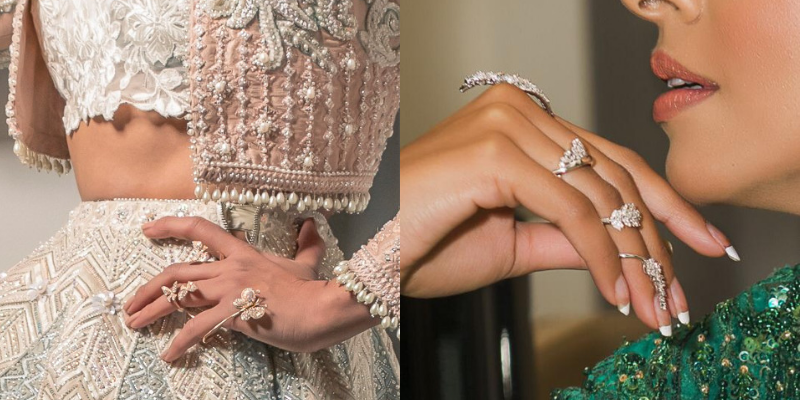


In recent years, the luxury industry in India has quietly been undergoing a transformation. This transformation is driven not only by changing consumer expectations but also by the next generation of women entrepreneurs who are reshaping the idea of luxury by combining heritage and craftsmanship values with modern sensibilities and taking women’s leadership of an industry that has been male-dominated for generations.
From tradition to transformation
India’s luxury market is now being shaped by professional women consumers, a shift which entrepreneurs must recognise. According to a survey by ASSOCHAM, working women with high paying jobs are significantly driving demand for high-end luxury jewellery, apparel, accessories and décor. This change in buyer-psychology is a powerful platform for women founders who understand both the cultural sensibility and the design aspirations of this cohort.
Simultaneously, women entrepreneurs across India are scaling their ventures in meaningful ways: from fields as diverse as textiles and fashion to home-luxury décor and gifting.
Why this moment is theirs
Several structural and market factors are creating a perfect moment for women to lead in luxury. First, the definition of luxury is shifting from conspicuous consumption towards value-rich, meaningful, craft-centred experiences. This plays directly to women entrepreneurs’ natural strengths, as they often provide deep expertise in narrative, heritage, and emotional engagement, not just product.
Second, the growth of affluent women consumers, not just female-founded luxury brands, creates credibility. They also create relatability. As the ASSOCHAM data illustrates, working women actively seek premium experiences, and increased spending on luxury lifestyle categories.
Third, technology, digital reach and ecommerce have opened up the luxury category in India. Founders who combine craftsmanship with digital access and customisation are now capturing premium clients across geographies.
Leading the change in luxury
What does leadership look like in this space? There are three threads:
* Heritage and craftsmanship are authentic at their core. Luxury is no longer about the brand; it is about the story of the brand, its heritage, and its purpose. Women founders are embracing this idea and thinking about working multicultural heritage, artisan craft, and luxury presentation. They are creating, not just luxury objects, but emotional legacies doing so.
* Design-led, customer-centred innovation: The traditional luxury business often followed a supply-led model. The new wave is more demand-aware. Women entrepreneurs bring fresh sensitivity to how client’s gift, display, and experience luxury. They can shift from ‘object’ to ‘moment’, recogniding that today’s luxury buyer cares about meaning as much as material.
* Inclusive leadership and culture: Creating a luxury brand is about having a team, a group of partners, and a supply-chain relationship. Women who are leading the businesses tend to be more inclusive, more collaborative, and more resilient through these stakeholders for luxury (artisans, designers, clients, corporates). They are creating a new definition of leadership in luxury.
Breaking barriers, building futures
As is often the case, there are particular challenges that women entrepreneurs face as they operate in the luxury sector. Access to capital is inconsistent, networks may still show preference for original stakeholders, and scaling the business from craft to a category of premium branded can be challenging because it means gaining different skill sets. Nevertheless, the statistics are promising: the growth of women-led businesses in India is expected to skyrocket, while their track record for contribution to innovation and employment opportunities is well established.
For those of us leading luxury brands as women, the opportunity is not just commercial. It is transformational. We are rewriting narratives around luxury in India: luxury that is culturally rooted, craft-forward, meaning-rich and inclusive.
What comes next?
Further impact, requires three actions:
- Intensify storytelling: Luxury brands must articulate more than products; they must articulate purpose. Women founders can tell that story.
- Scale through partnership: Gifting may require partnering with corporates; scaling requires strategic partnerships with a global luxury platform. Founders have to think globally, act locally.
- Championing craftsmanship and sustainability: Many consumers, particularly luxury consumers, find their values guiding their purchasing decisions. The luxury industry will continue to evolve focusing on sustainability, traceability and authenticity. Women who are entrepreneurs and have invested in their local marketplace show classic values in straddle globalisation.
In India’s luxury landscape, women entrepreneurs are not just in the mix; they are leading. They are challenging the norms of what luxury has been to be able to create what luxury can be. As we lead, design, innovate, and scale, the industry is transforming from the inside out.
To all women building luxury businesses: your voice matters. Your perspective is your strength. And your leadership will define a new era of Indian luxury rich in meaning, rooted in culture and reaching across the world.
The author is Director, DIVINITI, a brand that operates in the space of spiritual, corporate and personal gifting.
Edited by Swetha Kannan
Discover more from News Link360
Subscribe to get the latest posts sent to your email.