
Sahir Doshi on being a “hip-hop wildlife educator”

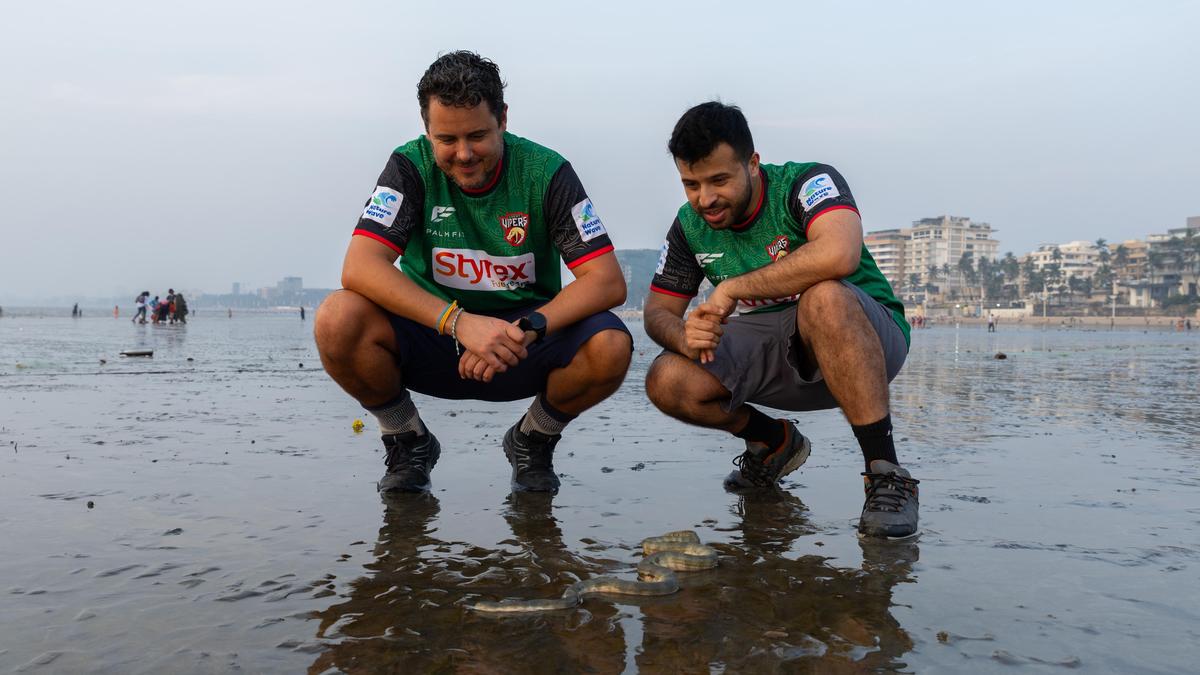
Sahir Doshi (right): tide pools and rocks are classrooms, stages, and an endless sources of excitement.
| Photo Credit: Special Arrangement
When the tide pulls back from Mumbai’s shoreline, it exposes creatures most people rarely notice. For me, these tide pools and rocks are classrooms, stages, and an endless sources of excitement. The thrill of seeing a live sea snake on the shore is unforgettable. Parakeets overhead, black kites gliding, and globe skimmer dragonflies migrating into Mumbai from Africa all inspire the same awe, which powers my work
Beginning
Much like the intertidal zone where I now spend most of my time, my career path has been murky but productive. I’ve been fascinated by wildlife, music, performing arts, and storytelling since childhood. I wanted to be a zoologist or ecologist but, at the University of Pennsylvania, the U.S., I gravitated toward public policy and journalism. My first reporting job in the U.S. was to cover attempts to remove protections for endangered species, including wolves and the American burying beetle. When a member of a politician’s staff questioned the beetle’s value, I realised I wanted to make conservation accessible to the general public, helping them understand and defend species often considered unimportant. I wanted to do it in India.
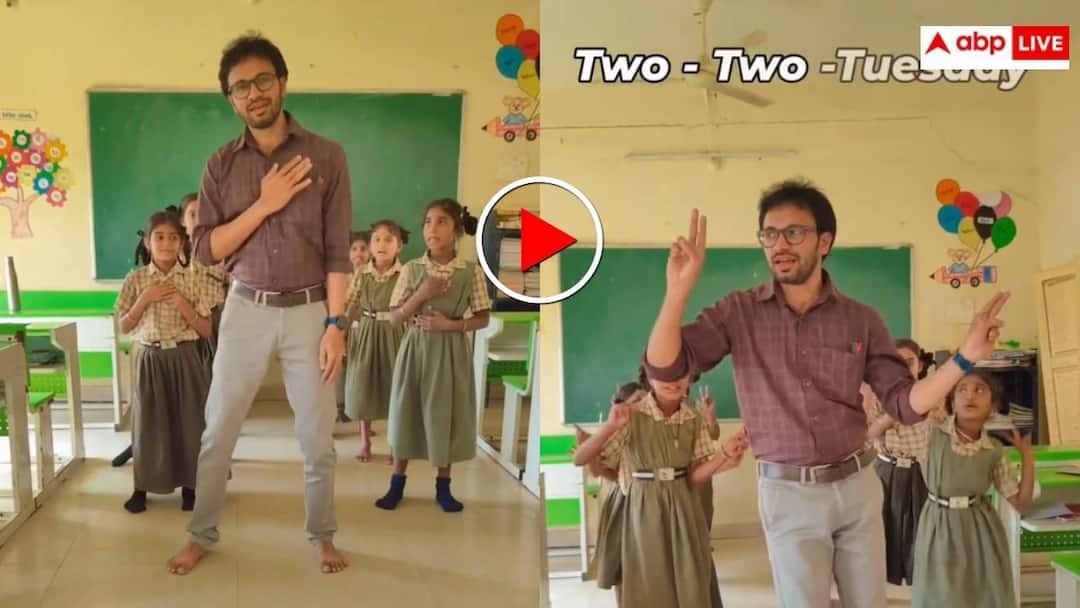
After returning to Mumbai, I began posting about urban wildlife on social media and, soon, I was invited to guide tours, speak in schools, and teach wildlife communication. Today, I describe myself as an India-based hip-hop wildlife educator. It’s a niche blending performance, music, and conservation outreach. At least half my days are outdoors filming species or leading nature walks. Writing includes reading scientific papers, interviewing experts, contributing to Sanctuary Cub, and freelance content creation. I also do workshops for schools in which we create verses on animals.
The most exciting part of my work is the creatures themselves. Tide-pooling, bug-hunting, or observing species interact never fails to thrill me. It’s even more rewarding to see others connect with wildlife. Children writing nature raps, adults wading through polluted water to see a slug or coral, or people voting for better shoreline protection.
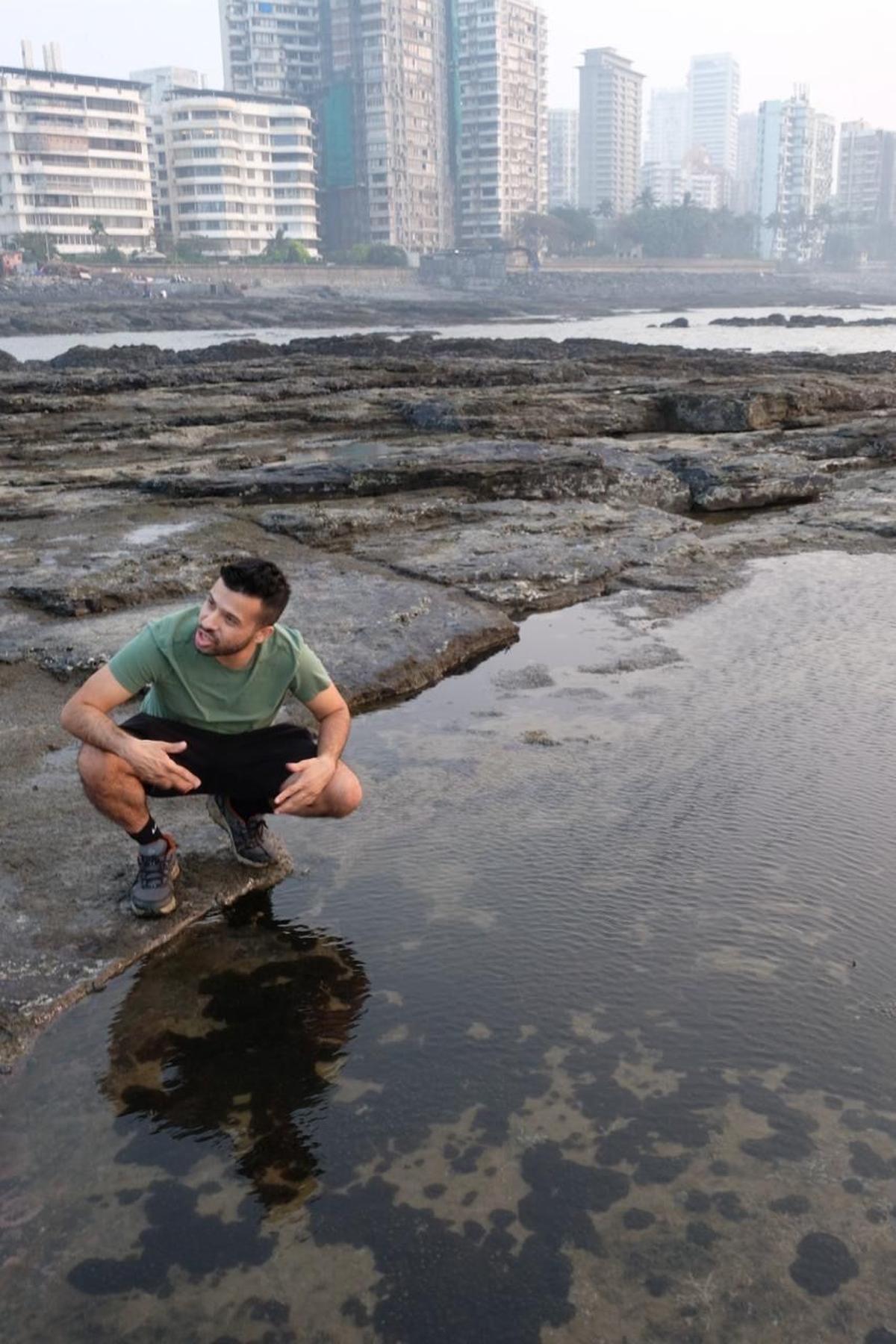
Translating scientific knowledge into accessible stories.
| Photo Credit:
Special Arrangement
Crucial skills
For my work, three skills — what I call “nerd muscles” — have been crucial. First, diving deeply into unglamorous subjects. Second, translating scientific knowledge into accessible stories. Third, being comfortable on stage or screen. Early exposure to performing arts made the latter possible, and showing my own face in videos has been essential for audience connection.
Of course, not everything is easy. Sustainability is a challenge. I am a team of one, balancing outdoor work, writing, content creation, and administration. However, partnerships with Sanctuary Nature Foundation, Nature Wave, and Teach For India help scale programmes, and collaborations with other Indian wildlife creators provide guidance and community.
Looking back, the best guidance I received came from mentors and communities that encouraged curiosity and courage. For anyone starting, I would say the same: find mentors, reach out, and don’t be afraid to take that first step. Focus on the work that comes your way, but keep developing the skills and passions that make your approach unique. The world is full of creatures to discover and stories to tell. Follow your curiosity and combine your talents and help others see them too.
Published – December 21, 2025 08:00 am IST
Discover more from News Link360
Subscribe to get the latest posts sent to your email.