


From tuitions to topsoil, how a Firozabad teacher built a vermicompost micro-enterprise
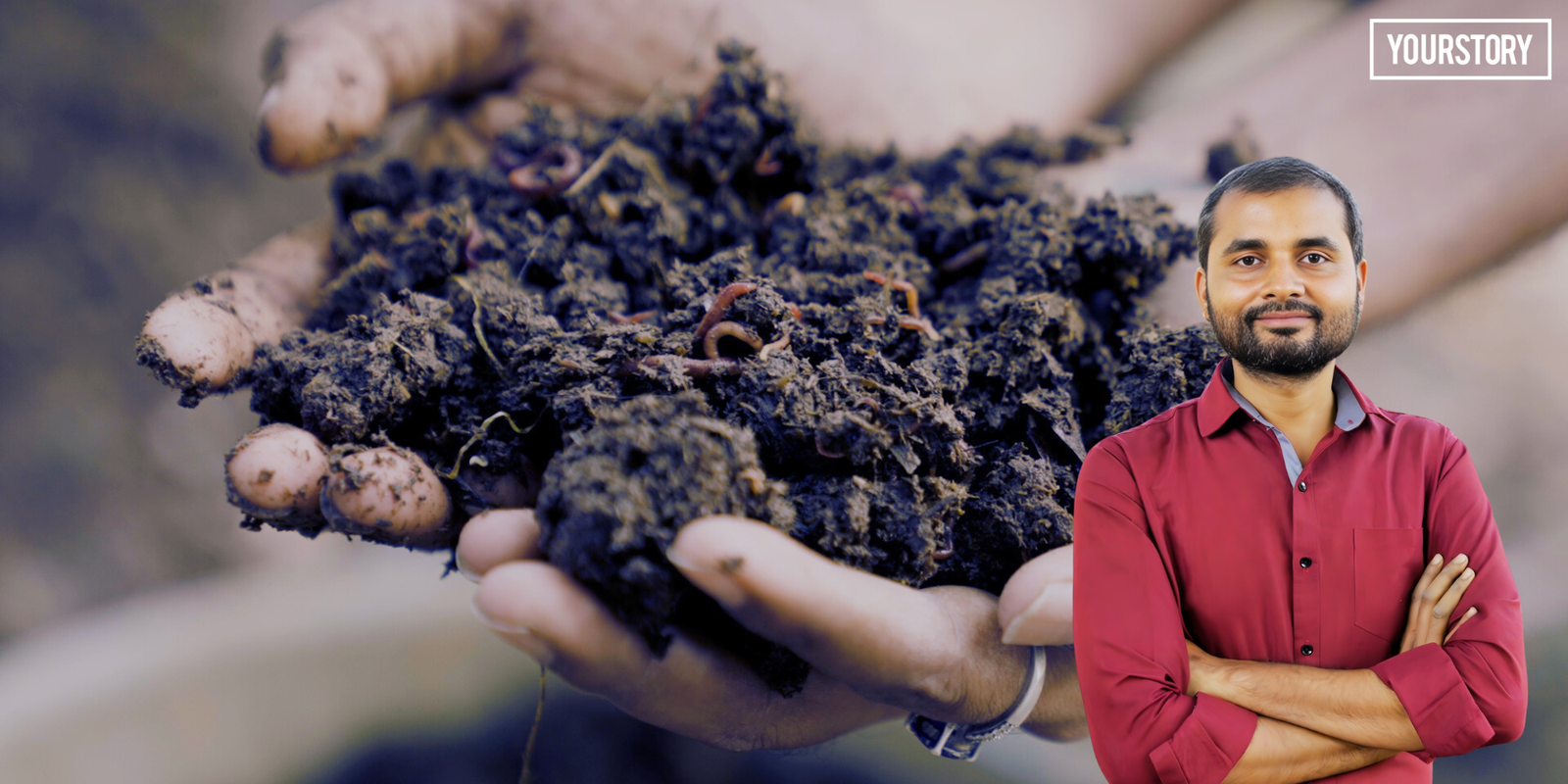
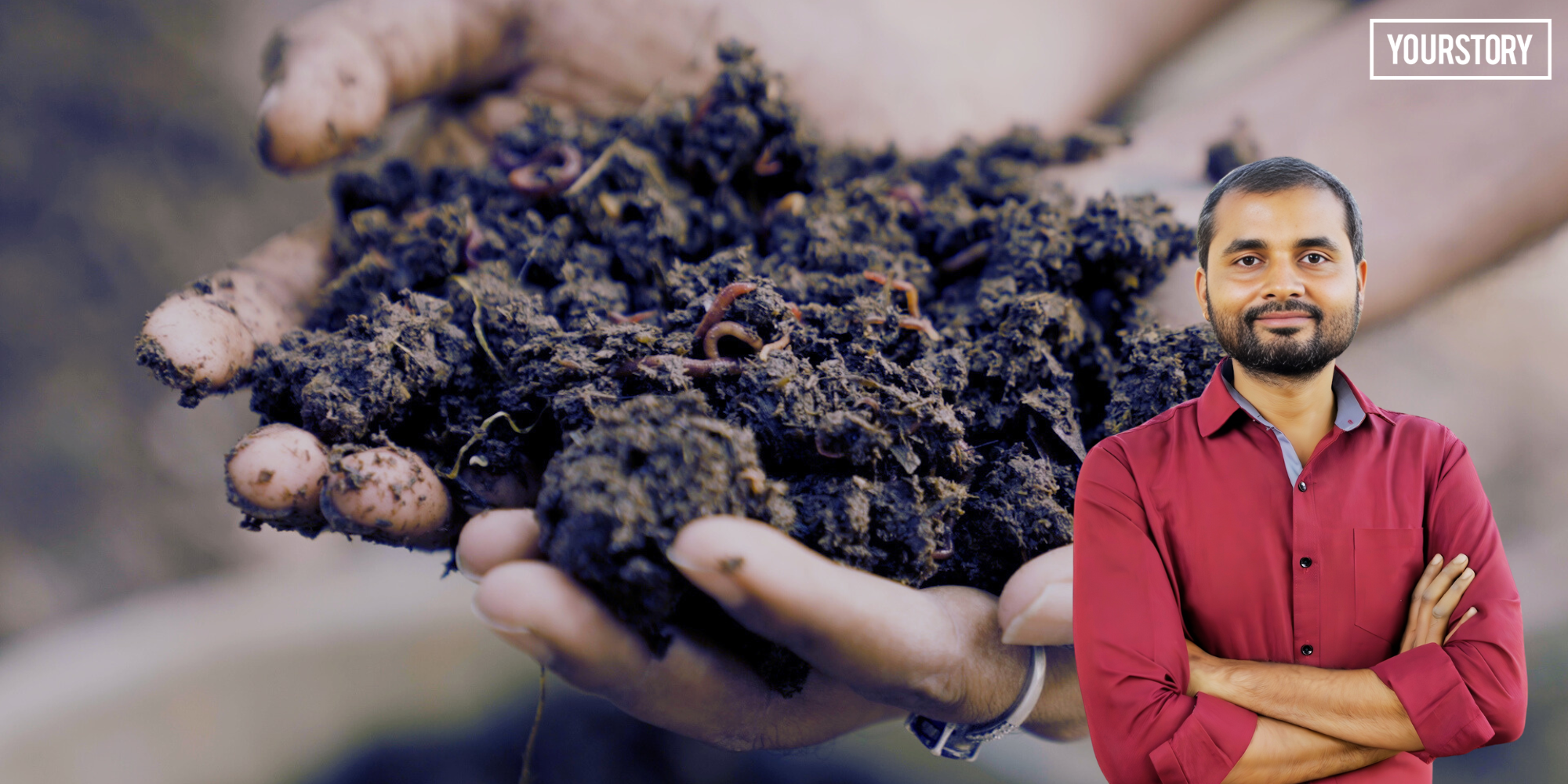

The teacher-turned-entrepreneur now runs a small vermicompost unit that supplies organic manure to nearby farmers, a pivot he credits to a YouTube video, structured training, and a timely state-backed loan.
From coaching room to compost bed
Vipin Rathore, who hails from Farrukhabad, near the village associated with Neem Karoli Baba, moved to Firozabad about 25-30 years ago.
According to him, repeated attempts at competitive exams, including TGT, did not culminate in a final selection.
While continuing to teach, he began exploring vermicomposting, finding in it both a livelihood pathway and a way to serve farmers and the local gaushala.
Capital and capability
The turning point came with the Mukhyamantri Yuva Vikas Abhiyan Yojana, under which the District Industries Centre facilitated a loan approval of Rs 5 lakh.
He acknowledges the handholding provided by officials, notably an executive named Akshay, and points to the programme’s insistence on genuine, compliant enterprises.
To build capability, he undertook hands-on training at the Krishi Vigyan Kendra, located roughly three kilometres from the District Industries office in Firozabad, and obtained certification before commissioning his unit. The founder now operates the micro-enterprise full-time.
Inside the unit, a frugal, process-first approach
The model is simple. Cow dung is collected from a nearby gaushala, helping the shelter manage waste while securing a steady feedstock. Beds are laid on a base sheet of ~30-micron polythene, used for safety so worms do not burrow away, although it is not mandatory.
Each bed is typically 30 feet long and about 4 feet wide. Height is tuned for the season, approximately 2 feet in winter and 1.5 feet in summer, to dissipate heat.
Fresh dung beds are watered in the morning and evening for seven days to vent trapped heat and gases. Only then are earthworms introduced, chiefly Eisenia fetida, popularly called red wigglers and colloquially known as the “Australian” worm.
Rathore records the inoculation date to track the cycle. The first harvestable top layer forms in about a month, usually 5-6 inches thick, which is gently scraped with a rake-like hand tool so that disturbed worms retreat downward. Full conversion of a 30-foot bed takes close to two months, he says.
Moisture management is critical. In summer, water is applied twice daily just enough to moisten, not to leach nutrients. In winter, intervals of one or two days are acceptable without harm. He adds that the species he uses can survive roughly from 5 degrees Celsius up to 45-50 degrees Celsius, which suits local conditions.
How does the unit deliver compost to farmers
According to the founder-operator, output is aggregated at the edge of the beds, then moved into a separate heap. Farmers who prefer unsieved compost can buy it loose.
Where needed, the manure is sieved and packed in bags. Two people, including Rathore, handle daily operations. Completing one 30-foot bed takes about half a day, so the team can ready two beds within a day of preparation.
Local linkages and measured growth
The unit relies on close-by resources, from the gaushala for dung to KVK guidance for good practices.
The founder says the approach lowers input costs, supports circular use of biomass, and offers a low-barrier option for smallholders seeking organic soil amendments.
For now, Vipin Rathore’s focus is on consistent quality, predictable cycles, and steady supplies to farms around Firozabad.
Discover more from News Link360
Subscribe to get the latest posts sent to your email.