


From law to teakwood: Barabanki entrepreneur scales a furniture venture

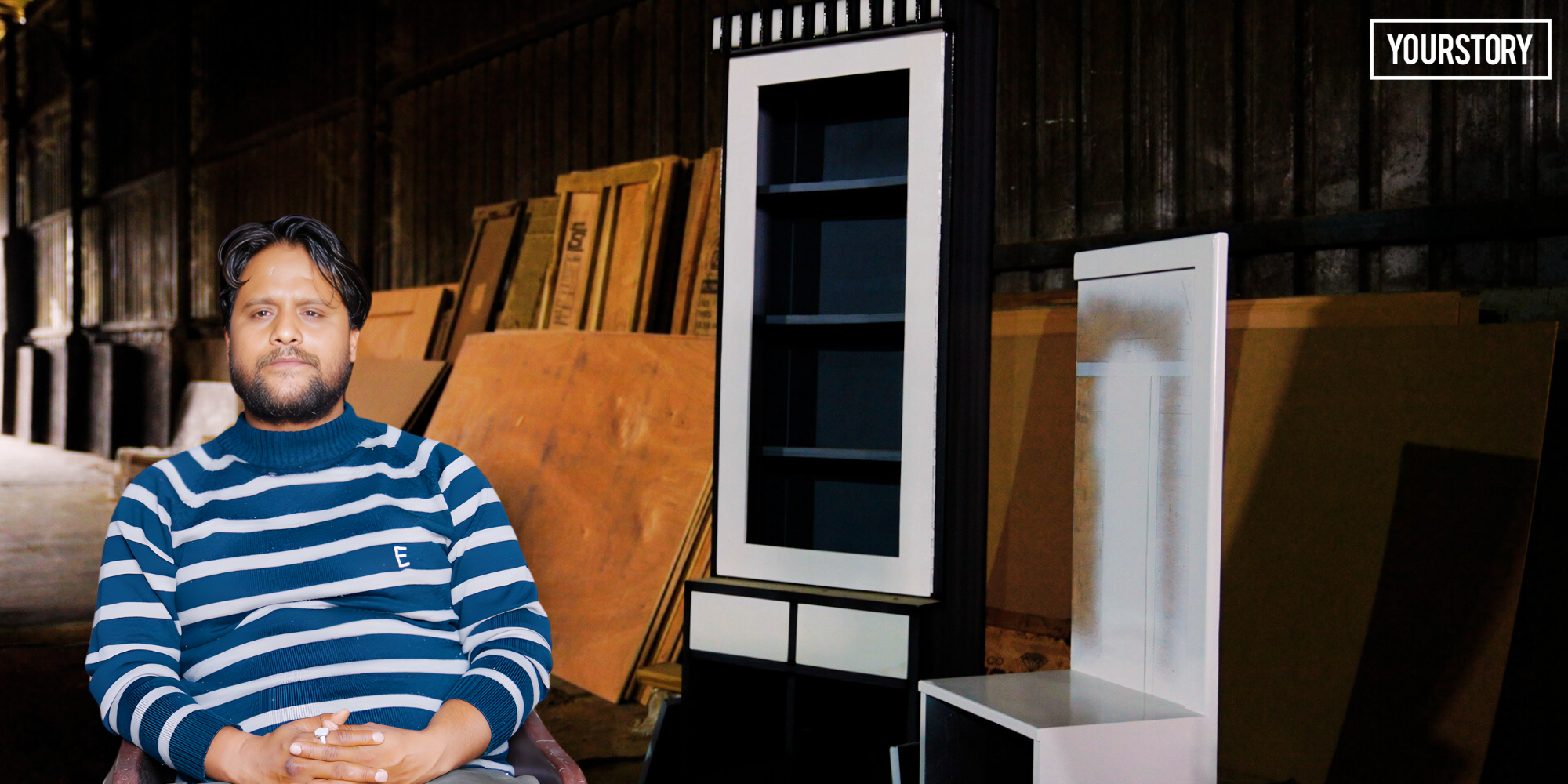

The former advocate is now the founder and proprietor of a teakwood furniture workshop, and he credits a timely interest-free loan under the CM Yuva scheme for moving his business from idea to execution.
Early days in law, a shift to furniture
Narayan says the spark came while his legal practice was still on. A close friend was already in the trade, which nudged him to test the waters on the side.
He pooled some savings, borrowed a small amount from his father and set up a workshop. As with most working-capital intensive trades, cash went out before returns arrived.
Within two to three months of starting up, he realised he needed a source of formal financial assistance to keep the workflow steady.
Applying for support, a digital-first journey
According to Narayan, the local bank manager informed him about the CM Yuva scheme. He read the details online, completed the documentation and applied.
The bank, he says, offered consistent handholding, and his loan was approved in about 12-15 days.
Disbursal followed shortly afterwards, within roughly three weeks, which brought the workshop into a predictable run-rate.
What does the business make today
The venture focuses on high-quality work using seasoned teakwood. The team fabricates made-to-order pieces for homes across Barabanki and nearby areas.
The founder adds that the portfolio is widening as word-of-mouth grows and now sells
- – Beds, sofas and dining sets
- – Dressing units and storage
- – Custom wedding packages and select home decor
How did affordable credit change the trajectory
Narayan explains that returns in furniture manufacturing typically lag initial investment by several months. In his case, meaningful results appeared around the fifth or sixth month.
The interest-free structure under the scheme, he says, was preferable to borrowing from informal sources at high rates, because it preserved cash flow and confidence during the ramp-up period.
Why interest-free loan over private borrowing
The founder says that asking acquaintances for funds often comes with social pressure and expensive interest. By contrast, the scheme offered transparent terms, bank oversight and departmental follow-up.
He recalls receiving calls from officials to check progress and share feedback. At a recent local programme in Barabanki, he and other beneficiaries were also felicitated, which he views as morale-building for first-time entrepreneurs.
What next for the workshop
While the initial sanction of about Rs 5 lakh helped steady the ship, Narayan now aims to expand capacity and inventory. He believes a higher ticket size, in the range of Rs10 lakh to Rs 15 lakh, would allow him to diversify designs, procure better machinery and reduce delivery times.
As founder-owner, his near-term focus is on strengthening the supply chain for quality teak and maintaining craftsmanship that keeps repeat customers coming back.
For many small manufacturers, his journey underlines a simple lesson — affordable and timely credit, coupled with bank and departmental support, can accelerate a side hustle into a structured enterprise.
As Narayan puts it, once funds hit the account, the work begins to flow, and the business finds its rhythm.
Discover more from News Link360
Subscribe to get the latest posts sent to your email.