


10 best EVs for daily commute in India’s urban areas: From hatchback to foldable e-cycle

 1 / 11
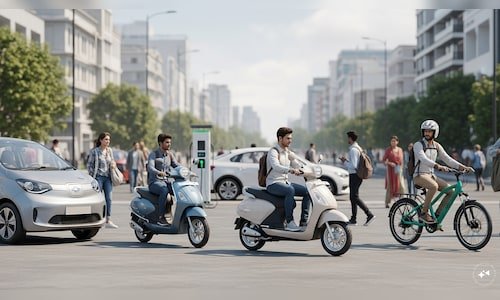
Cleaner commutes remain a priority as India’s cities end the year with frequent air-quality alerts and higher fuel costs. Traffic is lengthening peak-hour journeys, forcing commuters to reassess daily travel choices. More households are now considering compact electric vehicles that cut tailpipe emissions, keep per-kilometre energy costs predictable, and fit into tight parking areas — even as public charging grows unevenly across urban networks.
 2 / 11
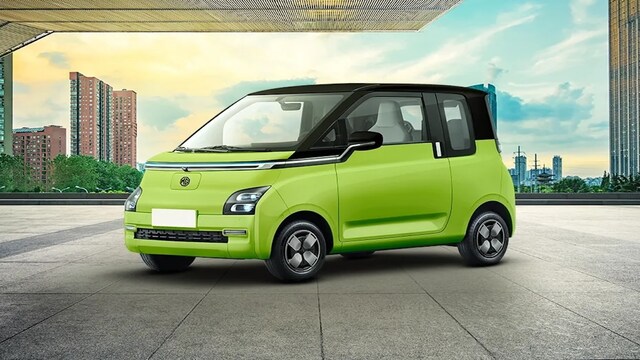
1. Compact city car: As urban buyers close the year seeking smaller footprints and lower fuel bills, the MG Comet EV (ex-showroom about ₹7.98 lakh) brings short-hop convenience with sub-₹1.5 per-km electricity costs, home AC charging and select public points; its pros are effortless parking and quiet drivability, while its cons include modest highway usability and limited DC charging options in most cities.
 3 / 11
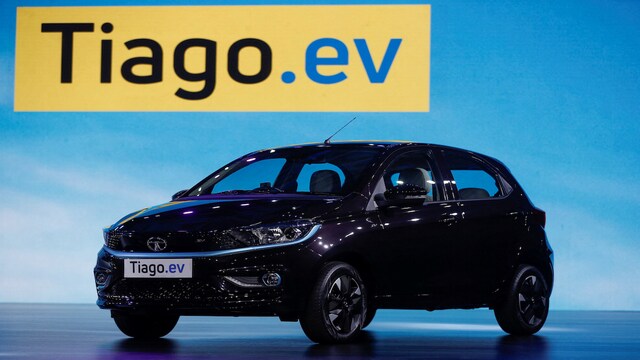
2. Entry electric hatch: The Tata Tiago EV (ex-showroom from ~₹7.99 lakh) has become a mainstream commuter choice, offering an IDC range suited to daily office runs, per-km costs generally below ₹1 depending on tariff, and broad home/public AC charging access; pros include proven service backing and familiar ergonomics, while cons include slower DC charge rates and price creep versus petrol alternatives.
 4 / 11
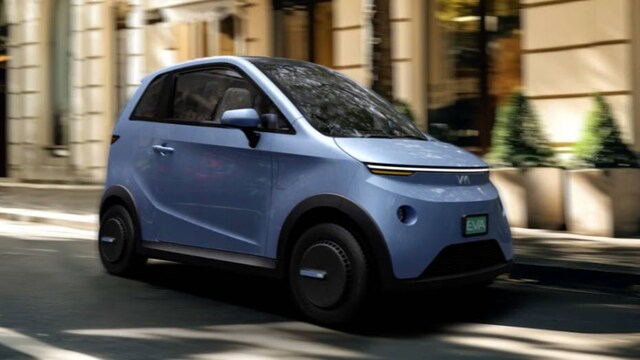
3. Budget micro EV: Vayve Eva (expected ex-showroom around ₹3–4 lakh) is aimed at dense city corridors with a compact footprint and very low per-km electricity use, and it can also integrate roof-mounted solar charging support for trickle top-ups at parking spots. It mainly charges through household sockets. The pros are affordability and low upkeep, while the trade-offs include limited dealer reach, tight cabin space, and reliance on AC charging instead of wider fast-charging networks.
 5 / 11
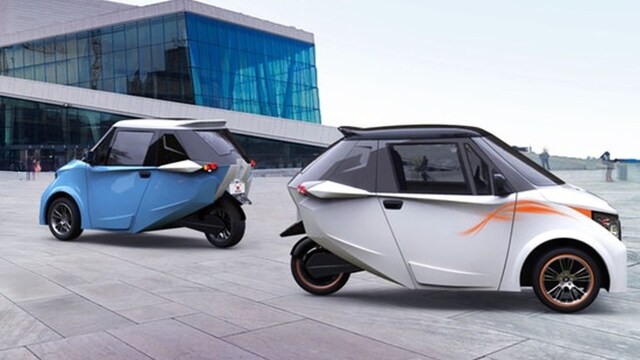
4. Three-wheeled commuter: The Strom R3 (ex-showroom indicative ~₹4.5–5 lakh) appeals to single- or two-person commutes, offering small-battery efficiency that keeps running near ₹0.80–₹1 per km and plug-in charging through standard AC points; its pros are low ownership cost and maneuverability, while cons include niche seating layout, limited boot space, and slower network expansion compared with mass-market EV cars.
 6 / 11
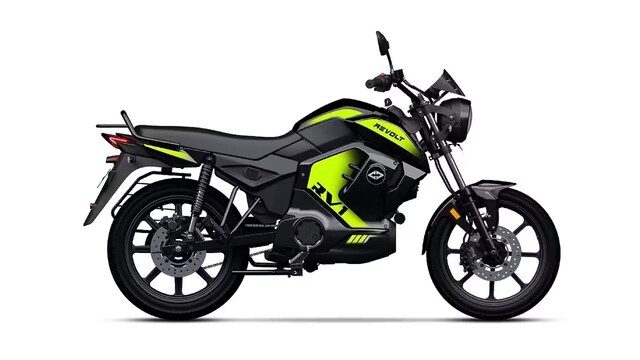
5. Urban electric bike: Revolt RV1 (ex-showroom expected around the ₹1–1.1 lakh band) positions itself as a workday motorcycle alternative with city-range battery options, per-km electricity costs in the paise-to-rupee range, and accessibility to compatible public chargers plus home charging; pros include agile handling and operating savings, while cons include moderate top speed and smaller service coverage outside key urban centers.
 7 / 11
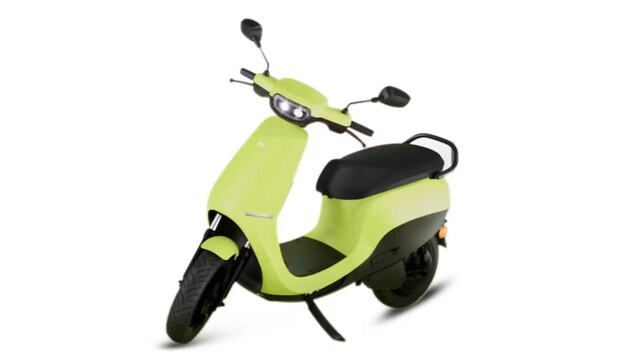
6. App-first scooter: Ola S1 Air (ex-showroom about ₹1.1–1.2 lakh) brings app-driven features, a practical boot, sub-₹0.30–₹0.40 per-km charging math depending on local tariffs, and widespread AC public charging; its pros include connected navigation and simple home charging, while the drawbacks include software niggles reported by users and variability in high-power charging availability across neighbourhoods.
 8 / 11
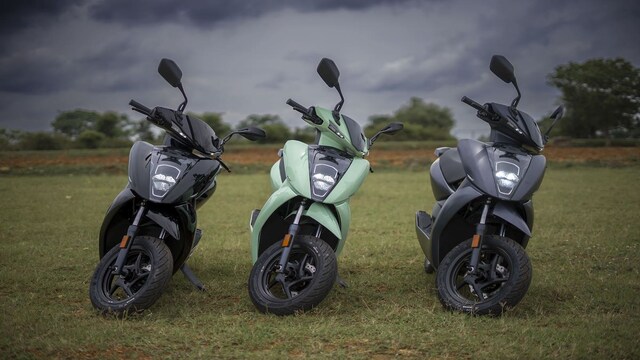
7. Connected scooter: Ather 450S (ex-showroom roughly ₹1.3–1.4 lakh) caters to commuters who value ride data and predictable performance, delivering urban range adequate for multi-day trips, per-km cost typically around ₹0.35, and mapped Ather charging nodes; pros involve build quality and responsive throttle, while cons include higher upfront price than basic scooters and limited fast-charging density beyond central districts.
 9 / 11
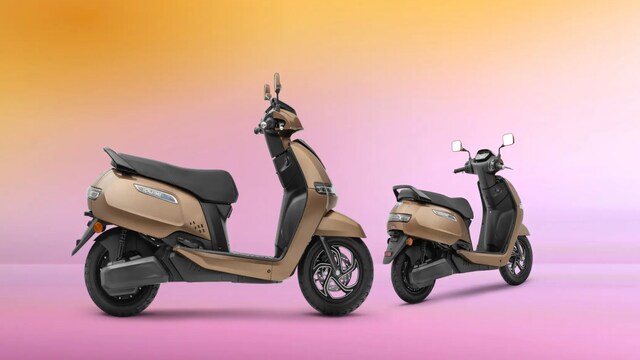
8. Dealer-supported EV: TVS iQube (ex-showroom ₹1.1–1.6 lakh depending on variant) offers a calm city ride, predictable charging at home or dealer-linked AC points, and real-world running costs near ₹0.25–₹0.35 per km; its pros are nationwide service and stable software, while the cons include conservative acceleration and fewer quick-charge options for riders who frequently travel between suburbs.
 10 / 11
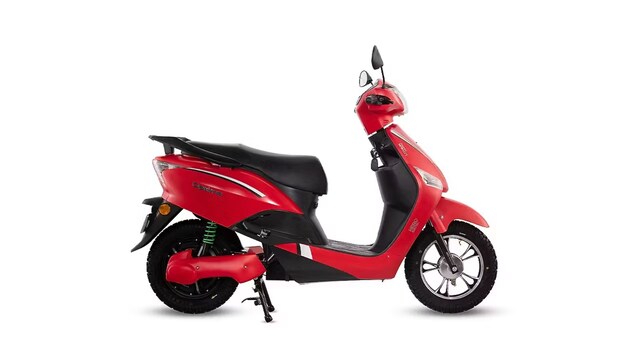
9. Low-cost step-through: Hero Electric Optima (ex-showroom around ₹0.9–1.0 lakh) keeps daily travel inexpensive with light batteries, simple household charging, and per-km costs often under ₹0.20 in city cycles; the pros are easy maintenance and accessible pricing, balanced by cons such as lower top speed, shorter range at higher loads, and sporadic availability of compatible public chargers in smaller markets.
 11 / 11
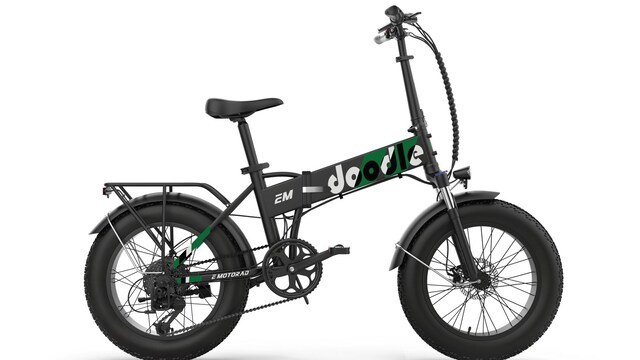
10. Foldable last-mile: The EMotorad Doodle Pro, priced at about ₹50,000 (ex-showroom), finishes the list as a foldable e-cycle designed for short city rides. It can be fully charged at home for roughly ₹10, working out to about 8 paise per kilometre. The key strengths are portability and pedal assistance. The drawbacks are a limited assisted range, slower charging on standard plugs, and reliance on rider effort on longer trips.
Discover more from News Link360
Subscribe to get the latest posts sent to your email.