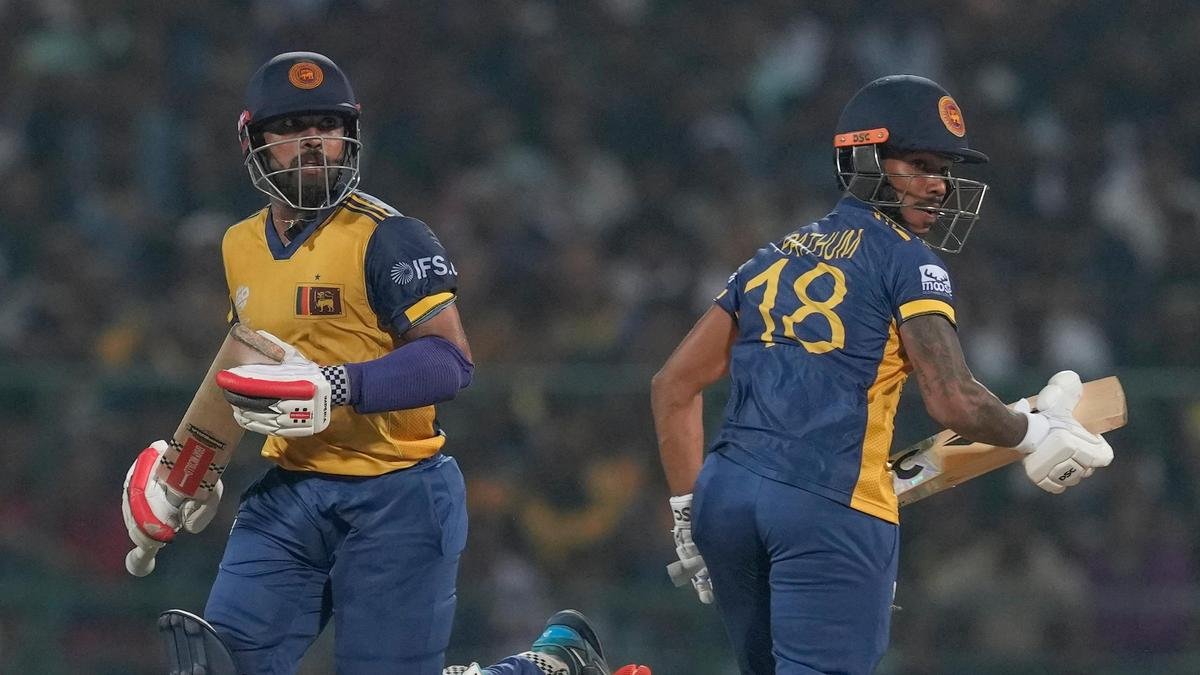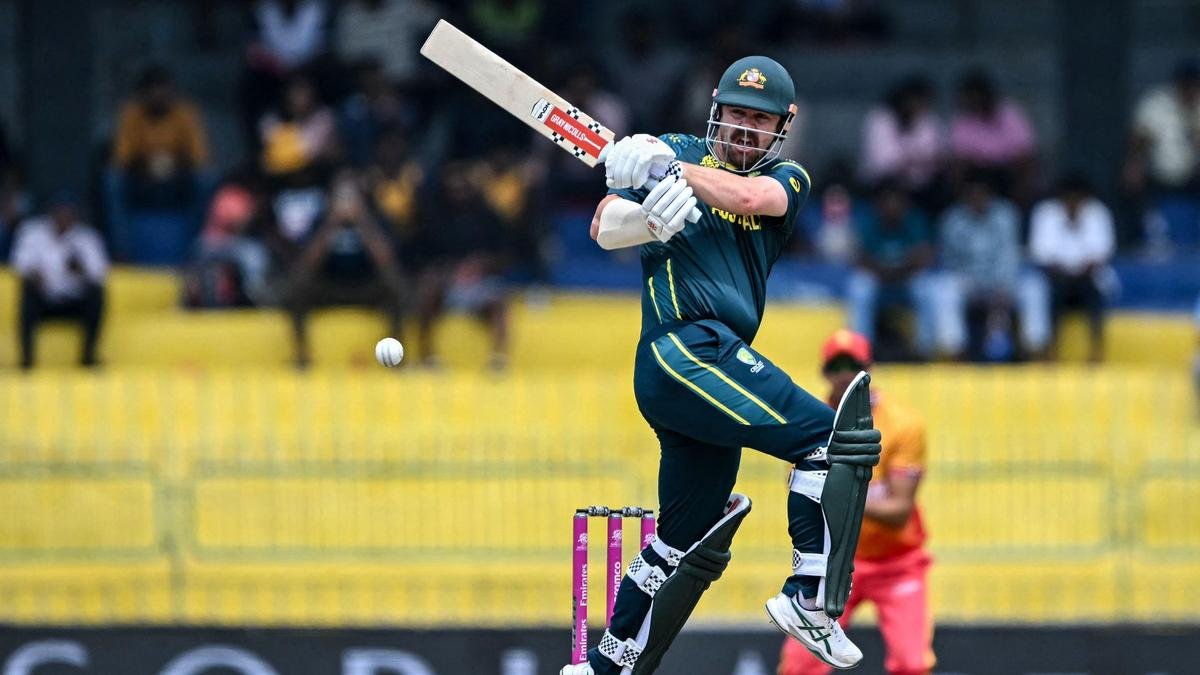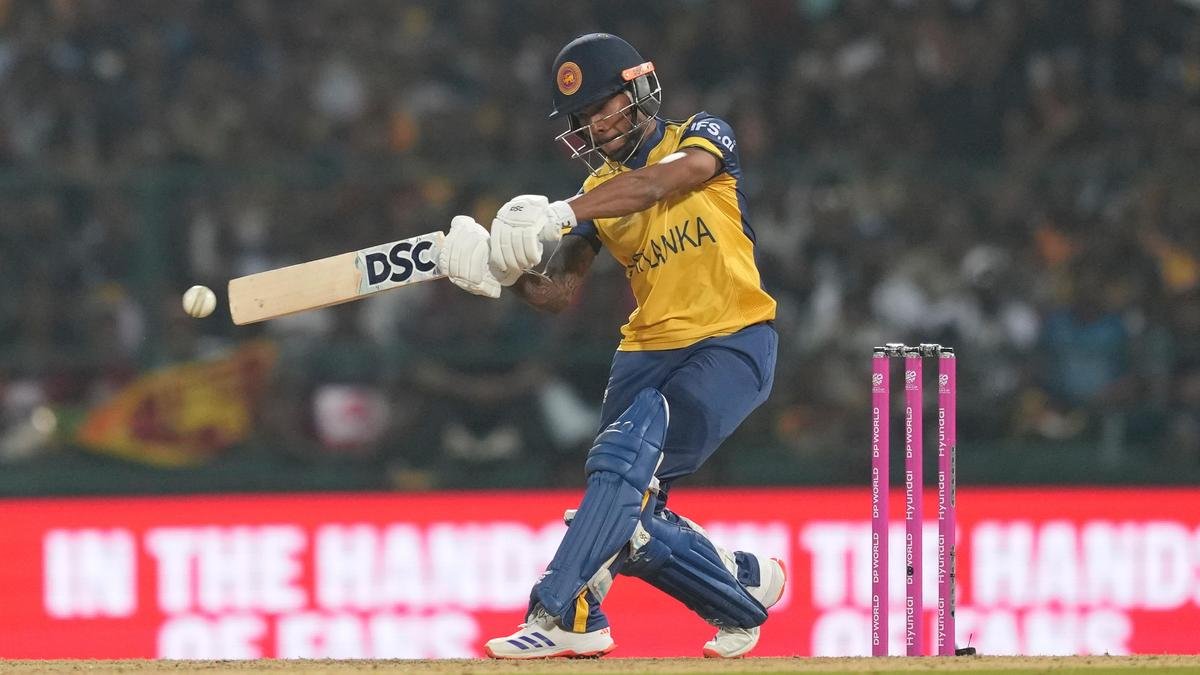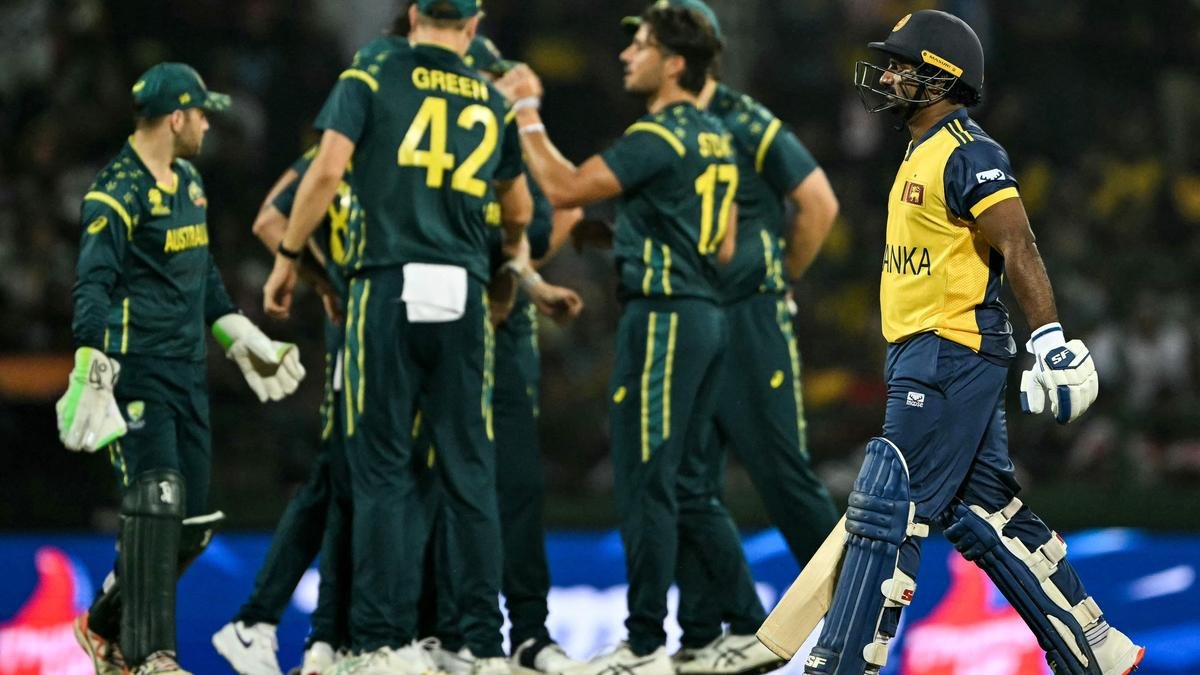
Since he is a Kiwi and we all know that the Oz vs Kiwi clashes often have more passion in them than an Ashes contest, since the latter have become boringly predictable, will the Kiwi in him want to let the Aussies have it? But then Crowe now lives in the USA, so the passion may have calmed down a bit. That said, with tongue firmly in cheek, have we not all been brainwashed over the years that when you tour Australia you must expect trampoline-like bounce and not moan about it, and when you go to the UK then you must expect cattle-grazing patches masquerading as cricket pitches and not whinge about it either?
READ | Melbourne pitch performance shocks curator as Test ends in two days
The curators, or as we found out about the person in charge at the MCG, the Director of Turf, may make a human error and get it slightly wrong, but they are not as devious as those ‘horrible groundsmen’ in India who do not even prepare a pitch and expect the batters to score runs on them. Tut tut.
So, if anything, let us not argue about the pitches but simply accept that it is the batting that needs to be looked at. How many batters today play late and with soft hands? How many players bat off the back foot so they can get that extra little second to make the decision to play or leave the ball? With the restriction of two bouncers per over, the batters today are on the front foot even before the quick bowler has taken the fourth step of his run-up.
The boundaries being shortened to allow for the sliding stop, and the big bats and bulging muscles, mean that no batter is going to block more than three or four deliveries before trying to put the pressure back on the bowler with a booming shot. It may end up as a swish and miss outside the off stump or a scoop and oops, both harmlessly gone to the wicketkeeper, but boy oh boy, the batter has shown intent and is looking to make a statement, is he not? That is the modern way.
Today, with central contracts and the risible word called ‘workload’, hardly any international players play any First-Class cricket. He is constantly playing the white-ball format, where he cannot afford to play dot balls, and his bat speed is fast and furious as that format is all about maximums and fours. He is mentally conditioned to do that, so suddenly when he is thrown into the red-ball format he is at sea the moment the ball does something. The red ball does more in a couple of overs than the white ball does in a couple of games, and then he has little or no experience of how to deal with that.
He thinks counter-attack is the answer, when a little bit of patience, with some deep breaths taken to slow down the adrenaline, might help in reducing the bat speed and the big swing, so even if he miscues or edges, the ball may not carry to the fielder. But then, if he hardly plays any First-Class cricket, how will he mentally get used to adjusting to the required rhythm of a Test match?
READ | Sunil Gavaskar: If you don’t score on turning pitches, you are not a great batter

Gavaskar has questioned England skipper Ben Stokes and the team management’s decision to not play much First-class cricket coming into the Ashes series.
| Photo Credit:
AFP

Gavaskar has questioned England skipper Ben Stokes and the team management’s decision to not play much First-class cricket coming into the Ashes series.
| Photo Credit:
AFP
It is not easy at all. Yes, on a pitch where the ball is not moving or turning, he will still score big because that is what he is used to with the white ball. So, should the international schedule be tweaked in such a way that international players play First-Class cricket and get prepared for Test cricket? England’s win, even though it came in the fourth Test with the series already lost, does prove once again that the more you play, the better you will get, especially in unfamiliar overseas conditions.
The point, therefore, is should England have played a few more First-Class games before the first Test? The ‘ares’ do not agree with the ‘has-beens’ here.
The irony is that if it is a pitch where not too many wickets fall but plenty of runs are scored, then the match referee more often than not gives it a poor rating. So, batters scoring loads of runs is a no-no, but bowlers picking heaps of wickets is okay and the pitch has to be rated good or very good.
Clearly, it is no longer a batters’ game but the bowlers’.
Published on Dec 28, 2025
Discover more from News Link360
Subscribe to get the latest posts sent to your email.