


Can factories operate solely on renewable energy?
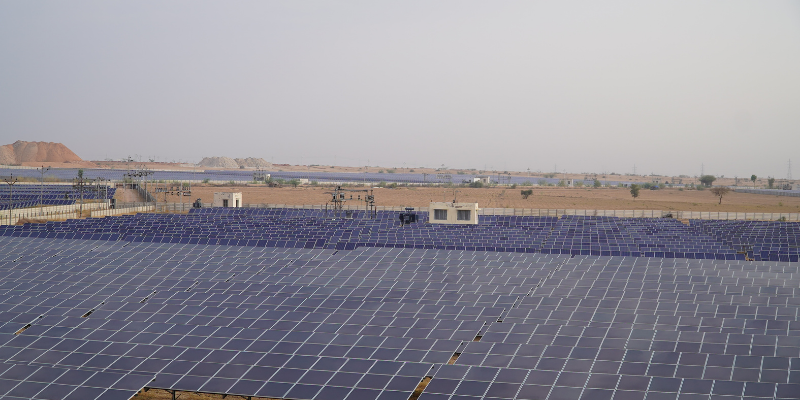
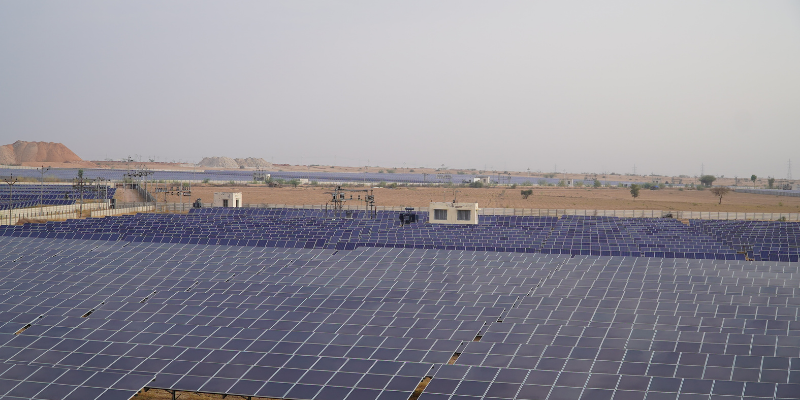

As India strives towards ambitious climate targets and tries to shift its energy mix away from coal and other fossil fuels, one question looms large: Is it feasible for factories to run entirely on renewable energy? The answer is: yes, but with caveats. It’s technically possible in many settings, but requires careful planning, investment, policy support, and changes in industrial operations. Let’s examine the factors involved.
Why it’s an important goal
Climate change and air quality pressures: Industrial energy consumption is a major source of CO2 emissions in India and contributes to air pollution. Transitioning to renewables is central to achieving national goals, such as net-zero emissions by 2070 and reducing carbon intensity.
Cost competitiveness: Renewable technologies like solar and wind have been dropping in cost. Open-access solar procurement, for example, can lower electricity costs for industries in certain states.
Energy security and supply stability: Fossil fuel supply fluctuations, coal price volatility, and dependence on imports push industries to seek more reliable, local energy sources. Renewable energy, if paired with storage and good infrastructure, offers that possibility.
What makes the transition feasible
To run a factory solely on renewable energy, several components must work together effectively:
On-site generation: Factories can install solar panels (rooftop or ground-mounted), wind turbines (if location permits), or biomass plants. On-site generation reduces transmission losses and gives more control over supply.
Energy storage systems: Solar/wind are intermittent. Without storage (batteries, pumped hydro, etc.), factories will face downtime or rely on grid backup. Storage helps smooth out supply, especially during nights, cloudy days, or wind lulls.
Hybrid/complementary sources: For instance, combining solar + wind, or having biomass backup, helps ensure continuous power. In some cases, surplus energy from one renewable source during peak times can compensate for lulls in another.
Energy efficiency and demand management: Factories often have peaks and off-peak loads. Lowering energy use, shifting heavy consumption to daytime when solar is abundant, and improving process efficiency reduce the total renewable capacity and storage needed.
Grid support and open access policies: Even if much energy is generated on-site, having a reliable grid connection for backup or for feeding in surplus helps. Open access (being able to source renewable power from projects outside the immediate locality under favorable rates) helps reduce costs.
Regulatory and financial incentives: Subsidies, tax incentives, favorable tariffs, green energy mandates, and renewable purchase obligations. These make the investments more attractive. Government goals such as installing 500 GW non-fossil capacity by 2030 are important drivers.
The challenges and barriers
While the goal of operating factories solely on renewable energy is inspiring and environmentally promising, there are a few real-life factors that still stand in the way of its full-scale realisation. Intermittency and the changing nature of efficient energy storage are one of the most important aspects. The renewable energy sources, such as solar and wind, are subject to the time of day and weather, which at times makes the energy supply intermittent.
The storage technologies are improving in India, but they are still in their evolving phase in terms of affordability and scale. Even with the absence of proper storage systems, the factories can still require assistance from a fossil fuel-based grid or captive generators to ensure continuity in production. The battery and other storage technologies are under development, but they are expensive and still increasing in magnitude to suit the large industrial level of energy needs.
Another major barrier is that India’s grid infrastructure is slowly becoming more flexible and able to hold the high quantities of renewable energy. Curtailment of renewable plants is also a common practice in many areas where the operation of the plants is controlled because of the upgrade of the transmission networks. This may result in the fact that not all clean energy is fully used, and it has an inherent effect on how industries make plans regarding renewable investments.
There is another layer of complexity, which is land and location limitations. In the industrial zones, especially in the urban or densely populated areas, there is a lack of space to place the solar panels or wind turbines. Land acquisition can be costly and can be accompanied by regulatory or environmental issues, even in cases when space is available.
Renewable systems are also expensive in terms of capital, which is another crucial factor that industries need to consider. Installation of solar or wind facilities, storage, and backup systems is a costly initial investment. Although the operational costs can decrease with time, the initial investment and the availability of cheap green financing can be a problem for small and medium-sized industries.
Together, these challenges highlight that although the process of renewable transition in India is accelerating, full transition to a green industrial complex will need further infrastructural development, financial innovation, and regular support of the policy.
What India’s current scenario suggests
The story of India’s renewable energy has picked up a good pace in recent years. By August 31, 2025, approximately 242.6 GW of renewable capacity had been installed in the country, which is a clear reflection of both commitment and steady progress. This increased capacity has become the backbone for the industries that are about to rely more on clean energy.
Meanwhile, Policy efforts are being directed towards the enhancement of the transmission networks, expanding more storage options, and encouraging hybrid renewable systems. The reason behind these steps is to help in balancing the demand, decreasing the variability, and ensuring that the renewable energy can flow reliably where it’s needed. All this favors the industries that are interested in incorporating more power in their options.
The direction towards this has already been taken by many factories installing rooftop solar systems, purchasing open-access renewable power, or biomass-based energy solutions. Their experience shows that switching to the cleaner sources will not only reduce emissions but will also help enable them to lower their energy expenses and offer a more reliable alternative in case of changes in fuel prices. Such examples are a good testament to what can be done at the ground level.
The regulatory measures, such as the renewable purchase obligation and the open access policies, also contribute to creating a supportive environment for industrial participation. These frameworks allow businesses to explore renewable energy options with ease since they are certain that their activities are in line with national goals and supported by long-term policy guidance.
Wrapping it up
Yes: factories in India can operate solely on renewable energy, but this requires more than just installing solar panels. It demands a systems approach, combining generation, storage, efficiency, policy support, and financial innovation. In certain industrial sectors and locations, with the right mix, the transition may be faster; in others, especially with heavy energy loads, backup needs, or remote locations, it may take more time and investment.
For India, moving in this direction has multiple benefits: reduced emissions, better air quality, lower long-term energy costs, and enhanced energy security. But for the goal of 100% renewables in industry to become widespread, significant work remains in improving infrastructure (especially transmission and storage), enabling regulations and financing, and aligning industrial operations with the rhythms of renewable energy.
Discover more from News Link360
Subscribe to get the latest posts sent to your email.