

Ripe for growth: Why online grocers are keen to serve picky customers with premium produce
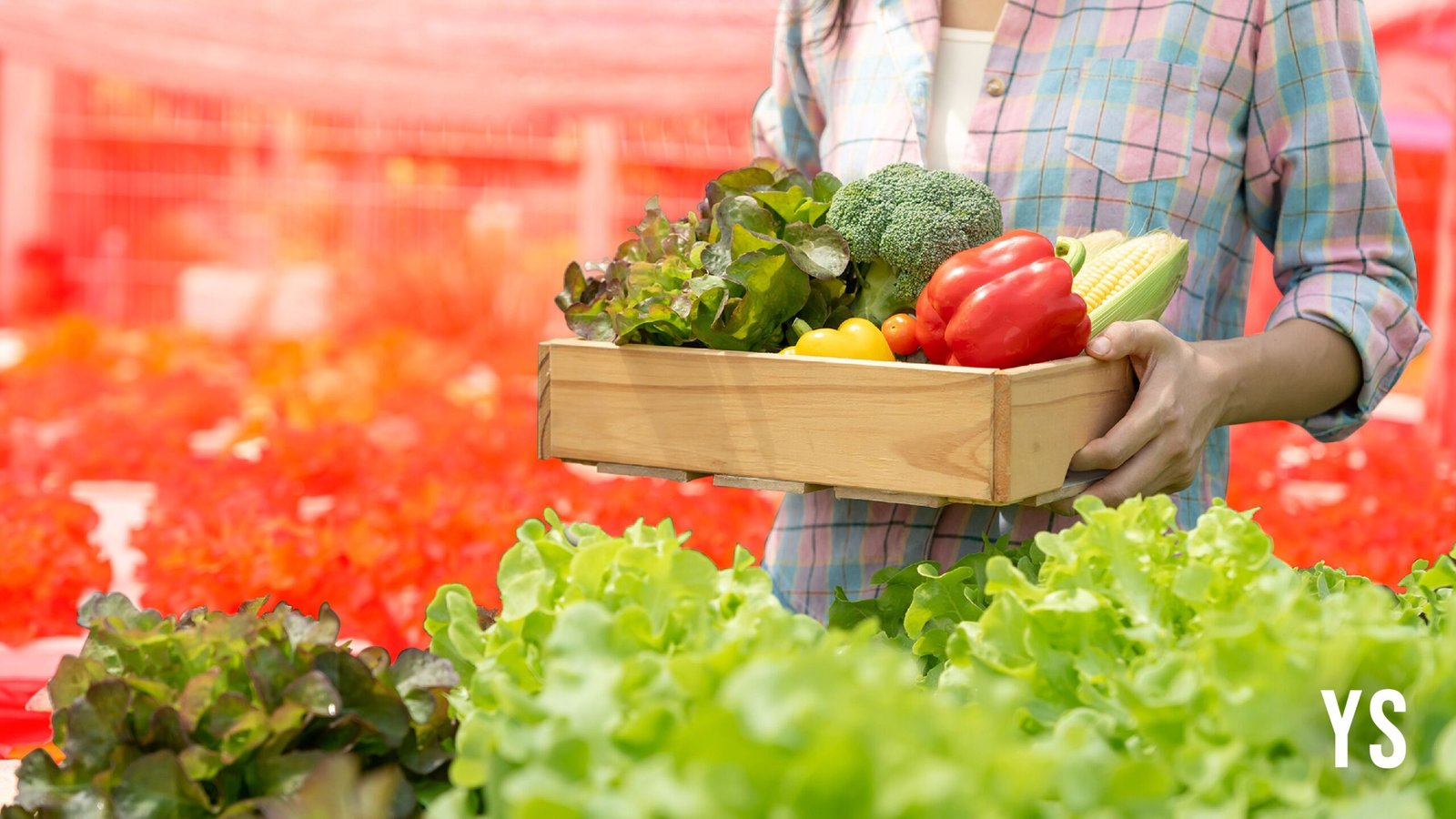
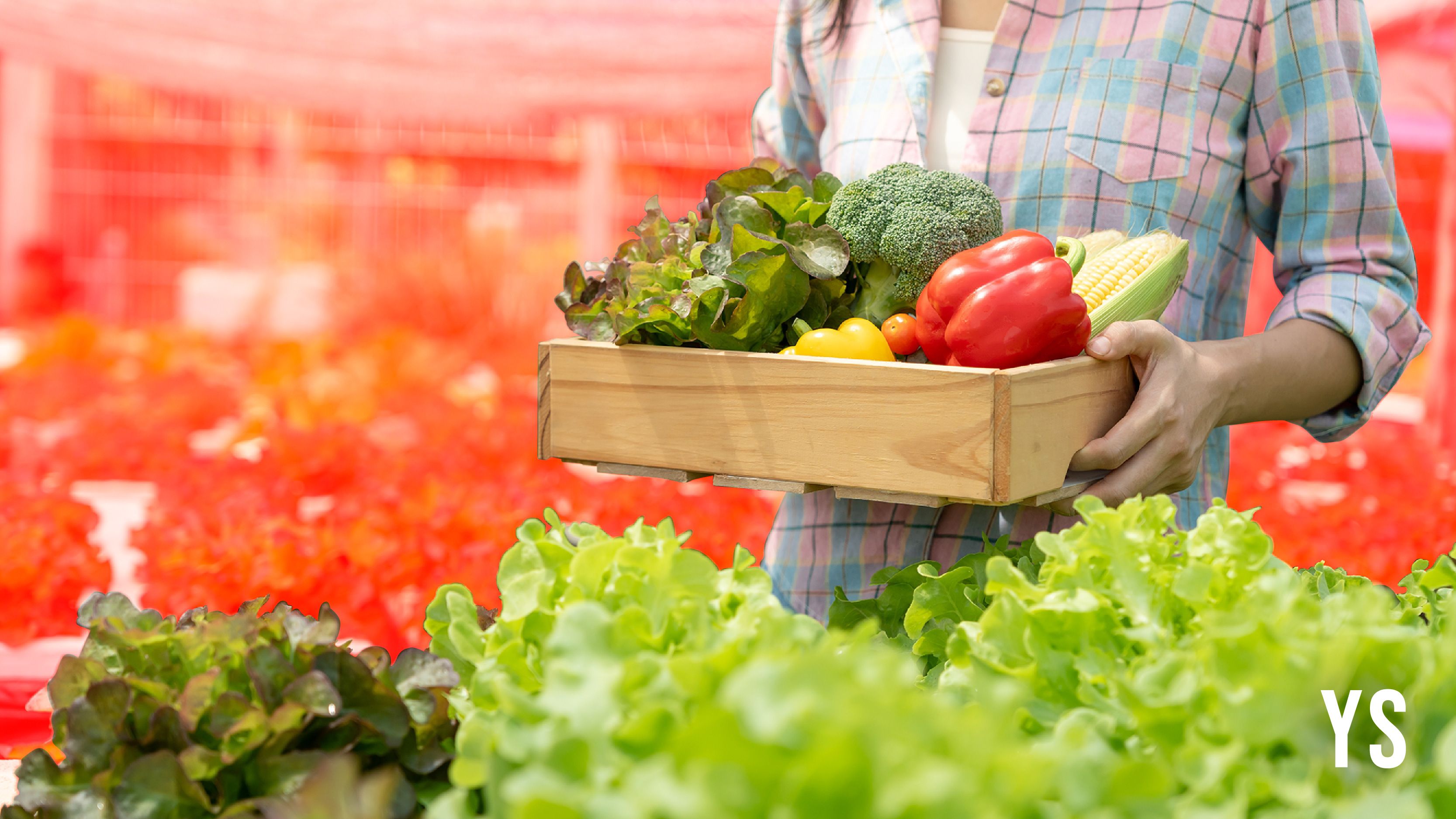

Catering to this set of buyers may seem hard, but online grocers and delivery platforms are not shying away from the challenge. So, what’s in it for them?
These consumers may be hard to please, but they don’t mind paying a premium for high quality and convenience—at least 10-15% more than what they would pay for regular produce.
With growing affluence and awareness on health and wellness, consumers are increasingly opting for ‘handpicked’ produce delivered at their doorstep. This shift in consumer mindset has prompted a host of players to launch premium offerings, Swiggy and Zepto being the latest.
Quick-commerce platforms Swiggy Instamart and Zepto recently expanded their product portfolio with pilots of ‘Nectr’ and ‘Harvest Store’, respectively, offering high-quality fruits and vegetables and an assortment of gourmet offerings.
Others in the business of premium produce include online players such as FirstClub, Pluckk, Freshly, and Handpickd. In the offline space, FoodHall, Nature’s Basket and Reliance’s Freshpik are the prominent names.
These retailers are promising consumers ‘handpicked’, ‘high-quality’ produce that’s ‘fresh’ and ‘undamaged’. By fresh, they mean products that have been recently harvested (the duration could vary from product to product). Simply put, they promise to deliver tomatoes that aren’t bruised or greens that have not wilted.
Other key propositions include organic products (absence of chemicals) and hygienic storage conditions. The latter is a critical factor in the ecommerce sector as several questions have been recently raised about the storage conditions in dark stores.
When consumers shell out a premium, they are paying not only for the products but also for the convenience of door delivery and rigorous quality checks—something they would do if they were handpicking the items themselves.
They want the assurance that the person (or system) packing their bag is applying the same stringent standards they would apply themselves.
According to Yeshu Bansal, Founder of Freshly, the demand for these new services isn’t necessarily about seeking out “gourmet” or “exotic” items but is more about filling a basic service gap that quick-commerce giants have failed to address: the ability to replicate the experience of hand-selection.
“If you go to any shop, you will not pick up things that have blemishes or are not good to look at, or are not edible,” says Bansal. “The reason this space even exists currently is because the quick commerce guys haven’t done it well.”
Swiggy and Zepto are hoping to change this perception with the launch of Nectr and Harvest Store.
Through the Nectr offering—which is available in select pin codes of Bengaluru—Swiggy hopes to push up the average order value on the Instamart platform and also create a differentiator in a competitive marketplace. (The average value on Instamart was Rs 697 during the second quarter of FY26.)
Zepto’s Harvest Store is currently available at premium neighbourhoods of cities including Mumbai and Bengaluru. This service offers dairy and bakery items, as well as cheeses and dips, besides imported fruits and vegetables.
Investor interest is picking up
Both incumbents with deep pockets and newer entrants are eyeing the space with interest, validating the market potential and triggering investor interest.
FirstClub started by Ayyappan R, a former Flipkart and Myntra executive, has moved from seed to Series A funding in just three months. It has raised a total of $26 million at a valuation of about $120 million (Rs 1,050 crore) from Accel and RTP Global, and angels including Binny Bansal and Kunal Shah.
FirstClub offers fresh produce, packaged foods, bakery, dairy, and nutrition in many areas of Bengaluru. It also plans to enter Delhi and Mumbai soon.
Handpickd, which operates in NCR (National Capital Region), was started by Milkbasket Co-founder Anant Goel in September last year, promising pesticide-free fruits and vegetables. It has raised $15 million in Series A funding from Bertelsmann India Investments.
Meanwhile, Kareena Kapoor Khan-backed Pluckk, which is currently live in Mumbai, Pune, Delhi, NCR, and Bengaluru, offers both high-quality produce and meal kits. It has raised $21.1 million in funding, according to market intelligence platform Tracxn.
Freshly, which operates in NCR, and LoveLocal in Mumbai are the other players in the premium fruits and vegetables space.
Traceability is not easy
Consumers today scrutinise what they consume with the minutest attention to detail. So passing the quality test is no mean task.
Traceability is the gold standard for food quality. This means tracking every fruit and vegetable, from farm to fork, in order to meet quality standards and avoid safety issues. But it is very difficult to continuously monitor fruits and vegetables at every stage of the cycle.
Fruits and vegetables go through numerous quality checks for size, colour, shape, and texture. While they may pass the initial quality check at the farm, there is no real-time supervision during the remaining journey. This means there is no guarantee that what reaches the consumer’s hands will match the quality certification it carries.
“If a fruit or vegetable is being tested, it is tested at a point of time,” explains Prateek Gupta, Founder & CEO, Pluckk. “You don’t know if [the farm] is really following the same process for all batches. So a gap is possible,” he says.
Other quality metrics include time taken from harvest to delivery (which could roughly take 48 hours, though this varies depending on the product) and storage temperatures.
Ultimately, beyond these metrics, a lot rests on what the consumer sees at face value. Does the product ‘look’ like something they would have hand-picked themselves? This is as subjective as it can get.
“The retail market has moved in three distinct waves: first, it was just about access to a wide selection. Then, it became about speed. Now, the mature consumer has graduated to demanding high quality. A trust gap exists, especially with fresh produce. Consumers now want a platform that guarantees quality, not just speed and low prices,” says Pavitra Gupta, Director, RTP Global, an investor in FirstClub.
Quick Commerce vs Quality
Achieving quality, aesthetics, and consumer trust requires a good supply chain mechanism.
Most ecommerce platforms follow a hub-and-spoke model wherein the produce is first routed to a large central warehouse for grading (the process of sorting and categorising food products) and packing before they are dispatched to the dark stores.
While this centralised model is highly cost-efficient for packaged goods, it may not always work for perishables. The additional time spent on travel to the dark stores means fruits and vegetables are often past their prime before they reach the last-mile hubs.
The pursuit of ‘quality’ and the fundamental promise of quick commerce, i.e. ‘speed’, often don’t go hand in hand.
If sellers have to deliver goods quickly, they have to store them in dark stores, so that the minute an order is placed, the goods are available for immediate delivery. But if fruits and vegetables sit in storage, their quality suffers.
“Doing quality first and doing 10 minutes have a trade-off. When you want to predict something at a 100 dark stores in the city, you need to buy it and keep it and let it sit there for some time before it sells out,” says Gupta of Pluckk.
Balancing quality and speed requires tact and strategic prioritising. Players are tackling this with distinct business models and priorities, which include a mix of instant delivery, delivery in a few hours, and next-day delivery.
On Pluckk’s own D2C channel, customers have to place orders the previous night for next-day delivery. This, Gupta says, allows the company to plan and procure fresh produce on demand rather than hold decaying inventory. He believes health-conscious users don’t mind waiting for a few hours for guaranteed safety.
The platform provides fresh fruits and vegetables with the promises of traceability to farms and ozone washing to maintain hygiene.
However, Pluckk also offers frozen assortments, protein bars, and juices on other marketplaces to cater to the 10-minute experience.
Handpickd also offers next-day delivery.
On the other hand, NCR-based Freshly continues to bet on the 10-minute quick commerce promise. Its belief is that a specialised supply chain for perishables can coexist with high-speed delivery. Freshly does not have a centralised warehouse; instead, it sources directly from mandis and diverts them to dark stores. This ‘direct-to-store’ model allows it to offer customers instant gratification.
Meanwhile, Bengaluru-based FirstClub is moving away from the concept of ‘dark stores’ which are often hidden from view.
FirstClub is planning to operate ‘Clubhouses’, consumer-facing facilities designed to service the ‘mid-premium’ household. As they are not hidden from public view, the onus is on FirstClub to ensure they are squeaky clean and hygienic facilities.
The platform offers a 2-hour delivery timeline instead of 10-minute delivery. It has also doubled down on its offline touchpoints with pop-up stalls in premium residential areas and societies.
It is not clear what model Swiggy is following for Nectr. The company did not respond to YourStory’s queries on Nectr’s backend supply chain and expansion plans.
Nectr marks the quick-commerce player’s second foray in the premium segment after it shut down its premium grocery services InsanelyGood and Handpicked. It had closed these services in mid-2023 after the next-day delivery promise of high-end products failed to find a lot of takers.
Zepto too did not respond to queries from YourStory.
Beyond the fruit basket
Industry estimates peg the total monthly sales of fresh fruits and vegetables on quick commerce platforms at Rs 600 crore-700 crore. Of this, the ‘premium’ segment—comprising exotic, organic, and value-added produce—accounts for only about 10%, translating to Rs 60 crore-70 crore in monthly online gross merchandise value (GMV).
Adding offline purchases by the same affluent consumers, the total addressable market for premium produce could be estimated at around Rs 150 crore per month.
The flurry of activity in the premium produce space has meant players could be fighting for a thin slice of the pie. The question is whether the market is deep enough to sustain them all.
“Calling this a niche misses the bigger picture,” says Gupta of RTP Global, an investor in the space. She points out that the broader quick commerce market hit $10 billion in GMV by 2025 and it continues to expand rapidly.
“When a market gets this big, it segments. Just like it did in (lifestyle) ecommerce, where broad marketplaces gave birth to massive verticals like beauty and eyewear, the same is happening here,” she explains. “We believe quality-first grocery will become a giant vertical to spin out of the horizontal generalist mesh.”
To make up for the low volumes in premium produce and diversify revenue streams, players are going beyond fruits and vegetables.
As consumers get more and more health-conscious, retailers are looking to add categories such as premium dairy, bakery, and gourmet products—selling everything from milk and curd to sourdough, seafood, and meat. Some of these platforms are also dabbling with high-margin categories like ready-to-cook and ready-to-eat offerings to capture a larger share of the consumer’s wallet.
Edited by Swetha Kannan
Discover more from News Link360
Subscribe to get the latest posts sent to your email.