
These micro-VCs are increasingly influential in shaping consumer and technology startups, particularly as lower capital requirements and AI-led efficiency change how companies are built.
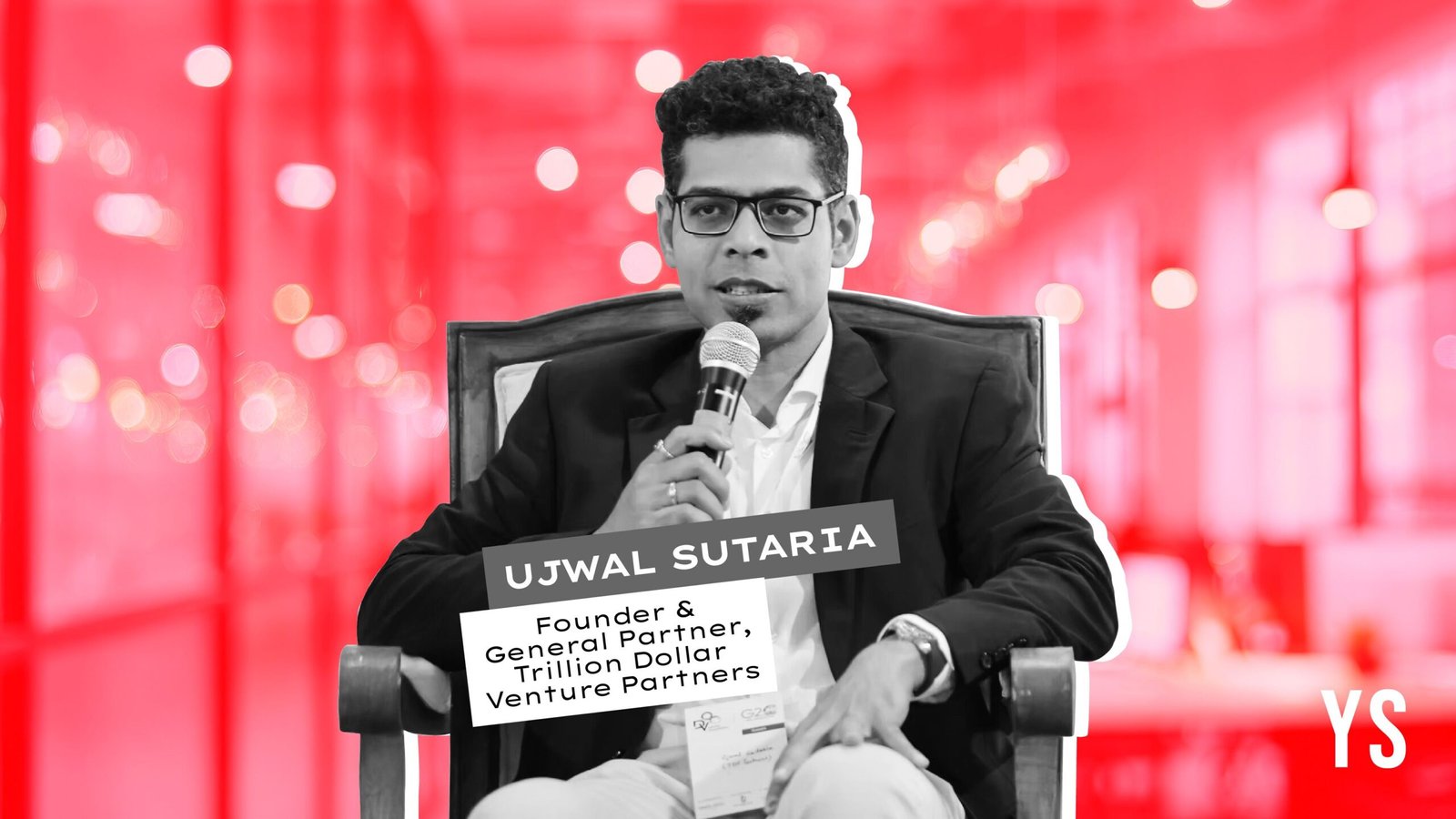
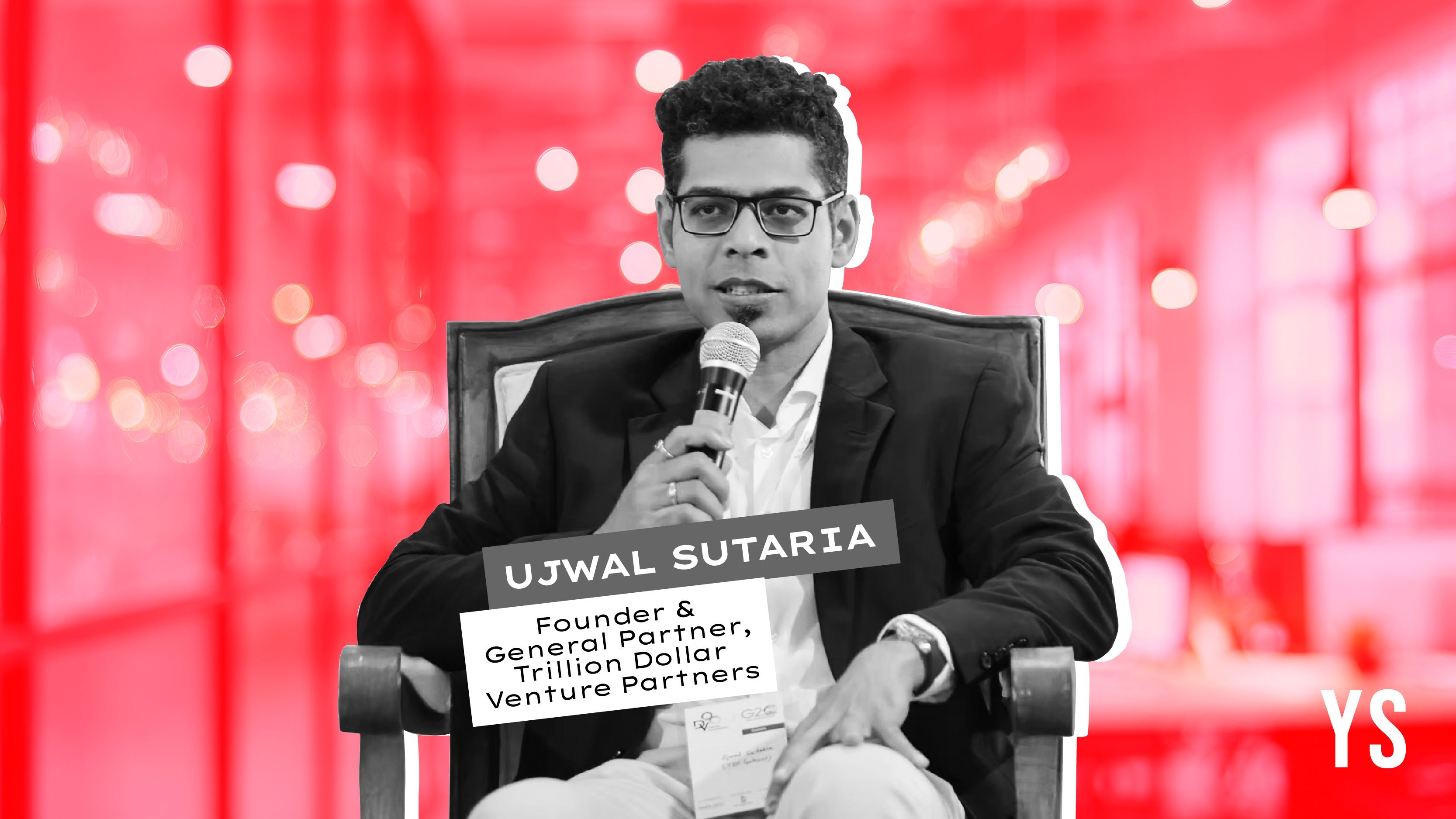
operates in this space. Founded by Ujwal Sutaria, the early-stage fund focuses largely on consumer-facing businesses and platform-led models emerging from India.
TDV—short for Trillion Dollar Ventures—was set up with the belief that some of the next generation of globally scaled companies will be built out of India, and that backing founders early is key to that outcome.
Sutaria launched TDV Partners about four-and-a-half years ago, after spending nearly a decade on both sides of the startup ecosystem. Before starting the fund, he was with Innoven Capital, where he worked closely with companies such as , BlackBuck, , Eruditus and DealShare, tracking their journeys from early stages through to scale. Several of those companies have since reached unicorn status or gone public.
Before moving into investing, Sutaria was a founder himself. He attempted to build two startups—FruitOn, a cold-pressed juice company, and Athletto, a sportstech platform aimed at digitising sports facility bookings. While neither venture scaled into a large business, the experience shaped his approach as an investor.
“I’ve seen both sides—trying to build from scratch and watching companies scale from Series A to IPO,” Sutaria tells YourStory. “That context helps when founders are still figuring things out.”
A consumer-first thesis
TDV Partners primarily invests at the pre-seed stage, often becoming the first institutional cheque into a company. The fund typically leads rounds ranging from $500,000 to $1 million and is open to backing teams even before a product or revenue exists, with cheque sizes now ranging between $200,000 and $250,000.
According to Sutaria, much of TDV’s work happens before incorporation—brainstorming ideas, stress-testing assumptions, and helping founders move from intent to execution.
The fund’s core focus remains consumer-focused businesses, split across three themes: consumer technology platforms, consumer “upgrade” brands aimed at premium Indian users, and emerging consumer AI applications. While around 80% of the fund is deployed within this framework, TDV also takes selective opportunistic bets where it sees a strong founder-market fit.
Consumer tech includes platform and marketplace businesses that benefit from network effects—ranging from content platforms to transaction-led exchanges. Consumer upgrade, meanwhile, targets India’s top 10 crore consumers who are increasingly spending on premium, health-conscious and lifestyle-oriented products and services. The third pillar, consumer AI, reflects Sutaria’s belief that many existing consumer platforms will be rebuilt with an AI-first lens over the next few years.
Consumer-focused technology platforms continue to present some of the most scalable business models, driven by strong network effects and software-led infrastructure, saysSutaria.
“Once the core infrastructure is in place, these platforms can serve a rapidly growing user base with relatively limited incremental manpower, allowing them to scale without a proportional rise in costs,” he adds.
He points to marketplaces such as Amazon and Flipkart, exchange-led models like Zerodha and Groww, and digital-first platforms across social networking, OTT, and content ecosystems, including Google and Meta, as examples of this scalability.
According to Sutaria, while many of these businesses require high upfront investment, they tend to be capital-efficient and resilient over the long term. He adds that the mainstream adoption of AI creates a significant opportunity to rethink existing platforms through an AI-first lens, potentially reshaping outcomes at scale.
What TDV looks for in founders
Sutaria does not restrict himself to a single founder archetype. Repeat founders, industry insiders, and even solo founders are all part of TDV’s portfolio. What matters more, he says, is adaptability.
“Can they learn, can they be mentored, can they attract capital and talent?” he asks. “Founders are selling all the time—to investors, employees, customers.”
Founder dynamics are a particular area of focus, shaped by lessons from TDV’s first fund. “Team fallout is still one of the biggest reasons startups fail,” he says.
.thumbnailWrapper{
width:6.62rem !important;
}
.alsoReadTitleImage{
min-width: 81px !important;
min-height: 81px !important;
}
.alsoReadMainTitleText{
font-size: 14px !important;
line-height: 20px !important;
}
.alsoReadHeadText{
font-size: 24px !important;
line-height: 20px !important;
}
}

Expanding the fund and portfolio
TDV’s first fund, sized at about Rs 25 crore, backed nearly 30 startups, including esports platform STAN, fintech startup GoodScore, jewellery marketplace Eternz, beauty platform Kindlife, and workforce platform Awign. Sutaria has also made multiple bets in faith-tech, backing companies such as Srimandir and DevDham.
The second fund, at Rs 50 crore, reflects a sharper thesis and larger cheque sizes. It has already invested in seven startups, including Sports For Life (SFL), a children-focused sports academy chain; QuantE, a residential rooftop solar platform; Zulu Club, a lifestyle commerce app; and Flexprice, an AI infrastructure company focused on pricing and monetisation.
Several of TDV’s portfolio companies—including STAN, Sports For Life (SFL), Eternz, and Kindlife—have gone on to raise follow-on rounds. According to Sutaria, this reflects sustained investor interest as well as early signs of execution and market traction across different consumer categories.
AI, efficiency, and lean teams
Across the portfolio, Sutaria is seeing a structural shift in how companies are being built. AI, he says, is enabling leaner teams to achieve outcomes that previously required significantly more capital.
“Output per employee is up 30–40% in many cases,” he notes. While consumer-facing AI platforms are still early, AI is already reshaping how consumer businesses operate internally—from marketing and content creation to customer communication and analytics.
TDV itself runs with a two-member team, a structure Sutaria believes gives it an edge. Investment decisions are quick—sometimes within days—and founders interact directly with the decision-maker.
“I invest in eight to ten startups a year,” he says. “That allows me to stay involved where founders want support—whether it’s hiring, go-to-market, or fundraising.”
Looking ahead
Over the next year, TDV plans to back another 10–11 startups as it continues deploying its second fund. Sutaria is also exploring the idea of a follow-on “winner’s fund” for breakout companies emerging from earlier portfolios.
As India’s startup ecosystem matures, Sutaria believes the next wave of value creation will come from sharper execution, leaner teams, and founders who can build for scale early.
“The goal,” he says, “is not just to fund startups—but to help build enduring companies from India, for the world.”
Edited by Jyoti Narayan
Discover more from News Link360
Subscribe to get the latest posts sent to your email.