


Lessons in longevity from India’s small-town businesses



At 9 a.m. in a small town, shutters rise slowly. The tea stall owner already knows who will order without asking. The stationery shop opens before the school bell rings. The mechanic unlocks his garage because someone’s scooter didn’t start—again. There is no rush to scale, no urgency to “go viral.” Business here moves at a human pace, shaped by routine, relationships, and reputation.
Small-town entrepreneurs don’t build businesses to impress investors or chase growth curves. They build them to last. Stability matters more than speed. Survival matters more than scale. And in many ways, this quiet approach is exactly why their businesses endure when louder, faster ventures fail.
Across India’s tier-2, tier-3 towns, and semi-rural pockets, entrepreneurs are creating livelihoods that survive market shocks, economic slowdowns, and changing trends—not by expanding aggressively, but by embedding themselves deeply into everyday life.
Why small-town businesses in India are built to last
1. They choose predictable demand over trendy ideas
Small-town entrepreneurs rarely chase what’s fashionable. Instead, they focus on what people will need tomorrow, next month, and next year.
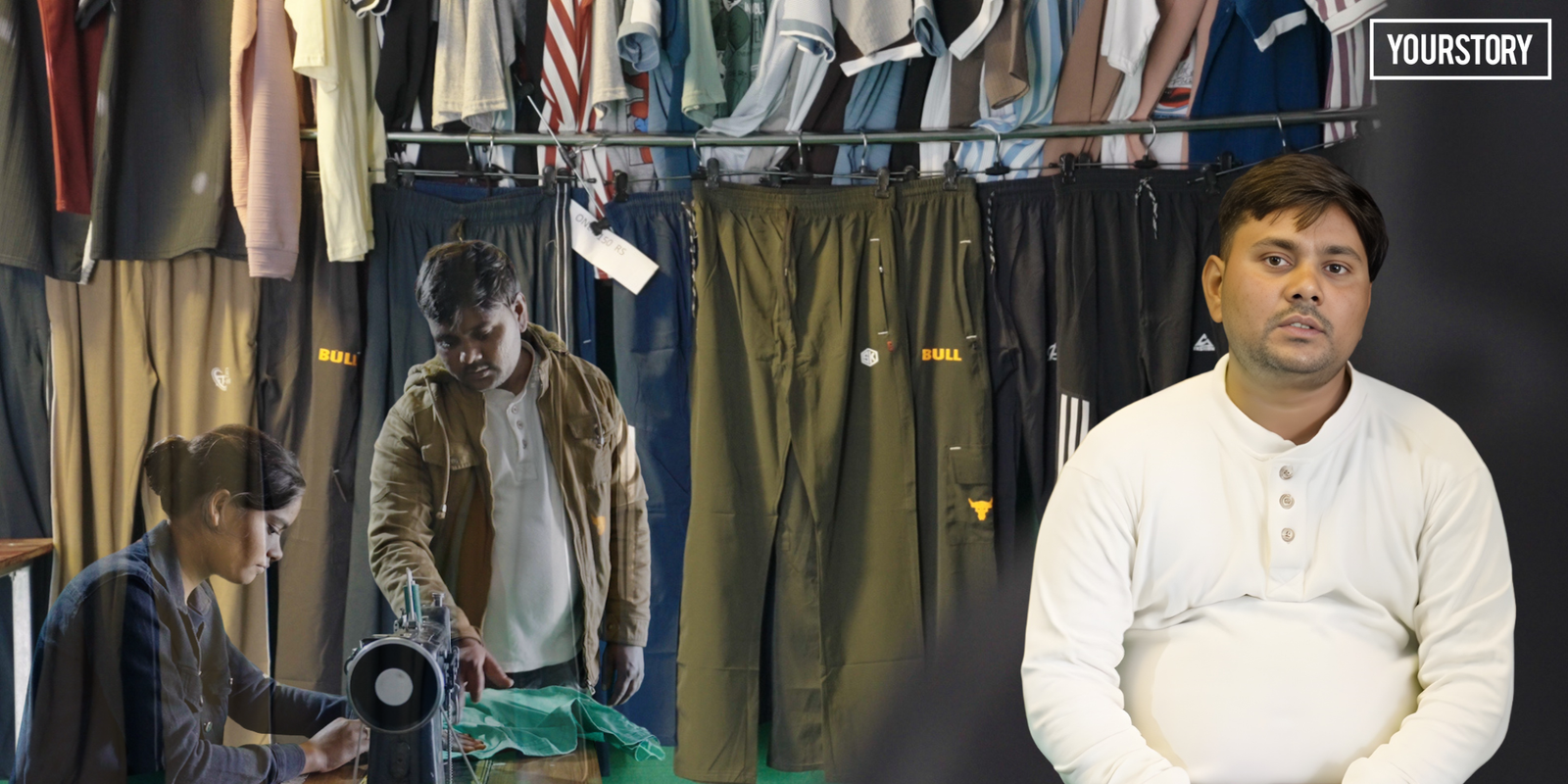
Grocery stores, repair services, tailoring units, pharmacies, coaching centres, salons, hardware shops, printing services, these businesses serve consistent demand. The margins may not be spectacular, but the demand doesn’t disappear overnight.
By choosing reliability over novelty, entrepreneurs reduce uncertainty. Their businesses are designed to work even when spending slows or trends fade.
2. Trust is their biggest competitive advantage
In small towns, trust travels faster than advertising.
Customers don’t walk into a shop because of branding. They come because someone they know has been coming there for years. Reputation is built slowly, but once earned, it becomes a powerful moat.
A shopkeeper who extends credit during difficult months, a service provider who shows up on time, or a business owner who solves problems without charging extra, these actions compound into long-term loyalty.
Unlike large markets where customers switch easily, small-town relationships are sticky. Losing trust can damage a business permanently. Gaining it can sustain one for decades.
3. Costs are kept low by design
One of the strongest reasons small-town businesses remain stable is cost discipline.
Rents are lower. Staffing is lean. Many entrepreneurs involve family members, reducing payroll pressure. Marketing expenses are minimal because word-of-mouth does most of the work.
Because fixed costs are controlled, even moderate revenue can sustain the business comfortably. There is less dependence on loans, less stress during slow months, and more flexibility during downturns.
Stability comes not from high income, but from manageable expenses.
4. Growth is intentional, not forced
Small-town entrepreneurs rarely expand just because they can. They expand when the business demands it.
A shop increases its inventory only after demand is consistent. A home-based venture moves to a storefront only when walk-ins increase. A service provider hires help only when the workload becomes unmanageable.
This slow, demand-led growth prevents overextension. There is no pressure to chase numbers. Every expansion is tied to real cash flow, not projections.
As a result, businesses remain debt-light and emotionally sustainable.
5. Community embeddedness protects the business
Small-town entrepreneurs are part of the community they serve. Their children attend local schools. They participate in local events. Their businesses are known faces, not faceless entities.
This embeddedness creates informal support systems. During tough times, customers continue to show up. Suppliers adjust terms. Neighbours recommend the business.
The community doesn’t just consume the business, it protects it.
6. Flexibility is built into everyday operations
Unlike rigid corporate structures, small-town businesses adapt quickly.
If a product doesn’t sell, it’s replaced. If customers prefer a different service timing, hours are adjusted. If a new need emerges, it’s absorbed into offerings.
Decision-making is immediate because the owner is present. Feedback is real-time. There are no layers to filter information.
This flexibility allows businesses to evolve naturally with their customers.
7. Digital tools are used practically, not performatively
Small-town entrepreneurs are increasingly digital—but selectively so.
WhatsApp for orders and follow-ups. UPI for payments. Google Maps for discoverability. Occasionally, social media to showcase work, but without constant content pressure.
Technology is a tool, not an identity. It supports operations without overwhelming them.
This practical adoption keeps businesses efficient without disconnecting them from their local roots.
8. Financial discipline is non-negotiable
Many small-town entrepreneurs operate with a strong sense of financial caution.
Daily cash tracking, minimal borrowing, conservative spending, and reinvestment from profits are common practices. Personal and business finances are often intertwined—but handled carefully.
This discipline helps them survive shocks that heavily leveraged businesses cannot.
Final thoughts
Small-town entrepreneurs are not playing small. They are playing long.
Their idea of success is not exponential growth, but dependable income, community respect, and continuity. They measure progress in years survived, not valuations reached.
In an economy obsessed with speed and scale, small-town businesses remind us that stability is a strategy—and often the smartest one.
As India’s entrepreneurial story expands beyond metros and boardrooms, it is these quiet, steady businesses that form its most reliable foundation.
Discover more from News Link360
Subscribe to get the latest posts sent to your email.