
Issues surrounding Governor’s address: Explained
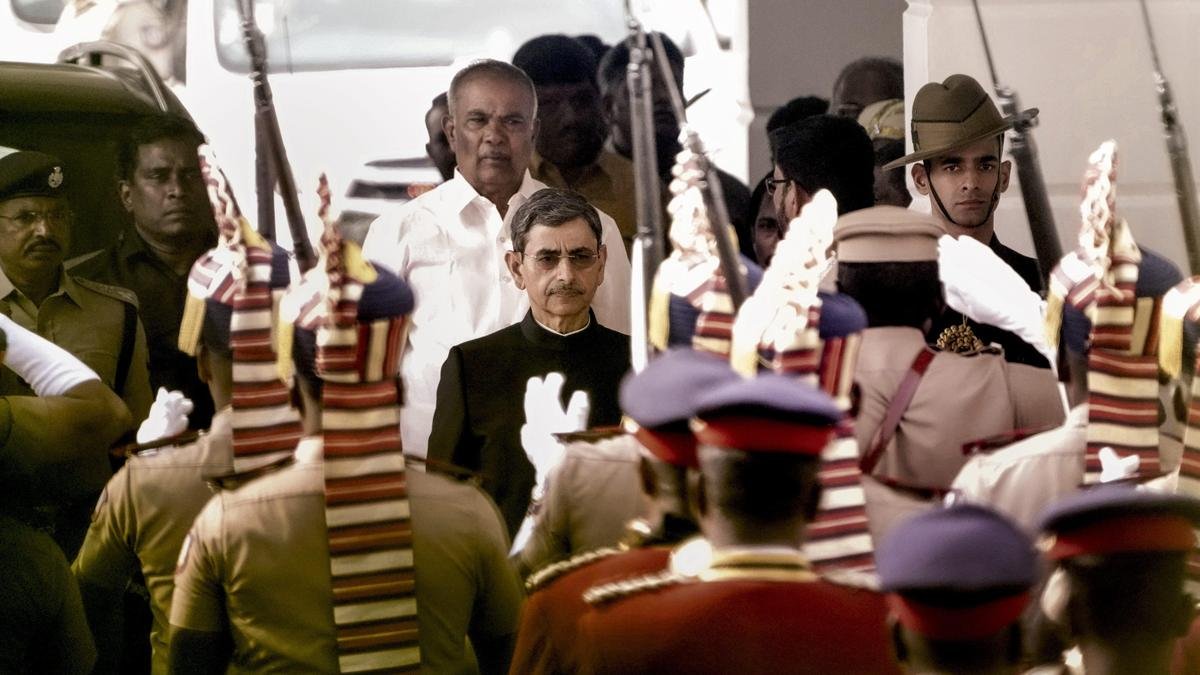
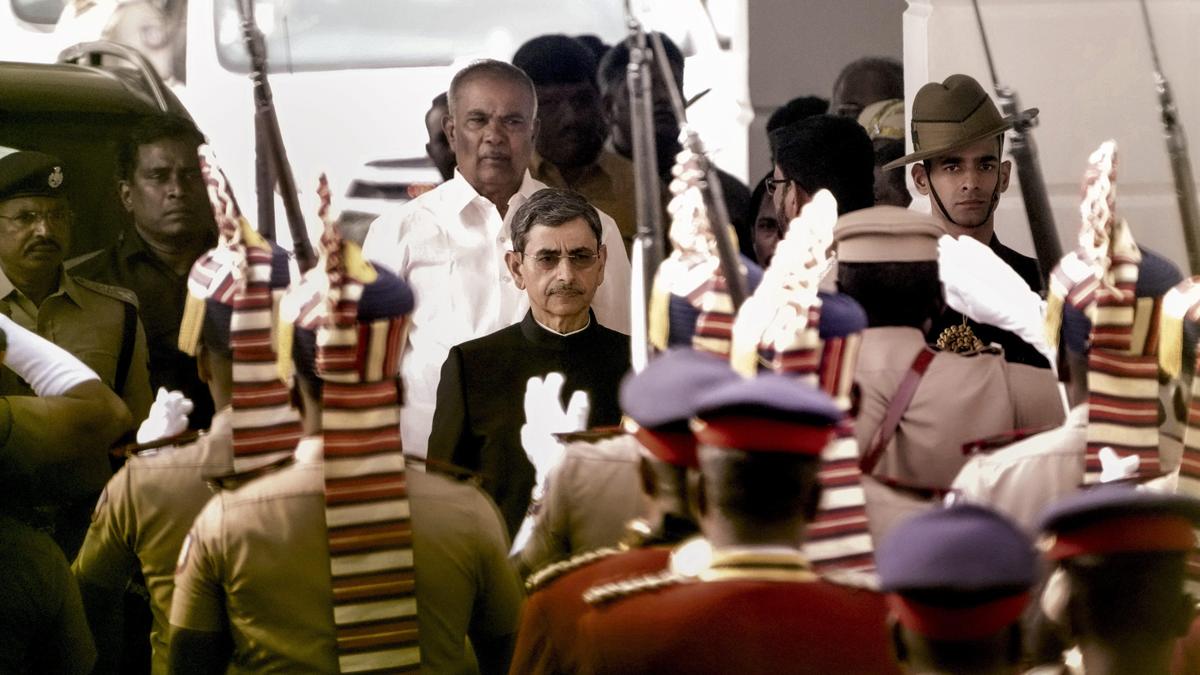
Tamil Nadu Governor R.N. Ravi being accorded a Guard of Honour on the first day of a session of the State Assembly, in Chennai, on January 20, 2026.
| Photo Credit: PTI
Historical background
Section 63 of the Government of India Act, 1935 (GOI Act) provided that the Governor may in his discretion address the Provincial legislature. Starting from April 1937, when provincial autonomy started under GOI act, the Governor’s speech was prepared in consultation with the council of Ministers in Provinces that laid down the legislative agenda.

In the Constituent Assembly, while adopting the article dealing with Governors’ address to State legislature, it was understood that it would reflect the policy of elected council of ministers and not the Governor’s personal views.
What are Constitutional provisions?
Article 175 of the Constitution specifies that the Governor may address the house(s) of the State legislature. This is not a mandatory address and may be rarely used by a ruling government. Article 176, on the other hand, provides that the Governor shall address the house(s) of the State legislature at the commencement of the first session after each general election to the Legislative Assembly and at the commencement of the first session of each year. This is a mandatory address to be prepared by the council of ministers, and delivered by the Governor, outlining the government’s achievements in the previous year and its roadmap for the policies in the ensuing year. It may be observed that this address is also provided whenever a new assembly is constituted to enable a newly sworn in council of ministers to outline their policies to the elected representatives and through them to the citizens at large. Article 176 further directs that the rules of procedure of the house(s) shall have provisions for allotment of time for discussion of matters referred in such address. This is the ‘Motion of thanks on Governor’s address’ where the ruling and opposition legislators’ debate on the policy matters announced in the address before voting on the same.

The Supreme Court in Shamsher Singh vs State of Punjab (1974) had held that the Governor is only a constitutional head who acts on the advice of council of ministers. In Nabam Rebia vs Deputy Speaker (2016), the Supreme Court reiterated that the address under Article 175 or 176 is to be performed by the Governor on the aid and advice of council of ministers.
What are current issues?
The current issues arise because of Governors in Opposition ruled States acting against established constitutional practices. In Tamil Nadu, the Governor had skipped some portions of the address prepared by the council of ministers in 2022 and 2023. Subsequently, since 2024, the Governor has failed to address the assembly as required under Article 176. In Kerala, the Governor skipped a few portions of the policy address prepared by the State’s cabinet. In Karnataka, the Governor did not read out the address prepared by the council of ministers but instead delivered his own two-line speech before leaving the assembly.

It is pertinent to note that the Governors take oath of office under Article 159 that requires them to ‘preserve, protect and defend the Constitution and the law.’ Such actions go against the constitutional principles and law as settled by the highest court of the country. There have been instances of friction between elected governments and nominated governors since 1960s with respect to the formal yearly address to the State legislature. However, the current instances are more frequent that includes Governors altogether skipping the address.
What can be way forward?
Governors act as nominal head of the State executive just like the President for the Union executive. Further, the Governor acts as an appointee of the Centre which may be required for maintaining the unity and integrity of the Nation in critical times. Nevertheless, federalism is also a basic feature of our Constitution and the Governor’s office should not undermine the powers of popularly elected governments at the States. The underlying issue for conflicts has been the politicisation of the Governor’s post. Many political leaders have called for abolition of the post in the past. But considering our quasi-federal constitutional scheme, such demands for abolition are likely to remain only on paper. The reform that can be implemented is the recommendation of Sarkaria and Punchhi Commission. As per this, the Constitution may be amended to provide that the Chief Ministers of States shall be consulted before appointment of the Governors. This may not be a panacea for all issues between Governors and elected governments. However, it could be a good starting point to minimise discord on important legislative issues and avoid confrontation on customary practices like annual address.
Rangarajan R is a former IAS officer and author of ‘Courseware on Polity Simplified.’ He currently trains at Officers IAS academy. Views expressed are personal.
Published – January 23, 2026 03:19 pm IST
Discover more from News Link360
Subscribe to get the latest posts sent to your email.