


Literature festivals, where stories ignite resistance

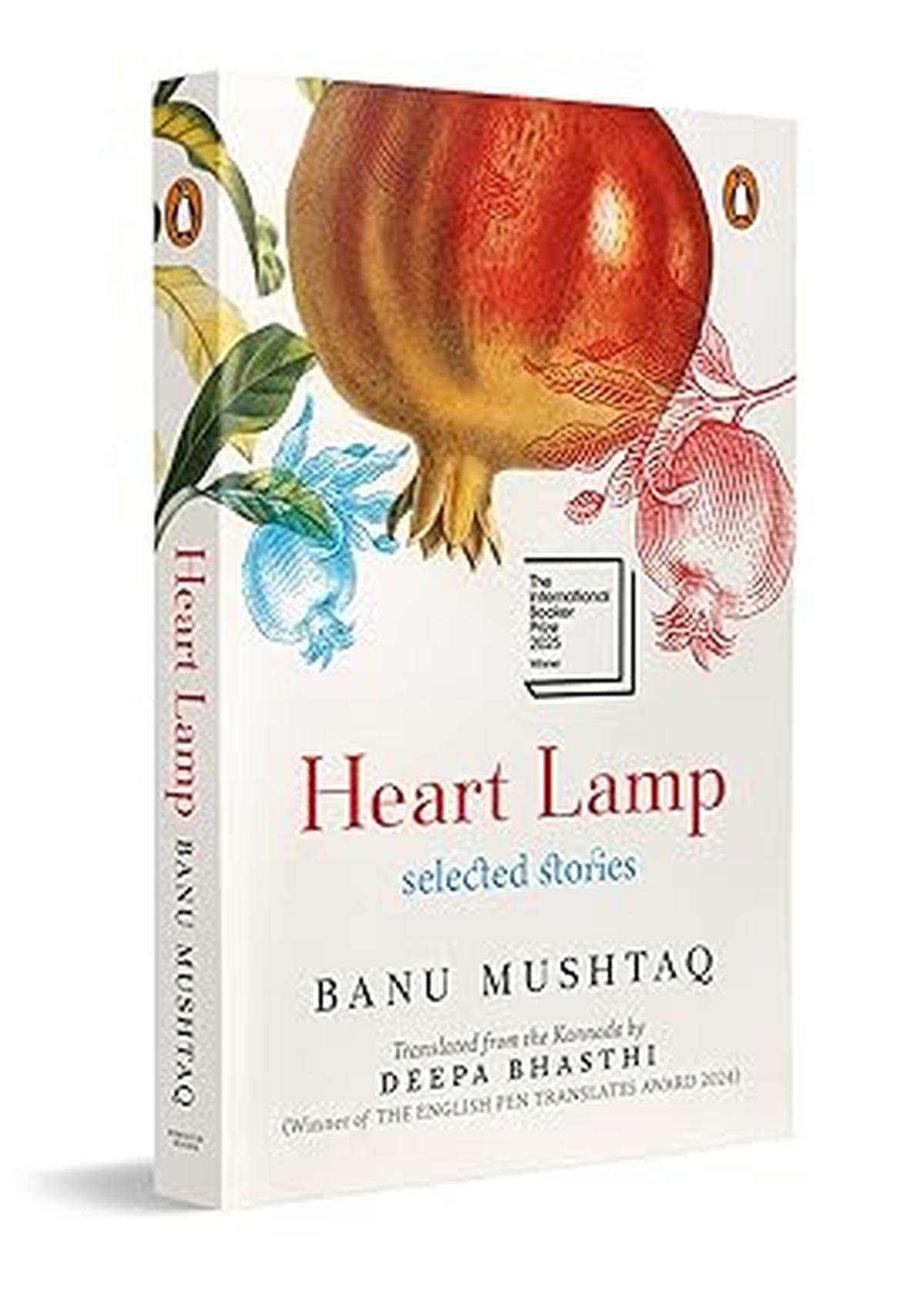
“I wouldn’t have heard of her but for the International Booker Prize,” she gushed. In her hand were two copies of Heart Lamp, a paperback released before Mushtaq’s win, and the other, a pretty hardback edition which came out post the 2025 Booker honour.
Young girls and boys lined up, and Mushtaq didn’t hurry through it, asking each their name, before putting her signature down in Kannada (her mother tongue is Dakhni Urdu), and thereby hangs a tale of the million diversities underlying Indian life.

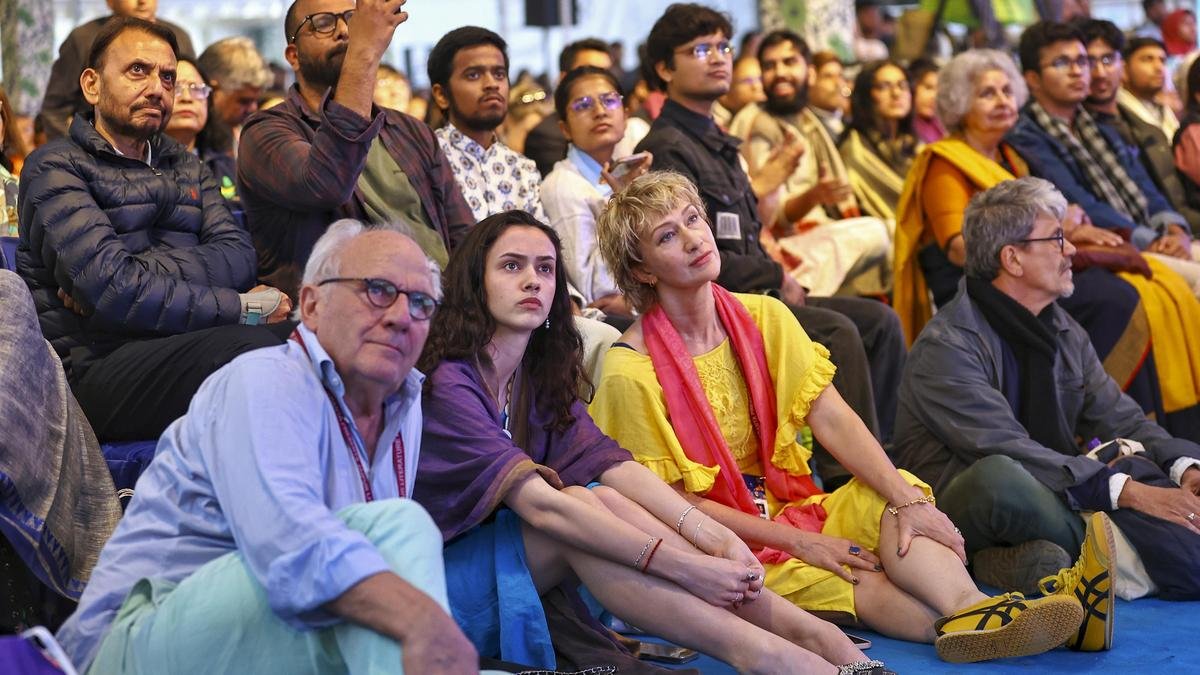
By Day 3 of the 19th edition of the Jaipur Literature Festival (JLF) held earlier this month, many attendees, particularly women, agreed that Mushtaq’s was one of their favourite sessions for her words. “Banu is such a quiet firebrand,” said Madhu Sharma, avid reader and infrequent writer.
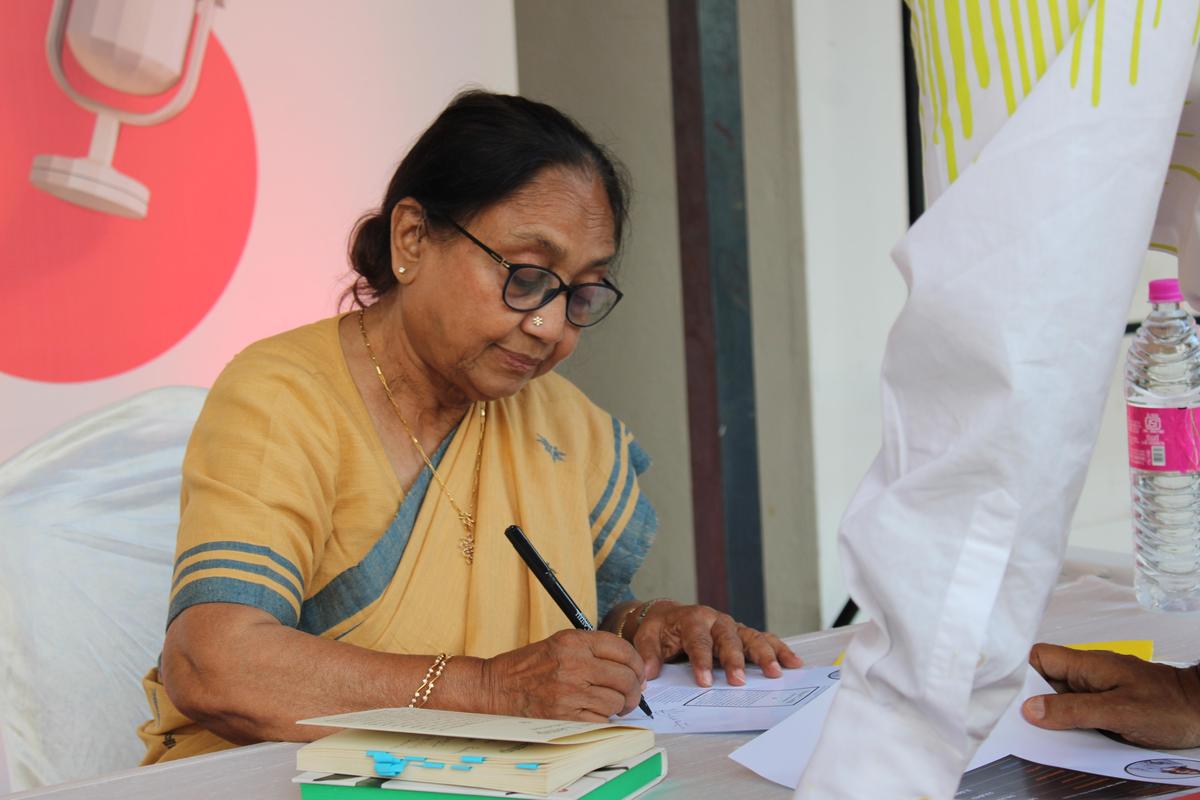
Banu Mushtaq signing books at The Hindu Lit for Life 2026 in Chennai.
| Photo Credit:
UMESH KUMAR V.
It was the first time that a selection of short stories had been awarded the International Booker, and it was a historic shout-out to Kannada literature too. The set of 12 stories, translated into English by Deepa Bhasthi, was picked from Mushtaq’s work spread over at least three decades. To cheers from the audience, Mushtaq said she has written half of her autobiography, but that the whirlwind journeys across the world post-win are not giving her time to finish it. A new anthology of stories in Kannada will be published this year.
Mushtaq set the tone for JLF this year, with almost every writer discussing issues that challenge the contemporary world, from wars, injustice, the rise of tribalism and nationalism, to migration and climate change, and the need for diverse communities to learn how to co-exist with the other.
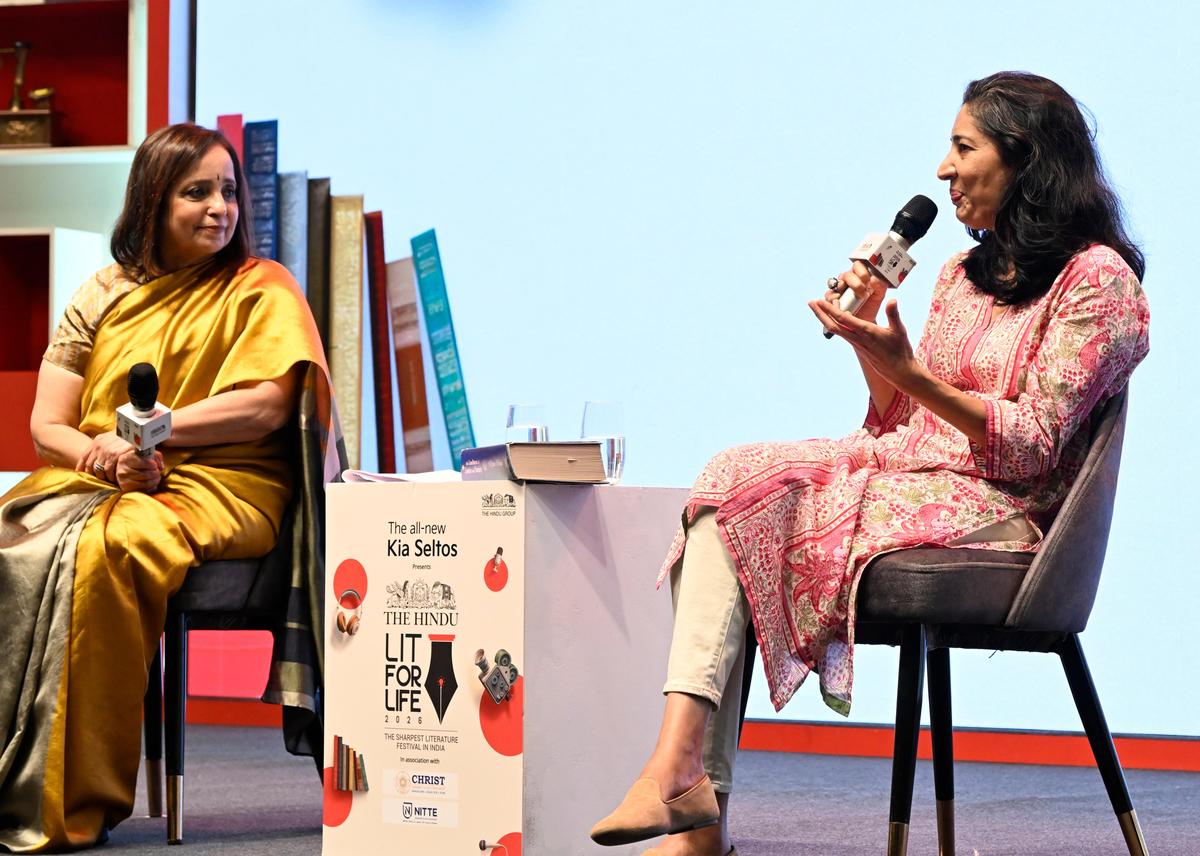
Author Kiran Desai (right) in conversation with The Hindu Group Chairperson Nirmala Lakshman at The Hindu Lit For Life held in Chennai.
| Photo Credit:
R. RAGU
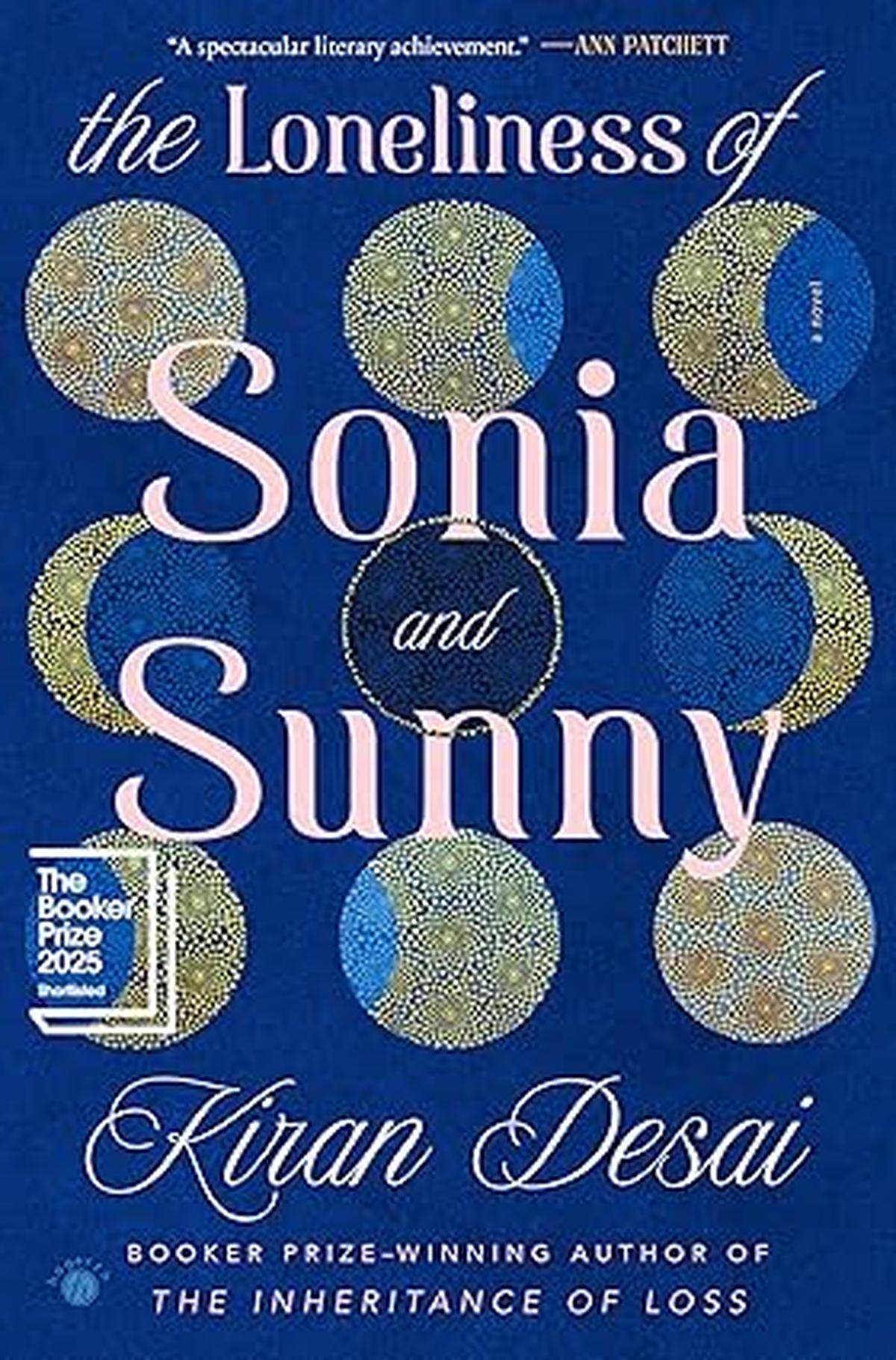
Talking about her Booker-shortlisted latest novel, The Loneliness of Sonia and Sunny, Kiran Desai elaborated on the many lonelinesses she writes about in her book, “political, intellectual and historical,” besides the personal. Loneliness exists between nations, classes, races and generations, and “is present in the disappearance of the natural world and the rapid vanishing of the past.”
Eye on Gaza
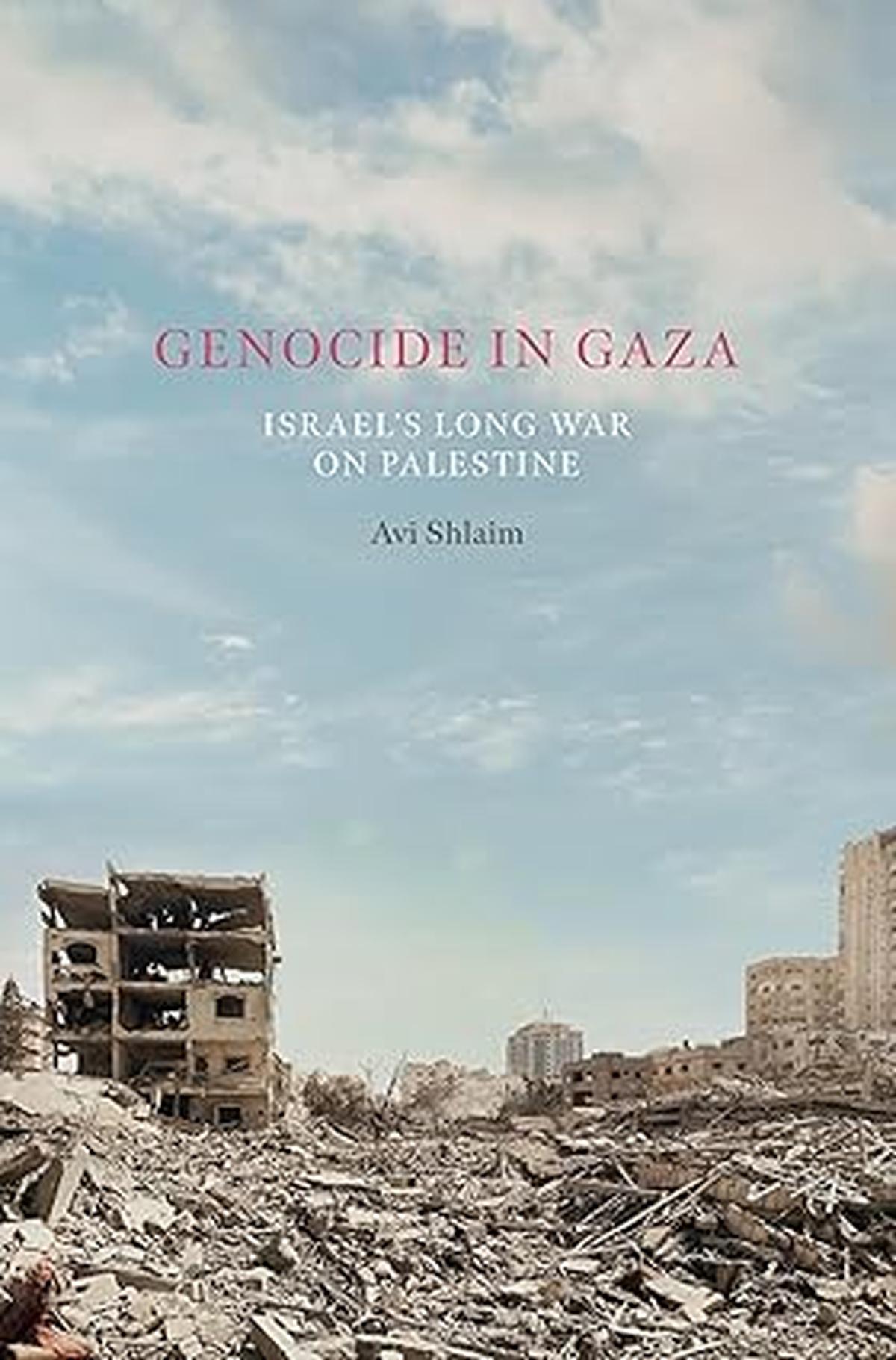
Historian and professor of International Relations Avi Shlaim brought his belief in the subversive function of history to all his sessions, challenging “received wisdom” and dispelling “national myths” of the Israel-Palestine conflict. His new book, Genocide in Gaza, with a foreword by UN Special Rapporteur Francesca Albanese, is about Israel’s long war on Palestine since 1948. “The Israelis pose as victims when they are oppressors,” he said, at one of the several discussions on West Asia and the crises in both Gaza and Iran. The session titled ‘Gaza Genocide’ got a standing ovation from the crowd, with young girls and boys asking pertinent questions about the lessons to be learnt.
Among the many crowd-pullers, including Javed Akhtar, Sudha Murthy, D.Y. Chandrachud, Gaur Gopal Das and Vir Das, we overheard people wanting to listen to panels which had Noa Avishag Schnall, a Yemeni journalist who was part of a freedom flotilla bound for Gaza and abducted by the Israel Defense Forces.

Hailing from a Yemeni-Jewish family, her paternal lineage is Polish and she grew up in an “extremely Zionist household, where everything Arab was enemy.” When she was older, and learnt more about her maternal side of the family, she de-programmed herself and is a “proud anti-Zionist” today.
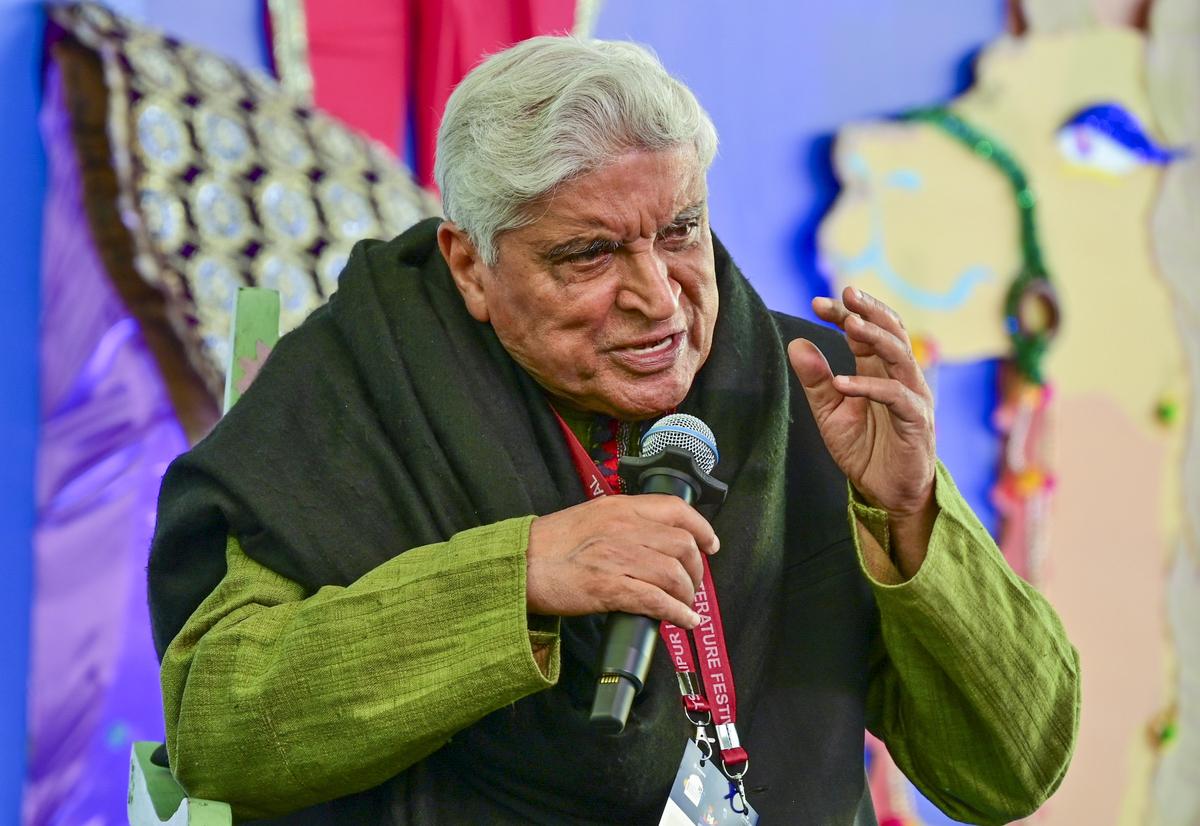
Javed Akhtar at the Jaipur Literature Festival.
| Photo Credit:
PTI
That all the serious talk was happening in the backdrop of spectacular song and dance would not be lost on readers of Percival Everett, who has said in interviews that if one can get someone laughing, then one can use that relaxed state to present other things. And with record numbers attending the festival, they could go away with much food for thought.

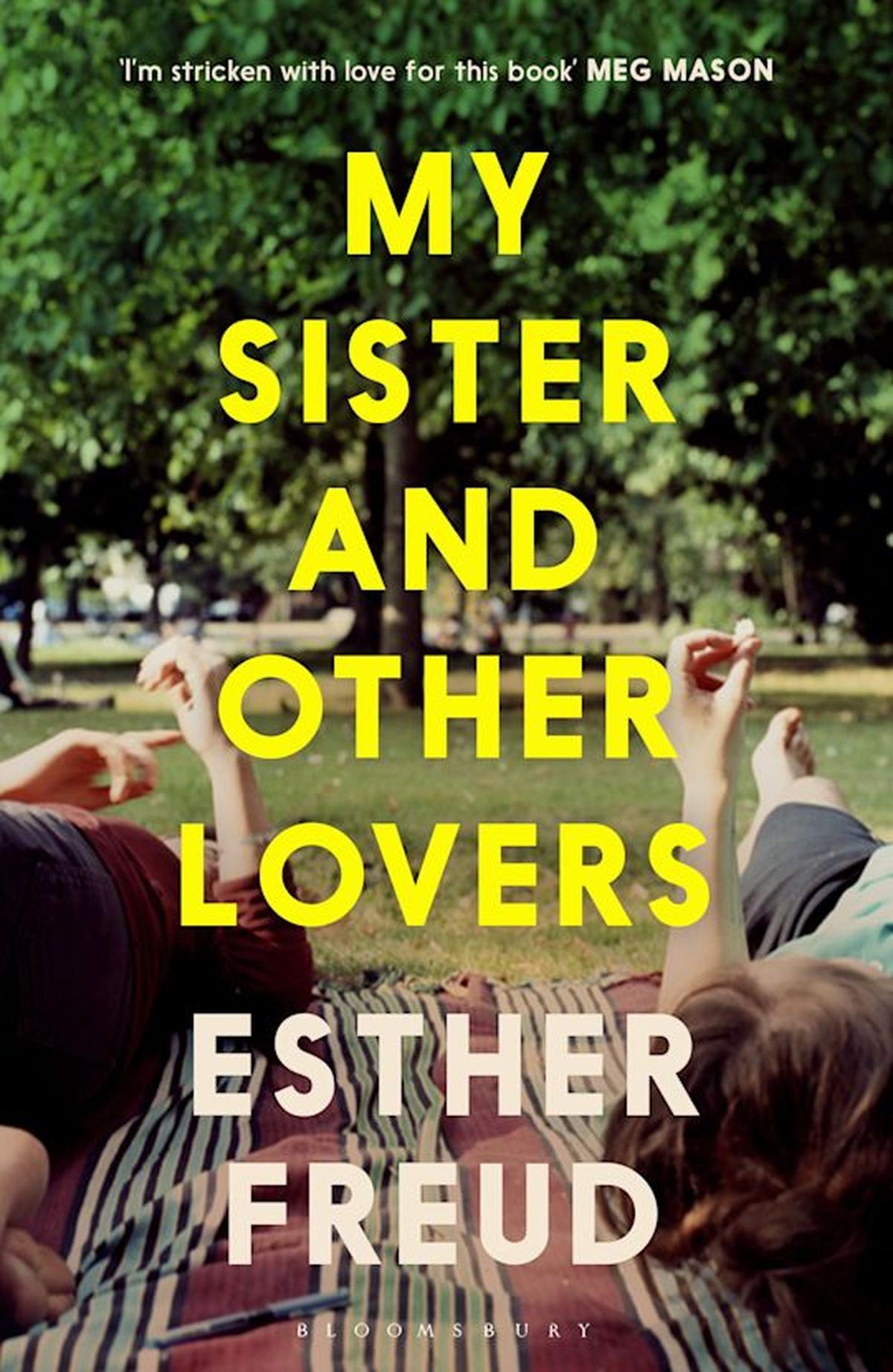
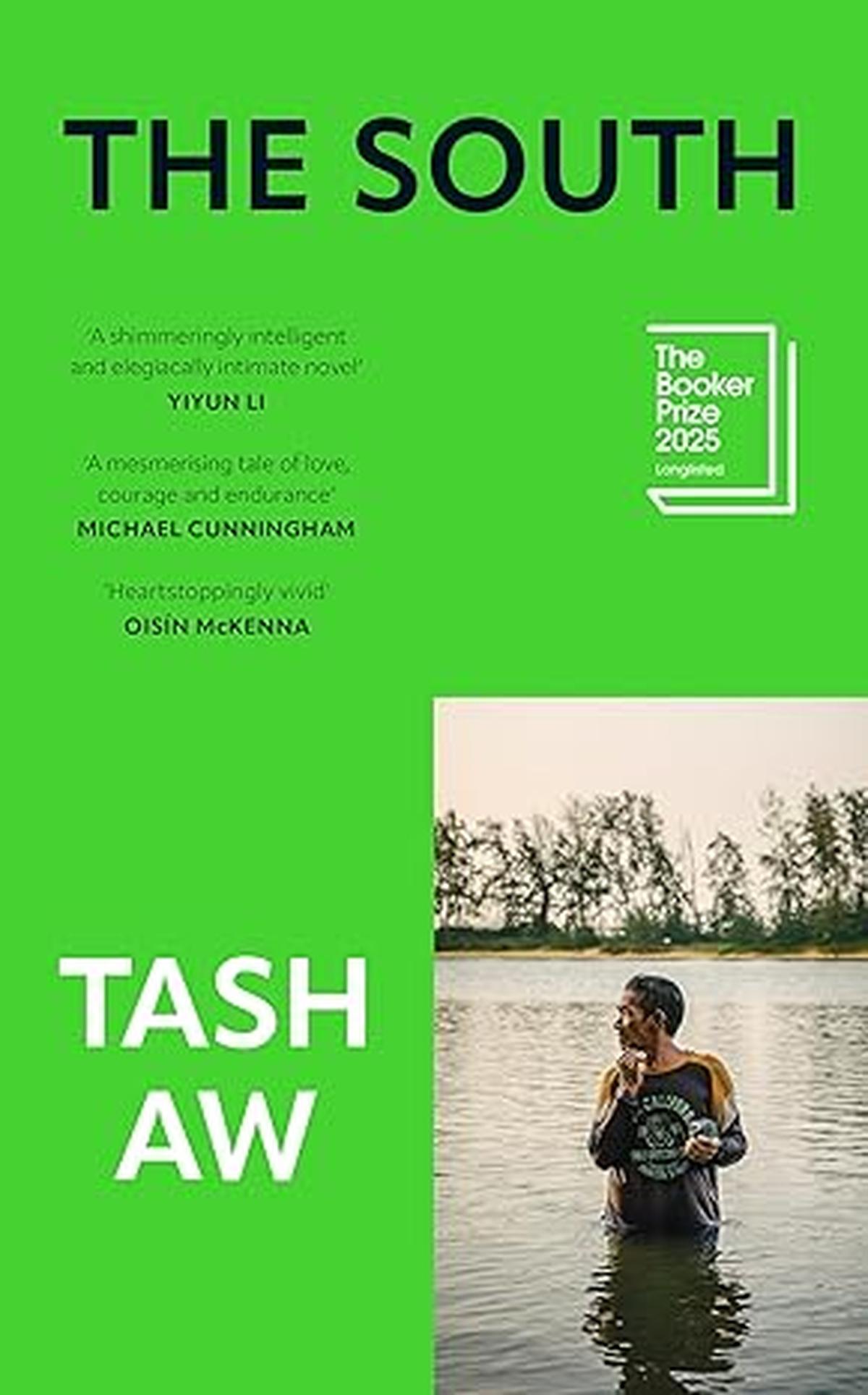
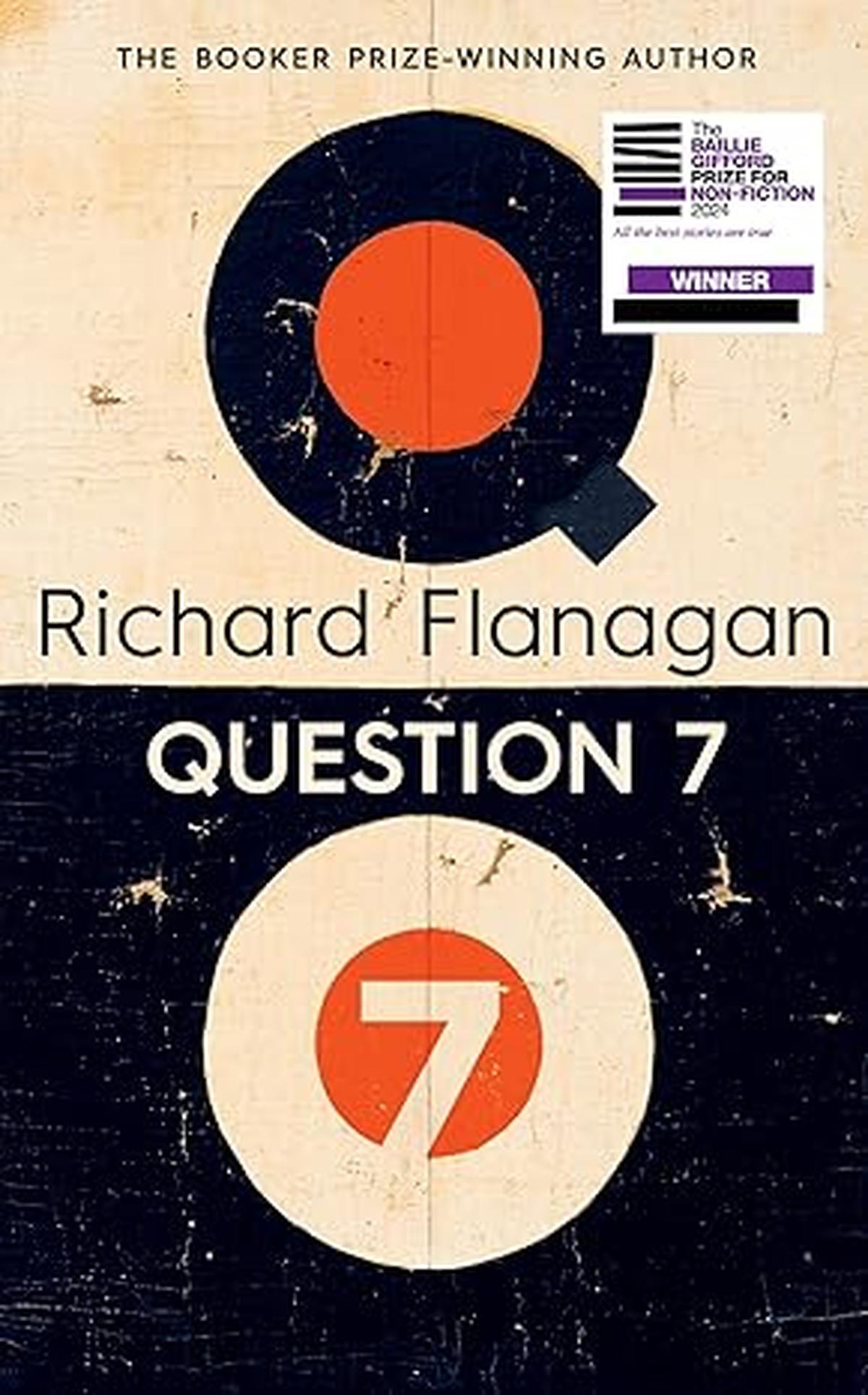
Everett, of Pulitzer Prize-winning James fame, couldn’t be at JLF, but he joined several writers, Desai, Tash Aw (The South), Richard Flanagan (Question 7), Esther Freud (My Sister and Other Lovers) and Anuradha Roy (Called by the Hills) to talk about fiction’s origins.

The Web’s future
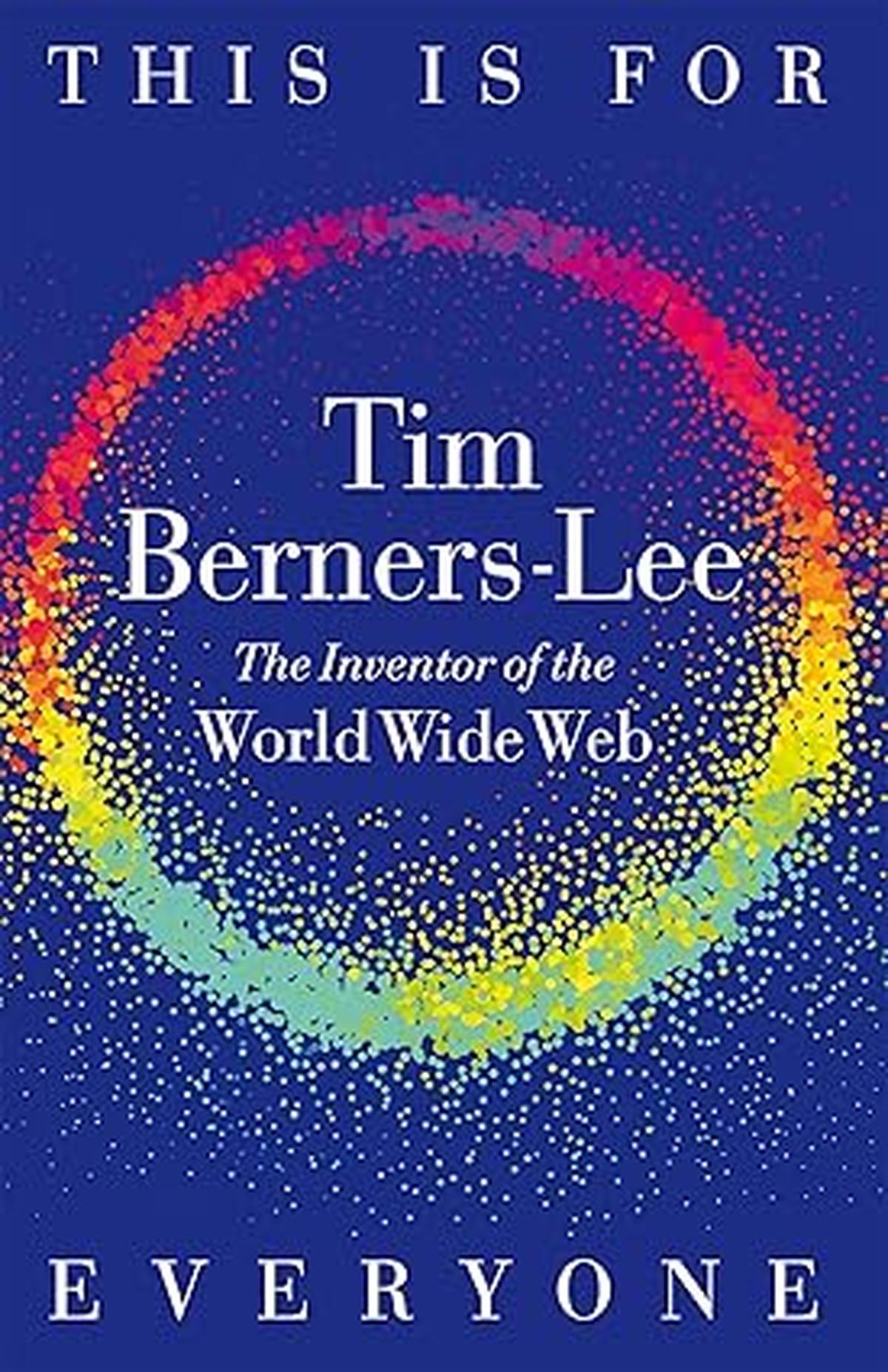
Several sessions also addressed the elephant in the room – AI and ChatGPT and evolving technology. Not surprisingly, the audience hung on to every word of Sir Tim Berners-Lee, inventor of the World Wide Web. He urged them to read his new book, This is For Everyone, which talks about his invention, the unintended consequences and what lies ahead.
But the last word should perhaps go to Ireland — JLF is going there — with journalists Fintan O’Toole and Sam McBride noting that Ireland was the laboratory of Empire. Much of what is happening in the world right now, they argue, can be traced to Britain’s (mis)adventures. Can partitions, however, be undone? Ireland has begun the debate for and against unification.
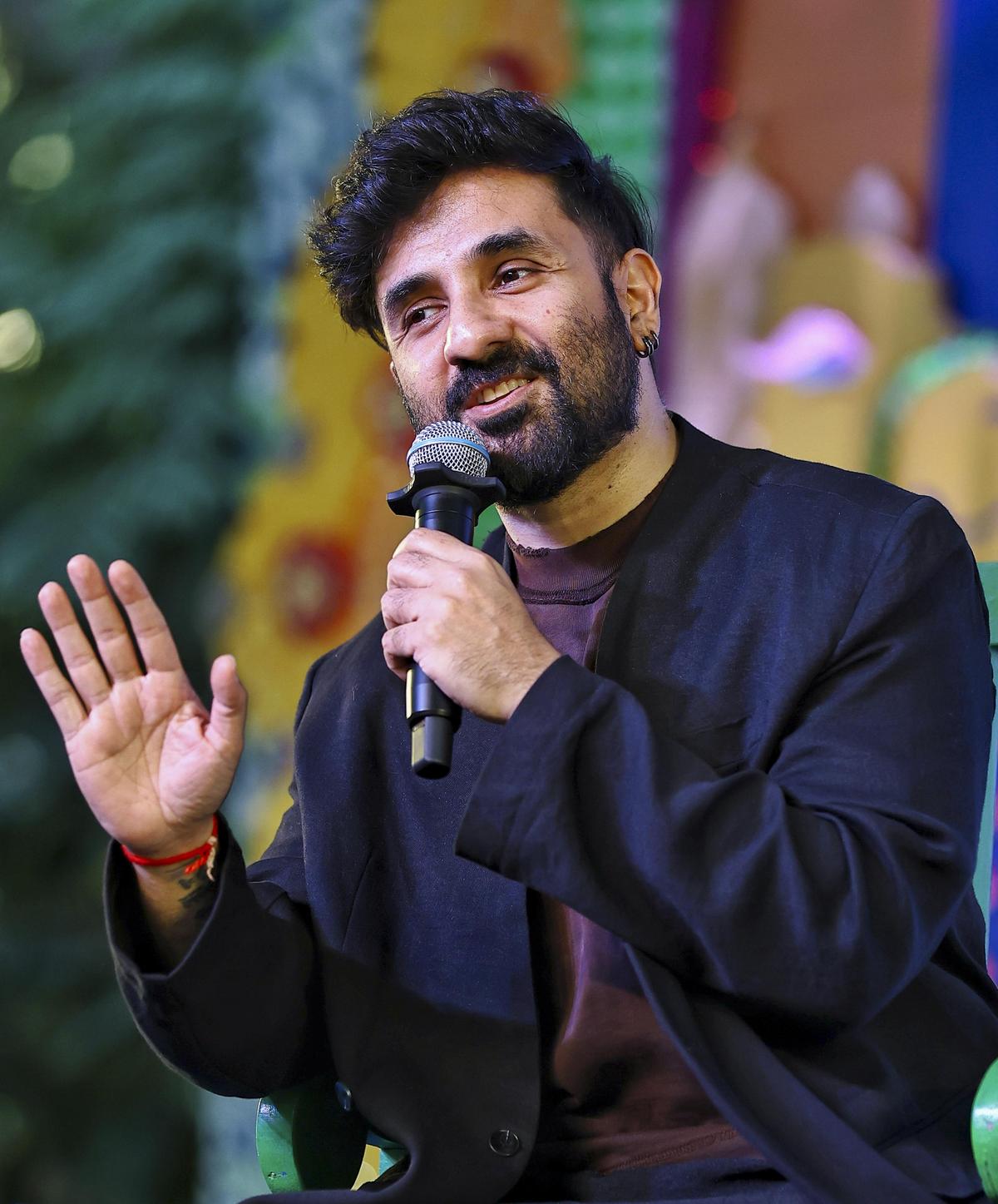
Vir Das at the Jaipur Literature Festival.
| Photo Credit:
PTI
Literature at its best builds bridges, and JLF showcased a slice of that over five days.
Published – January 30, 2026 12:38 pm IST
Discover more from News Link360
Subscribe to get the latest posts sent to your email.