


In Kaushambi, a small electronics repair shop builds steady local demand

Learning the trade alongside studies
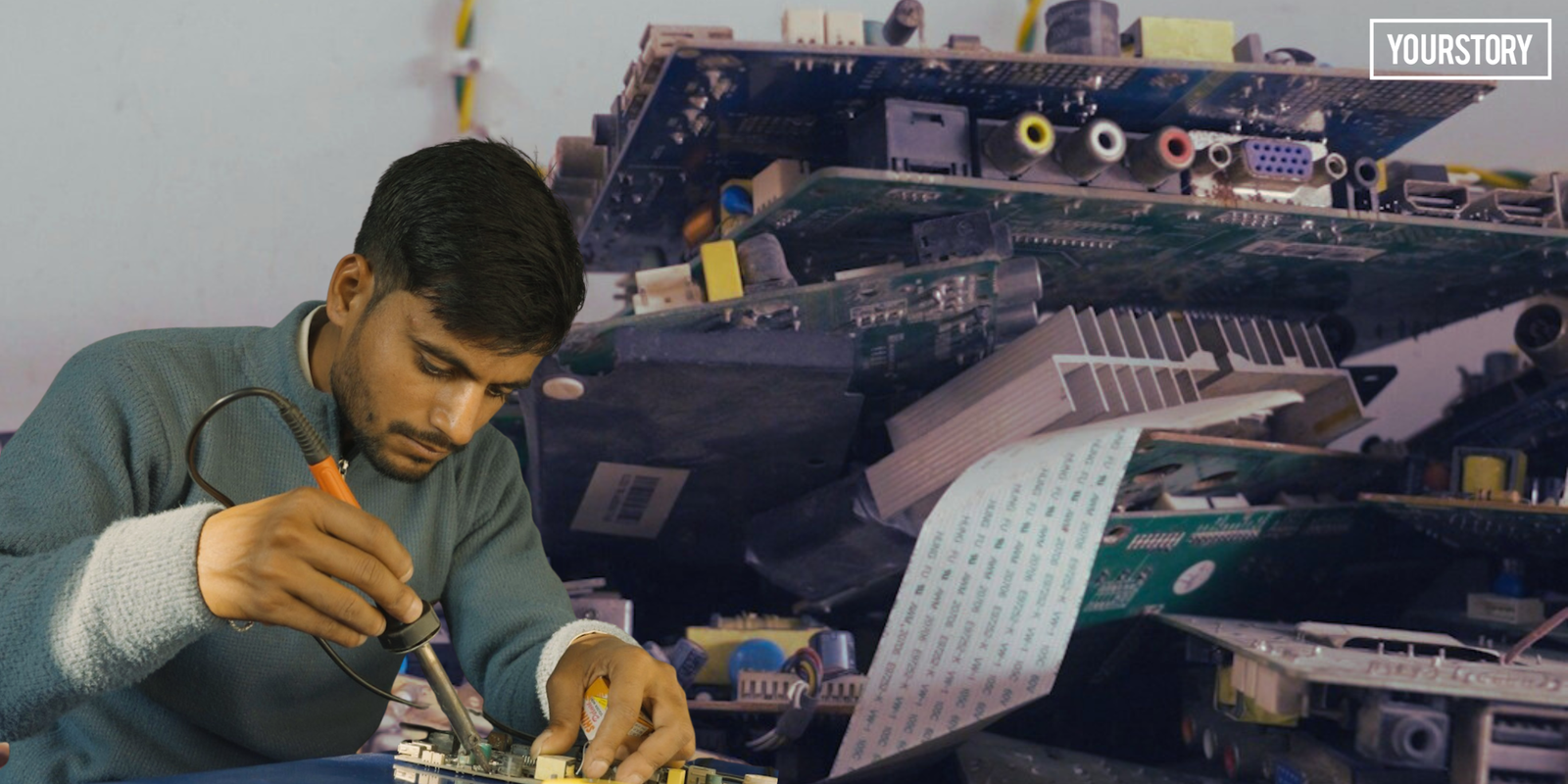
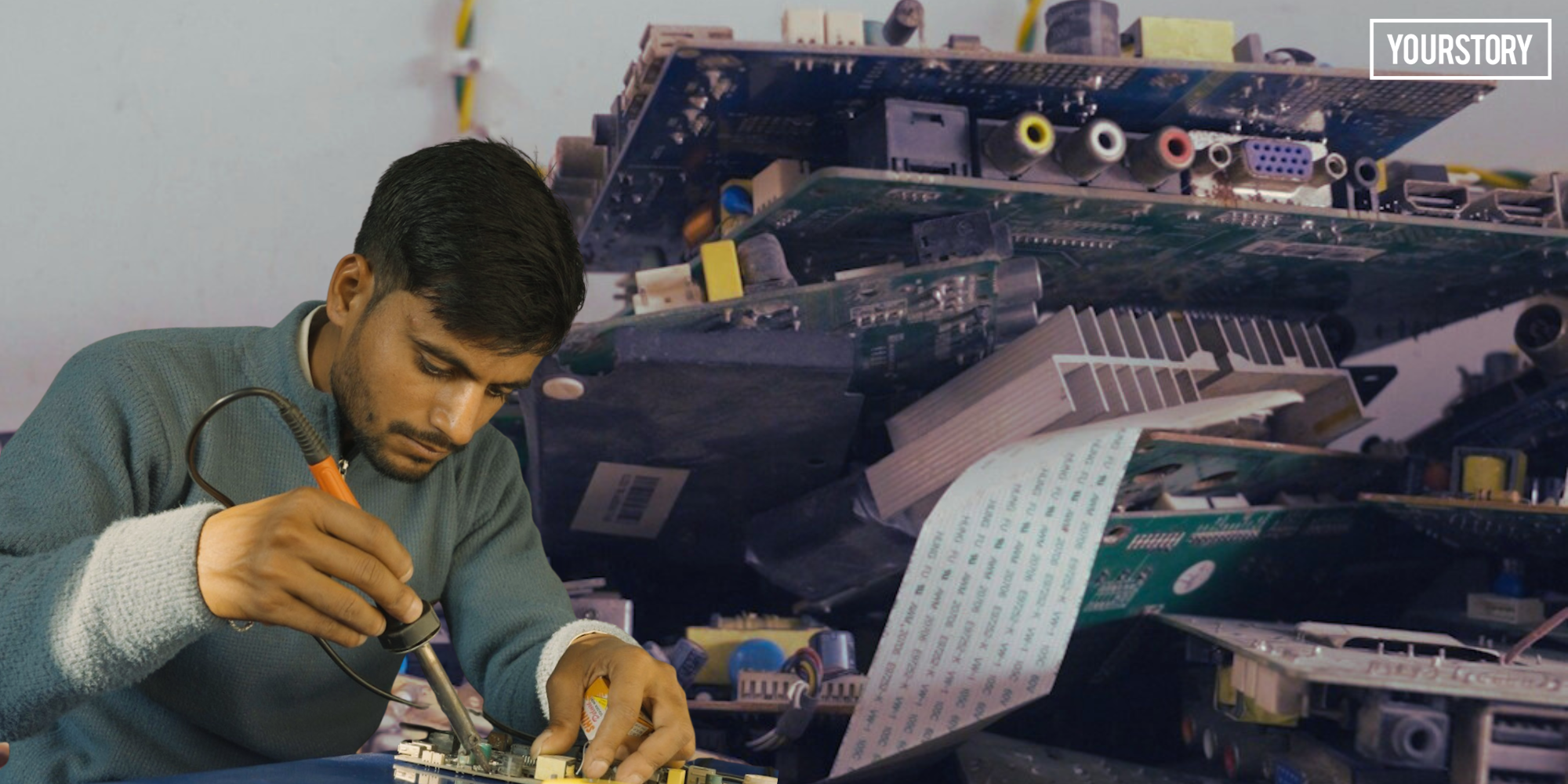
Kumar’s entry into computer repair began while he was completing his graduation. He learned the basics in Prayagraj, where he worked at different repair shops to understand how devices were diagnosed and repaired in real-world conditions. The work appealed to him because it combined problem-solving with a growing demand for technology services. He later spent time in Gujarat, hoping to further expand his skills, but returned when the work there did not align with what he had already learned.
Back in Uttar Pradesh, he continued to broaden his experience by working at repair shops in Prayagraj and later in Lalpur, where he repaired LED televisions. These years were marked by steady learning rather than rapid progress. He recalls first seeing a computer in school as a child, and feeling curious about how it worked — an interest that gradually shaped his choices after finishing his intermediate education. By around 2017, he had decided that computer-related work would be his long-term path.
Setting up independently in Manjhanpur
After working for others and briefly trying a partnership arrangement, Kumar felt the need to venture out on his own. He moved to Manjhanpur, Kaushambi, and opened a small shop, relying on his technical skills and a modest local customer base. In the early months, business was slow, and cash flow was uncertain. Some repairs took days, sometimes weeks, especially complex motherboard faults that required repeated testing and component replacement.
“There were times when a single repair would not work for days, but leaving it unfinished was never an option,” he says. “If it took a week, I stayed with it until the result came.”
Gradually, word spread. Customers began coming not only from Manjhanpur but also from nearby areas where technicians lacked the equipment or confidence to attempt advanced circuit-level repairs. The shop also started taking up CCTV camera installation and related field work, adding another stream of regular activity.
Support that helped stabilise operations
As the business began to show potential, Kumar faced difficulty arranging funds to stock spare parts and basic machinery. He applied for assistance under the Mukhyamantri Yuva Udyami Vikas Abhiyan (CM YUVA) Yojana through a nearby bank branch. The support enabled him to invest in essential tools such as heat guns, DC power machines, multimetres, and commonly used components like chips, adapters, screens, and batteries.
He now manages daily operations through a cash-credit facility, aiming to keep transactions within the business cycle and avoid unnecessary risk. While he remains cautious about expansion, the shop has achieved a level of stability missing in its early days. The steady flow of repairs, modest market visibility, and the confidence gained from years of hands-on work have brought a sense of balance. What began as an uncertain experiment has settled into a dependable livelihood, shaped by patience rather than ambition.
Discover more from News Link360
Subscribe to get the latest posts sent to your email.