

Project Tarasha showcases the magic of design collaborating with art and entrepreneurship

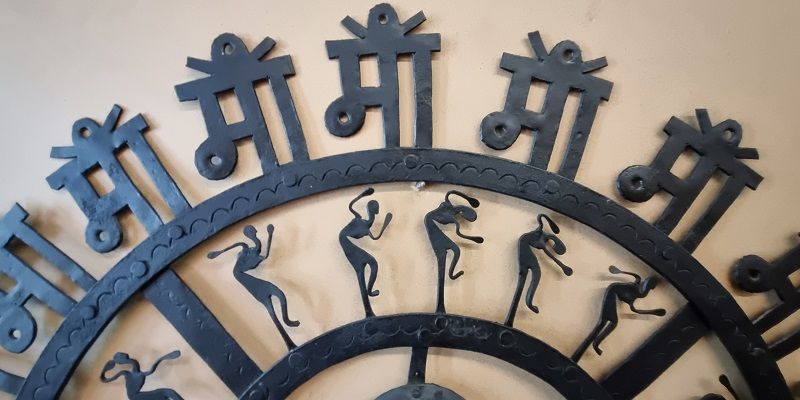

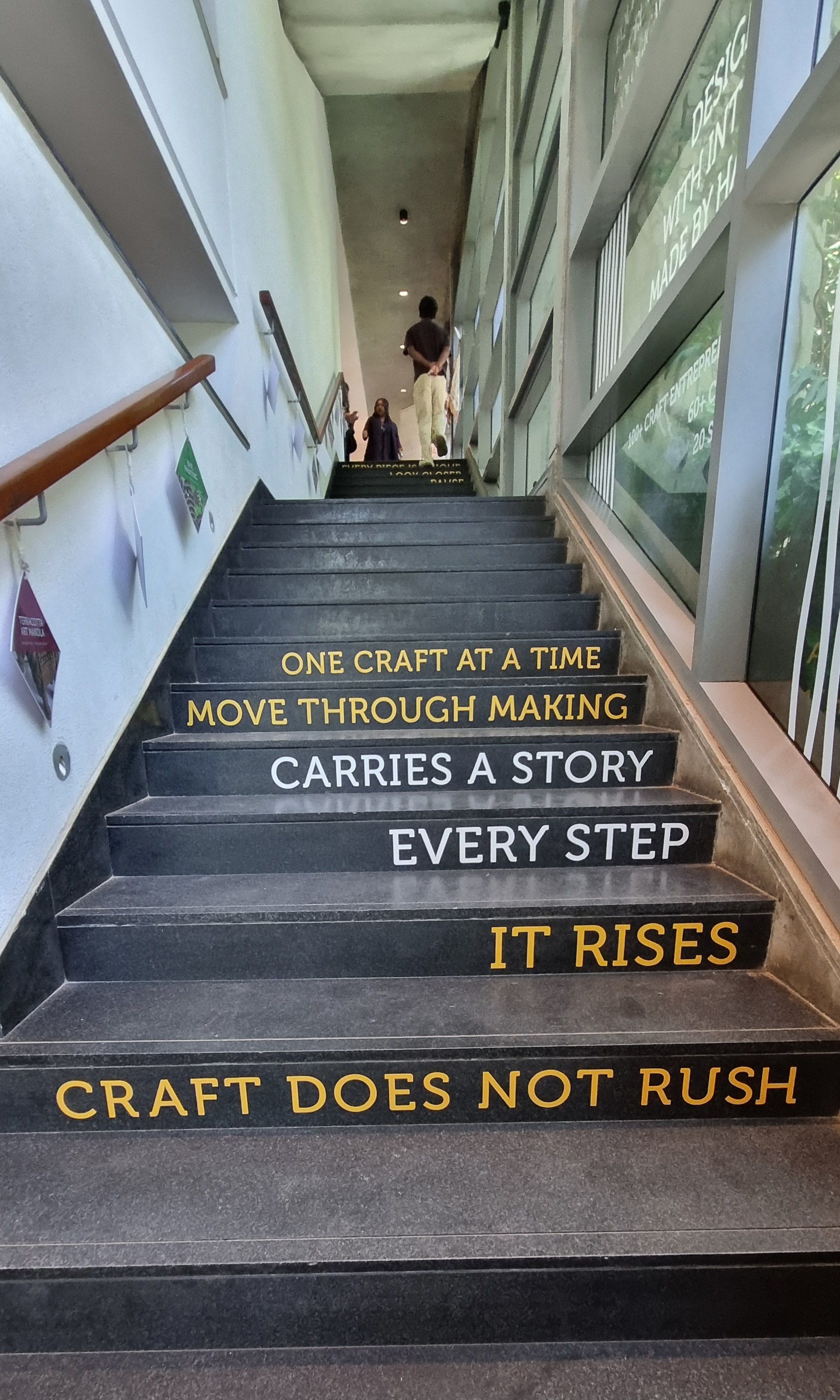
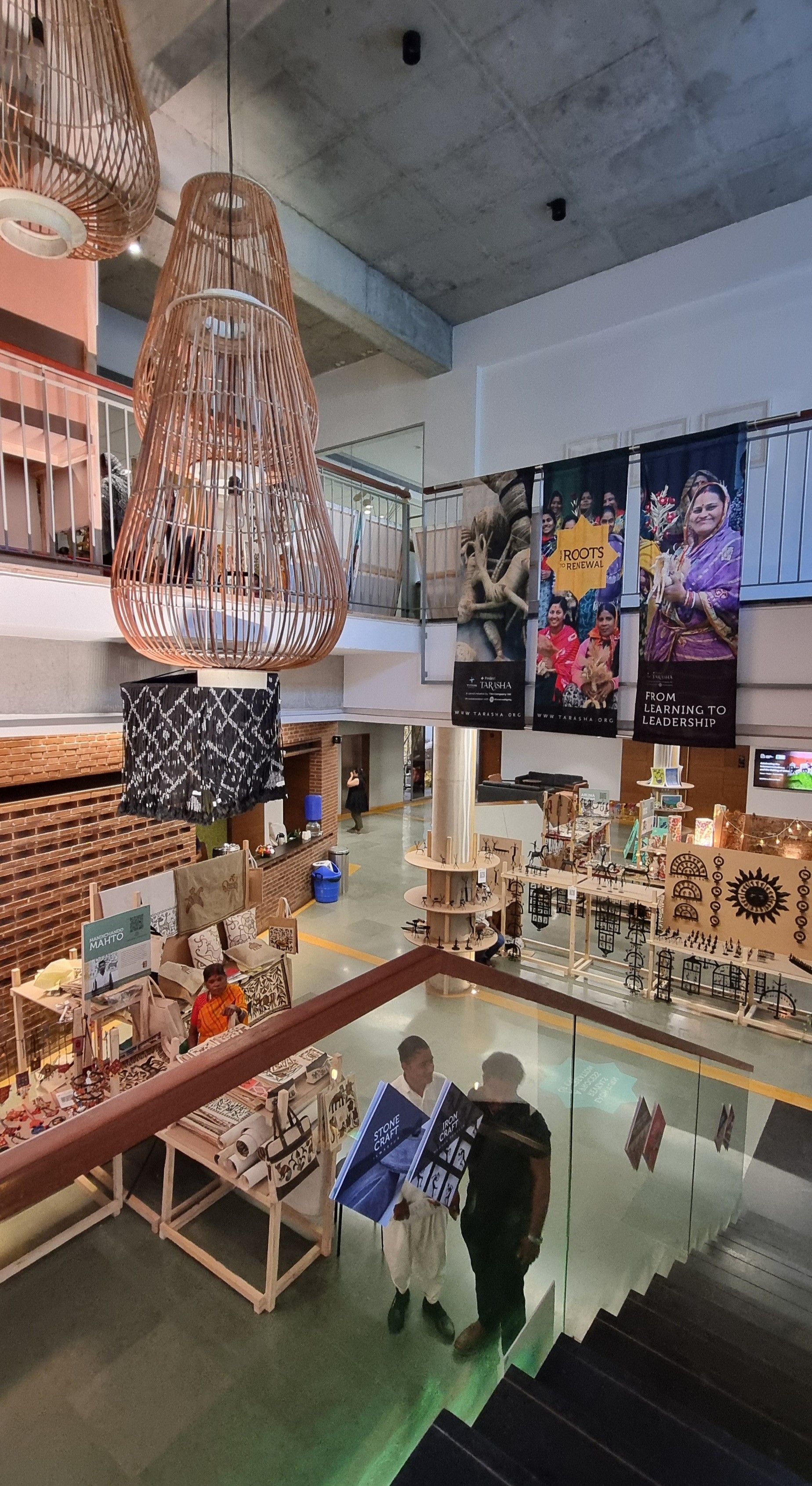
The Bangalore International Centre (BIC) is host once again to the annual crafts exhibition by Project Tarasha, a social initiative by Titan Company in collaboration with Creative Dignity. See our coverage of earlier exhibitions from the past six years at BIC here.
The Mumbai edition of the exhibition was held at The Vintage Garden in Bandra (West) last month. The exhibition series is aimed at empowering rural ‘craftpreneurs’ to create sustainable craft businesses in modern markets (see our photo essay on last year’s Bengaluru edition here).
.thumbnailWrapper{
width:6.62rem !important;
}
.alsoReadTitleImage{
min-width: 81px !important;
min-height: 81px !important;
}
.alsoReadMainTitleText{
font-size: 14px !important;
line-height: 20px !important;
}
.alsoReadHeadText{
font-size: 24px !important;
line-height: 20px !important;
}
}

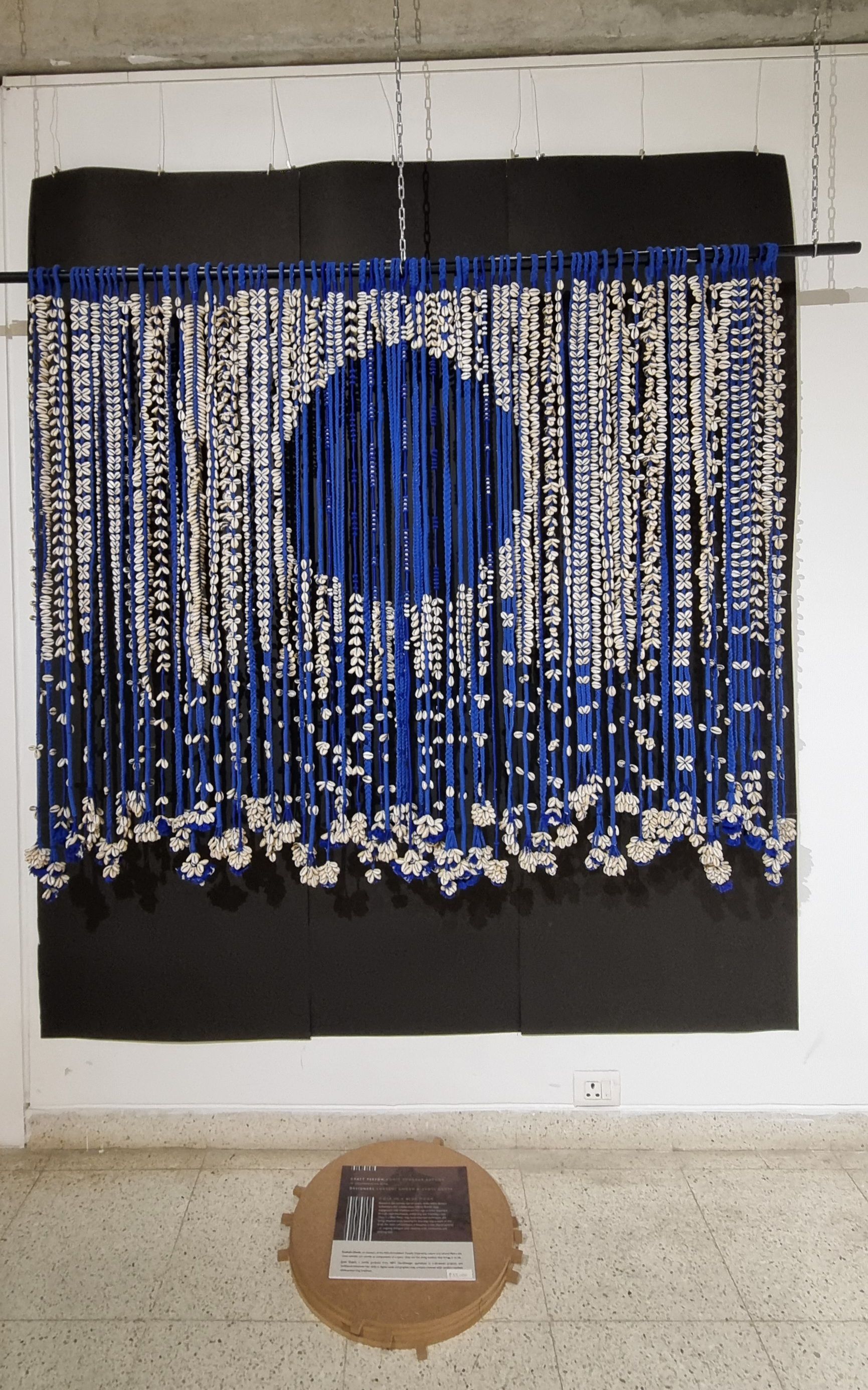
The name Tarasha translates roughly to ‘chiselled’ or ‘carved’. It evokes precision, careful shaping, and transformation. The initiative helps digitally empower artisans by helping them establish and promote an online presence, improve financial planning, and access new markets without losing their cultural heritage.
The exhibition in Bengaluru spans four days, becoming a full-scale celebration of craft and appreciation of the larger story of artisan empowerment. It promotes craft as conversation, not just commodity.
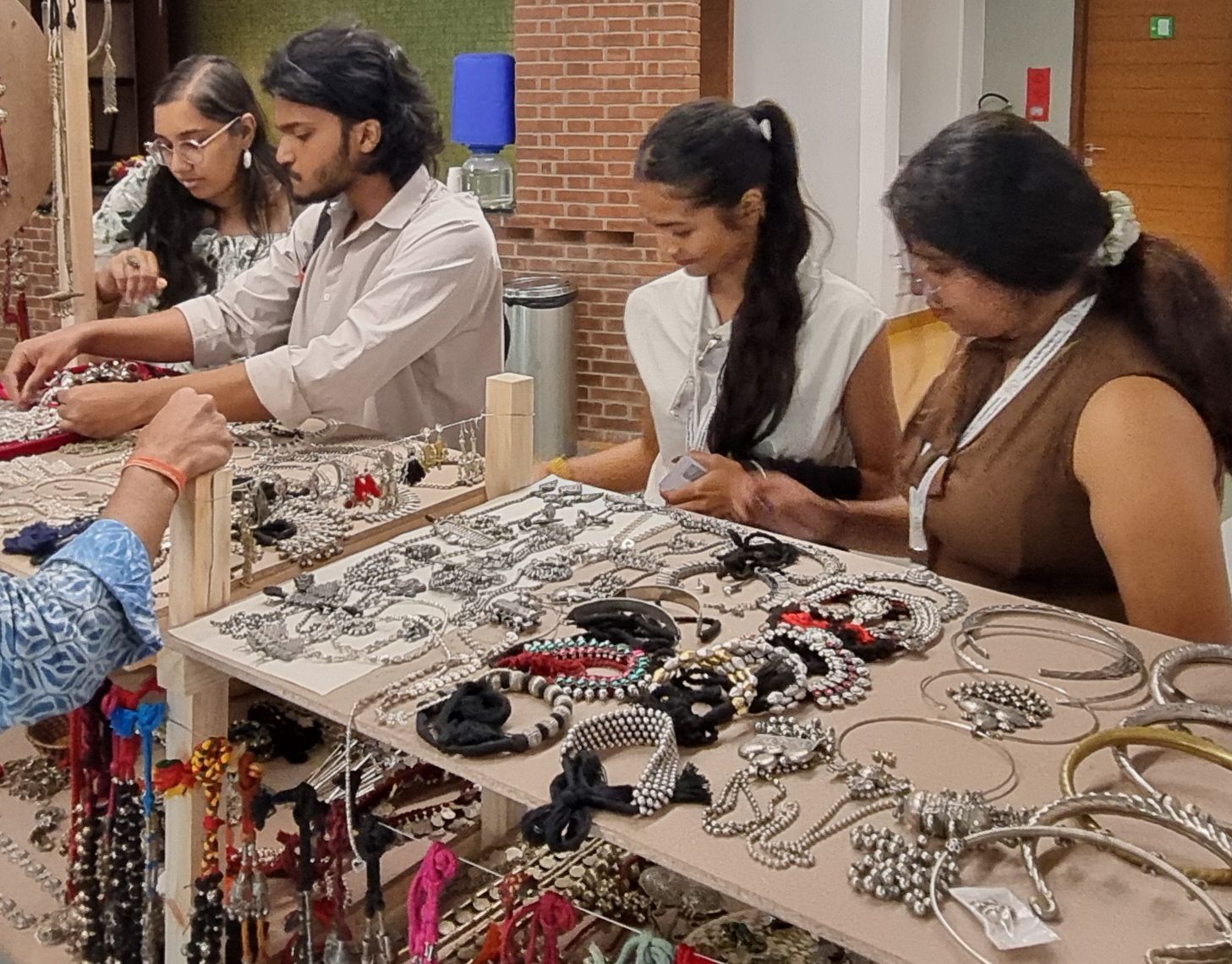
Urban audiences get a chance to connect directly with rural audiences. This is a precious learning opportunity for craft connoisseurs, industry professionals, students, and everyday visitors.
.thumbnailWrapper{
width:6.62rem !important;
}
.alsoReadTitleImage{
min-width: 81px !important;
min-height: 81px !important;
}
.alsoReadMainTitleText{
font-size: 14px !important;
line-height: 20px !important;
}
.alsoReadHeadText{
font-size: 24px !important;
line-height: 20px !important;
}
}

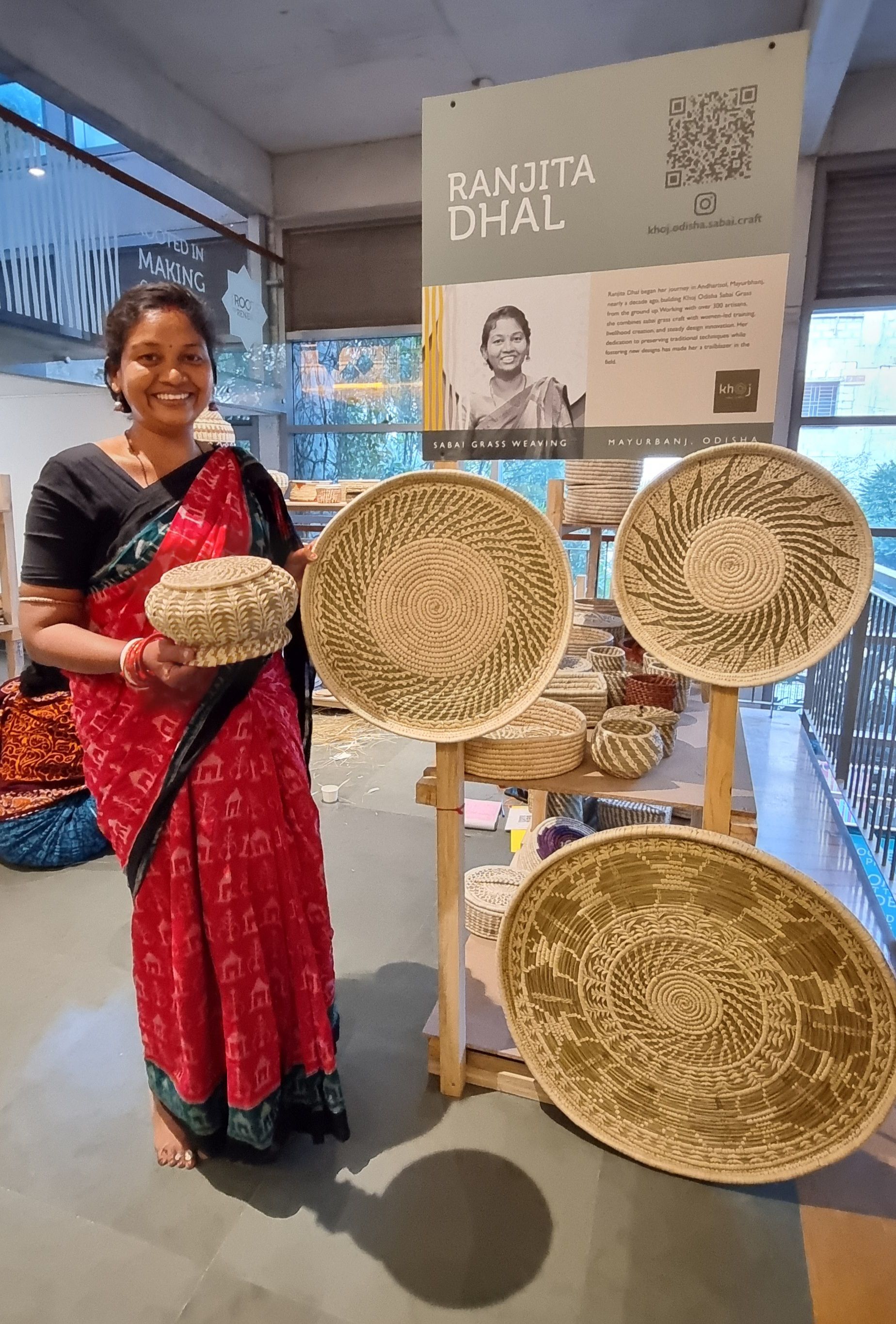
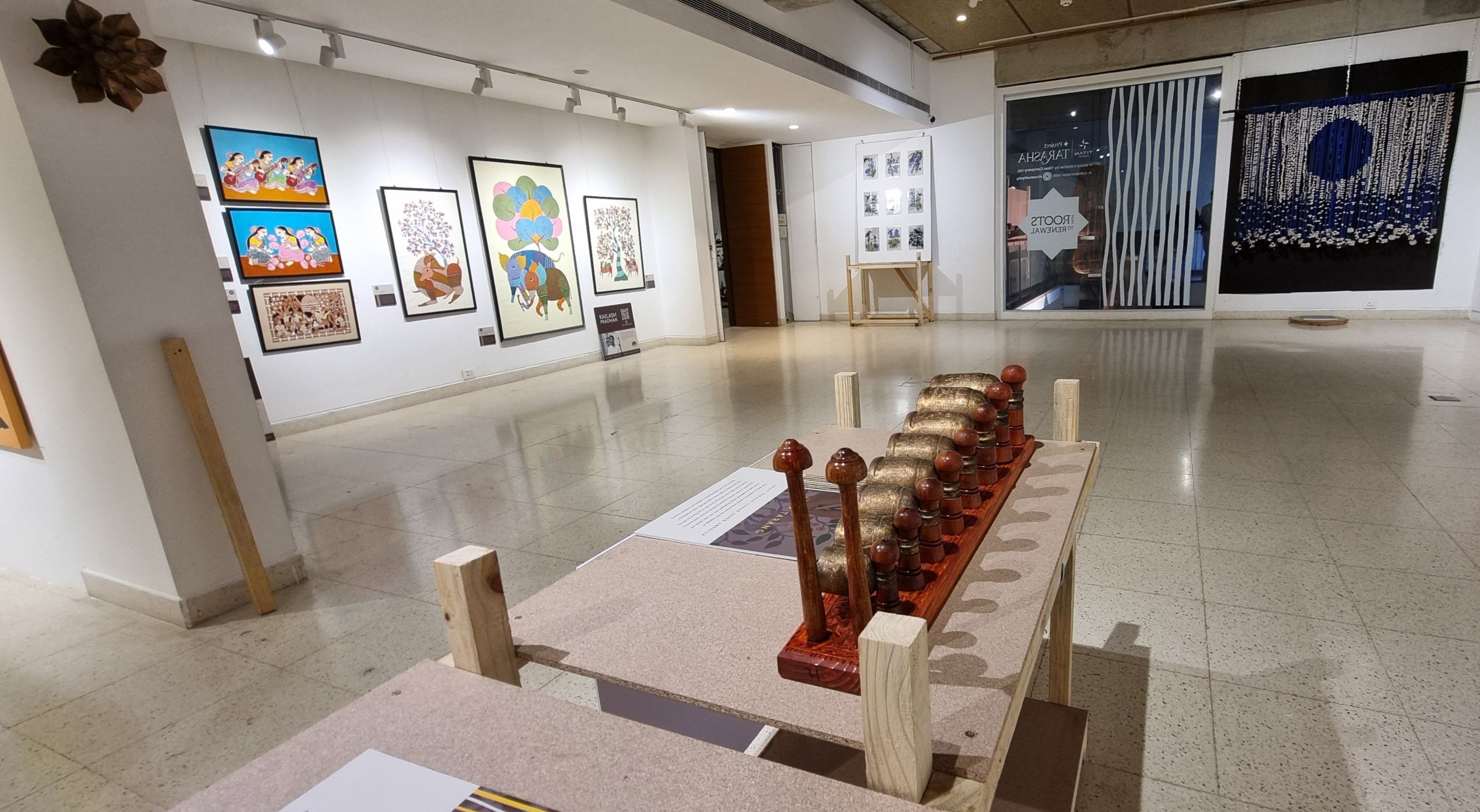
The exhibition also stands out for its zero-commission policy, with all financial benefits going straight to the maker without loss of margin. The current show features 21 craftpreneurs from diverse regions such as Maharashtra, Rajasthan, West Bengal, Odisha, Telangana, and more.
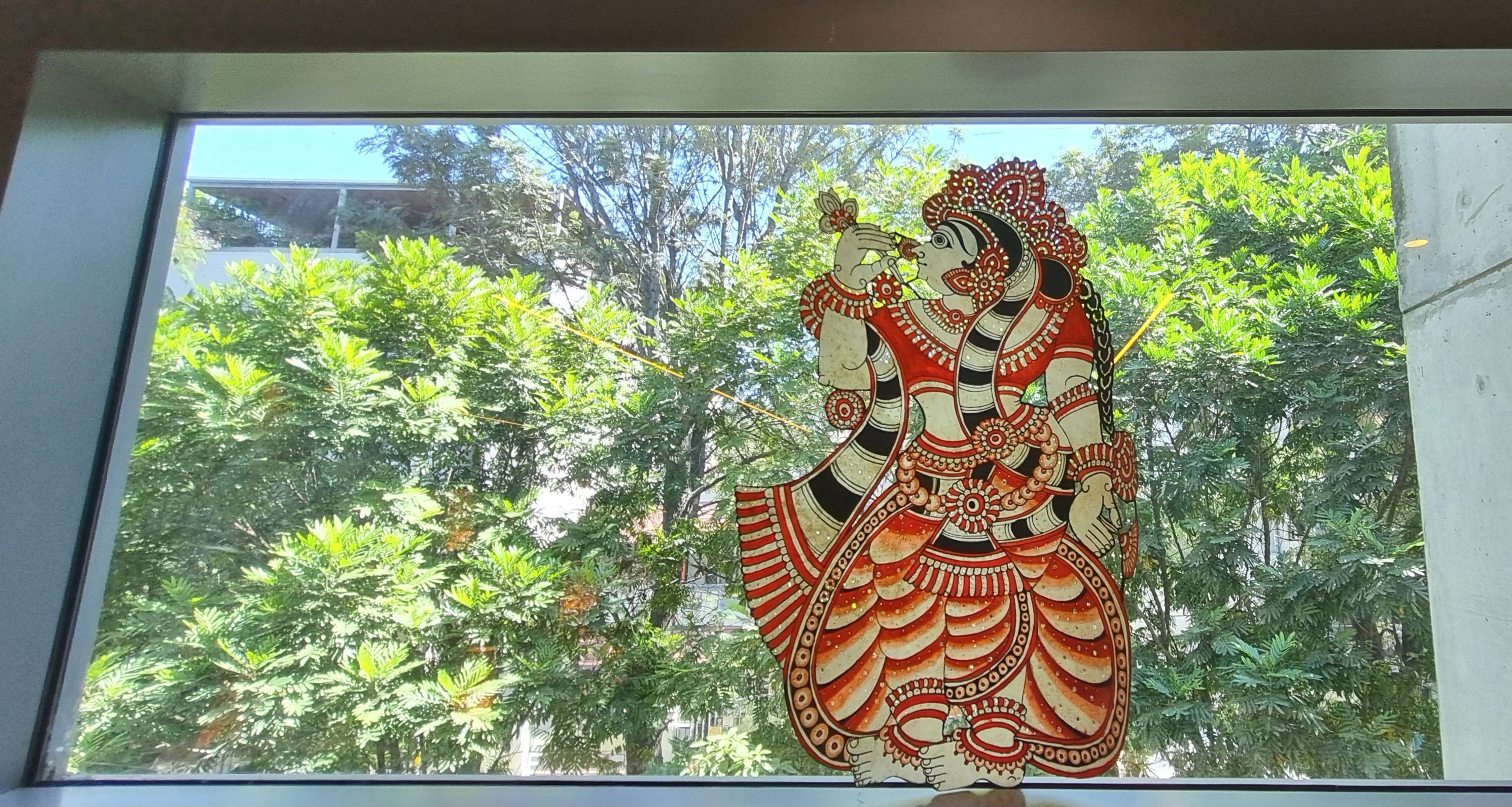
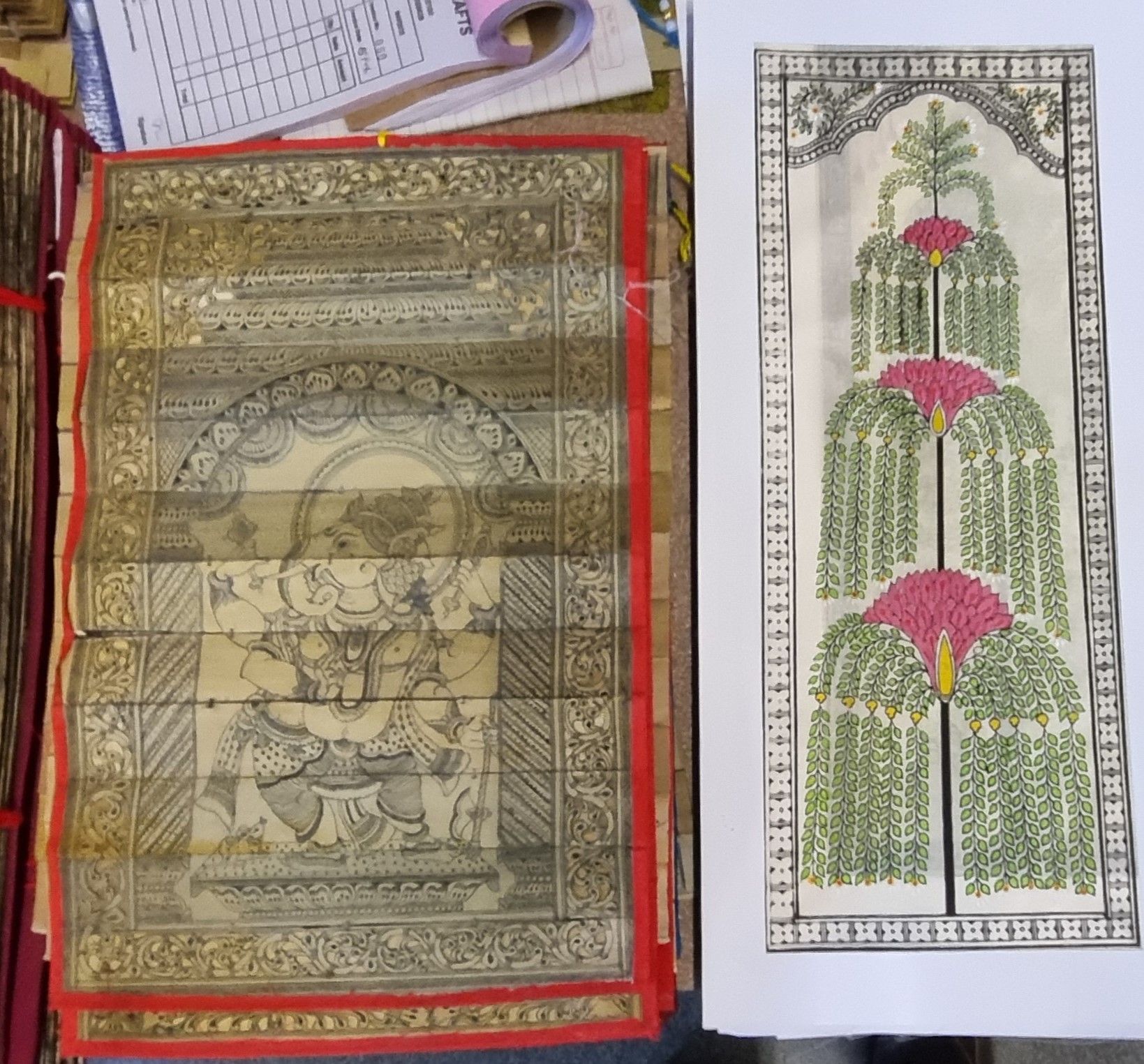
Visitors thus get a multi-regional multi-generational panorama of India’s craft heritage. They also get to immerse in lesser-seen art forms and underrepresented geographies.
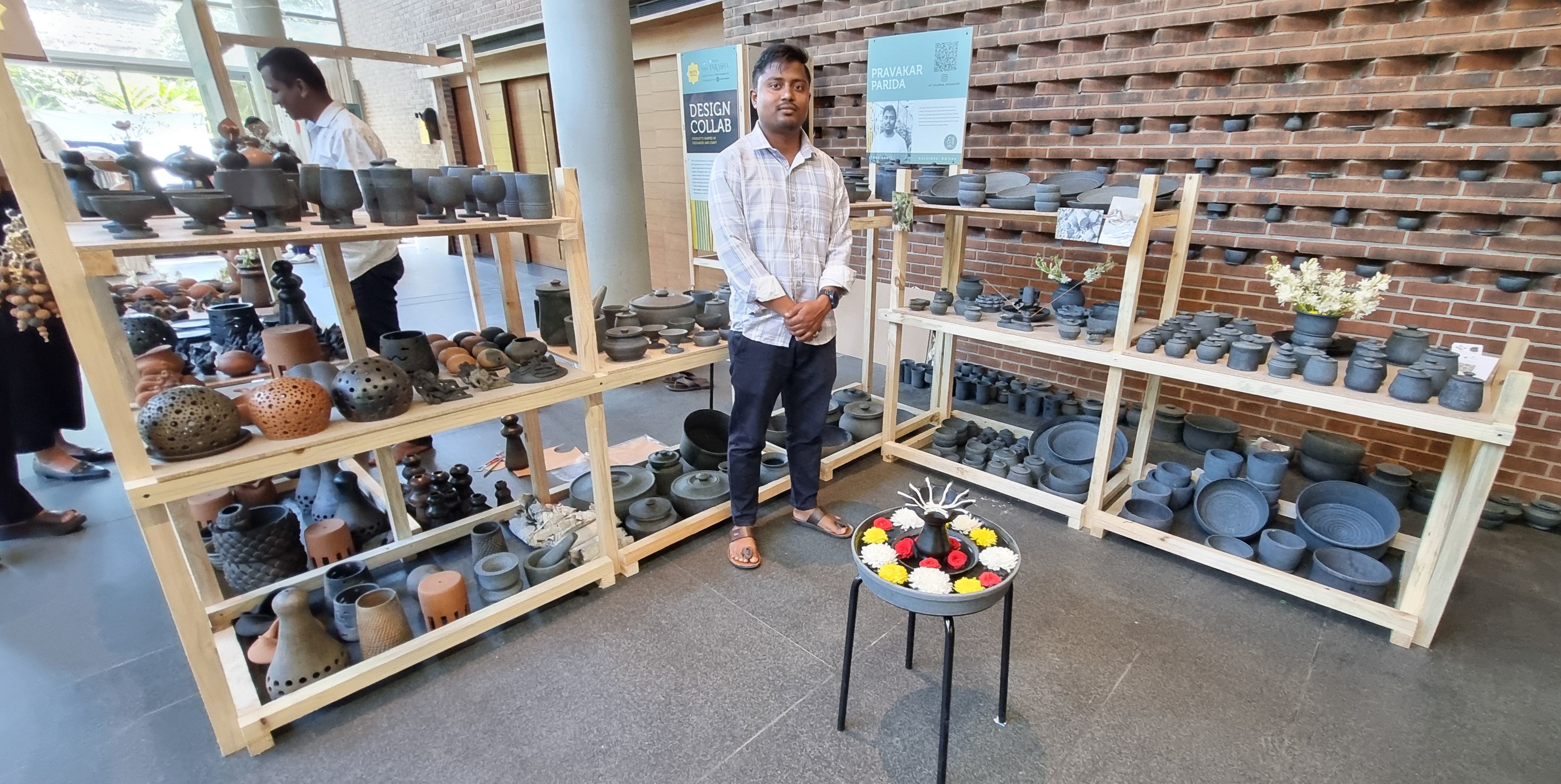
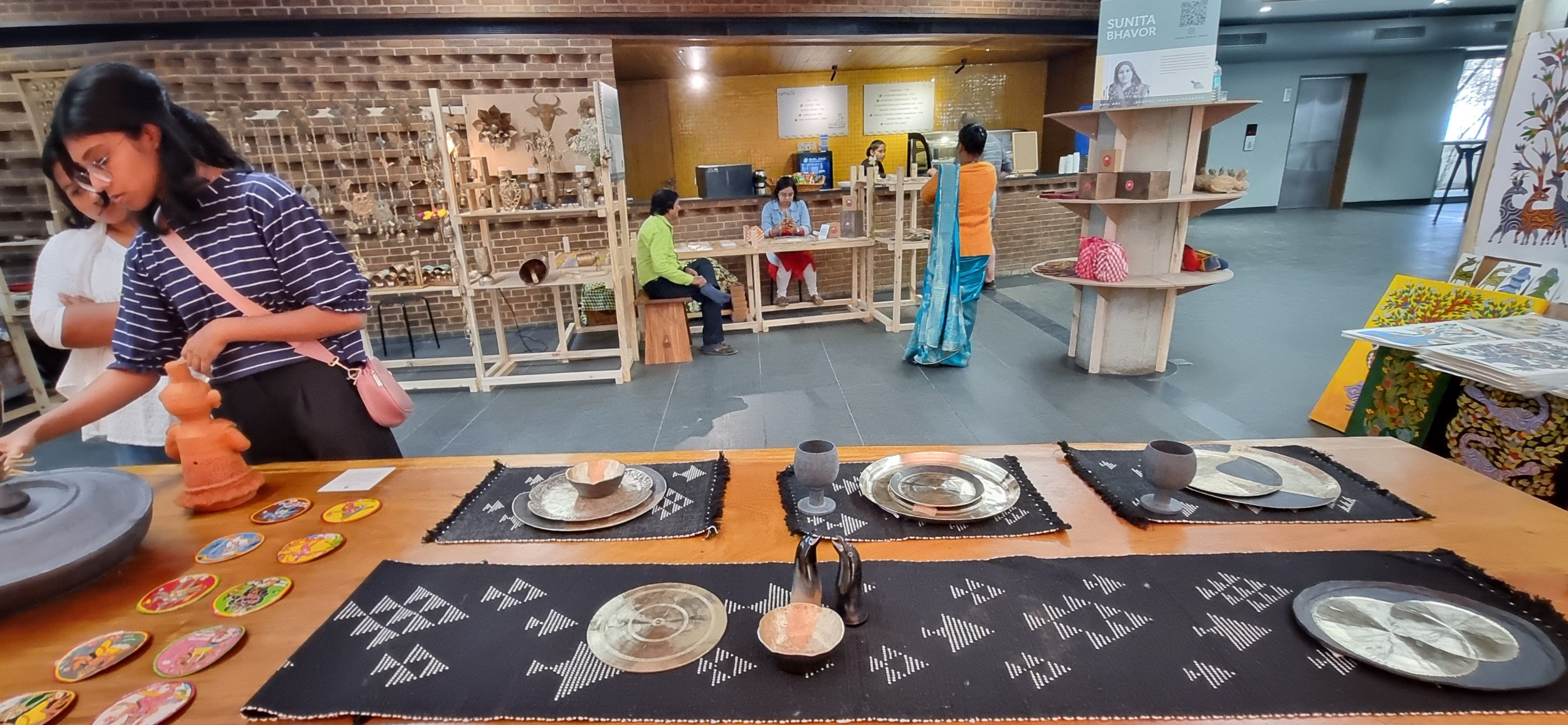
In many cases, visitors can actually view craftpreneurs actually creating their artworks. This brings them a small but important step closer to the lived reality of craft-making.
.thumbnailWrapper{
width:6.62rem !important;
}
.alsoReadTitleImage{
min-width: 81px !important;
min-height: 81px !important;
}
.alsoReadMainTitleText{
font-size: 14px !important;
line-height: 20px !important;
}
.alsoReadHeadText{
font-size: 24px !important;
line-height: 20px !important;
}
}

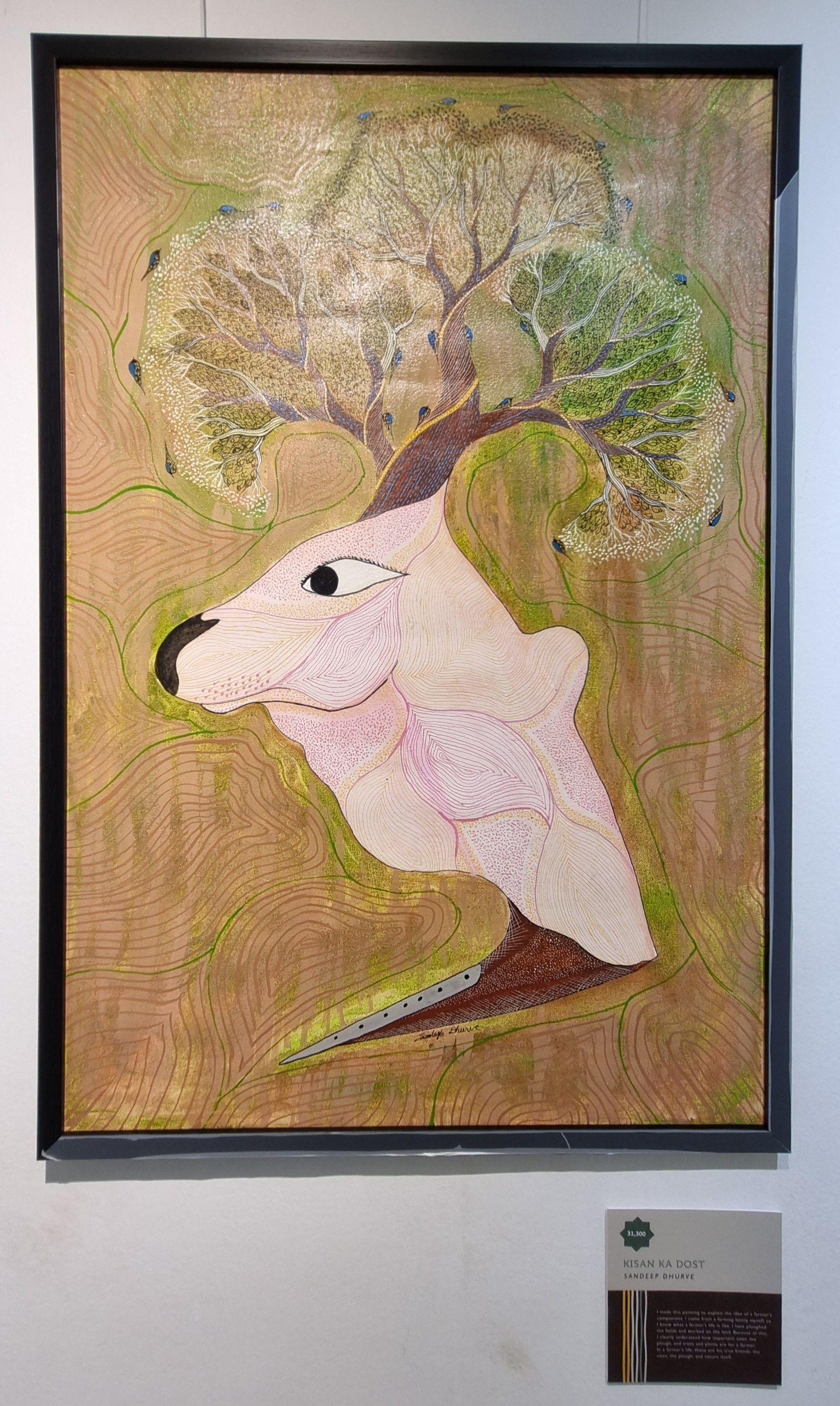
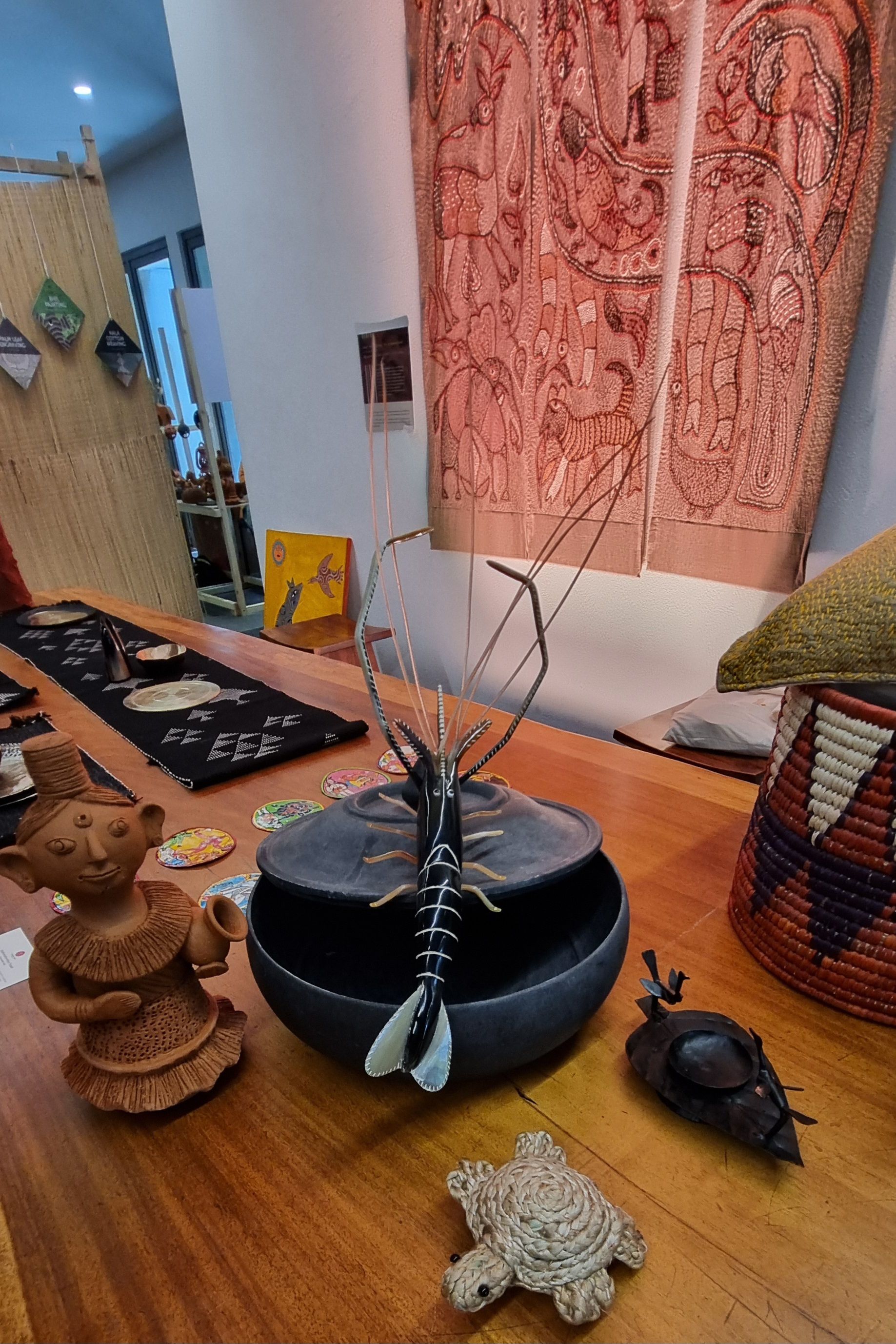
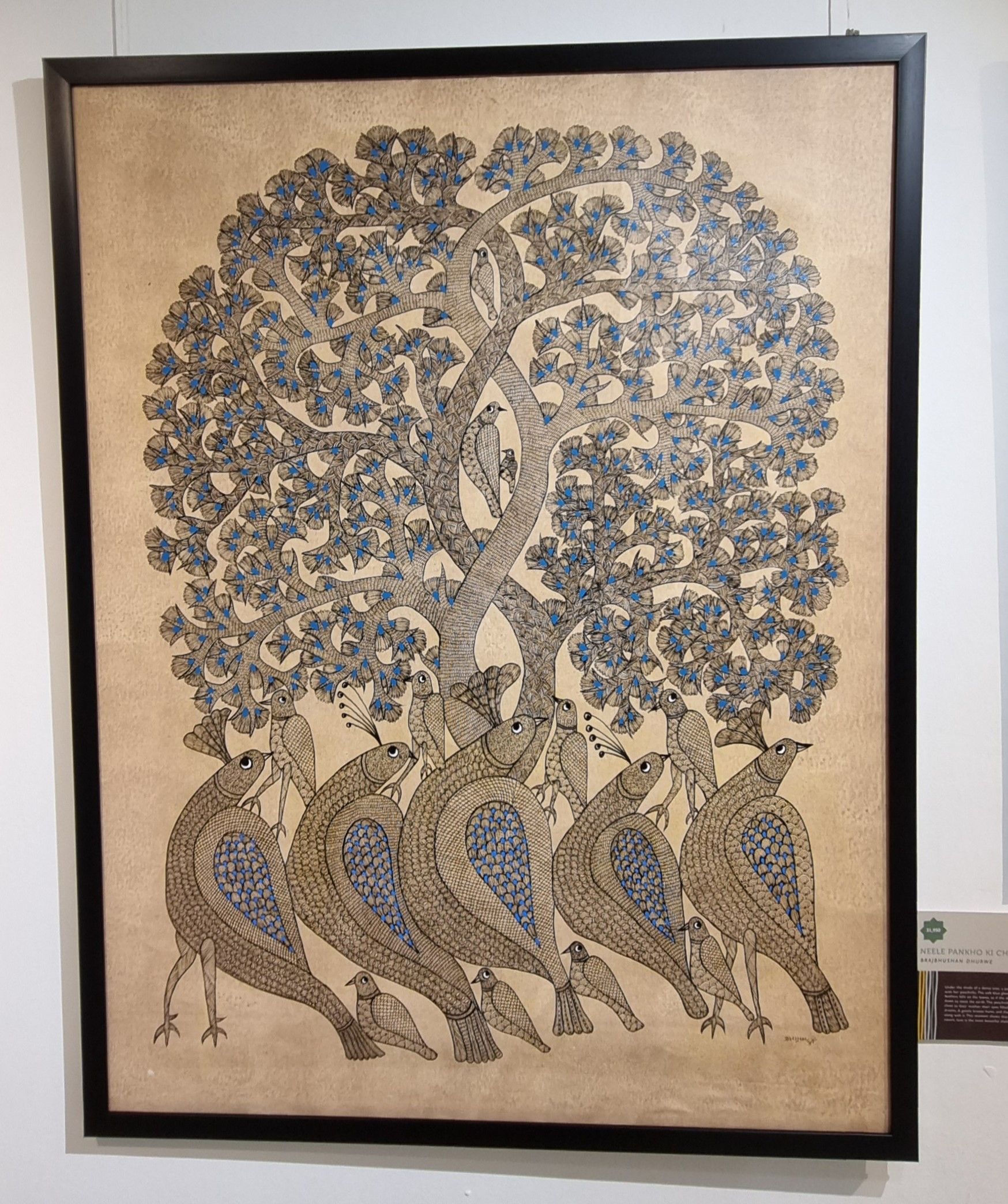
The exhibition’s theme this year is Inspired by Nature, emphasising the close connect that rural artisans have nurtured with their craft materials, ecological contexts, and traditional knowledge systems. This conceptual depth makes the exhibition an exploration of craft identity, not just an aesthetic showcase.
The exhibition encourages both cultural appreciation and economic opportunity. It also reframes traditional craft in the modern economy: craft is a viable economic enterprise and not just a nostalgic relic.
“Many artisans have started selling beyond their home states, and have made trips to Bengaluru and Mumbai for the first time. This is also the first time many of them are catching flights,” Titan’s project lead Ritika Gandhi tells YourStory.
.thumbnailWrapper{
width:6.62rem !important;
}
.alsoReadTitleImage{
min-width: 81px !important;
min-height: 81px !important;
}
.alsoReadMainTitleText{
font-size: 14px !important;
line-height: 20px !important;
}
.alsoReadHeadText{
font-size: 24px !important;
line-height: 20px !important;
}
}

The entrepreneurs are getting exposure to B2B buyers, designers, architects, and boutique studios. “Mentors help the craftpreneurs improve their technique, quality, contemporisation of styles, and ability to customise their products for different market needs,” she adds.
The artisans are modifying the shape, colour and medium of their artworks as well. For example, some are transferring their patterns onto cushion covers, tote bags, keychains, cooking utensils, and table runners instead of just bedspreads.
“We have seen good examples of these entrepreneurs scaling up in clusters from Nagaland and Kashmir. We have seen more women also getting involved in such clusters,” observes Titan MD Ajoy Chawla.
.thumbnailWrapper{
width:6.62rem !important;
}
.alsoReadTitleImage{
min-width: 81px !important;
min-height: 81px !important;
}
.alsoReadMainTitleText{
font-size: 14px !important;
line-height: 20px !important;
}
.alsoReadHeadText{
font-size: 24px !important;
line-height: 20px !important;
}
}

“We are seeing not just improvement in art but a shift in social dynamics and cultural patterns. Women artisans are also earning more and paying for their family expenses, becoming more independent in the process,” he adds.
Chawla says he was quite interested to see that many first-generation craftspeople were present. “Quite a few are youngsters, and many of them are interpreting their art in bold news way and experimenting a lot more with their art forms,” he observes.
“The Project Tarasha exhibition helps people rediscover art forms of the country and take pride in this cultural heritage. It also opens up the imagination to the magic that is possible when design collaborates with art and entrepreneurship,” Chawla signs off.
Now what have you done today to pause in your busy schedule and harness your creative side for a better world?
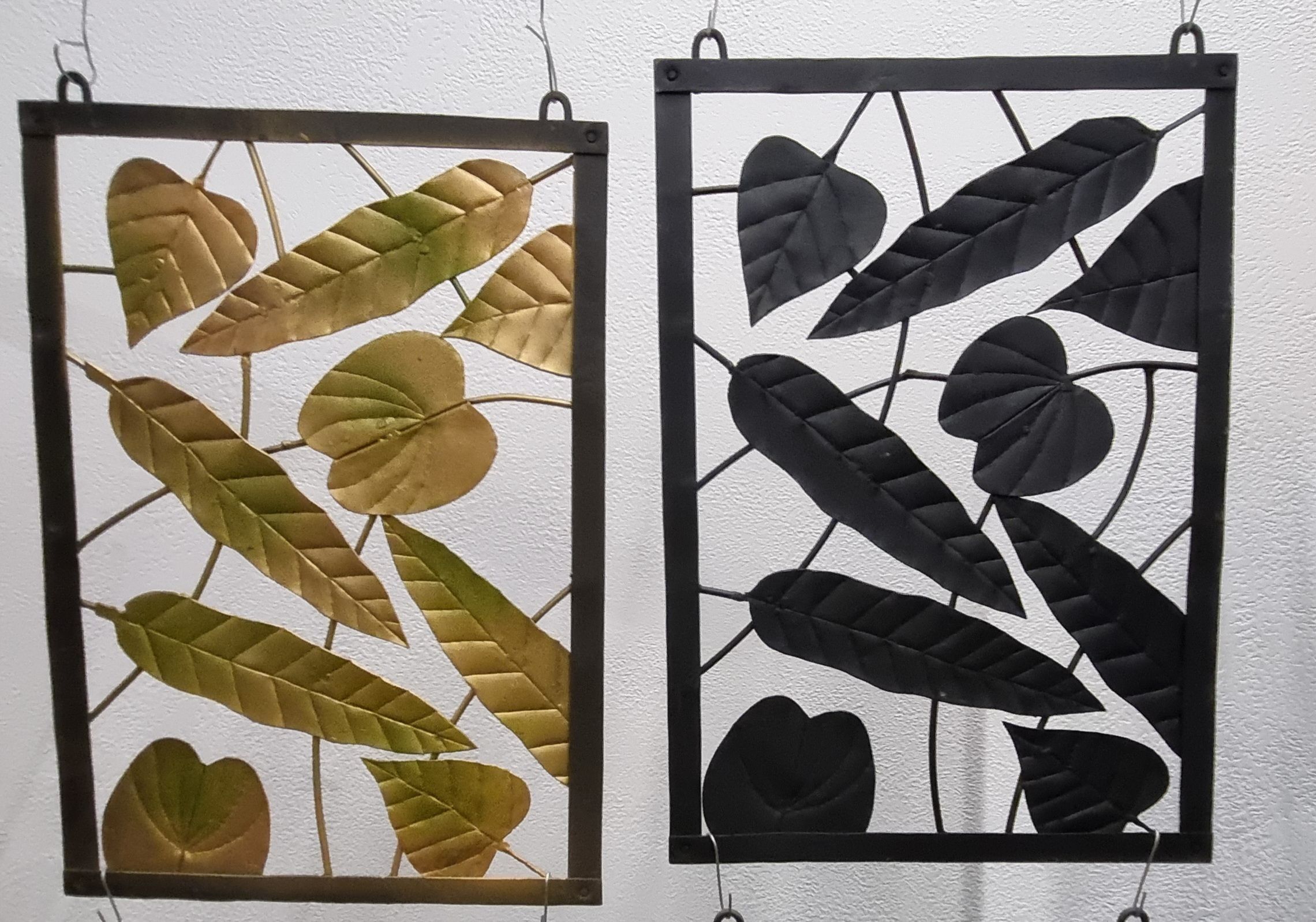
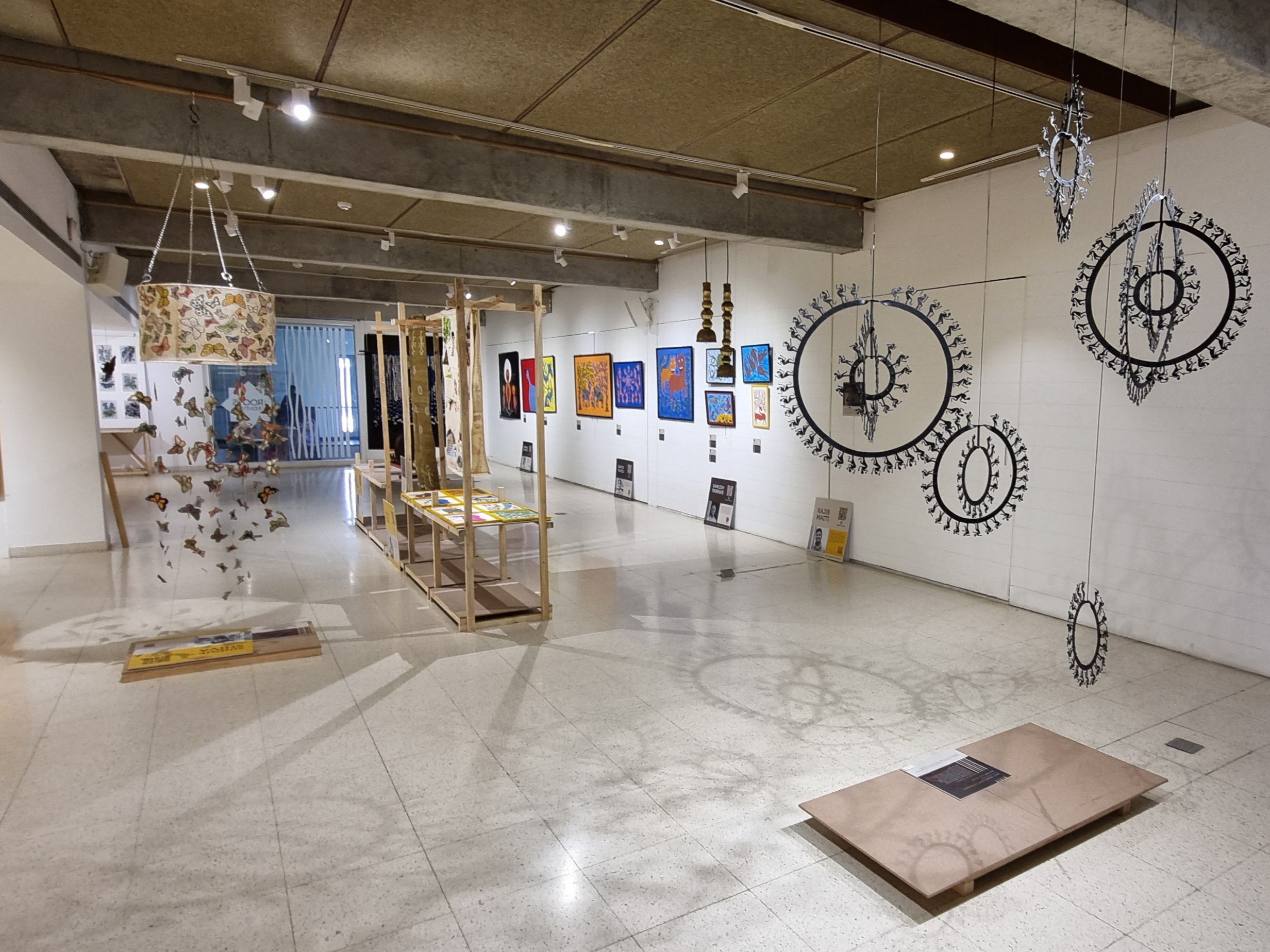
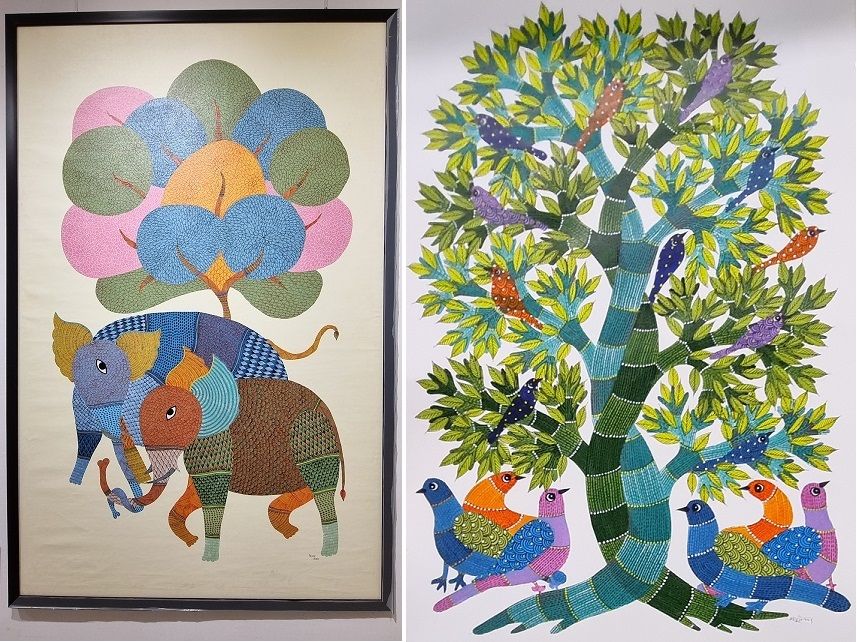
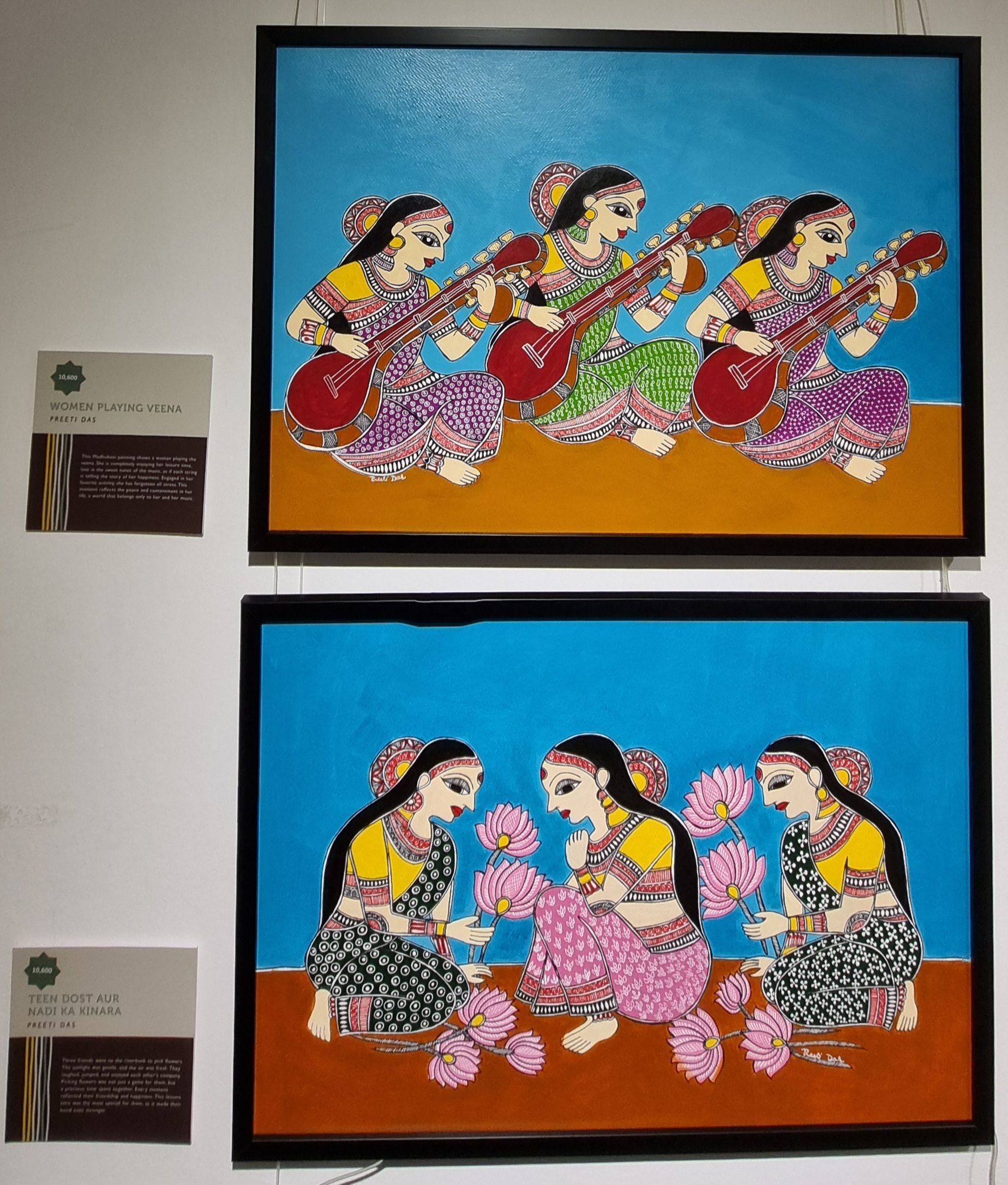
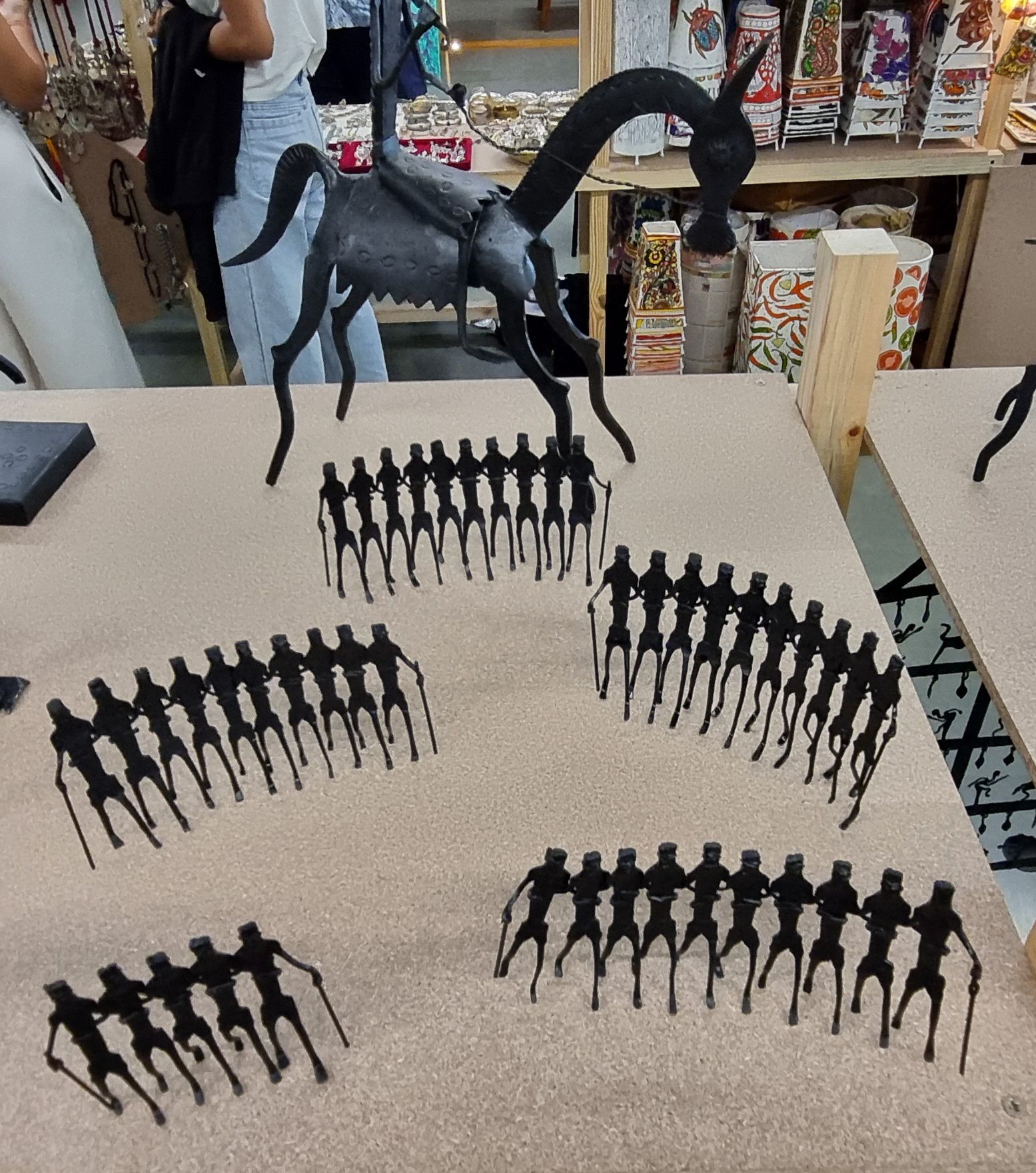
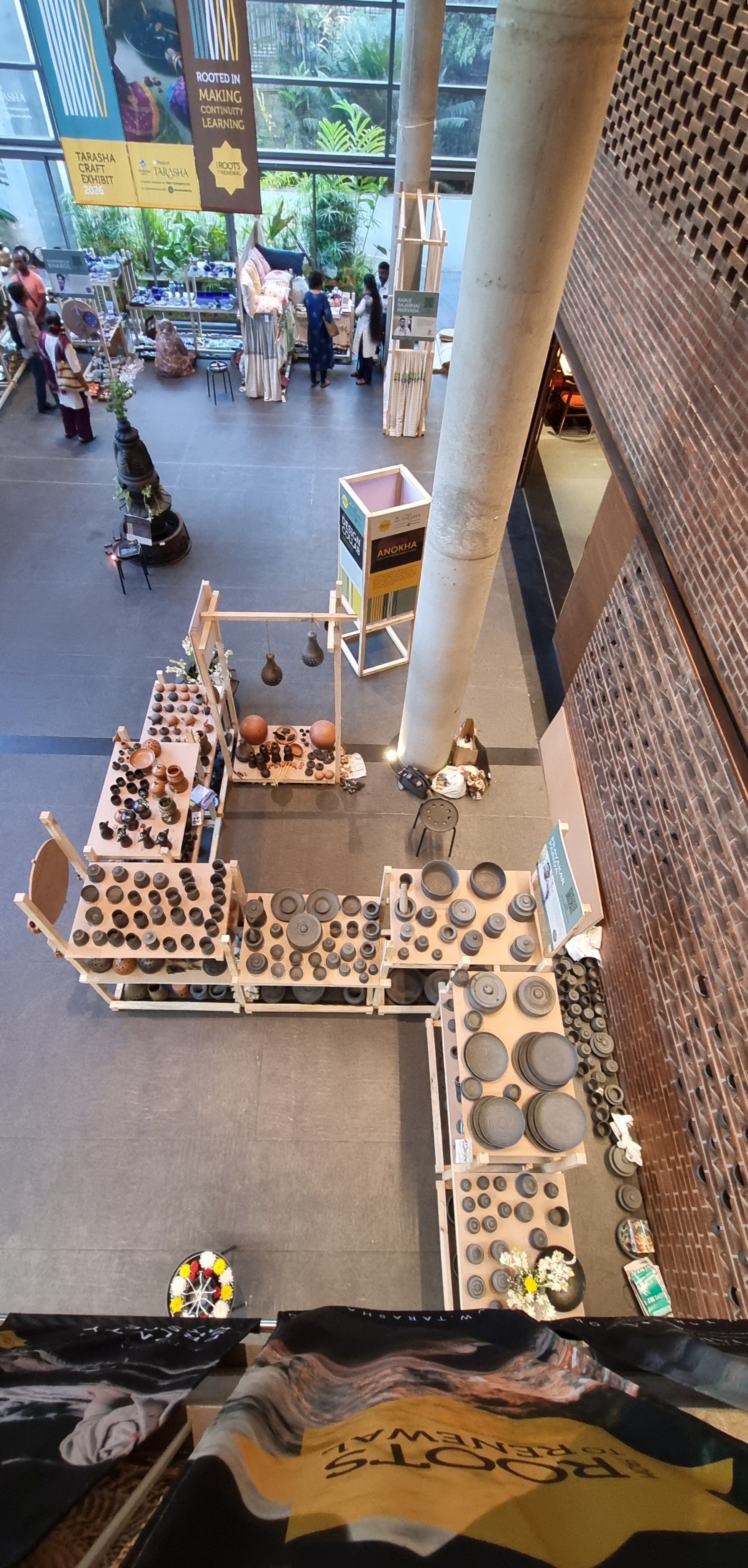
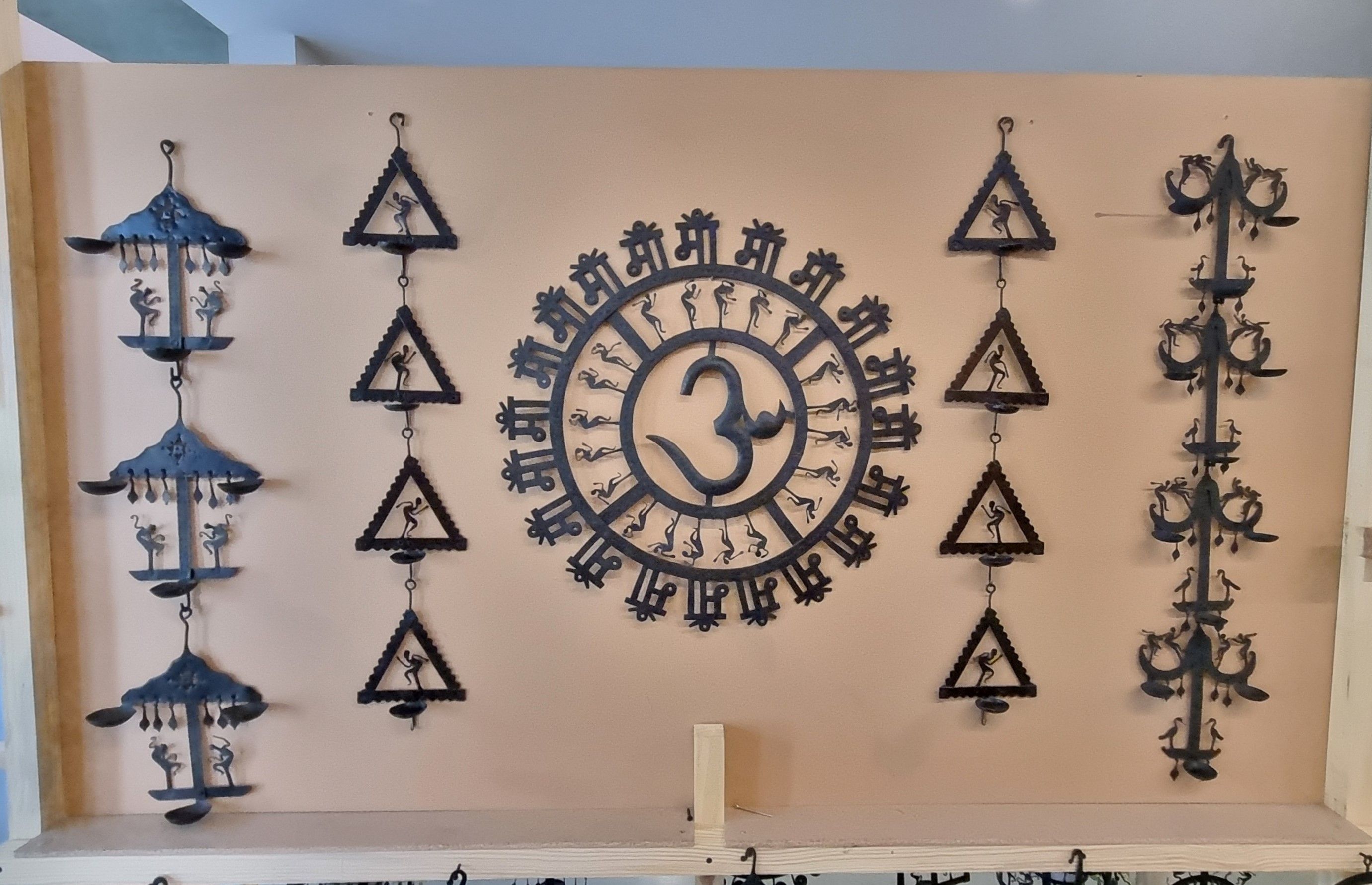
(All photographs taken by Madanmohan Rao on location at Bangalore International Centre.)
Edited by Jyoti Narayan
Discover more from News Link360
Subscribe to get the latest posts sent to your email.