

Siddharthnagar’s Kala Namak Rice: From Heritage Crop to Market Product

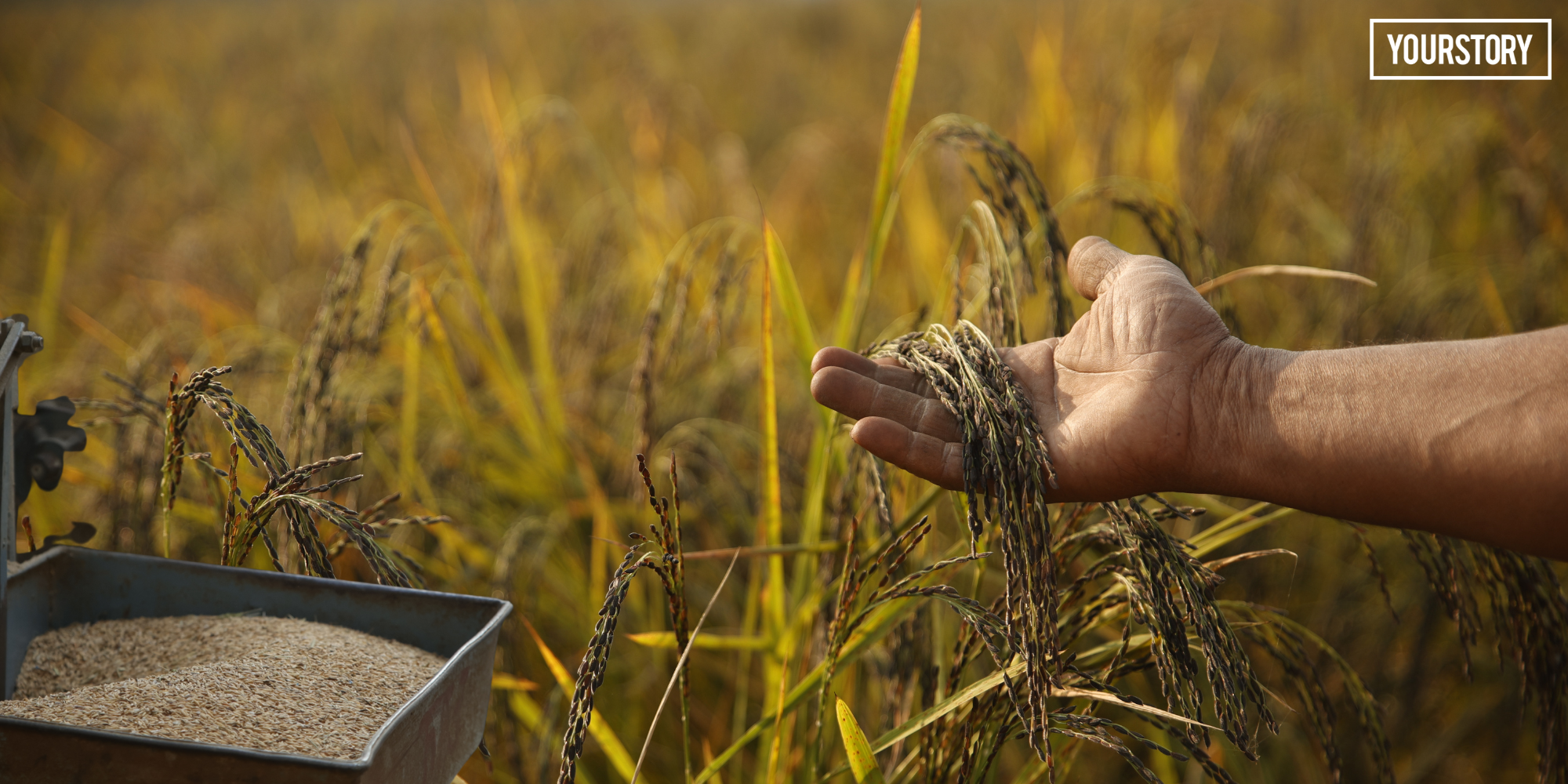

Kala Namak rice from Siddharthnagar is known for its fragrance, soft texture, and the way its aroma stays intact even after cooking. It is part of everyday meals, served at weddings and religious gatherings, and increasingly packed for buyers looking for rice that stands apart from standard varieties.
Locally referred to as Buddha’s prasad, Kala Namak carries cultural meaning along with commercial value. Its cultivation and trade support farmers, traders, and packers across the district. This strong linkage is why Siddharthnagar’s One District One Product (ODOP) identity is closely tied to food processing based on Kala Namak rice.
One participant in this value chain is Ehsan Ali, a rice trader from Badpur village. His family has worked with Kala Namak for generations. What began as small-scale trading in nearby towns has gradually grown into a structured operation supplying major markets. Today, Arke Traders is known among buyers seeking authentic Kala Namak sourced from its traditional growing belt.
A Trade Built Over Generations
Ali’s journey followed a family path. His grandfather traded Kala Namak locally, and his father expanded distribution using small vehicles to reach nearby districts. Growing up, Ali learned the trade at home—understanding quality, consistency, and the discipline required to maintain trust.
According to him, Kala Namak cannot be judged by appearance alone. Buyers value its aroma, softness, and cooking performance. Farmers grow multiple variants, ranging from darker to lighter grains. While yields may differ slightly, the eating quality remains largely the same. Ali notes that soil and water conditions play a key role in preserving the fragrance buyers expect.
From Fields to Markets
The trading process begins even before harvest. Ali and his team visit fields to assess crop readiness and quality. Once harvested, the rice is cleaned, weighed, and packed based on demand—commonly in 5, 10, 20, or 25 kg bags. Mobile weighing systems have replaced older methods, improving speed and transparency for farmers.
Quality checks focus on aroma, grain strength, and cooking results. Demand has expanded steadily, with regular shipments to markets such as Delhi, Mumbai, Kolkata, Kanpur, Prayagraj, Lucknow, Gorakhpur, and other cities where specialty rice has a growing customer base. Trade fairs and exhibitions have further helped connect the product with both retail and bulk buyers.
What ODOP Enabled
Ali credits ODOP support with accelerating growth. Access to working capital through district-level channels, supported by subsidy, helped manage large purchases and packaging cycles. ODOP-backed exhibitions also reduced participation costs, allowing greater focus on sales and distribution.
Looking ahead, Ali believes the future lies in protecting quality while expanding markets carefully. For Siddharthnagar, Kala Namak continues to hold value not just as a heritage crop, but as a reliable source of livelihood rooted in local farms.
Discover more from News Link360
Subscribe to get the latest posts sent to your email.